
Every year, millions of dollars are lost due to incorrect product classification at customs. A single digit error in the HS code could mean paying 20% more in duties—or worse, facing shipment delays and fines. If you’re shipping goods internationally, especially from China to the U.S. or EU, accurate classification is not optional—it’s a business-critical priority.
This article will teach you how to properly classify your goods using the Harmonized System (HS), avoid common duty errors, and use digital tools and freight partner strategies to ensure seamless clearance.
At GeeseCargo, we’ve seen importers lose tens of thousands due to incorrect declarations. From mislabeled fabric blends to miscategorized electronics, the pitfalls are real—but with the right approach, they’re completely avoidable.
What Is the Harmonized System (HS) and Why Does It Matter?
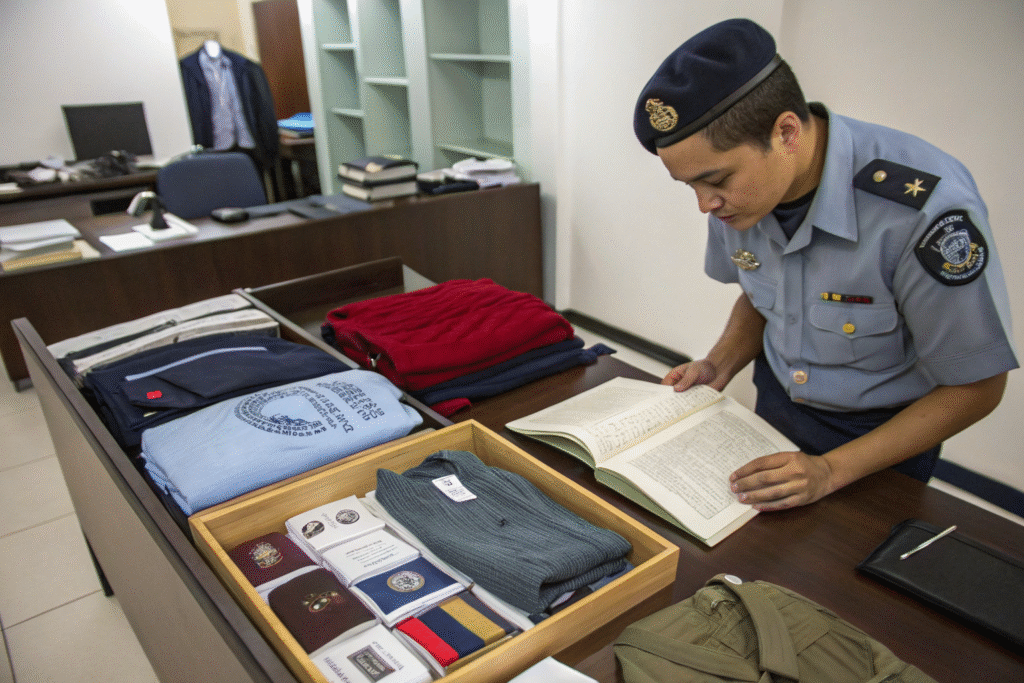
How Does the HS Code System Work?
The Harmonized System (HS) is an internationally standardized system of names and numbers used to classify traded products. Managed by the World Customs Organization, it contains over 5,000 commodity groups and is used by more than 200 countries.
Each product is assigned a six-digit HS code, often extended to 8–10 digits by individual countries (like the U.S. or EU) for more precise classification. For example:
- Cotton t-shirts: HS 6109.10
- Leather belts: HS 4203.30
- Wireless headphones: HS 8517.62
Your product’s HS code determines the import duty, applicable trade agreements, and even if it’s allowed entry. That’s why misclassifying your item can either lead to overpayment—or worse, regulatory violations.
What Happens If You Misclassify a Product?
A misclassification can trigger audits, fines, delayed shipments, and loss of bonded warehouse privileges. For example, a Chinese exporter misdeclared athletic socks as “medical textile” to reduce duties—resulting in seizure and re-export by U.S. Customs.
Using the correct HS code also ensures your goods qualify for Free Trade Agreements (FTAs) or exemptions. Classification errors can make you ineligible for reduced-duty status under programs like GSP.
How to Choose the Correct HS Code for Your Products?

What Are the Best Tools for HS Code Lookup?
Several tools can help importers classify their products properly:
| Tool | Website | Notes |
|---|---|---|
| HTS Search Tool (US) | hts.usitc.gov | Updated by USITC |
| EU TARIC | taric | EU-focused HS codes |
| WCO Classification Database | wcoomd | Global HS code search |
| ImportYeti | importyeti.com | Competitor product tracking |
At GeeseCargo, we combine automated tools with human review. Many digital databases are helpful, but product specifics—like fabric percentage or electronic sub-parts—often require expert interpretation.
Should You Ask Your Supplier for the HS Code?
Suppliers can give you an HS code, but don’t take it at face value. Many Chinese manufacturers use outdated or generalized codes just to simplify their own export process. You’re the importer of record—so it’s your responsibility to ensure accuracy.
That’s why we recommend verifying the code with a licensed customs broker or your freight forwarder. For complex items, GeeseCargo provides in-house classification checks as part of our DDP services.
What Are the Common HS Code Classification Mistakes?
Do Blended Materials Cause Classification Confusion?
Yes, especially for textiles. A cotton-polyester blend garment can fall under multiple classifications depending on the dominant fiber, use, or even construction technique. For example:
- 60% cotton, 40% polyester: HS code may be based on cotton.
- 45% cotton, 55% synthetic: HS code likely shifts to synthetic category.
This affects both your duty rate and compliance with eco or safety standards. Many U.S. importers have lost GOTS organic certifications due to misdeclared blends. Always verify fiber composition with lab reports before assigning HS codes.
Can Packaging Influence Classification?
Absolutely. If you ship a smartwatch with earphones and charging dock, it may be considered a “set” under customs law—and classified under the main component (e.g., electronics HS 8517.62).
Alternatively, shipping the same components separately could result in different tariffs per item. Our team at GeeseCargo helps clients bundle or split SKUs strategically to optimize duty exposure.
How Can a Freight Forwarder Help With HS Code Accuracy?
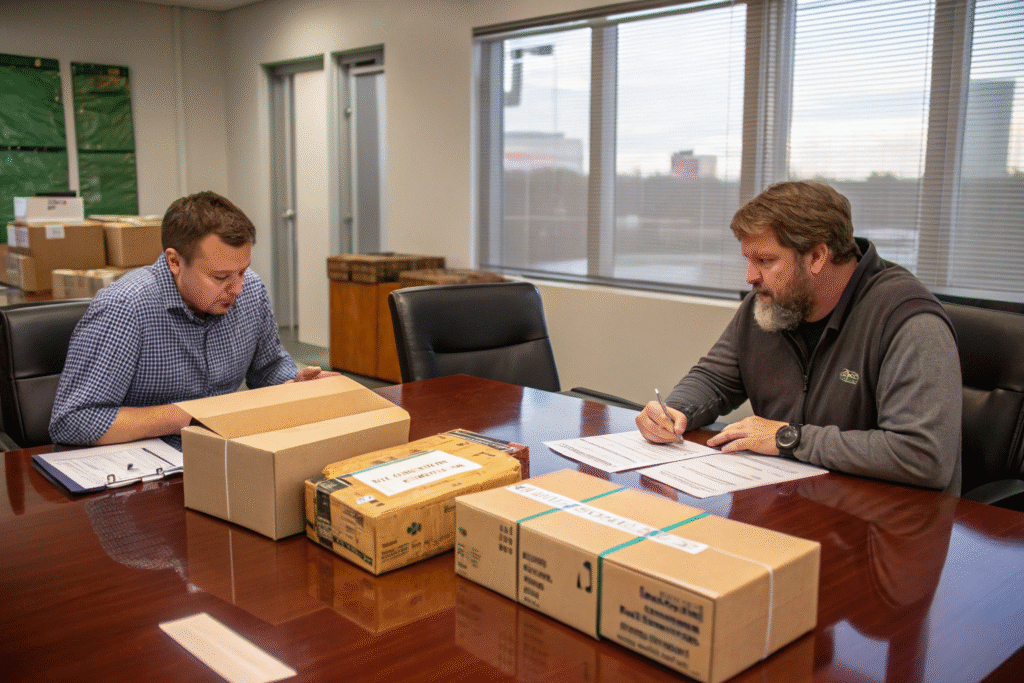
Will Using a Freight Forwarder Reduce Duty Risk?
Yes—if they’re experienced in classification. Many freight forwarders simply follow client instructions, but at GeeseCargo, we take a proactive role. Before your cargo leaves the factory, we:
- Review HS codes against country-specific duty rates.
- Flag risky classifications subject to anti-dumping.
- Simulate multiple codes to determine the most cost-effective legal match.
For bulk shippers or brand importers, these savings can add up to tens of thousands annually. Plus, it significantly reduces the risk of shipment holds by U.S. Customs or EU authorities.
Can You Get a Pre-Approval for Your Product Code?
Yes, many countries offer Binding Tariff Information (BTI) programs. In the EU, for example, importers can request a binding ruling from customs that locks in an HS code for a specific product. This guarantees predictability.
In the U.S., the Customs Ruling Online Search System (CROSS) provides thousands of past decisions. Our team uses this database to benchmark your products against prior cases, reducing uncertainty during clearance.
Conclusion
Classifying your products correctly isn’t just about choosing a number—it’s about protecting your bottom line, avoiding customs delays, and maintaining compliance with trade laws. One wrong code can cost you dearly.
At GeeseCargo, we help you navigate classification complexities from day one. Our logistics team combines digital tools, broker networks, and years of industry insight to deliver worry-free, duty-optimized shipping.
Need help with classification or want to reduce your landed costs? Reach out to Ben Zhu at benzhu@geesecargo.com. Let’s make your shipping smarter, faster, and duty-error free.