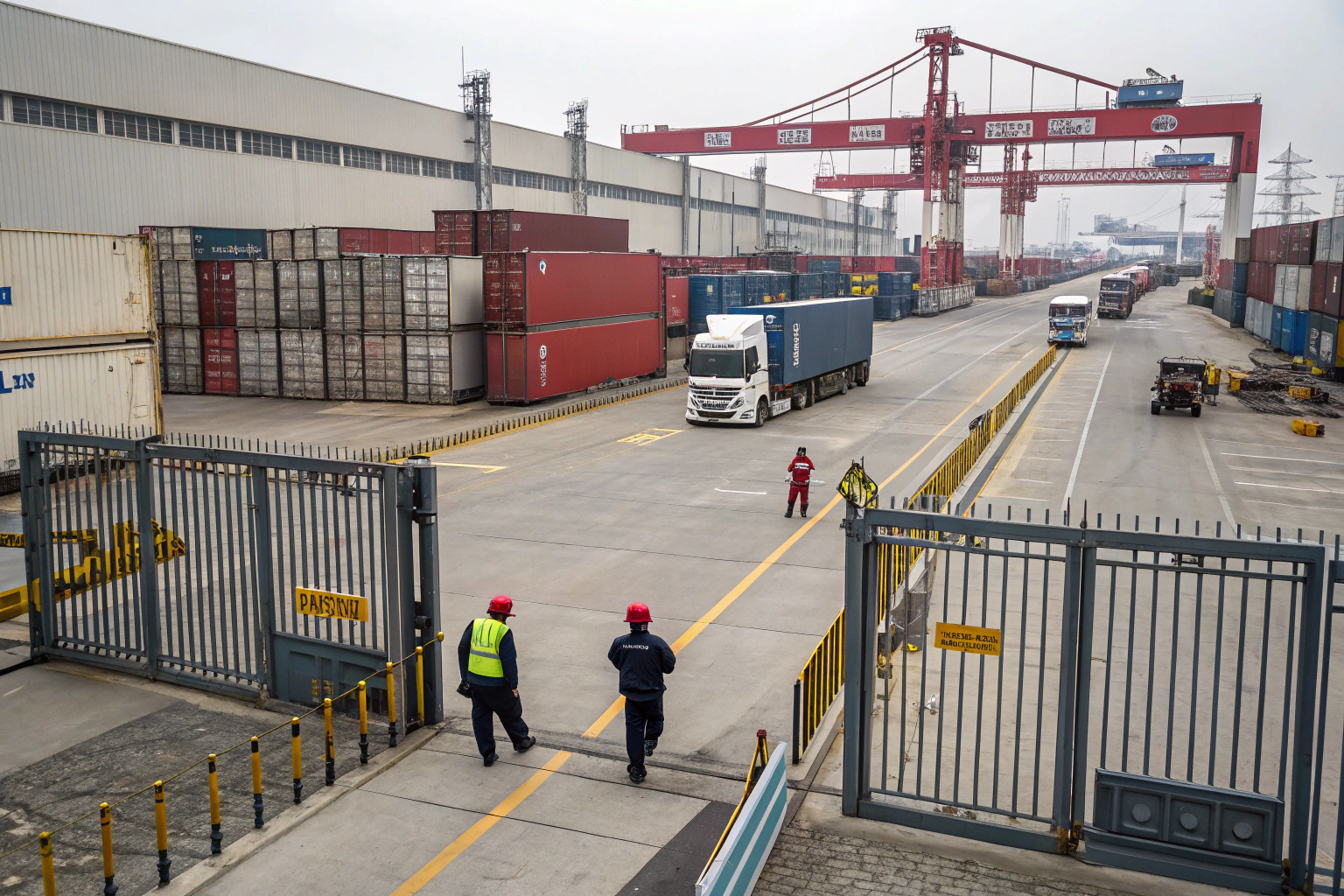
I remember a painful call from a client two years ago. He called me on February 1st, ready to ship 500 cartons of fashion accessories. The factory was closed. The workers were all in their hometowns. The next available production slot was in March. He lost six weeks of sales. He looked at me and said, "Why didn’t anyone tell me it would be this bad?" Chinese New Year is not a surprise. It happens every year. But it catches unprepared buyers like a tidal wave. You need a survival plan, not just a shipping date.
The key to importing around Chinese New Year is to treat the holiday not as a single day, but as a six-week productivity black hole. Factories slow down two weeks before. They close for two weeks. They take two more weeks to ramp back up. GeeseCargo helps you build a timeline that secures your cargo before the shutdown by booking vessel space 6 to 8 weeks in advance and using our pre-CNY consolidation service to gather goods from multiple suppliers into one fast-departing container.
You cannot negotiate with the lunar calendar. You must dance with it. The factories will close. The port will be chaotic in the two weeks before closure. Trucking prices will spike. Space on vessels will vanish. These are facts. But you can be the one who already has your goods on the water while your competitors are staring at a locked factory gate. I want to walk you through the precise timeline of the Chinese New Year shutdown. I will show you the specific cutoff dates for your production. I will explain how we keep your cargo moving even during the craziest pre-holiday rush. This plan will protect your Spring sales.
The True Timeline of the Chinese New Year Shutdown
Most Western calendars show Chinese New Year as a single date. You might see "Lunar New Year: January 29th" and think it’s a one-day event. This is a dangerous mistake. The holiday is a massive human migration. Workers travel thousands of miles to their home villages. They do not return until the traditional celebrations are over. The factory is not just closed for the public holiday. It is effectively shut down for a period that extends far beyond the official dates. You must plan for the whole curve, not just the peak.
The Chinese New Year impact spans six to eight weeks. Production stops one to two weeks before the official holiday as workers depart. Operations are fully halted for two to three weeks. Full production capacity does not return until two to three weeks after the holiday. This means from mid-January to late February, your normal manufacturing and shipping rhythm is completely disrupted. GeeseCargo adjusts all client timelines to reflect this "CNY slow zone."
You need to understand the three distinct phases of the shutdown. The pre-holiday rush, the quiet period, and the post-holiday restart. Each phase presents a different risk to your inventory plan. If you miss the pre-holiday vessel, your goods sit in a factory for three weeks. If you try to ship immediately after the holiday, you face quality issues from a new, untrained workforce. Let me break down these phases in detail. This is the foundation of your import calendar.
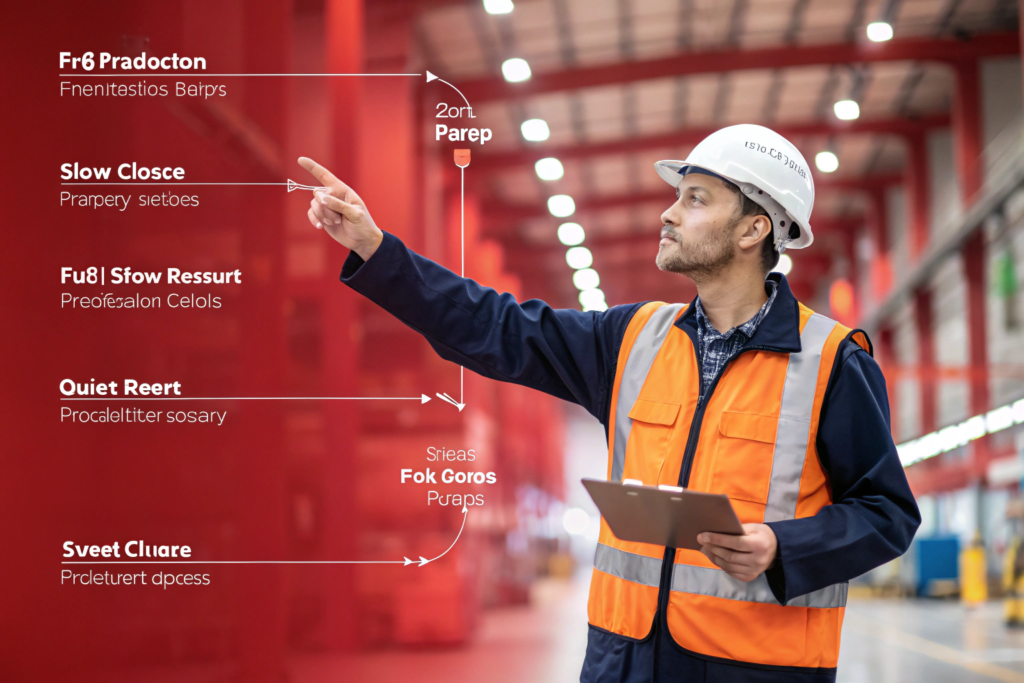
What exactly happens to factory production in the two weeks before Chinese New Year?
The two weeks before the official holiday are chaotic. Workers start to leave. The most experienced workers, who have saved money, often leave early to beat the train station crowds. The factory tries to push out as many orders as possible. The pace is frantic. Quality can suffer. The factory owner is under pressure to finish everything. This is not the time to be placing a new, complex order. This is the time to be doing a final quality control check on goods completed earlier.
Raw material suppliers also start to shut down. The factory cannot easily get new fabric or packaging. If there is a defect in your product, rework might be impossible because the materials are not available. We strongly advise our clients to finish all production by four weeks before the holiday. This gives a two-week buffer for rework and a two-week window for the pre-CNY shipping rush. If you are still finishing production one week before the holiday, you are in the danger zone. The trucking from the factory to the port becomes very expensive. Drivers want to go home. They charge triple rates. We can still secure trucks through our dedicated fleet contracts. But the stress level is very high. Our factory production calendar planning is designed to keep you out of that chaos. We want your goods finished, packed, and resting in our warehouse before the workers start their migration. This is the buffer that protects your order.
Why does the post-CNY recovery take so long for full production to resume?
The holiday ends. The official date says the factory is open. But when you walk onto the factory floor, it is half empty. Workers trickle back over two or three weeks. Some never return. They find jobs in a different province or a different industry. The factory manager is in a frantic hiring mode. New workers need training. A new worker operating a sewing machine or a printing press is slow and makes mistakes. The defect rate goes up. The output speed goes down. A factory running at 100% capacity in December might be running at 50% capacity in late February. Yet they are accepting 100% of the normal order volume. This creates a massive bottleneck.
This period is also plagued by a backlog. All the orders that were supposed to ship before the holiday but got delayed, all the new orders placed during the holiday by eager buyers, they all hit the factory floor at the same time. It is a supply chain bullwhip effect. We advise our clients to set post-CNY delivery expectations realistically. Do not promise your customer a delivery that relies on a factory producing at full speed in the last week of February. It will not happen. Instead, we work with you to place a "restart order." This is a smaller, less complex order that the factory can manage with a skeleton crew. We also send our quality control inspectors to the factory more frequently during this period. We check the first pieces off the new line. We nip quality problems in the bud. Our post-holiday quality management protocol is strict. We would rather delay a shipment by one week to fix the quality than ship faulty goods that get rejected by your buyer. The post-CNY period requires patience and a very tight quality leash.
GeeseCargo’s Pre-CNY Booking and Consolidation Strategy
When the clock is ticking, you need two things. You need space on a vessel. And you need a way to gather smaller orders from different factories without wasting time. The worst situation is having three different suppliers in Yiwu, Guangzhou, and Hangzhou each with ten cartons ready. You wait for a truck to collect from each one. You wait for them to meet at a warehouse. The days slip away. The vessel cut-off is missed. The goods wait for the holiday to end. We solve this with a pre-planned consolidation and space-blocking offensive.
Our Pre-CNY strategy combines early vessel space booking and a multi-supplier consolidation service. We block guaranteed space on the last three vessels departing before the holiday closure. Simultaneously, we use our central warehouse near the major ports to collect cargo from all your suppliers. The moment the last carton arrives, we close the container and rush it to the terminal. This guarantees your goods sail before the shutdown, even if your suppliers finish at different times.
You cannot wait for the last supplier to finish before you even start looking for space. By then, the space is sold to someone who planned months earlier. The vessel is full. The rates are astronomical. We flip the script. We book the space first. We treat the vessel booking as a fixed, immovable appointment. The consolidation center then works backward from that departure time. Let me show you how we lock in that space when everyone else is panicking. And I want to explain exactly how the consolidation center works to merge your goods into one fast-moving shipment.
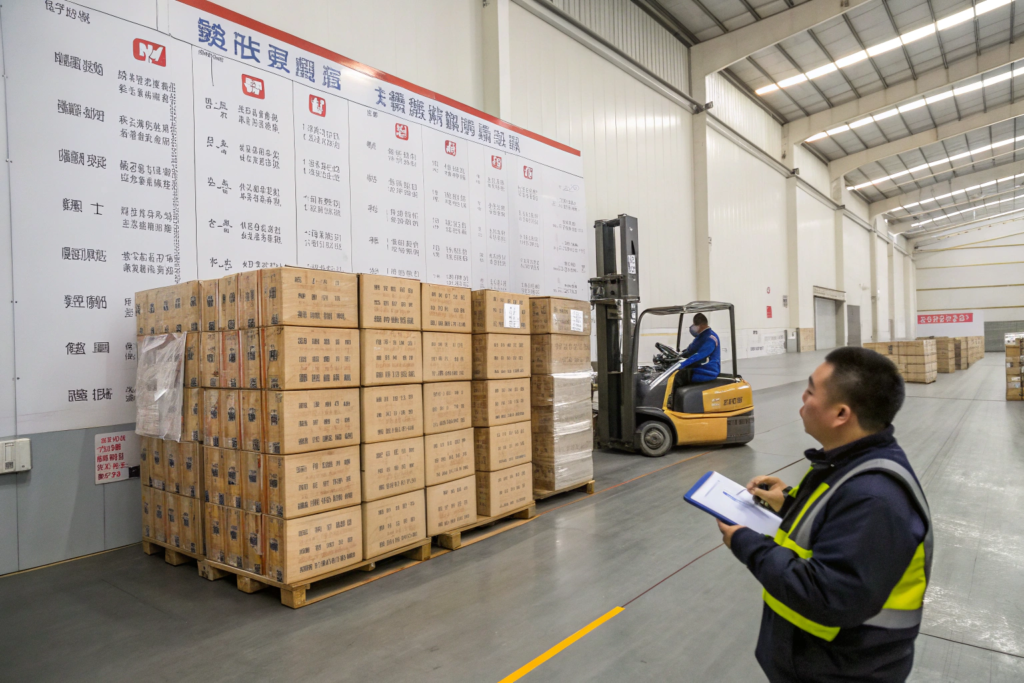
How does booking vessel space 8 weeks in advance guarantee a pre-CNY departure?
Carriers release their vessel schedules and space allocations about three months in advance. The smartest shippers lock in their space for the pre-CNY peak season as early as October or November. We do this on your behalf. We sign block space agreements specifically for the "Chinese New Year rush window." This window is usually the last two weeks of January, depending on the exact lunar date. We commit to a volume with the carrier. The carrier guarantees us a specific number of forty-foot equivalent units on specific vessels. This is a guaranteed vessel space contract.
When you give us your forecast in November, we immediately match your projected volume to our blocked space. Your cargo is assigned a booking confirmation number right then, months before the container is even stuffed. This is a massive psychological and operational advantage. The carrier cannot roll your container. The space is legally yours. We also pre-negotiate the rate. The rate in January, when everyone is scrambling, might be double the normal price. Our pre-booked rate is significantly lower because we committed early. This saves you money and secures the slot. We call this the "anchor booking."
A week before the cut-off, we reconfirm. The factory sends us the final carton count. We adjust the booking slightly if needed. But the core space is protected. While your competitor is calling ten forwarders begging for a spot on the last barge out of Yantian, your container is already in the carrier’s system, assigned to a specific stack on the ship. This is how you sleep soundly while the panic rages outside. Our early booking logistics turns the Chinese New Year from a crisis into a routine scheduled event. Your goods move. You keep your sales cycle alive.
What happens inside our consolidation center to speed up multi-supplier cargo before CNY?
You have a supplier of scarves in Yiwu. A supplier of hats in Hangzhou. A supplier of gift boxes in Ningbo. Each finishes on a different day. If you ship each one as a separate less-than-container-load parcel, you pay very high per-unit freight. You also risk one of the three parcels missing the boat. Our consolidation center solves this. It is a bonded or supervised warehouse located near the major loading port, usually near Shanghai or Ningbo.
We instruct each of your suppliers to truck their finished goods directly to our consolidation center. They do not wait for each other. The first supplier arrives. We check the cartons. We verify the labels. We store the goods in a dedicated staging area for your shipment. The second supplier arrives a day later. Their goods go into the same staging area. When the final supplier delivers, your shipment is complete. We do not waste a single day. The container is positioned at our dock. We immediately load all the combined pallets. Our cargo consolidation process is a high-speed ballet during the pre-CNY rush.
We pack the container intelligently. Heavy boxes on the bottom. Light boxes on top. The container is sealed with a security bolt. The documents are prepared instantly. The truck is waiting. The container departs the consolidation center directly to the terminal. It arrives fresh, just hours before the cut-off. This system transforms a fragmented supply chain into a single, unified departure. You pay for one full container load or one consolidated pallet spot. You get one tracking number. All your suppliers’ goods sail on the same ship. This consolidation strategy eliminates the risk of scattered cargo and missed connections. It is the only way to manage a complex multi-factory order during the tight pre-CNY window. We turn chaos into a single, clean shipment.
Alternative Post-CNY Shipping and Air Freight Bridges
Sometimes, despite all planning, you still need goods during the shutdown. A best-seller sells out unexpectedly. A buyer demands a sample for a March meeting. The factory is closed. The workers are gone. Your standard supply line is frozen. But frozen does not mean dead. It means you need a different path. You need a bridge over the silent factory. This is where our air freight bridge strategy comes into play. It uses pre-positioned stock and premium logistics to keep you supplied when China sleeps.
Even during the Chinese New Year closure, GeeseCargo keeps you moving by using a two-pronged approach. First, we hold a safety stock of your best-selling items in our bonded warehouse before the holiday. Second, for factory-fresh urgent goods, we use the first available post-CNY factory output and bypass the sea freight backlog by routing it through a premium air freight bridge. This ensures you do not suffer a six-week inventory gap.
You cannot force a closed factory to produce. But you can have already produced goods waiting in a safe location. And you can have a priority pass for the factory’s very first post-holiday output. The traditional way is to wait for the factory to restart, wait for it to catch up on the backlog, wait for a sea freight consolidation, and finally receive your goods in late March. That is three months of lost momentum. We offer a much faster restart. Let’s explore the bonded warehouse buffer strategy. And I want to detail the specific mechanics of the post-CNY air freight express that can deliver goods to your door two weeks after the holiday ends, not six weeks.
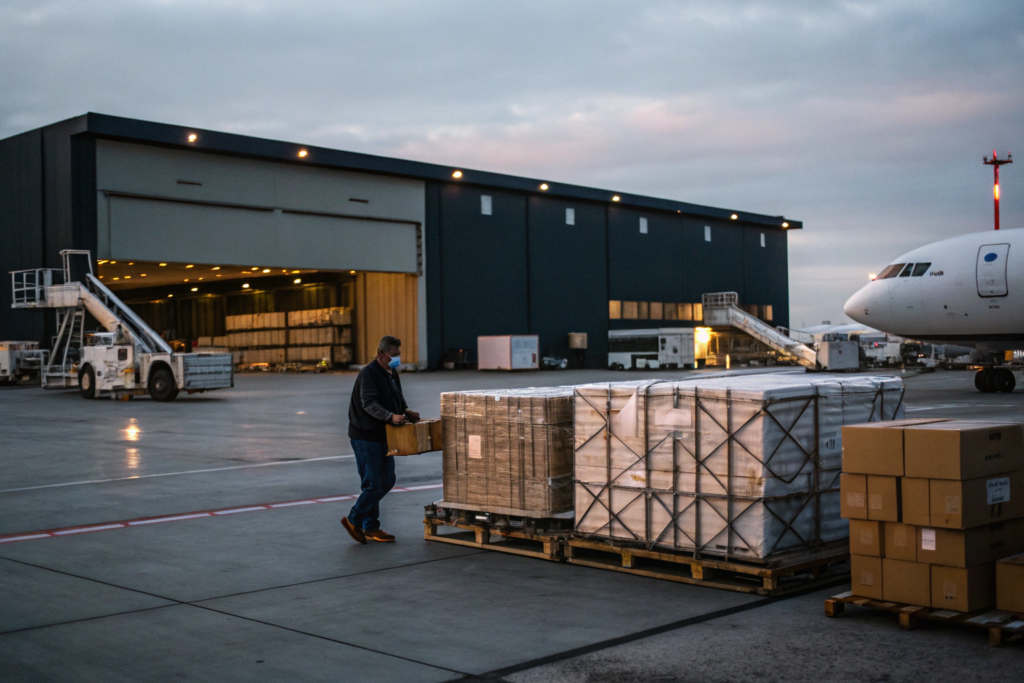
How does a pre-CNY bonded warehouse buffer prevent inventory stock-outs?
The concept is simple. Produce more than you need in December. Ship it to our bonded warehouse near your market. Do not clear it through customs yet. Let it sit, duty-free and tax-free, as a sleeping safety stock. Then, during the Chinese New Year shutdown, when your regular supply line goes silent, you activate the buffer. You tell us to release a batch from the bonded warehouse. We pay the duty. We truck it to your store. You never run out of stock. This is a financial tool as much as a logistics one.
The capital is tied up in the goods, but the tax is deferred. You only pay the import duties when you physically need the goods. This smooths your cash flow. The warehouse itself is secure. We run a cloud-based inventory system. You log in. You see your stock. You click "release 200 units." We pick, pack, and ship within 24 hours. This is your emergency reserve. It is particularly effective for accessories and gifts that have a steady, predictable baseline demand. You produce the baseline in advance. You park it in the bonded warehouse. The factory can shut down, and your business does not miss a single sale. This bonded warehousing strategy transforms the Chinese New Year from a crisis into a planned inventory cycle.
We also handle the rotation. If the new collection comes in after CNY, we release the old safety stock first. The new goods fill the safety stock back up. The system is a revolving door. You have a constant buffer. The pre-CNY production run is your insurance policy. It is the physical hedge against the long silence of the lunar calendar. Our team manages the entire process. We track the stock levels. We alert you when the buffer dips below a certain threshold. We arrange the top-up production run well before the next holiday. This is advanced supply chain management applied to a very predictable seasonal event.
What is the air freight bridge and how does it beat the post-CNY sea freight backlog?
Even with a buffer, you might need new goods. Perhaps a new design went viral on social media in early February. You need the factory to make them as soon as the doors open. The standard sea freight timeline after CNY is slow. The factory restarts slowly. The goods are ready by the second week of March. If you ship by sea, you receive them in mid-April. That is too late for a trend. The air freight bridge cuts this time dramatically. The factory finishes the urgent reorder. We immediately truck the goods to the airport, not the seaport. We use our premium air express service.
We book space on the very first available cargo flight. The goods are flown directly to your destination country. The flight takes 1 day. The customs clearance is pre-filed during the flight. The goods are delivered to your door within 3 to 5 days of leaving the factory gate. This means you can have fresh, on-trend products in your store by mid-March, just two weeks after the factory reopens. Your sea-freight competitors are still waiting for their vessel to depart. This is the speed advantage that wins the fashion and accessories market. Our air freight express service acts as a bridge over the slow restart period.
We advise you to reserve air freight capacity for this specific post-CNY window. We pre-book the air space just like we pre-book the sea space. The cost is obviously higher than sea freight. But the return on investment is calculated differently. You are not just moving cargo. You are capturing a market window with zero competition. While others are out of stock, you have the new hot item. The premium you can charge or the market share you gain covers the air freight premium many times over. This air bridge strategy is a competitive weapon. We plan it months before. We identify which products are likely to need the fast restart. We pre-book the air freight allocation. When the factory restarts, we execute immediately. No deliberation. No delay. Just a high-speed injection of inventory into your supply line.
Conclusion
The Chinese New Year is not a surprise attack. It is a scheduled event that you can master with the right plan. The shutdown is not just a week-long party. It is a six-week disruption that begins in mid-January and echoes into March. Factory workers leave early. They return late. Production quality dips. Port space vanishes. Trucking rates triple. If you treat it like a normal month, you will fail. But if you treat it like a project, you will succeed. You will have goods on the shelf while your competitors stare at an empty stockroom.
We have built a complete system around this annual event. We lock in your vessel space 8 weeks before the holiday. We use our consolidation center to gather your goods from scattered suppliers into one fast-closing container. We position safety stock in our bonded warehouse so you have a duty-free buffer during the closure. And if you still need fresh goods right after the holiday, we launch the air freight bridge. We fly your cargo over the slow sea freight backlog and deliver it to your door in a matter of days.
Your import timeline around Chinese New Year should start in November. That is when we forecast the volume, book the space, and lock the rates. That is when we set the factory completion deadlines. That is when we secure the consolidation slots. Planning early is the only thing that makes the difference between panic and peace. I invite you to reach out to our team at GeeseCargo. Let us map out your full Chinese New Year timeline together. We will look at your product range, your demand forecast, and your key delivery dates. We will build a custom schedule that protects your cash flow and your market share. Do not let the lunar calendar dictate your business success. Let’s plan early, ship smart, and keep your business running smoothly all year round.