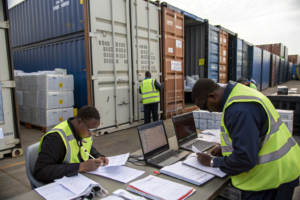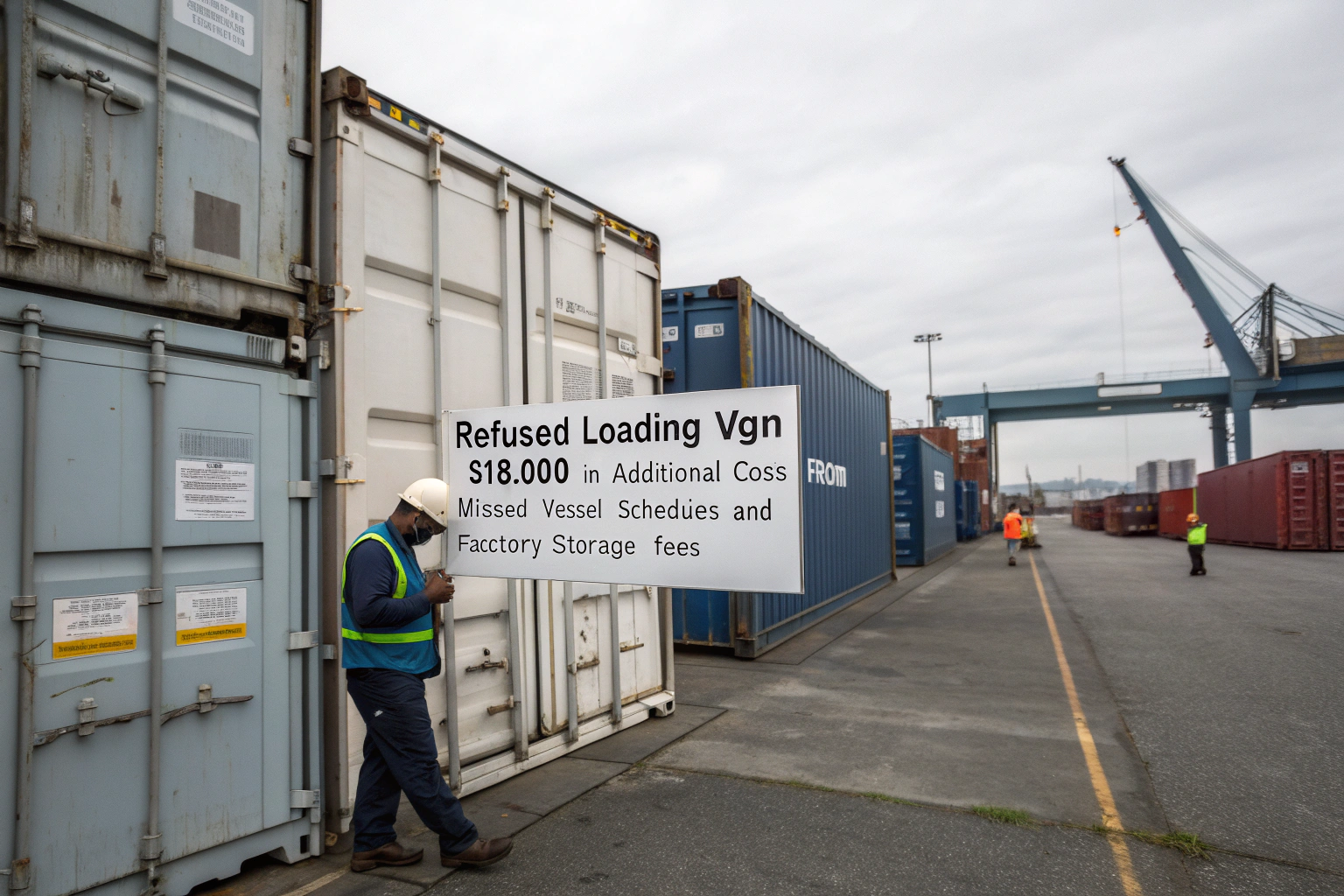
When one of our clients had a container refused loading because of missing VGM documentation, they faced $18,000 in additional costs from missed vessel schedules and factory storage fees. As founder of GeeseCargo with extensive experience in SOLAS compliance, I've witnessed how this seemingly simple requirement creates complex operational challenges that impact every ocean shipment.
The SOLAS VGM (Verified Gross Mass) rule requires shippers to provide container weight verification before vessel loading. Non-compliant containers are refused loading, causing delays, additional costs, and supply chain disruptions. The rule applies to all ocean shipments globally and requires weighing containers using certified methods with specific documentation timelines.
Implemented in 2016 following the SOLAS (Safety of Life at Sea) convention, the VGM rule addresses the critical safety issue of incorrectly declared container weights, which have caused vessel casualties, container stack collapses, and terminal accidents. Understanding your obligations under this regulation is essential for maintaining smooth shipping operations.
What Are the Specific VGM Requirements and Methods?
The VGM rule mandates two approved weighing methods with precise documentation requirements and strict timing deadlines that vary by carrier and terminal.
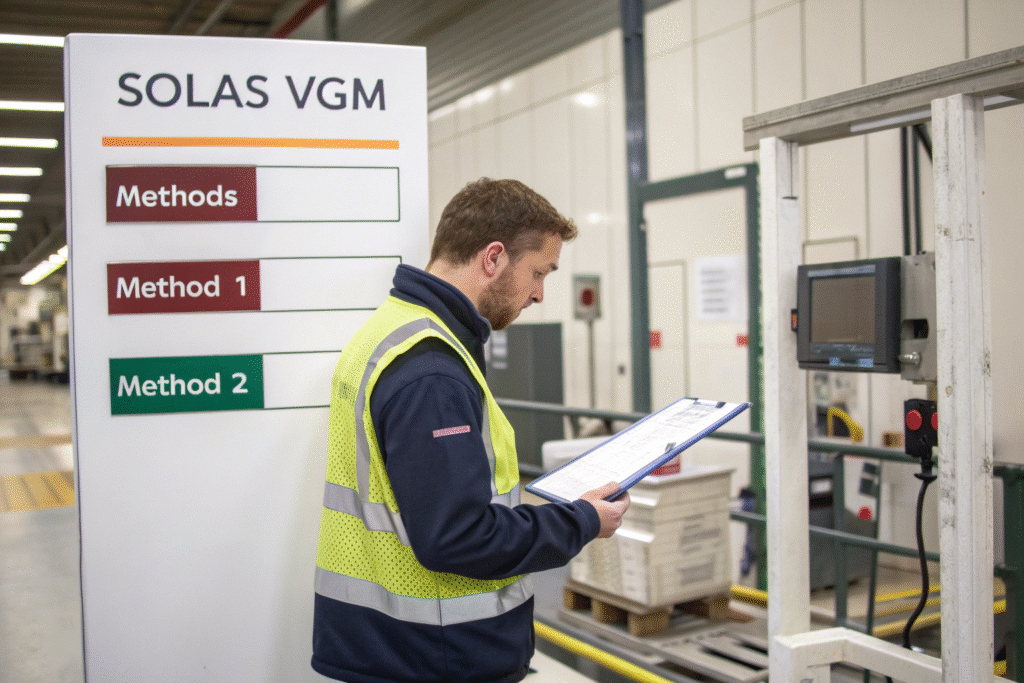
What Are the Two Approved Weighing Methods?
Method 1 requires weighing the packed container using calibrated equipment. This typically occurs at terminal gates using certified weighbridges or at approved weighing stations with documented calibration records. The method provides direct measurement of the entire packed container.
Method 2 involves weighing all cargo and contents then adding the container tare weight. This method requires weighing all packages, pallets, dunnage, and securing materials using certified scales, then adding the container's verified tare weight from the door marking.
Method 2 calculations must include all materials in the container. This includes pallets, blocking, bracing, packaging materials, and any moisture content. The method requires meticulous documentation of each weight component and summation calculations.
What Documentation and Submission Standards Apply?
VGM submission must include specific data elements: shipper name, booking number, container number, VGM value, weighing method, responsible party declaration, and date. Missing or inaccurate information causes rejection even with proper weighing.
Submission deadlines vary by carrier but typically fall 24-48 hours before vessel cutoff. Late submissions risk missing vessel schedules, as terminals require VGM verification before allowing containers into loading areas.
Digital submission through carrier portals or EDI has become standard. Manual submissions via email or fax often experience processing delays and higher error rates, making electronic submission strongly recommended.
What Are the Operational Impacts on Your Shipping Process?
VGM compliance affects multiple operational areas from packaging and loading through documentation and terminal operations, requiring process adjustments throughout your supply chain.

How Does VGM Affect Loading and Packing Operations?
Loading sequence planning must account for weight distribution and access for weighing. Containers requiring Method 2 weighing need loading sequences that allow individual component weighing or access to packed contents for weighing at facilities.
Packaging weight documentation becomes essential for accurate calculations. Method 2 requires precise weights for all packaging components, necessitating updated specifications from suppliers and verification processes for accuracy.
Loading supervision requirements increase to ensure weight accuracy. Method 2 calculations require verification that actual loaded contents match weighing documentation, demanding closer supervision of loading operations.
What Timeline and Coordination Challenges Emerge?
Weighing facility scheduling becomes a critical path activity. Access to certified weighing equipment must be scheduled within loading and transportation timelines, creating potential bottlenecks during peak periods.
Documentation preparation timelines must accommodate weighing results. Since VGM submission requires actual weights, documentation cannot be prepared in advance, compressing the timeline between loading completion and submission deadlines.
Carrier-specific requirements create coordination complexity. Different carriers have varying submission formats, deadlines, and data requirements, necessitating customized processes for each shipping line used.
What Are the Cost Implications of VGM Compliance?
VGM implementation creates both direct costs for weighing services and indirect costs from process changes, though proper management can minimize financial impact.
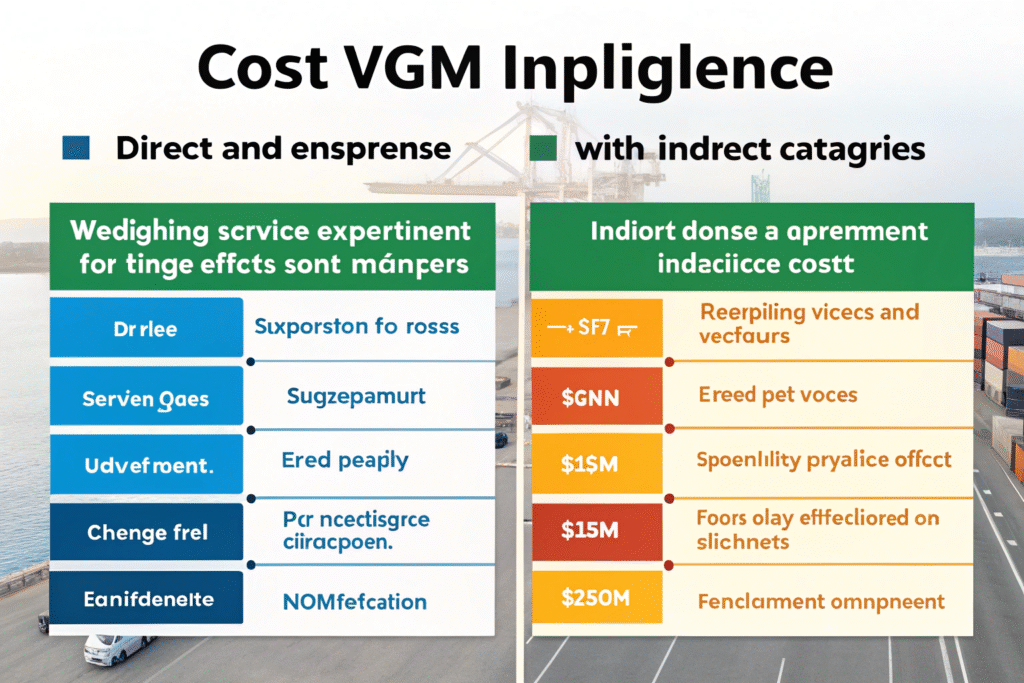
What Direct Costs Does VGM Implementation Create?
Weighing service fees range from $25-$150 per container depending on method and location. Terminal weighbridge services typically charge $50-$100, while third-party weighing services may charge premium rates for off-site weighing.
Equipment investment may be required for Method 2 compliance. Companies choosing Method 2 may need certified scales, calibration services, and documentation systems, representing capital investment of $2,000-$10,000 depending on scale capacity and certification requirements.
Administrative costs increase for VGM documentation management. Additional staff time for weighing coordination, data entry, submission tracking, and record keeping typically adds $15-$40 per shipment in administrative overhead.
What Financial Risks Does Non-Compliance Create?
Container rollover costs from missed vessels average $500-$2,000 per occurrence. These include terminal storage, repositioning fees, and schedule disruption costs that accumulate quickly when containers miss intended vessels.
Supply chain disruption costs often exceed direct penalty fees. Production line stoppages, missed customer deliveries, and inventory stockouts created by shipping delays can cost thousands of dollars per day in business impact.
Penalty fees from carriers and terminals range from $200-$500 per non-compliant container. Some terminals impose daily storage fees for containers without VGM documentation, accumulating until compliance is achieved.
How Can You Implement Efficient VGM Processes?
Streamlined VGM processes minimize costs and disruptions while ensuring consistent compliance through systematic approaches tailored to your shipping patterns.
What Process Optimizations Reduce VGM Burden?
Method selection standardization based on your operational pattern. Companies with consistent packaging and loading practices typically benefit from Method 2, while those with variable cargoes often prefer Method 1 for simplicity.
Supplier weight certification programs ensure accurate component weights. Working with suppliers to provide certified weights for their products and packaging simplifies Method 2 calculations and improves accuracy.
Loading facility categorization by weighing capability. Designating specific loading locations with weighing equipment or proximity to weighbridges streamlines the compliance process and reduces transportation for weighing.
How Does Technology Support VGM Compliance?
Digital weighing systems integrate directly with submission platforms. Modern scales with digital output can feed weight data directly into VGM submission systems, reducing manual entry errors and processing time.
VGM management software tracks submissions and deadlines. Specialized systems monitor submission status, send alert for approaching deadlines, and maintain compliance records for audit purposes.
Carrier API integrations automate data transmission. Electronic data interchange with carrier systems enables instant VGM submission and confirmation, eliminating manual portal entry and its associated delays.
What Are Common VGM Compliance Mistakes?
Understanding frequent compliance failures helps prevent costly errors that disrupt shipments despite good intentions and basic compliance efforts.
What Weighing and Calculation Errors Occur Most Frequently?
Tare weight misunderstandings cause significant errors. Using standard container weights rather than the specific container's actual tare weight from door markings creates discrepancies, as individual container weights vary significantly.
Moisture content and packaging material omissions skew calculations. Method 2 often underestimates actual weight by failing to account for pallet moisture, packing materials, and dunnage that contribute to total mass.
Scale calibration neglect creates systematic errors. Using non-certified or poorly maintained scales generates consistent inaccuracies that may only be discovered during terminal reweighing.
What Documentation and Timing Mistakes Cause Problems?
Submission deadline misunderstandings vary by terminal. Assuming standard deadlines without verifying carrier-specific requirements causes late submissions despite proper weighing.
Data format errors trigger rejections despite accurate weights. Incorrect field formatting, missing information, or transmission errors cause automated system rejections that require resubmission.
Responsible party confusion creates accountability gaps. Unclear designation of who bears ultimate responsibility for VGM accuracy leads to compliance gaps when multiple parties handle different process aspects.
How Does VGM Interact with Other Regulatory Requirements?
VGM compliance doesn't exist in isolation but interacts with multiple other regulatory frameworks, requiring coordinated compliance approaches.
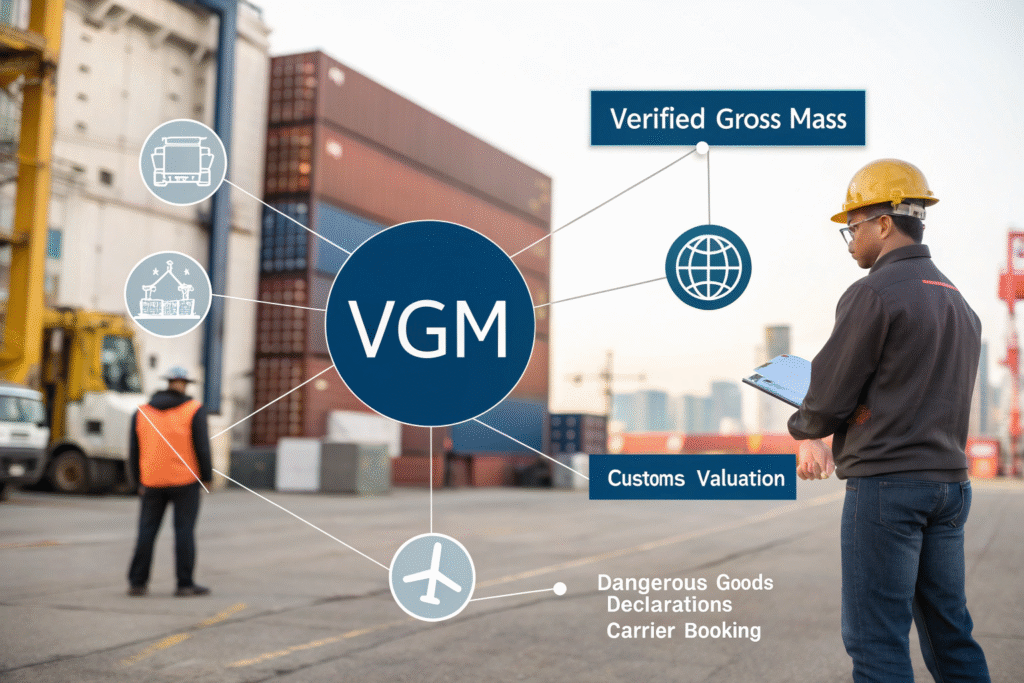
How Does VGM Relate to Customs Valuation Requirements?
Weight declaration consistency between VGM and customs documents is crucial. Significant discrepancies between VGM declarations and commercial invoice weights may trigger customs inspections or valuation challenges.
Documentation retention requirements align with customs timelines. VGM records must be maintained alongside other shipping documents for potential customs verification, typically for five years after shipment.
Penalty risk multiplies when errors affect multiple regulations. Incorrect weights that violate both VGM and customs valuation rules can generate penalties from multiple agencies simultaneously.
What Are the Dangerous Goods Considerations?
Enhanced verification requirements apply to dangerous goods containers. IMDG Code requires additional verification for hazardous materials, with some carriers imposing stricter VGM deadlines for dangerous goods shipments.
Weight distribution requirements affect loading practices. Dangerous goods often have specific weight distribution and securing requirements that interact with VGM weighing methodologies.
Documentation integration ensures comprehensive compliance. VGM information must align with dangerous goods declarations, container packing certificates, and other safety documentation.
Conclusion
The SOLAS VGM rule has transformed from a regulatory novelty to an operational fundamental in ocean shipping. The most successful shippers integrate VGM compliance into their standard processes rather than treating it as a separate requirement, recognizing that proper weight verification enhances both safety and supply chain reliability.
At GeeseCargo, we've developed VGM processes that achieve 99.8% compliance rates while adding minimal cost and time to shipping operations. The key lies in selecting the appropriate weighing method for your business model, implementing robust documentation systems, and maintaining clear communication channels with all supply chain partners.
Begin your VGM optimization by auditing your current compliance performance, identifying pain points, and implementing systematic solutions. Remember that VGM excellence requires ongoing attention as your business evolves, with regular process reviews ensuring continuous compliance as shipping patterns, regulations, and carrier requirements change.