You just spent months perfecting a sample, finding a buyer, and manufacturing 2,000 high-end linen dresses. When the pallet finally arrives at your client’s store in Chicago, the boxes are crushed, and half the dresses have yellow mildew stains on the collars. The buyer instantly cancels the rest of the season’s order. I have spoken to too many brand owners who faced this exact nightmare because their forwarder treated their fashion cargo like bags of cement.
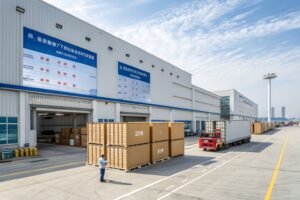
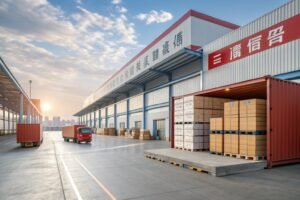
At GeeseCargo, we ship apparel from China to the USA using a damage-prevention protocol built on three pillars: moisture control, carton engineering, and anti-crush loading. We treat your clothing exactly how we would treat our own inventory. We don’t just stuff boxes in a container; we build a climate-controlled, structurally sound micro-environment that survives sea voyages, truck bumps, and warehouse cross-docking.
You cannot afford to leave cargo safety to chance. You have a right to feel secure that the finished goods you paid for will reach your customers in shop-floor condition. I want to take you behind the scenes into our warehouse and show you the exact physical steps and decisions that keep your fashion products pristine from the Shenzhen factory to the final delivery ramp.
How Do You Stop Moisture and Mold from Ruining Apparel in a Sea Container?
You probably think that a sealed metal container is waterproof. That is the biggest myth in ocean freight. During a 14-day ocean crossing from Shanghai to Los Angeles, the inside of a container sweats like a cold soda can on a hot day. This "container rain" drips down onto your cartons, and the moisture wicks straight through the cardboard. Cotton and linen absorb that water like a sponge.
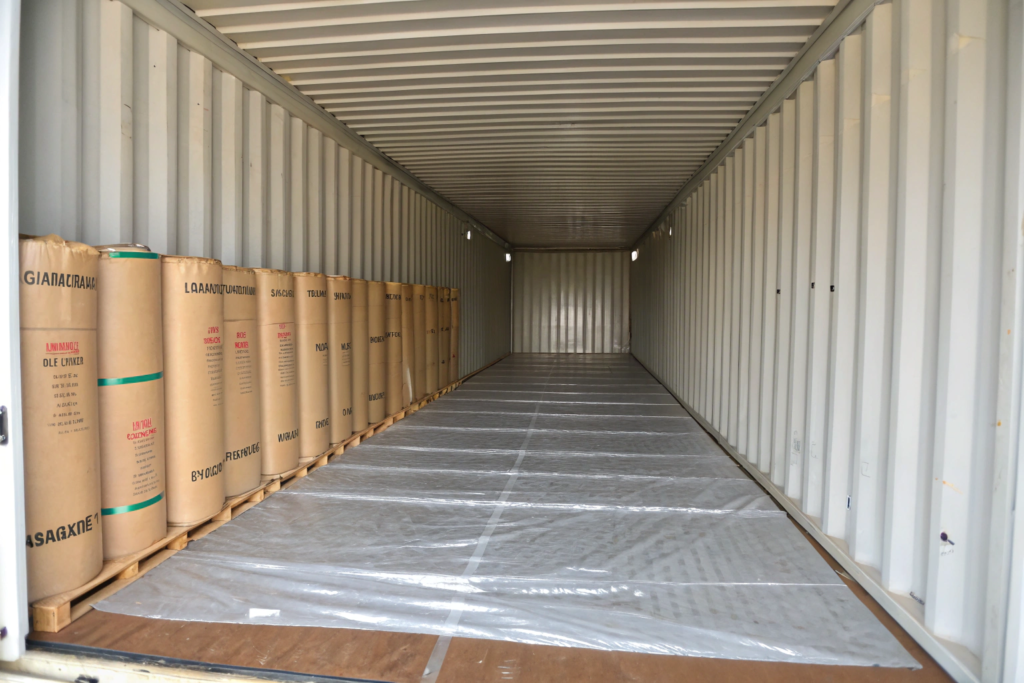
We stop moisture damage by turning the container into a dry room. We install industrial-strength container desiccants along the walls and under the ceiling. We also never place cartons directly on the container floor. We lay down a layer of dry Kraft paper and a plastic floor-sheet barrier first. This stops any condensation that forms on the steel deck from seeping into your shipment from the bottom up.
The science is simple but unforgiving. When the container travels from the warm humidity of a Chinese port into the cold Pacific Ocean currents, the air temperature inside drops, and the water vapor condenses. I once inspected a shipment of wool sweaters for a client where the forwarder used ten tiny silica gel packets. By the time the box hit Nashville, the sweaters had a musty odor that made them unsellable. You cannot fix that smell. The whole shipment becomes a total loss.
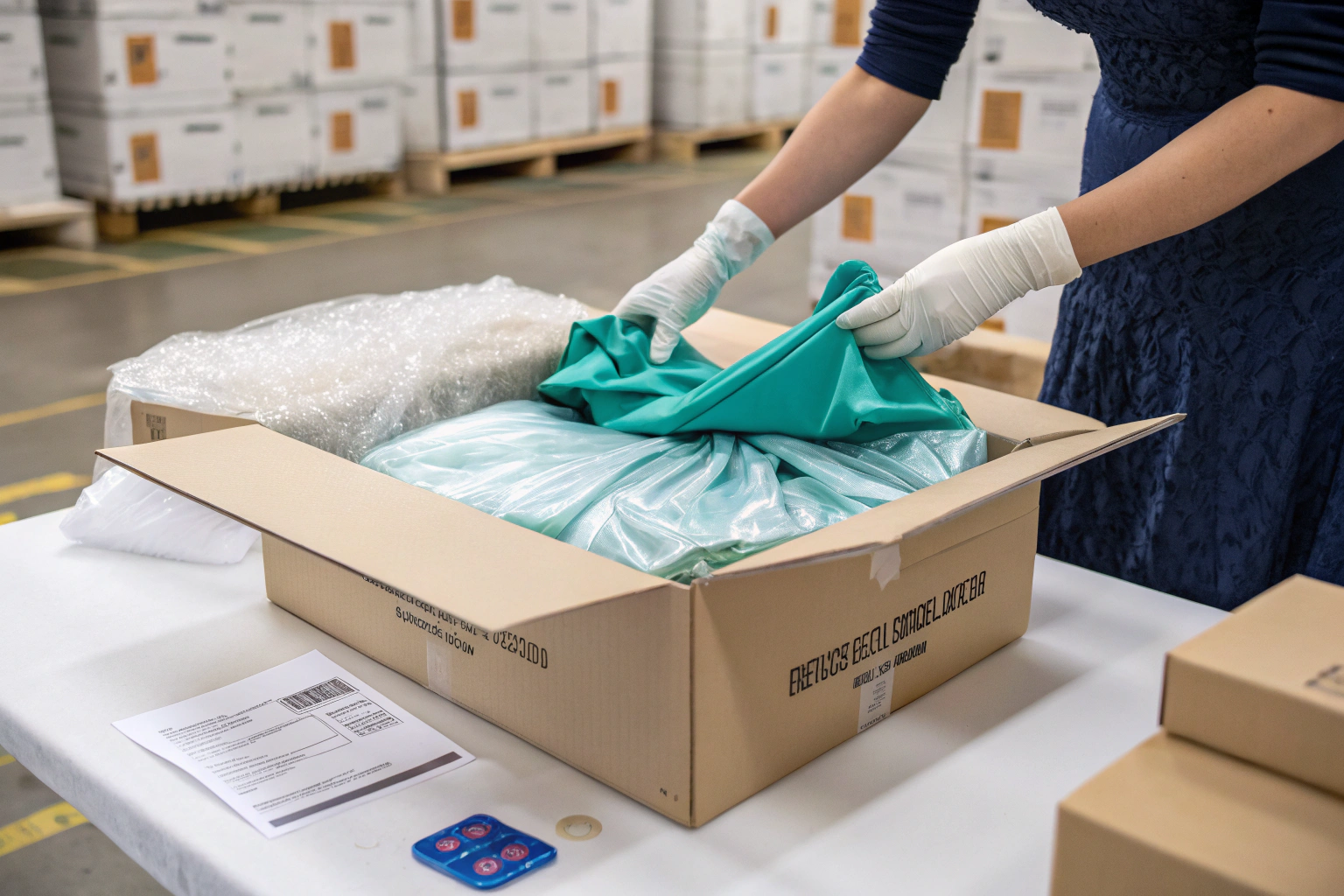
We use hanging desiccant poles that can absorb liters of water vapor, not just grams. We also seal every shipping carton’s seams with clear packing tape. This is not about security; it is about creating a vapor barrier. If the container does sweat, the water beads up and rolls off the tape without touching the fiberboard. For high-risk products like silk or rayon, we go further and pack each garment inside a polybag with a small food-grade oxygen absorber. This stops oxidation yellowing and mold growth entirely during the transit window. We learned these tricks from shipping archival clothing for museum exhibitions; we apply the same care to your commercial bulk stock.
What Is Container Rain and How Can I Prevent It?
You open the container doors at the destination warehouse and see water dripping from the roof. The tops of your cartons are soaked. You assume there must be a hole in the roof. But the roof is intact. The water came from the air inside the sealed box. This phenomenon, called container rain, forms when the dew point is reached inside a closed container.
We stop it with two tools. First, we calculate the dew point risk based on your route. A winter shipment from Ningbo to Vancouver, landing in freezing weather, is actually a high-risk run. We install a specific number of desiccants based on this route calculation. Second, we apply an anti-condensation coating to the ceiling of containers used for sensitive goods. This is a thick, absorbent felt-like material that traps moisture droplets before they grow heavy enough to fall. We also tape over all the small ventilation holes on the container during the sea voyage to stop the humid sea air from pumping in as the ship moves. The container seal remains intact and the internal climate is locked.
What Kind of Packaging Beats High Humidity?
Standard Chinese export cartons are often single-wall and have holes. They are cheap and light, but they collapse in humidity. If the carton goes soft, a stack of six will crush the bottom box, and the clothes inside will wrinkle under the pressure, even if they don’t get wet. You lose the crisp fold, and the garment looks used.
We specify the exact board quality before a single box is made. For sea freight, we mandate a minimum double-wall corrugated board with a Mullen burst strength rating of at least 200 PSI. We also require the factory to use a water-resistant adhesive between the flutes. A normal carton falls apart when it hits 80% humidity because the glue is starch-based and dissolves. Our specified glue is a weather-resistant variant. We also place a humidity indicator card inside a few random cartons per pallet. When you receive the goods, you can see the blue spot on the card. If it had turned pink during the trip, we know there was a breach, even if no water is visible. This lets us instantly pinpoint a problem and file an insurance claim with documented evidence.
How Does Correct Palletizing Stop Crush Damage in Transshipment?
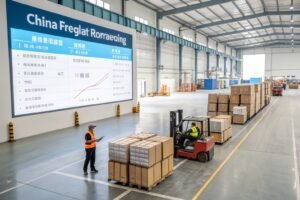
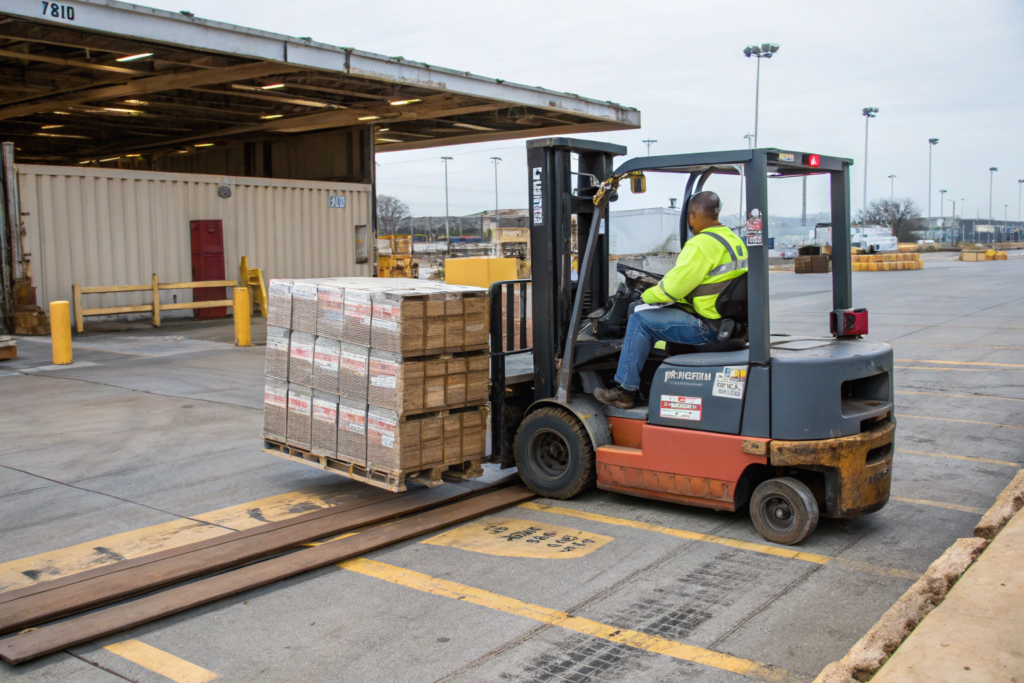
The container arrived at the cross-dock in Memphis, and the forklift driver spears the pallet with his forks to move it. The pallet has a weak top board and no edge protectors, so the forks punch right into the side of your cartons and tear a hole through your party dresses. This happens every day in every logistics hub in America.
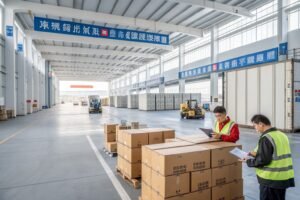
We stop crush damage by building pallet loads that resist both top-weight compression and side-impact puncture. We use a "brick-stacking" pattern, and we always place a heavy-duty edge board on every vertical corner. Then, the whole pallet is wrapped in 70-gauge stretch film, applied by a machine, not by hand. This creates a single, solid block that moves as one unit without shifting or tearing.
You have to understand that your cargo is not handled gently. A container can be lifted on a crane at a 30-degree angle during a transshipment in Busan. If your cartons are just stacked loosely inside, they will slide and crash against the wall. The damage at the bottom of the pile comes from the continuous bouncing vibration of the truck suspension on Interstate 15. It is a low-frequency grinder that slowly tears the fibers of the carton apart.
When our team builds the pallet, we use a column stack for matching boxes and an interlocking stack for different sizes. We never leave an overhang where a box hangs over the edge of the pallet; that creates a leverage point that shears the box off. We also strap the first layer of boxes directly to the pallet with tight polyester strapping. This stops the boxes from "walking" off the pallet during vibration. For very heavy winter coats, we use triple-wall corner posts that can bear 2,000 kg of top weight. These posts transfer the weight of the upper pallet to the pallet frame, not onto your products. This is how we ensure the clothes inside keep their shape and don’t have permanent fold creases.
Why Does Your Palletizing Pattern Matter for Safety?
A factory worker stacks your round hat boxes in a straight column and wraps them with one layer of thin film. The pallet travels by train from LA to Chicago. During a hard shunting impact in the rail yard, the pallet tilts, the hat boxes "telescope" out of the middle, and they end up crushed against the container wall. The problem was not the train; it was the balance and the stacking pattern.
We rely on the interlocking pattern for round or unstable loads. This means the seam between two boxes on the bottom layer is covered by a single box on the top layer. This creates a bonding effect. We also always use anti-slip rubber sheets between the layers of poly-bagged garments that are slick. A sheet of recycled rubber paper between two layers of plastic-wrapped coats keeps the friction so high that they physically cannot slide. We test the stability by lifting one corner of the wrapped pallet at a 20-degree angle with a forklift. If the pallet creaks and holds its shape, it passes the test and is ready for the export leg.
How Does Container Loading Density Prevent Snagging?
You have a mixed load: loose cardboard boxes of scarves, hanging garments on a metal rack, and rolled carpets. If you just close the door, the hanging rack will slide and snag the scarves as the ship rocks. Every little snag ruins a piece of clothing.
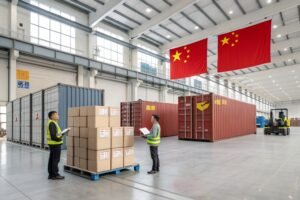
We create a "tight-stow" block. We fill every gap. We use air bags (dunnage bags) in any void wider than 20 centimeters. These bags are inflated after the container is loaded, pressing firmly against the side walls, so nothing can start to move. For the hanging garment section, we double-lash the hangers to the metal bar with zip ties to prevent them from jumping off the bar during a bump. We also cover the hanging garments with a long, clear plastic dust cover that acts as a lubricant. If the rack sways, the plastic slides against the box wall, not the wool fabric of your coats. This eliminates friction burns and snags completely. We always take photos of the completed load, including the inflated airbags, and send them to you. You see that the job is done right before the door is sealed.
How Do You Handle High-End Delicate Garments Like Silk and Cashmere?
You sourced a beautiful collection of pure silk slip dresses. You need them to arrive looking exactly like they did on the sewing table. You have a photo shoot in three days. If they arrive with deep fold creases or black marks from dirty plastic, you will miss your publishing deadline. This type of cargo cannot be treated like a bag of standard t-shirts; it needs concierge-level handling.
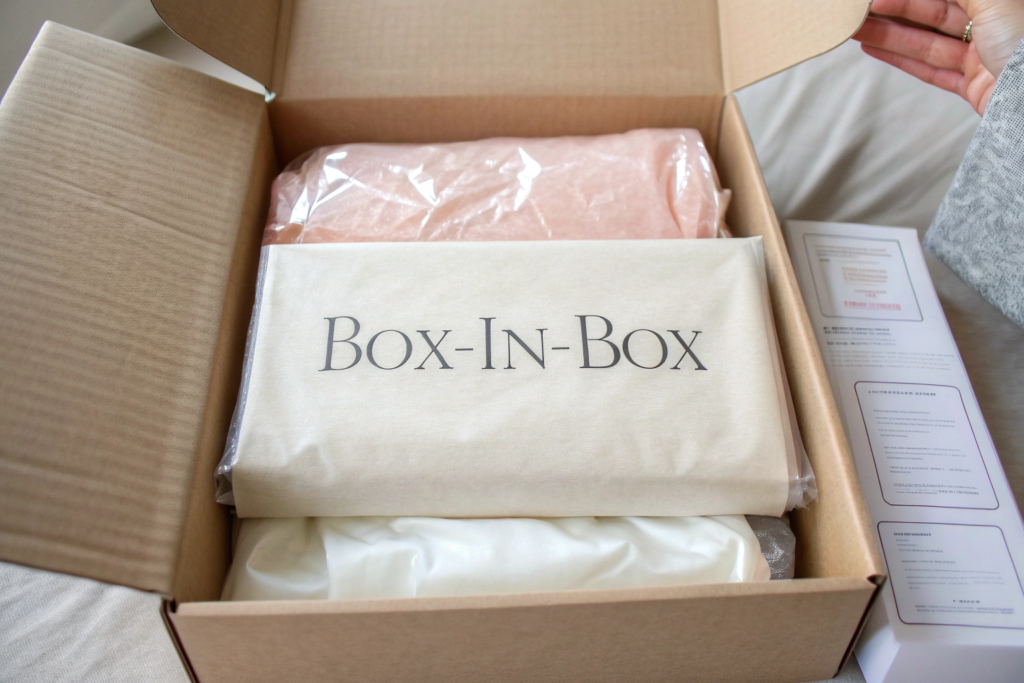
We ship silk and cashmere using a "box-in-box" method with acid-free tissue paper. We understand that luxury fabric reacts chemically with standard shipping materials. Standard polybags contain plasticizers that can react with silk fibers and cause yellow staining over time. We only use virgin, non-recycled polyethylene bags for these garments. We also require that the factory folds each piece with soft, unbuffered tissue paper to prevent permanent set-in wrinkles.
I learned a hard lesson about cashmere years ago with a shipment to Vancouver. The factory had packed the sweaters in tight bundles to save space in the carton. We loaded the container, and it sat in a hot terminal in Shenzhen for five days before the vessel departure. The heat inside the container, combined with the compression, caused the cashmere fibers to "flatten" permanently. The sweaters lost their loft and fluffiness. They looked like old, worn-out clothes. We had to file a claim on that one and learned to never compress natural animal fibers tightly in a hot environment.
Now, we treat the packing instructions for premium fabrics as strictly as the quality control for the product itself. We specify the exact folding width so the crease falls in the same spot for every piece. We use a flat-pack method that stacks the items with tissue layers, similar to how a luxury retail store stores its backstock. For very high-end items, we also pre-ship a test box. We pack one carton, fly it to the US, and check the condition. If the fabric has scuffed or the fold has set, we adjust the folding method and inner packaging material before we ship the 1,000-unit bulk order. This step costs a small amount of extra time but has saved our clients from losing six-figure wholesale accounts.
Why Does Paper Quality Matter for Luxury Garment Transport?
You might think any paper will do. But standard Kraft paper is made from wood pulp that contains lignin, an acidic compound. Over time, as the temperature fluctuates in a container, the acid can migrate from the paper into the fabric. It leaves a faint brown stain on a white silk blouse. This is a chemical burn that cannot be washed out.
We use acid-free tissue that has a neutral pH of 7.0. For white and pastel-colored silk, we even use buffered tissue that has a slight alkaline reserve to neutralize any atmospheric acidity. We also strictly forbid direct contact between the garment and raw cardboard. Cardboard is also acidic. So, we ask the factory to line the whole inner box with a sheet of acid-free tissue paper before placing the folded pieces inside. This creates a protective cocoon. The tissue also acts as a slip layer that stops two silk pieces from rubbing together and creating a friction shine mark. This attention to detail is what separates a professional cargo handler from a simple delivery driver.
How Does a Snag-Proof Container Prevent Damage?
A container has sharp metal tie-down hooks on the floor rails and rough wooden baseboards with splinters. If a loose thread from a knitted sweater catches on a splinter as the box is slid in, the whole sleeve can unravel during the trucking vibration. It is a freak accident that turns a $500 sweater into trash.
We sweep and inspect every container floor before loading. We use a magnetic wand to pick up any stray nails or metal shavings that could puncture a box. We then line the lower walls with a thin sheet of corrugated plastic (Coroplast) up to the height of the first tier. This creates a smooth white wall. Boxes slide against plastic, not rough plywood. For hanging garments, we also check the rail. The metal rod inside the container must be smooth. If it has any rust or sharp ridges, we sand it down and tape it over with fabric gaffer tape. Snag-proofing is a physical task that takes a person 15 minutes to complete, but it prevents thousands of dollars in textile damage on a single journey.
How Does Proper Labeling and Handling Markings Reduce Rough Treatment?
Your box clearly says "Fragile" and "This Side Up," but the UPS driver still tosses it over the fence. You feel helpless. For palletized freight, the same thing happens at transload facilities. If the labels are generic and small, the forklift drivers do not see them, and the message is meaningless to them anyway because every box says "Fragile."
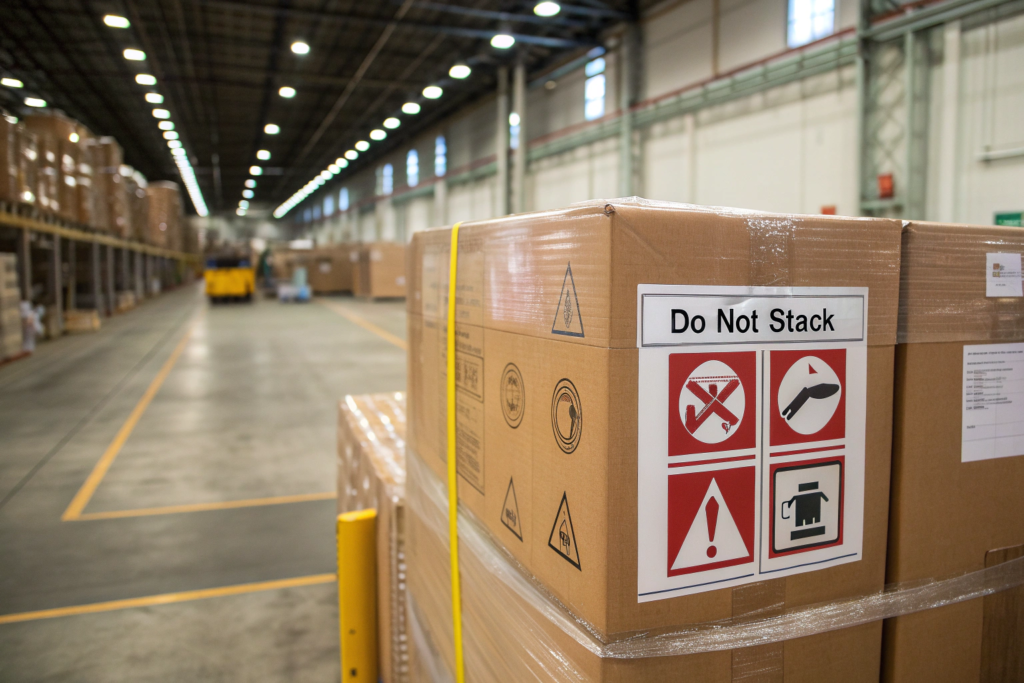
We use large, pictorial handling labels that are universally understood. We also use tamper-evident stickers and a "Do Not Stack" visual warning on specific cartons. But more importantly, we place the labels in the exact spots where a warehouse worker’s eyes naturally look: the top corners of the box face and the center of the stretch wrap. We don’t just rely on the factory to slap them on randomly.
You have to design the communication for an environment where workers are moving fast and may not read English. A graphic of an umbrella with rain drops is better than the word "Keep Dry." A picture of two boxes with a cross between them is stronger than "Do Not Double Stack." We use a standard set of ISO handling symbols that are at least 15cm in size and printed in black on a white background for high contrast. We also use a big red sticker that says "Do Not Break Stretch Wrap." If the wrap is broken, moisture and dirt get in. We found that by adding just that sticker, the number of loads arriving with punctured wrap dropped significantly because it makes the handler stop and think before spearing the pallet with a fork.
We also train the factory loading staff. We do a video call with the packing line and show them the exact placement for the carton labels. If the label is placed over a box seam, the seam will split and the label will tear, leaving no handling instructions at all. The small details of placement matter as much as the label itself. We want the receiver in the US to see an intact, pristine box, which signals quality and care before they even open it.
How Do Tilt and Shock Indicators Help My Claim?
You suspect the container was tipped over during offloading in the transshipment port, but there is no visible damage to the box on the outside. You open it and find all the hangers bunched up and the clothes in a pile. Without evidence, the shipping line will deny your claim and say it was "improper loading" on your part.
We place tip-and-tell indicators on the outside of the container door and on the inside of the master carton for high-value goods. If the container tilts beyond 80 degrees, the indicator turns irreversibly red. If the carton receives a shock over 25G, the impact indicator turns red. When the container arrives, you check the indicator. If it is red, you note it on the delivery receipt immediately before the truck driver leaves. This turns a subjective argument into an objective fact. The ocean carrier cannot argue with the activated indicator. It makes the claim settlement process five times faster because the evidence is right there on the box. We include these indicators on all shipments of fragile luxury apparel as a standard part of our service.
Why Is a Correct Packing List My Best Defense?
The container arrives at the cross-dock and a scanner reads the barcode. If the packing list just says "garments," the warehouse management system assigns a generic handling code. The box gets put in a stack with engine parts and gets crushed. But if the packing list says "Silk Blouse, Hang-Up, Do Not Fold," the system can flag it for special handling.
We load the packing list data with precise handling codes. We use the EDI system to send messages to the US warehouse operator before the truck arrives. We include a line-item code that tells them exactly how many cartons require immediate de-vanning into a climate-controlled area versus standard storage. This data is linked to the SSCC-18 serial shipping container code on the pallet label. When the forklift scans the pallet, the screen tells them "Sensitive Apparel – Store Indoors Immediately." This prevents the pallet from being left outside in the sun or rain during a busy shift change. The physical protection we apply at origin works only if the digital instruction also reaches the destination floor.
Conclusion
Getting your apparel from China to the USA without a single broken thread is not about luck. It is about sweating the tiny physics of carton strength, moisture dew points, and vibration friction. A crushed box is a visible failure, but a musty odor or a set-in fold crease is the invisible profit killer that shows up only when the customer opens the package.
Our job at GeeseCargo is to think through every stage of the physical journey. From the acidity of the tissue paper touching your silk to the G-force sticker on the carton wall, we build layers of protection that absorb the bumps and block the water. We don’t just load a container; we engineer a protective travel system for your textile inventory.
Every garment you ship represents your brand’s promise of quality. You want your customer to smell the fresh fabric and see the sharp fold, not the diesel of a truck stop or the wrinkles of a crushed box. I am obsessed with these details because I know that a return due to freight damage is the most avoidable loss in your supply chain.
If you’re moving large volumes of clothing and demand a logistics partner who treats your cargo with the same care you put into designing it, then let’s set up a call. Visit us at GeeseCargo.com and share your packing specifications with me. I will personally recommend a damage-prevention protocol for your specific product line.