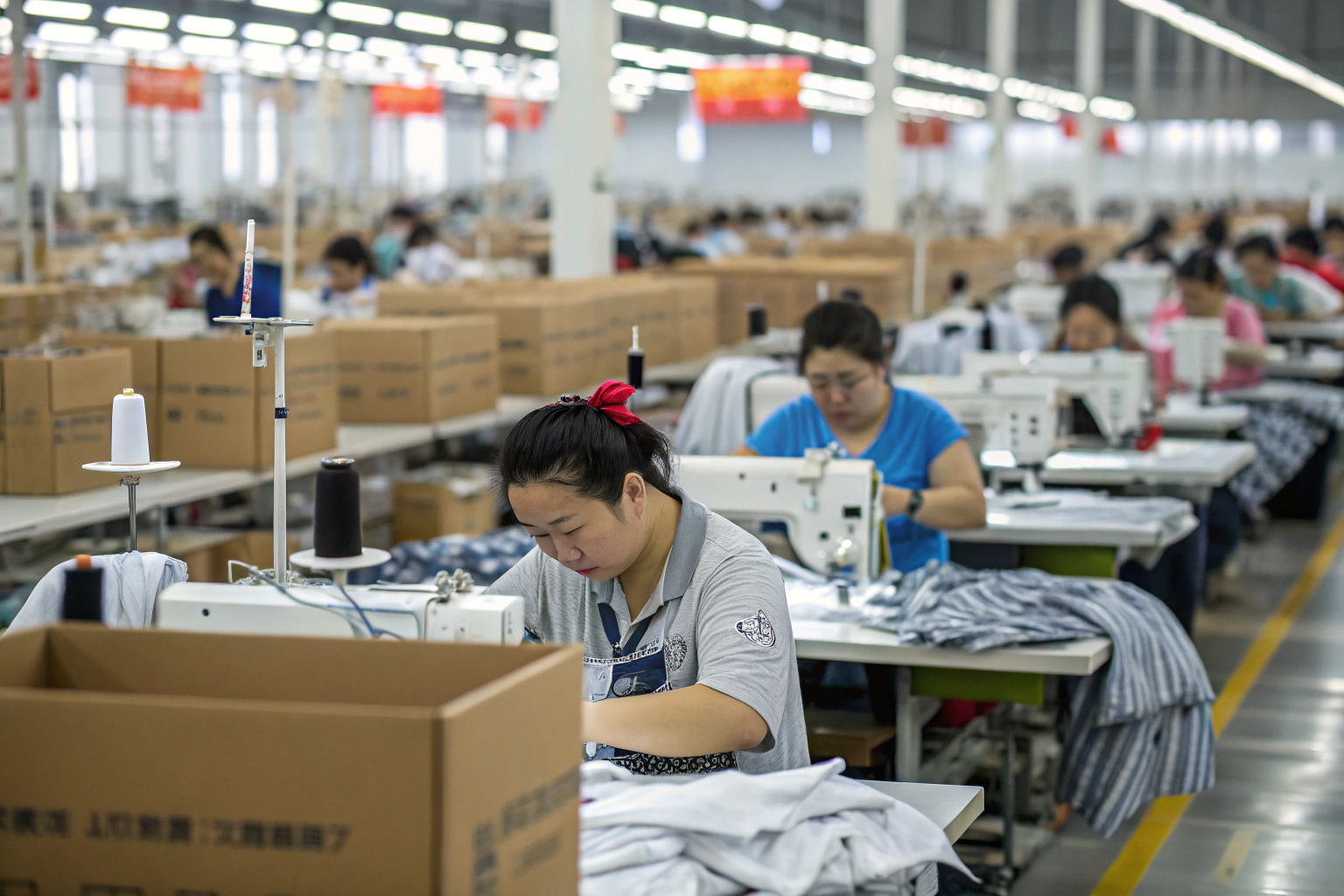
You’ve found the perfect factory in China. The samples look incredible. The price point works. But the moment you place the purchase order, the anxiety kicks in. Will the goods arrive on time? Will a tariff spike destroy your margin? Will a port strike freeze your inventory on the docks? You’ve built a brand based on quality and trust, but a fragile supply chain makes you look unreliable. One late shipment and your retail buyer starts looking at your competitors.
GeeseCargo helps you build a resilient supply chain by diversifying your transport modes across ocean, air, and rail, locking in transparent DDP pricing to eliminate financial surprises, and providing real-time visibility from the factory floor to your warehouse door. We turn logistics from your biggest vulnerability into your strongest competitive advantage.
You didn’t start your clothing, accessories, or giftware business to become a logistics expert. You started it to create products people love. I understand that completely. Over the years, I’ve watched too many talented importers get crushed not by bad products, but by bad supply chain planning. A resilient chain isn’t just about moving boxes. It’s about keeping your promises to your customers. Let me show you exactly how we weave that strength into every link of your import process.
Why Does Supply Chain Visibility Matter More Than Speed for US Importers?
Speed is worthless without control. You can airfreight a shipment in three days, but if you don’t know it’s stuck in customs until day four, what did the speed achieve? Visibility means you know where your cargo is, what condition it’s in, and when it will arrive. This knowledge lets you manage your warehouse, your sales team, and your customer expectations with precision.
We prioritize visibility over empty speed promises. Our tracking platform integrates directly with Chinese port systems, carrier satellite data, and US customs clearance nodes. You don’t just see a dot on a map. You see a precise delivery window that you can plan your business around.
I had a client who sold seasonal gift baskets. He used to call me in a panic every November. His goods were "somewhere on the water." Now, he logs into our portal. He sees his container cleared customs in LA. He tells his warehouse crew exactly when to show up. No overtime waste. No missed retail slots. Visibility transforms logistics from a mystery into a manageable business function.

How Does Real-Time Inventory-in-Transit Data Reduce Warehouse Bottlenecks?
Your warehouse team needs to plan labor hours, shelf space, and outgoing shipments. If a container arrives unannounced, chaos erupts. If it’s late without warning, workers stand idle. You lose money either way.
Our system provides granular inventory-in-transit data. You know the SKU-level breakdown inside the container before it docks. You know the exact pallet count. You can pre-print labels and pre-assign storage locations. When the truck backs into the dock, the receiving process takes minutes, not hours. This logistics efficiency ripples through your entire operation. Your warehouse becomes a profit center, not a cost sink.
Can Predictive ETA Technology Actually Prevent Stockouts on Best-Sellers?
A stockout on a best-selling clothing item is a revenue disaster. You lose not just today’s sale, but potentially a customer to a competitor forever. Predictive ETA technology analyzes vessel speed, port congestion, and weather patterns to forecast arrival with high accuracy.
We feed this data into your inventory management system. If a delay is predicted, you can ration stock, shift to air freight for top-ups, or communicate honestly with wholesale buyers. You stop being reactive. You become proactive. This supply chain visibility isn’t a luxury feature. It’s the foundation of modern retail execution.
How Can Multi-Modal Freight Strategies Hedge Against Ocean Freight Disruption?
Putting all your cargo on one ship is a gamble. The ocean is unpredictable. Blank sailings, port strikes, or a canal blockage can halt your entire inventory flow. A resilient supply chain uses multiple transport modes simultaneously. This isn’t about choosing the cheapest option every time. It’s about choosing the smartest mix to hit your deadlines and protect your margins.
We design multi-modal freight strategies that split your inventory across ocean, rail, and air based on urgency and value. Fast-moving best-sellers fly. Core replenishment sails. Time-sensitive launches ride the rail. You never bet your entire season on a single vessel.
I remember a client who imported fashion accessories. We shipped 70% of her order by sea and 30% by air. The air cargo arrived in three days, tested the market, and generated immediate cash flow. The sea cargo arrived four weeks later with full inventory depth. By the time the bulk landed, the trend was proven, and she had zero markdown risk. That hybrid approach is what resilience looks like in practice.
When Should You Combine Rail Freight with Ocean to Beat Port Congestion?
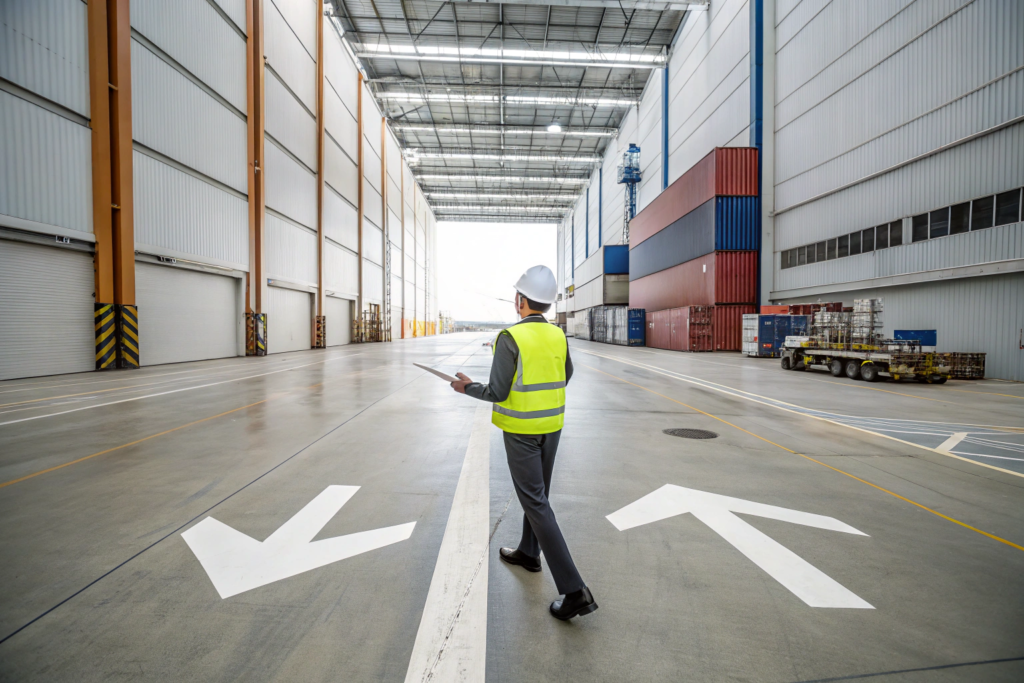
US West Coast ports are unpredictable. Labor negotiations, chassis shortages, and vessel bunching create periodic gridlock. When we see congestion building, we pivot.
We discharge cargo at a Canadian or Mexican port and rail it into the US interior. Or we use the China-Europe rail bridge and transship across the Atlantic for East Coast deliveries. This rail freight combination bypasses the clog entirely. It adds a few days to the schedule but removes the risk of a two-week port delay. Predictable delivery beats theoretical speed every time.
Is Air Freight a Viable Regular Channel, Not Just an Emergency Escape?
Most importers treat air freight as a panic button. They use it only when a sea shipment fails. This is expensive and stressful. A resilient chain uses air freight strategically.
If you have a high-value, low-volume product like premium gifts, air freight should be your baseline, not your backup. The unit cost is higher, but you eliminate weeks of inventory holding cost, reduce warehousing needs, and respond instantly to demand spikes. We help you run the total landed cost math. Often, air freight is the smarter financial choice for the top 20% of your SKUs.
How Can Strategic Port Diversification Shield You from Localized Shocks?
Loyalty to one port is a liability. If your entire supply chain funnels through Los Angeles, a single labor dispute or natural disaster freezes your business. Port diversification means splitting your import volume across multiple entry points. This isn’t complicated. It’s basic risk management that most importers ignore until it’s too late.
We architect a diversified port strategy that spreads your cargo across West Coast, East Coast, and Gulf Coast gateways. We match each shipment to the optimal port based on current congestion levels, inland transportation costs, and your warehouse location. No single point of failure can halt your inventory flow.
I’ve seen this save businesses. When a major West Coast port had a crane collapse, our clients didn’t flinch. Their cargo was already routed through a secondary port. Their competitors waited three weeks for operations to resume. Diversification isn’t just about avoiding disaster. It’s about maintaining sales momentum when your competitors stall.
How Does the "Four Corners" Port Strategy Work for National Distribution?
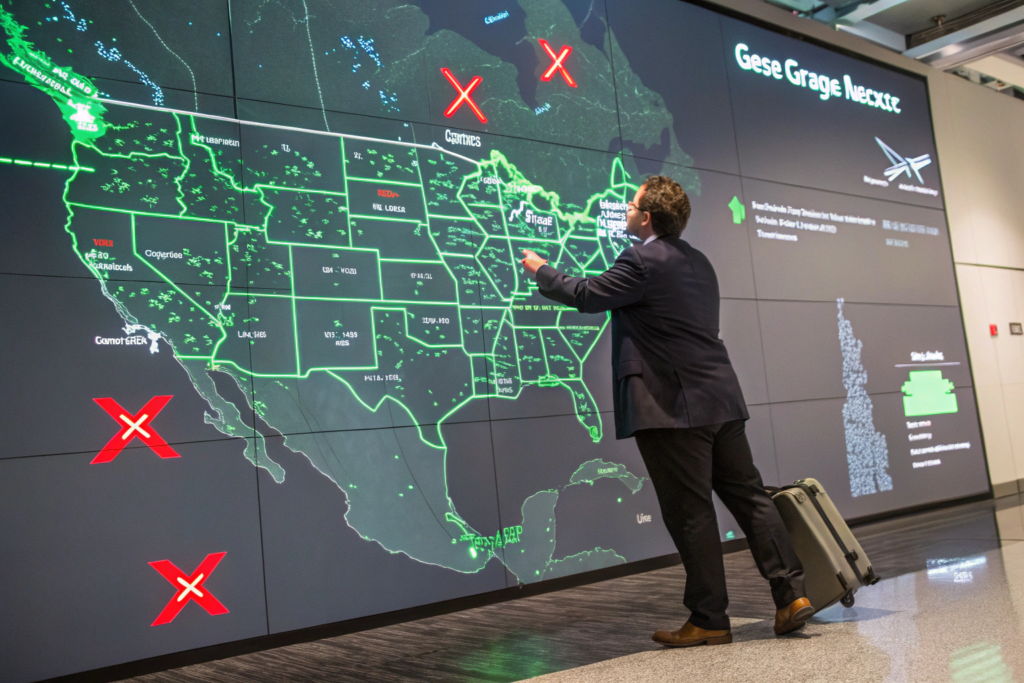
If you distribute clothing or gifts nationwide, shipping everything through LA and trucking east is inefficient. The "Four Corners" strategy uses ports in the Northwest, Southwest, Southeast, and Northeast.
Your Midwest-bound inventory enters through Houston or New Orleans. Your Northeast inventory enters through New York or Norfolk. This slashes inland trucking costs and reduces delivery time to regional warehouses. We analyze your customer density map and design an entry strategy that minimizes both transportation spend and transit days. A freight forwarder who only books the cheapest ocean rate ignores this optimization. We prioritize it.
Can Gulf Coast and East Coast Ports Handle the Volume Shift from the West?
Absolutely. The ports of Houston, Savannah, and New York have invested heavily in infrastructure. They actively court cargo diverted from congested West Coast gateways. The capacity exists. The challenge is the shift in mindset.
You need a logistics partner with operational presence at these alternative ports. We have relationships with terminal operators and trucking networks across all major US gateways. When we reroute your cargo to Savannah, the service level doesn’t drop. The truck is there. The customs broker is pre-filed. The delivery window holds. This consistency across all entry points is what makes diversification viable, not just theoretical.
How Does DDP Service Create Financial Predictability in a Volatile Trade Environment?
Trade policy shifts without warning. A new tariff on apparel accessories. A security surcharge on all containers. An anti-dumping investigation on giftware. These variables make financial planning impossible for an importer. You can’t price your products confidently if your landed cost moves every month.
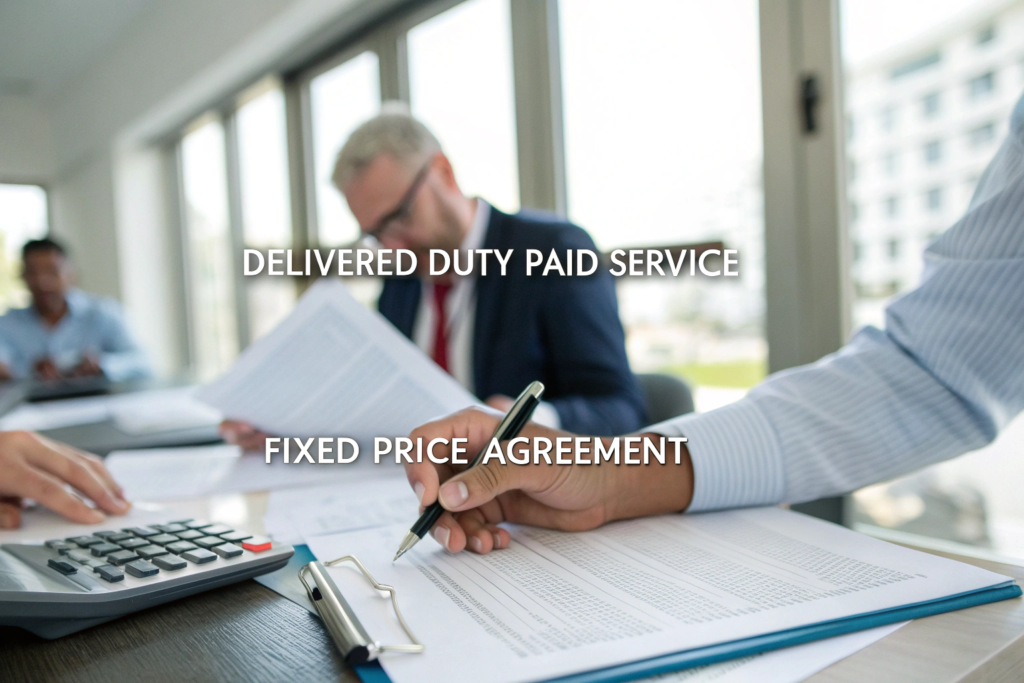
Our Delivered Duty Paid service eliminates financial volatility. We quote a single all-inclusive price per unit that covers the product cost, freight, insurance, duties, and final delivery. That price is fixed for the duration of our agreement. Trade policy may shift, but your margin doesn’t.
This is the ultimate peace offering I give my clients. One of them, a mid-sized clothing brand owner, told me our DDP fixed pricing was the first time in five years he slept through a tariff announcement cycle. He knew his cost. He knew his profit. The political noise became irrelevant to his bottom line. That’s the power of shifting the financial risk to a partner who manages it professionally.
How Does Transferring the Importer of Record Role Reduce Your Compliance Burden?
As the Importer of Record under standard terms, you are legally responsible for everything. Customs entries. Duty payments. Regulatory compliance. One mistake triggers penalties. One audit consumes months of your time.
When GeeseCargo serves as the Importer of Record under our DDP service, we absorb that liability. We hold the customs bond. We answer the CBP inquiries. We maintain the compliance documentation for forced labor prevention and product safety. Your only responsibility is to provide accurate product information. We handle the legal interface with the government. This customs clearance support frees you to focus on product development and sales.
Can a Fixed Landed Cost Model Support Long-Term Retail Pricing Strategies?
Retailers demand stable wholesale pricing. If your landed cost fluctuates 15% due to freight volatility, you either squeeze your margin or lose the shelf space. A fixed landed cost model, powered by DDP, lets you sign annual retail contracts with confidence.
You know exactly what each unit costs delivered to the distribution center. You build your wholesale and retail pricing on a stable foundation. If freight costs rise, we eat it. If duties shift, we manage it. Your retailer sees a reliable supplier. You see predictable cash flow. This is how small brands become big brands.
How Can Quality Control and Logistics Integration Reduce Total Supply Chain Risk?
A resilient supply chain doesn’t start at the port. It starts on the factory floor. If the product is defective, no amount of fast shipping can save the sale. Integrating quality control with logistics planning means catching problems before the container is sealed. This prevents the nightmare scenario of receiving rejected goods after a 30-day ocean transit.
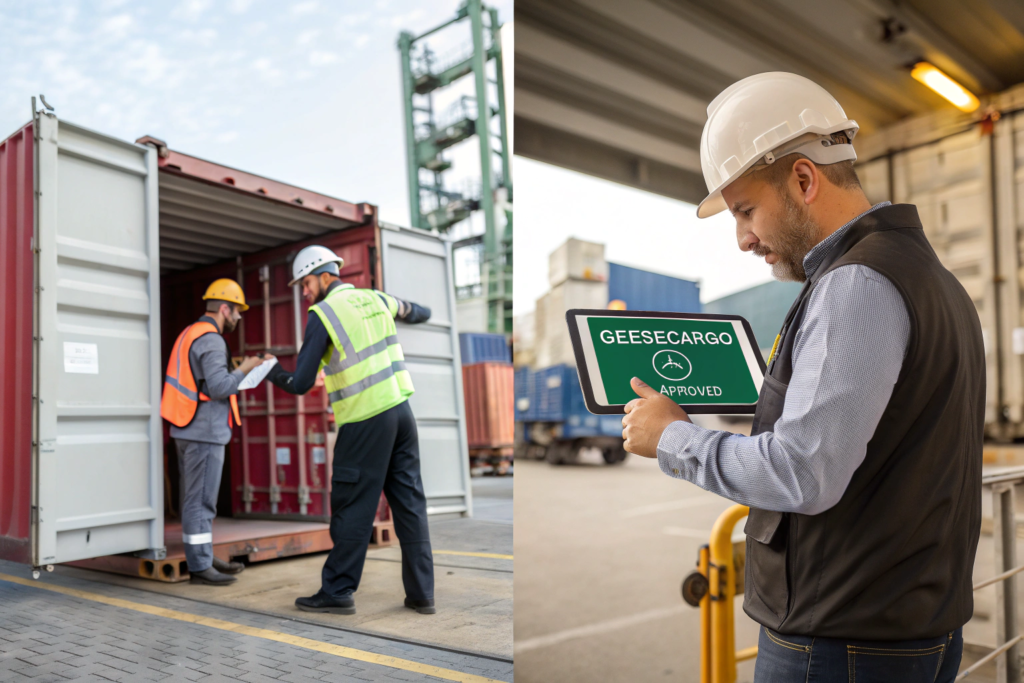
We integrate pre-shipment inspection coordination with our freight booking process. Before we dispatch a container to your factory, we verify that the goods are production-approved. We don’t just move boxes. We help ensure the right boxes get moved.
I’ve stopped shipments at the factory gate when our coordinator spotted a labeling error. The factory fixed it in two hours. If that container had sailed, the entire shipment would have been rejected at US customs or by the retailer. The two-hour delay saved a three-month disaster. This integration mindset separates true supply chain partners from simple transportation vendors.
Why Should Your Freight Forwarder Coordinate with Your Third-Party Inspectors?
Your quality control inspector visits the factory, approves the goods, and files a report. If that report shows issues, but the freight forwarder already picked up the container, you have a crisis. Tight coordination prevents this.
We communicate directly with your appointed inspection companies. We don’t dispatch the truck until we receive the green light from the QC team. This simple process integration eliminates the risk of shipping rejected goods. It’s a basic precaution that most forwarders ignore because they prioritize truck utilization over your product integrity. We prioritize your brand protection.
How Can Origin CFS (Container Freight Station) Services Add a Safety Layer?
Sometimes goods from multiple factories need to be consolidated into one container. Doing this at a chaotic port yard risks damage, loss, and mislabeling. An Origin CFS is a secure warehouse near the port where we manage this consolidation under controlled conditions.
We receive goods from Factory A, B, and C at our CFS. We check quantities. We verify packaging integrity. We build the pallets correctly. Then we load the container methodically. This warehousing and consolidation process adds a critical quality gate before the ocean journey. You know exactly what’s in that box and how it was packed.
Conclusion
Building a resilient supply chain when sourcing from China is not about finding a single magic solution. It’s about weaving multiple layers of protection into every step of the journey. We’ve explored how real-time visibility transforms logistics from a guessing game into a precise management tool, giving you control over warehouse scheduling and stockout prevention. We’ve seen how multi-modal freight strategies and strategic port diversification ensure that no single disruption can halt your business momentum.
We’ve also discussed the financial armor that DDP services provide, shielding your margins from the chaos of trade policy and shifting the compliance burden from your shoulders to ours. And we’ve highlighted how integrating quality control with logistics execution catches problems at the source, not at your customer’s doorstep. Resilience isn’t a buzzword. It’s the result of deliberate planning, deep carrier relationships, and a refusal to cut corners on visibility or compliance.
I built GeeseCargo to be the logistics backbone that ambitious American importers deserve. You focus on designing, marketing, and selling exceptional products. Let us focus on the chain that connects your factory floor to your customer’s hands. Reach out to us today. Let’s audit your current supply chain together and build a resilience plan that makes 2026 your most predictable, profitable year yet.