You approved a gold sample that was flawless. You wired the 30% deposit and waited six weeks for production. The forwarder picked up the goods and shipped them. When you finally opened the carton in your US warehouse, the color was slightly off, the stitching on 20% of the units was loose, and the gift box printing had a ghosting shadow. You now own 2,000 units of sub-standard inventory, and the factory in China has your money. The ship has sailed, literally and figuratively.
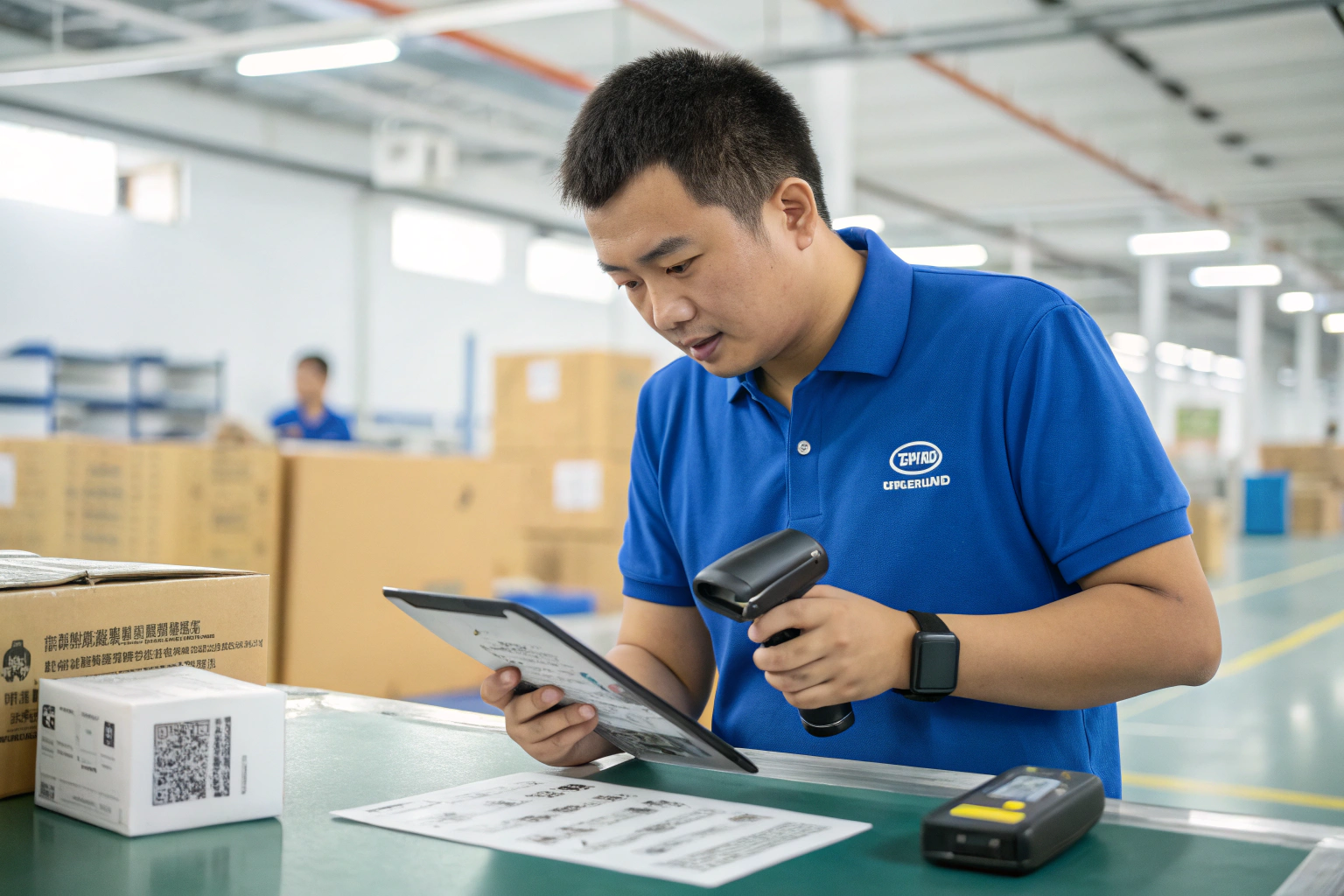
At GeeseCargo, we act as your eyes and hands on the ground in China before the container door ever closes. We perform a structured Pre-Shipment Inspection (PSI) at the factory based on the AQL sampling standard. We check the product quality, the quantity, the packaging, the labeling, and the carton markings against your approved sample and purchase order. If the goods fail the inspection, we stop the shipment. We do not load defective inventory into our containers. You only pay for what passes.
Quality control is not a freight forwarder’s traditional job. But I learned very early that a forwarder who just picks up boxes and says "not my problem" is a forwarder who delivers a disaster to the client’s doorstep. Your freight cost is wasted if the goods inside the box are unsellable. You need a partner who treats the product quality as the first link in the logistics chain. Let me show you exactly how we do it, from the AQL table to the final pallet check.
What Is a Pre-Shipment Inspection and Why Does It Matter?
You trust your factory. They have been "pretty good" in the past. You skip the inspection because it costs $300 and you are in a rush. The container arrives, and you discover the factory used a cheaper, thinner fabric to "save costs." The product is not what you paid for. You cannot sell it. The $300 you saved on inspection just cost you $30,000 in lost inventory.
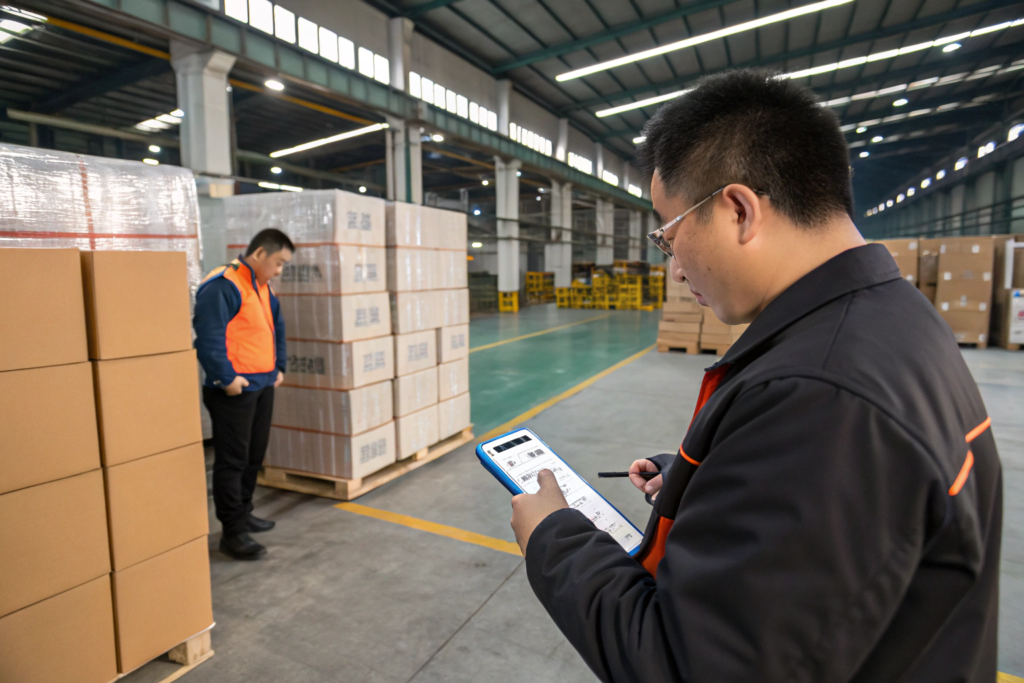
A Pre-Shipment Inspection is a physical check of your goods after 100% of production is finished and at least 80% is packed. An inspector goes to the factory floor, opens a statistically random sample of cartons, and checks the products inside against your specifications. The inspection covers visual appearance, function, dimensions, weight, labeling, and packaging. A passed inspection is your green light to ship. A failed inspection is your right to demand rework before you pay the balance.
I cannot tell you how many times this step has saved our clients from catastrophe. Last year, a client ordered 5,000 stainless steel water bottles with a custom logo laser engraving. The factory finished production and told us the goods were ready. Our inspector arrived and pulled the AQL sample. He found that the laser engraving was misaligned on 40% of the bottles. The factory had rushed the job and didn’t center the logo on the bottle body. The client was about to wire the 70% balance payment. We stopped the payment, sent the inspection report with photos, and the factory was forced to rework the entire batch at their own cost. The shipment was delayed by two weeks, but the client received 5,000 perfect bottles. Without the inspection, he would have received 2,000 unsellable defective bottles, and the factory would have blamed the shipping vibration or the "customer’s unreasonable standards." The inspection is a moment of truth that cannot be skipped.
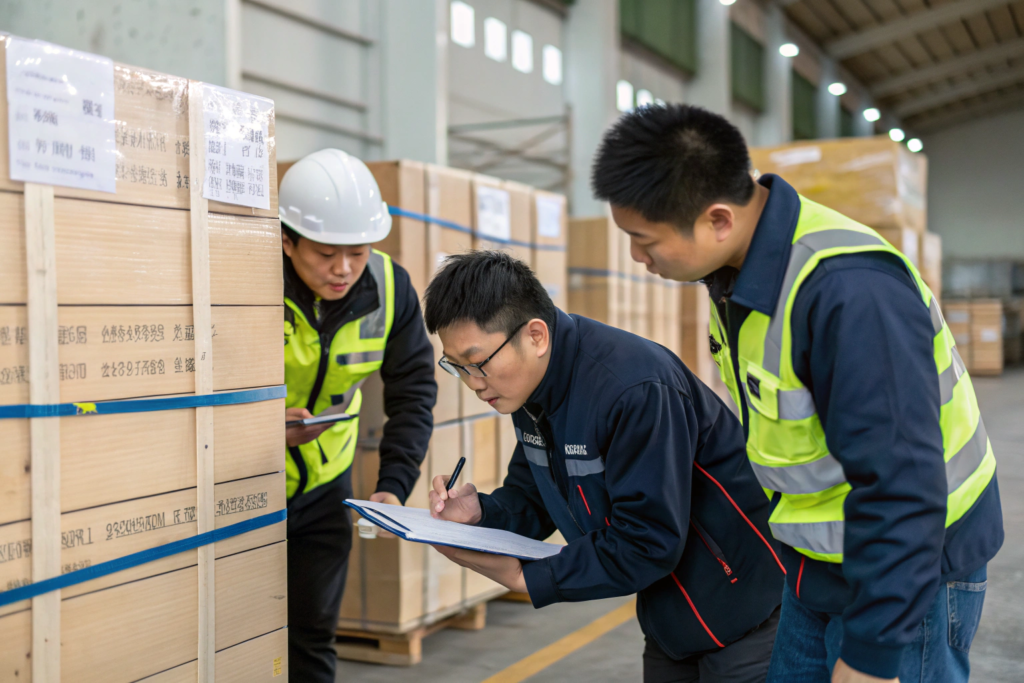
We schedule the inspection when the factory notifies us that production is 100% complete and 80% packed. We do not announce the inspection date a week in advance. We give 24 to 48 hours’ notice so the factory cannot stage a "showroom" batch. Our inspector arrives, introduces himself, and goes straight to the warehouse area. He selects the cartons based on the AQL table, not cartons the factory manager conveniently points to. He opens the cartons, counts the units, and starts the checklist. The factory manager is allowed to watch but not interfere. The inspection report is uploaded to our system in real-time via a mobile app. You see the photos and the pass/fail results on your phone the same day.
What Is the AQL Sampling Standard and How Do We Use It?
You think an inspection means checking every single unit. That is called a 100% inspection, and it is expensive, time-consuming, and unnecessary for consumer goods. The international standard is a statistical sampling method that gives you a reliable picture of the whole batch by checking a small, randomly selected portion.
We use the Acceptable Quality Limit (AQL) standard, specifically ANSI/ASQ Z1.4. For most consumer goods, we use a General Inspection Level II with an AQL of 2.5 for major defects and 4.0 for minor defects. This means that out of a batch of 5,000 units, we inspect 200 units. If we find no more than 10 units with major defects, the batch passes. If we find 11 or more, the batch fails. The math is proven and accepted by courts in international trade disputes. A major defect is something that makes the product unsellable or unsafe: a broken zipper, a missing button, a cracked screen, or a non-functional mechanism. A minor defect is a cosmetic issue that does not prevent use: a small scratch on the underside, a slight color variation within tolerance, or a loose thread that can be trimmed. We define these defect categories with you before the inspection begins. You tell us what is critical, major, and minor for your brand. We build a custom inspection checklist based on your definitions. The factory receives this checklist with the purchase order so there are no surprises later.
How Do We Verify Product Specifications Against Your Approved Sample?
You send a gold sample to the factory. The factory signs off on it. You store the sample in your office. Six months later, you reorder. The factory no longer has the original sample. They produce from memory. The color drifts. The weight changes. You have no objective reference to hold them accountable.
We require the factory to keep a sealed, signed, and dated duplicate of your approved sample. We call this the "sealed reference sample." Before production starts, you and the factory manager both sign a label and attach it to the sample. The sample is placed in a sealed plastic bag. Our inspector brings this sealed sample to every PSI. He compares the production units directly against the reference sample under the same lighting conditions. Color is checked with a Pantone color bridge swatch. Weight is checked with a calibrated digital scale. Dimensions are checked with a digital caliper against the spec sheet. If the production units deviate beyond the agreed tolerance, the inspector notes it as a defect. This is not subjective. It is a physical comparison with an agreed reference standard. The sealed sample is the legal and physical anchor that prevents specification drift over multiple production runs.
How Do We Check Packaging and Labeling Before Export?
The product inside the box is perfect, but the outer retail box is crushed, the barcode is smudged, and the hanging tag is attached to the wrong side of the garment. The customer at the retail store picks up a competitor’s product instead because yours looks damaged and unprofessional. The packaging is the first thing a customer sees. It is part of the product quality.
We inspect the packaging and labeling with the same rigor as the product itself. Our inspector checks the retail box for structural integrity, print quality, and color accuracy. He scans a sample of barcodes with a verifier to ensure they are machine-readable. He checks that the hang tags, care labels, and country of origin markings are correctly placed and contain accurate information. A packaging defect is a product defect. It fails the inspection.
I remember a client who imported a beautiful set of scented candles in a matte black gift box with gold foil stamping. The product was flawless. But during the sea voyage, the matte black boxes rubbed against each other and developed shiny scuff marks. The gift boxes looked used and worn. The client had to sell them at a discount to a closeout store. We traced the issue back to the packaging. The factory had not placed a protective tissue interleaf between the boxes, which was in our packing specification. Our inspector caught this on the next shipment and stopped the loading. The factory added the tissue interleaf, and the problem was solved. The cost of the tissue was $0.02 per box. The cost of the closeout discount was $8 per unit. Packaging quality is not optional.
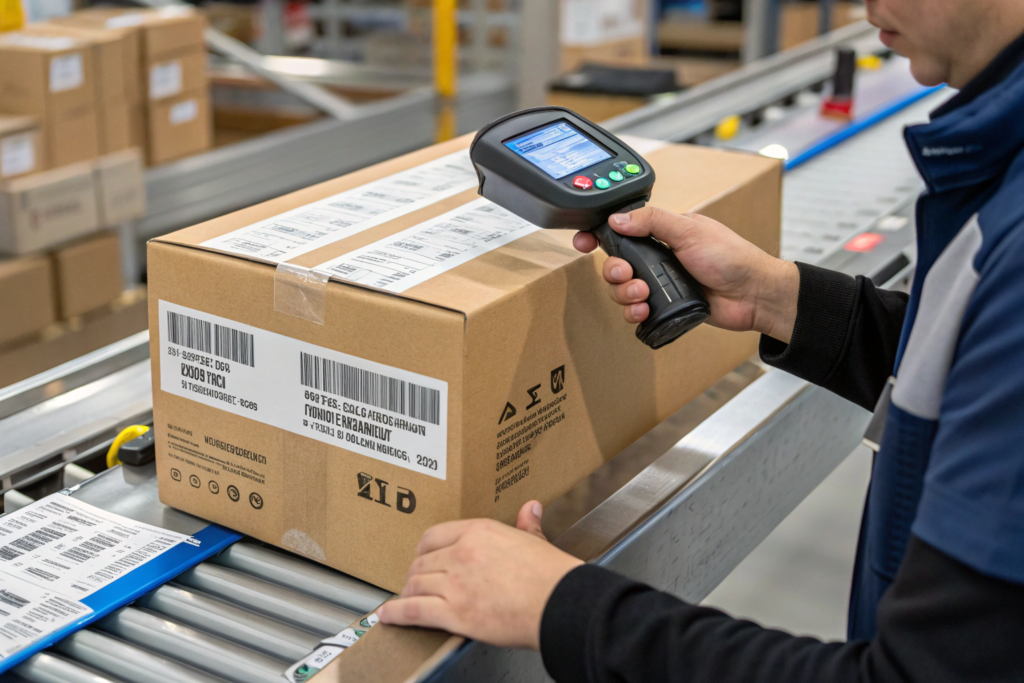
Our packaging inspection checklist covers several key areas. First, the master carton markings. We check that the carton is printed with the correct item number, quantity, gross weight, net weight, dimensions, and handling symbols. Second, the inner retail packaging. We check for print alignment, color matching, glue adhesion, and any surface damage. Third, the barcode verification. We use a handheld barcode verifier that grades the barcode quality from A to F. A grade of C or lower is a failure. Amazon FBA requires a grade of B or higher for shipment labels. We test both the retail barcode and the shipping label barcode. Fourth, the labeling compliance. For textiles, we check the fiber content label and the care instruction label. For electronics, we check the FCC mark and the input voltage label. For children’s products, we check the tracking label and the choking hazard warning. This labeling compliance check is critical because a missing label can result in a customs seizure or a product recall.
How Do We Test Barcodes and Label Readability for Retail and FBA?
You print a barcode on your retail box. It looks fine to the naked eye. But when the Walmart distribution center scanner tries to read it, it beeps an error. The carton is rejected. The retailer issues a chargeback. The barcode printed perfectly on your screen, but the factory’s printer had a misaligned print head and the lines were slightly compressed.
We use a barcode verifier that analyzes the reflectance, the bar width deviation, and the quiet zone margins. The verifier scans the barcode and instantly gives a grade. We require a minimum grade of B for retail barcodes and a grade of A for FBA carton labels. The verifier tests the barcode at multiple angles and distances, simulating how a retail scanner actually reads it. If the barcode fails, we stop the shipment and the factory must reprint the affected cartons. We also check the human-readable text below the barcode. It must match the encoded number. A mismatch is a critical defect. We also check that the barcode is placed on a flat, smooth surface, not over a seam, a fold, or a curved edge. A barcode on a curved surface is often unreadable.
How Do We Verify Country of Origin and Compliance Labeling?
Your product is made of cotton. The factory sews in a label that says "100% Cotton, Made in China." But the fabric was actually a cotton-polyester blend. US Customs does a spot check, tests the fabric, and finds polyester. The label is incorrect. The entire shipment is seized for mislabeling.
We verify the fiber content by checking the factory’s fabric purchase invoice and doing a simple burn test on a sample of the fabric. Cotton burns to ash. Polyester melts into a hard bead. It is a basic field test, but it catches blatant mislabeling. We also check the country of origin label. For goods made in China, the label must say "Made in China" and be permanently affixed to the product, not just on a removable hang tag. For goods assembled from components made in different countries, we verify the country where the last substantial transformation occurred. We cross-check the factory’s declaration against the physical product. If a textile product is cut and sewn in China from Chinese fabric, the origin is clearly China. If the factory claims it is "Made in Vietnam" to avoid Section 301 tariffs but we see Chinese mill markings on the fabric roll, we flag it as a red flag. We will not load the container until the origin is verified and correctly labeled. This protects you from a customs fraud investigation.
How Do We Handle Defective Goods and Factory Disputes?
The inspection report shows a 15% major defect rate. The batch has failed. The factory manager argues with the inspector. He says the defects are "within industry standard." He says you are "too picky." He refuses to rework the goods and demands you pay the balance. You are stuck in a standoff, 10,000 kilometers away, with no leverage.
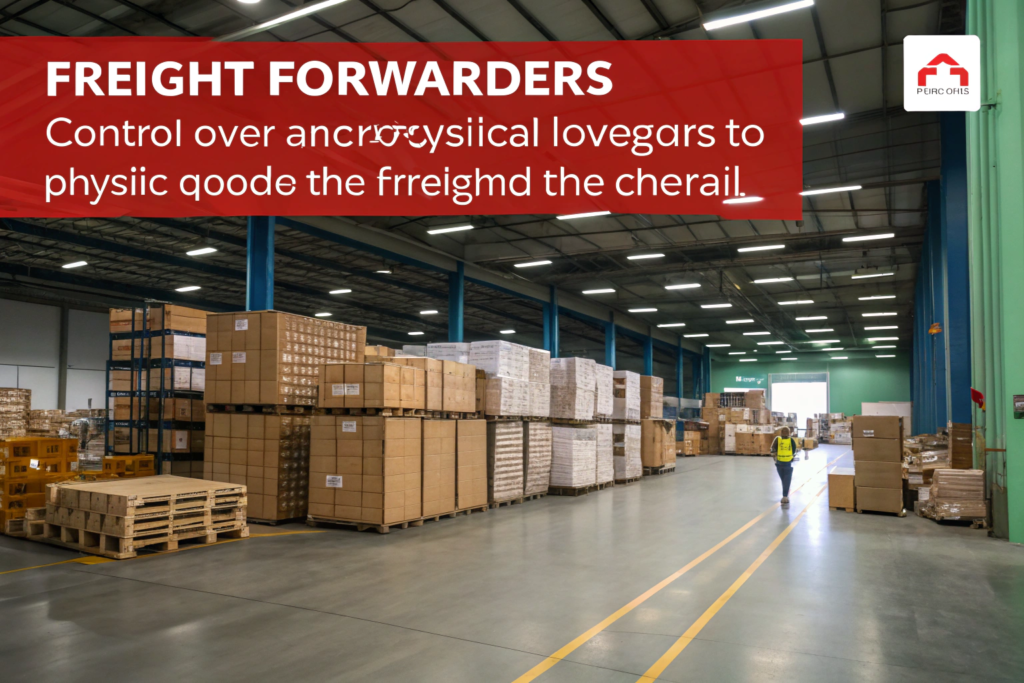
We handle the dispute resolution for you. Our inspection report is a legally binding document with photographic evidence and statistical data. We present the report to the factory owner. We do not negotiate the standard; we negotiate the remedy. The options are rework, replacement, or a price discount. If the factory refuses to cooperate, we hold the goods in our custody at our warehouse until the dispute is resolved. We never ship defective goods just to move the cargo. We protect your financial interest at the point of origin.
This is where our role as a freight forwarder becomes a real business shield for you. The factory knows that we control the physical goods and the shipping. If the factory wants to get paid, they need the goods to ship. If they refuse to fix the defects, the goods sit in our warehouse, not theirs. They have already spent money on materials and labor. They have a warehouse full of your branded goods that they cannot sell to anyone else. The leverage shifts from them to us. We have used this position to successfully negotiate rework on dozens of failed inspections. The factory usually agrees to fix the defects within a week because they know we are serious and we have the physical control.
One case stands out. A client ordered 10,000 units of a plastic kitchen gadget. The inspection found that the plastic had sharp burrs on the mold parting line. A burr is a small piece of sharp plastic that can cut a user’s finger. It is a safety defect. The factory manager argued that "all plastic products have burrs" and that "the customer can just trim them." We rejected that argument. We categorized the burr as a critical safety defect. The AQL for critical defects is zero. One critical defect fails the entire batch. We moved the entire shipment to our warehouse and told the factory the goods would not be loaded until the burrs were removed from every unit. The factory hired 20 temporary workers who manually trimmed the burrs over three days. We re-inspected and passed the batch. The shipment was delayed by one week. The client received 10,000 safe, sellable units. Without that intervention, the client would have faced potential product liability lawsuits from injured customers. The cost of a lawsuit would have dwarfed the cost of the freight.
What Happens When a Factory Refuses to Rework Defective Goods?
You have a deadlock. The factory says the goods are "fine." You say they are defective. The factory demands the balance payment. You refuse. The factory threatens to sell your branded goods to a local liquidator. You feel helpless.
We have a contractual agreement with the factory before we pick up the goods. The agreement states that the goods will be transferred to our custody for export, and the inspection report is the final arbiter of quality. If the factory refuses to rework, we do not release the goods back to them. We hold the goods in our bonded warehouse. We then present the factory with the cost of the raw materials and the labor they wasted. We offer them a choice: rework the goods and get paid the contract amount, or we ship the goods back to their factory and you cancel the order. The factory almost always chooses to rework because they have no alternative buyer for your custom-branded products. If the factory is particularly stubborn, we help you negotiate a price discount. You accept the goods at a reduced price, and you sell them through a discount channel to recover your costs. The key is that the decision is yours, not the factory’s. We provide the physical custody and the inspection evidence that gives you the negotiating power.
How Do You Ensure the Inspection Report Is Accepted as Evidence?
You need the inspection report to be watertight if the dispute escalates to a legal claim or a trade arbitration. A report that says "looks bad" with a blurry photo is useless. The report must be structured, objective, and verifiable.
Our inspection reports follow the standard format used by international third-party inspection companies like SGS and Bureau Veritas. The report includes the date, time, location, inspector name, and witness name. It includes the AQL sample size, the number of defects found, and the defect classification. Every defect is photographed with a close-up shot and a context shot showing which carton it came from. The photo has a timestamp and a caption describing the defect. The report concludes with a clear Pass, Fail, or Pending decision and a summary of the next steps. This report is a legal-quality document. We have had clients submit our inspection reports to resolve Alibaba Trade Assurance disputes and to win chargebacks against factories that refused refunds. The inspection report format we use is based on the ISO 2859 standard for attribute sampling. It is recognized globally. The factory knows that this report will hold up in any dispute resolution process. That knowledge often makes them agree to a remedy without a formal legal fight.
How Do We Inspect Carton and Pallet Quality for the Ocean Journey?
The product is perfect, the packaging is perfect, but the pallet is built with weak stringer boards and the cartons are single-wall. The pallet collapses in the container during a rough sea crossing. The cartons at the bottom are crushed. The goods inside are damaged. All the quality control on the product was undone by bad palletization.
We inspect the carton and pallet quality as the final layer of protection. We check the carton’s board grade, burst strength, and sealing integrity. We check the pallet’s wood quality, the ISPM-15 stamp, and the stacking pattern. We measure the pallet height and check the stretch wrap tension. If the pallet is not built to survive a 30-day ocean voyage and a cross-country truck ride, we rebuild it at our warehouse before loading the container.
The pallet is the foundation of your entire shipment. If the pallet fails, the whole stack falls. I have seen factory pallets built with green, unseasoned wood that was full of moisture. The wood dried out during the ocean voyage, shrank, and the nails loosened. The pallet fell apart when the forklift tried to lift it at the destination warehouse. The entire load tipped over and smashed onto the warehouse floor. That shipment was a 100% loss.
We inspect the pallets before we accept them into our consolidation warehouse. The wood must be dry, with no bark, no visible mold, and no live insects. The nails must be flush and not protruding. The ISPM-15 heat-treatment stamp must be clearly visible on at least two sides of the pallet. If the stamp is missing or illegible, we reject the pallet and transfer the goods to our own certified pallets. We also check the stacking pattern. The cartons must be aligned in columns or interlocked properly. There should be no overhang where a carton hangs off the edge of the pallet. We measure the pallet height. It must be under 72 inches for standard container loading. We check the stretch wrap. It must be a minimum of 70-gauge film, applied with a machine wrap, not a hand wrap. The wrap must cover the top layer to prevent dust and moisture ingress. We do a stability push test. We push the top of the pallet with moderate force. If the load shifts, the pallet fails and must be re-wrapped. This pallet quality inspection takes five minutes per pallet, but it prevents the container collapse that ruins a $50,000 shipment.
Why Is the Carton Burst Strength Test Critical for Your Goods?
The factory shows you a carton. It looks sturdy. You tap it and it feels solid. You approve it. But the carton is made of recycled fiberboard with a low burst strength. When the humidity in the container reaches 90%, the carton absorbs moisture, loses its structural integrity, and collapses. The stack of five cartons above it crashes down.
We perform a burst strength test on a random sample of cartons at our warehouse using a Mullen tester. The tester clamps a piece of the carton board and applies increasing pressure with a rubber diaphragm until the board bursts. The pressure reading in pounds per square inch (PSI) is the burst strength. For ocean freight, we require a minimum of 200 PSI for consumer goods cartons. If the carton tests below 200 PSI, we reject the batch and require the factory to provide cartons made from virgin Kraft linerboard with a higher Mullen rating. We also check the carton’s edge crush test rating using a separate test if the cartons will be stacked high. A carton that collapses in transit crushes your product. The test costs a few dollars per batch, but it saves thousands in cargo damage claims. We do not trust a factory’s word on carton quality; we test it ourselves.
How Do We Protect Against Moisture Damage Inside the Container?
The container leaves the factory in hot, humid Guangzhou. It crosses the cold Pacific Ocean. The temperature inside the container drops. The humidity condenses into liquid water on the ceiling. The water drips down onto your cartons. The cartons absorb the water, soften, and mold grows on your products. This is "container rain," and it is predictable and preventable.
We install container desiccants as a standard step in our loading procedure. We use hanging desiccant poles that attach to the container walls and ceiling. These poles absorb moisture from the air inside the container during the entire voyage. We calculate the required number of desiccants based on the container size, the route, and the sensitivity of the cargo. For a standard 40-foot container on a China-to-Los Angeles route, we typically install 8 to 10 desiccant poles. We also place a humidity indicator card in a visible location inside the container. If the card turns pink at the destination, we know there was a moisture event. We also line the container floor with a waterproof Kraft paper sheet to block moisture wicking up from the wooden floor. These moisture prevention measures add a small cost to the shipment, but they eliminate the mold and mildew damage that leads to a 100% loss of the goods.
Conclusion
Quality control before the goods leave China is your last and best opportunity to fix problems affordably. Once the container is on the water, the cost of fixing a defect multiplies by ten. You pay return shipping, you pay rework labor in the US, you miss your sales window, and you damage your relationship with your retail buyer. An inspection that costs $300 in China saves you $30,000 in the US.
At GeeseCargo, we have integrated this quality control step into our standard shipping process. We do not see it as an optional add-on. We see it as the foundation of a successful shipment. Our inspectors check the product against the sealed sample, verify the packaging and labeling, test the barcodes, audit the carton strength, and inspect the pallet integrity. If the goods pass, they are loaded into a desiccant-protected container and shipped with confidence. If they fail, we stop the shipment, negotiate the remedy, and protect your financial interest.
You deserve to receive exactly what you paid for. You should not have to cross your fingers and hope that the factory did their job correctly. Let us be your quality gatekeepers in China. If you have an order ready for shipment, go to GeeseCargo.com and send me the details. I will schedule a PSI, send you the inspection checklist, and make sure your goods are right before they leave the ground. Ship with certainty, not with hope.