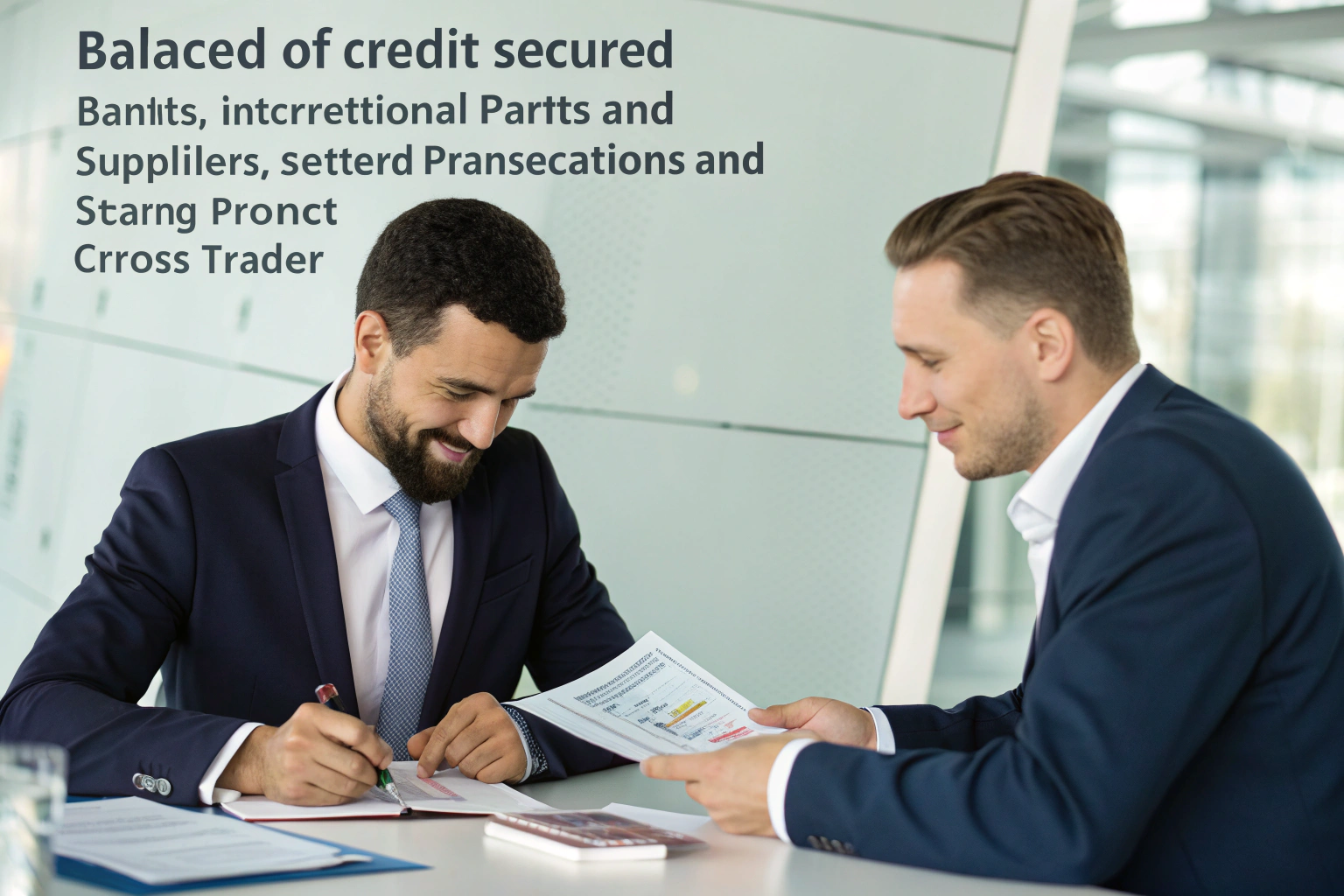
In international trade, where buyers and suppliers may be separated by thousands of miles and different legal systems, the letter of credit stands as one of the most secure payment mechanisms available. Both parties face significant risks—suppliers worry about shipping goods without payment assurance, while buyers fear paying for goods they may never receive. The letter of credit elegantly addresses these mutual concerns through bank intermediation.
A letter of credit protects you (the buyer) by ensuring payment only occurs after your supplier meets all agreed terms documented in shipping and compliance documents. It protects your supplier by providing payment guarantee from your bank once they present documents proving they've shipped goods according to your requirements. This balanced protection makes international trade possible between parties with limited established trust.
Let's examine how letters of credit create this mutual protection, the specific safeguards for each party, and the practical mechanisms that make this centuries-old financial instrument remain relevant in modern global trade.
How does the letter of credit protect you as the buyer?
As an importer, your primary concern is receiving exactly what you ordered in the agreed condition and timeframe. The letter of credit protects your interests through documentary controls that ensure suppliers meet their obligations before you pay.
The protection begins with your ability to specify exact requirements in the letter of credit terms—specific shipment dates, precise product descriptions, required quality certificates, and particular shipping routes. Your bank only releases payment when your supplier presents documents proving complete compliance with these terms. This means you never pay for goods that haven't been shipped according to your specifications. Additionally, the document examination process provides an independent verification layer, as banks meticulously check for discrepancies that might indicate problems with the shipment or compliance.

What specific buyer protections does the letter of credit provide?
Key protective elements for buyers include:
- Payment timing control ensuring funds transfer only after proof of shipment
- Specification enforcement through detailed documentary requirements
- Quality verification via required inspection certificates and quality documents
- Independent validation through bank examination of all documents
- Discrepancy resolution allowing rejection of non-compliant documents
- Legal framework providing clear recourse for documentary fraud
These protections collectively ensure you receive what you paid for according to agreed terms.
How can you structure letter of credit terms for maximum protection?
Strategic term structuring includes:
- Specific shipment windows preventing unreasonably early or late deliveries
- Detailed product descriptions making substitution difficult
- Third-party inspections requiring independent verification of quality and quantity
- Shipping route specifications preventing undesirable transshipment points
- Document expiry dates ensuring timely presentation and shipment
- Partial shipment controls preventing unauthorized split shipments
Well-structured terms create comprehensive protection while remaining commercially reasonable.
How does the letter of credit protect your supplier?
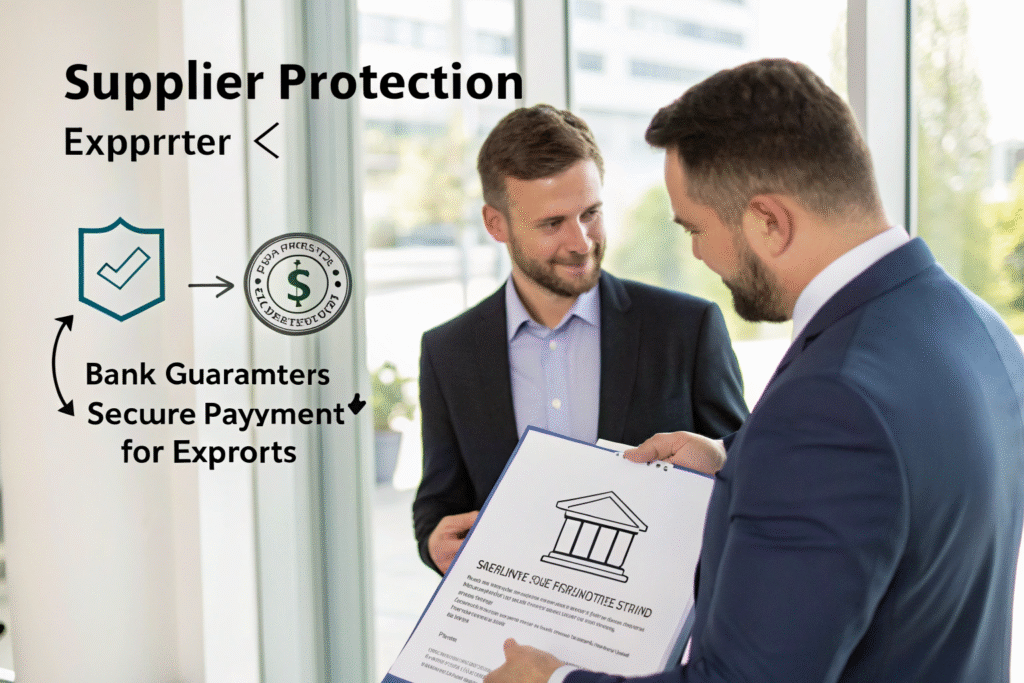
For suppliers, the primary fear is shipping goods without payment assurance, particularly when dealing with new international customers. The letter of credit transforms your promise to pay into a bank's irrevocable commitment, providing financial security that enables them to proceed with production and shipment.
The supplier's protection comes from the issuing bank's creditworthiness replacing yours. Once they present complying documents, the bank must pay regardless of your financial situation or any disputes that might arise later about the goods themselves. This "documentary autonomy" principle means payment depends solely on document compliance, not goods acceptance. Additionally, confirmed letters of credit add a second bank's obligation in the supplier's country, eliminating cross-border payment risk and political risk in your country.
What specific supplier protections does the letter of credit provide?
Essential supplier safeguards include:
- Bank payment guarantee replacing buyer credit risk with bank credit risk
- Clear payment terms specifying exactly what documents trigger payment
- Political risk mitigation through confirmation in their local currency and banking system
- Production financing enablement as letters of credit can support pre-shipment financing
- Dispute isolation separating payment from potential commercial disputes
- Timely payment assurance with specified examination and payment periods
These protections enable suppliers to accept orders from new international buyers with confidence.
How does confirmation enhance supplier protection?
Confirmation provides additional security through:
- Local bank responsibility in the supplier's country and currency
- Elimination of cross-border risk including political and transfer restrictions
- Familiar banking relationship with clear communication in their language
- Reduced document examination time through local processing
- Payment assurance even if the issuing bank or buyer's country faces problems
This additional protection comes at a cost but may be essential for certain country relationships.
What are the key documents that trigger payment protection?
The protective power of letters of credit derives from their documentary nature. Specific documents serve as proxies for performance, creating objective standards that banks can verify independently of the actual goods.
The commercial invoice must match the letter of credit description and value terms. The transport document (typically Bill of Lading) proves shipment occurred according to specified terms. Insurance documents provide evidence of proper risk coverage. Inspection certificates verify quality and quantity before shipment. Other documents like certificates of origin or packing lists provide additional verification layers. The bank's role is to ensure all documents comply exactly with letter of credit requirements, creating the documentary evidence that performance occurred as agreed.

Why does document compliance create protection for both parties?
Document requirements protect through:
- Performance evidence with each document proving a specific aspect of compliance
- Independent verification as banks examine documents without considering underlying goods
- Clear standards establishing unambiguous requirements for payment
- Fraud detection through inconsistency identification across documents
- Dispute prevention by creating objective compliance standards
This documentary approach creates predictable, standardized protection mechanisms.
What are the most critical documents for buyer protection?
Key protective documents include:
- Clean Bill of Lading proving goods were received in apparent good condition
- Third-party inspection certificates verifying quality before shipment
- Insurance documents ensuring proper risk coverage during transit
- On-board notations confirming actual vessel loading dates
- Weight and quantity certificates preventing short shipments
These documents collectively provide evidence that suppliers met their core obligations.
What risks remain despite letter of credit protection?
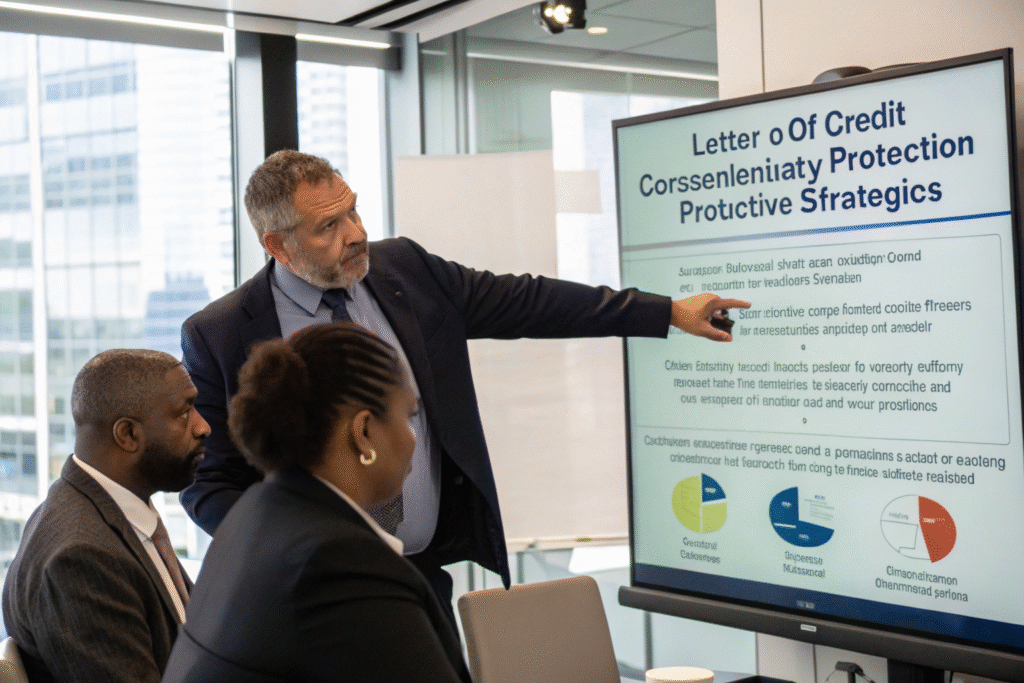
While letters of credit provide significant protection, they don't eliminate all international trade risks. Understanding these limitations helps implement complementary risk management strategies for comprehensive protection.
Letters of credit protect against documentary risks but not quality problems with goods that appear compliant documents. They don't prevent fraud through forged documents that appear compliant upon examination. They can't address performance issues after goods arrival that weren't specified in documentary requirements. Additionally, they don't protect against force majeure events that prevent shipment entirely. Understanding these limitations helps set realistic expectations about what letters of credit can and cannot secure.
How can you address quality risks beyond document protection?
Quality risk mitigation strategies:
- Pre-shipment inspections by reputable third-party companies
- Supplier audits and qualification processes before order placement
- Performance guarantees separate from the letter of credit
- Product testing requirements with certified laboratory results
- Supplier relationship development beyond transactional interactions
These complementary approaches address quality concerns that documents alone cannot capture.
What fraud risks persist and how can you mitigate them?
Persistent fraud concerns include:
- Document forgery creating apparently compliant but fraudulent documents
- Collusion risks between suppliers and inspection companies
- Description manipulation where documents technically comply but misrepresent goods
- Transshipment fraud where goods originate from unauthorized sources
- Quantity misrepresentation through manipulated weight or quantity certificates
Mitigation requires know-your-supplier diligence and relationship building beyond document controls.
How does the cost compare to the protection value?
Letters of credit involve bank fees typically ranging from 0.5% to 2% of the transaction value, plus additional charges for amendments, document examination, and confirmations. Weighing these costs against the protection value requires careful consideration of your specific risk profile.
The cost becomes justified when trading with new suppliers, dealing with politically unstable regions, handling high-value shipments, or when the consequence of non-payment or non-performance would be significant. For established relationships with trusted partners, less expensive options like documentary collections or open account terms may provide better value. The decision involves balancing protection costs against potential loss risks, with letters of credit representing the premium protection option in the trade finance spectrum.

When does the letter of credit protection justify its cost?
Cost-justified scenarios include:
- New supplier relationships with limited established trust
- High-value transactions where potential losses are significant
- Politically unstable regions with elevated payment risks
- Complex specifications requiring precise documentary control
- Custom manufactured goods with limited alternative markets
- Regulated products requiring specific certifications and compliance
In these situations, the protection typically justifies the premium cost.
What are the cost components and how can you manage them?
Typical cost elements:
- Opening fees charged by the issuing bank as a percentage of value
- Amendment charges for any changes to original terms
- Document examination fees for processing presented documents
- Confirmation costs when using a second bank for added security
- Payment charges for the actual funds transfer
- Courier expenses for document transportation between banks
Understanding these components helps negotiate and manage overall costs.
Conclusion
The letter of credit provides balanced protection for both buyers and suppliers by making banks responsible for payment upon documentary compliance. For buyers, it ensures payment only occurs after suppliers meet all agreed terms evidenced through specific documents. For suppliers, it replaces buyer payment risk with bank payment guarantees. While involving costs and documentary complexity, this protection enables international trade that might otherwise be too risky, particularly for new relationships or high-value transactions. The most successful importers use letters of credit strategically—employing them when the protection justifies the cost while developing relationships that may eventually support simpler payment terms. By understanding both the protections and limitations of letters of credit, you can make informed decisions about when this financial instrument serves your business interests in international trade.