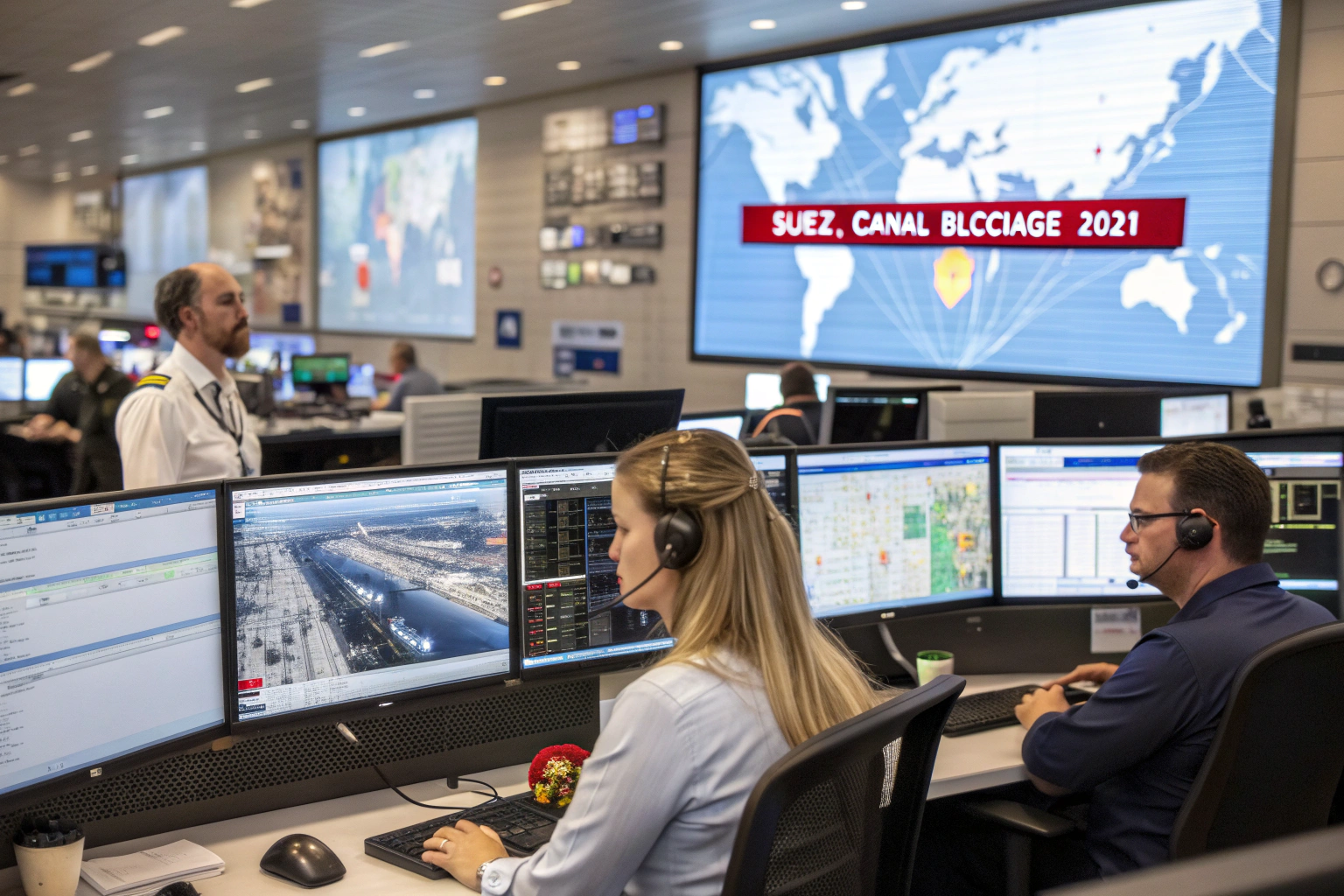
When the Suez Canal blockage occurred in 2021, our clients who had proper news monitoring systems rerouted shipments within hours, while others faced weeks of delays. As founder of GeeseCargo with extensive global operations, I've learned that timely shipping intelligence isn't just interesting information—it's a competitive advantage that directly impacts costs, reliability, and customer satisfaction.
Staying informed about critical global shipping news requires a multi-source approach combining specialized maritime news platforms, carrier communications, government agency alerts, social media monitoring, and customized intelligence services. The most effective strategies use automated alerts for immediate threats coupled with analytical reporting for strategic planning, typically consuming 30-60 minutes daily for comprehensive coverage.
The shipping industry's volatility means that information delayed is money lost. Companies with robust monitoring systems typically respond 3-5 days faster to disruptions, avoid 15-25% of premium charges during capacity crunches, and maintain 40-60% better on-time performance during major incidents.
What Are the Most Reliable Information Sources?
Building a reliable information ecosystem requires understanding which sources provide what types of intelligence and their respective strengths and limitations.
Which Specialized Publications Provide the Deepest Insights?
Lloyd's List offers century-plus of maritime intelligence with global coverage. Their reporting combines historical context with real-time incident reporting, though subscription costs may be prohibitive for smaller companies.
The Loadstar provides practical operational intelligence with supply chain focus. Their coverage emphasizes impacts on shippers and practical responses to disruptions, making it particularly valuable for logistics managers.
Journal of Commerce delivers comprehensive container shipping analysis. With particular strength in container markets and regulatory developments, JOC helps anticipate rate movements and capacity changes.
How Can Government and Regulatory Sources Help?
Federal Maritime Commission (FMC) updates reveal regulatory changes. As the US regulatory body, FMC announcements provide early warning of compliance requirements and enforcement actions that affect shipping practices.
Customs and Border Protection (CBP) bulletins announce procedural changes. CBP updates affect import documentation, examination processes, and release timelines—critical information for supply chain planning.
International Maritime Organization (IMO) publications outline global regulation changes. While slower-moving, IMO decisions affect vessel specifications, environmental compliance, and safety standards with long-term implications.
How Can You Set Up Effective Monitoring Systems?
Passive information consumption misses critical developments—active monitoring systems ensure you receive necessary intelligence when it matters most.
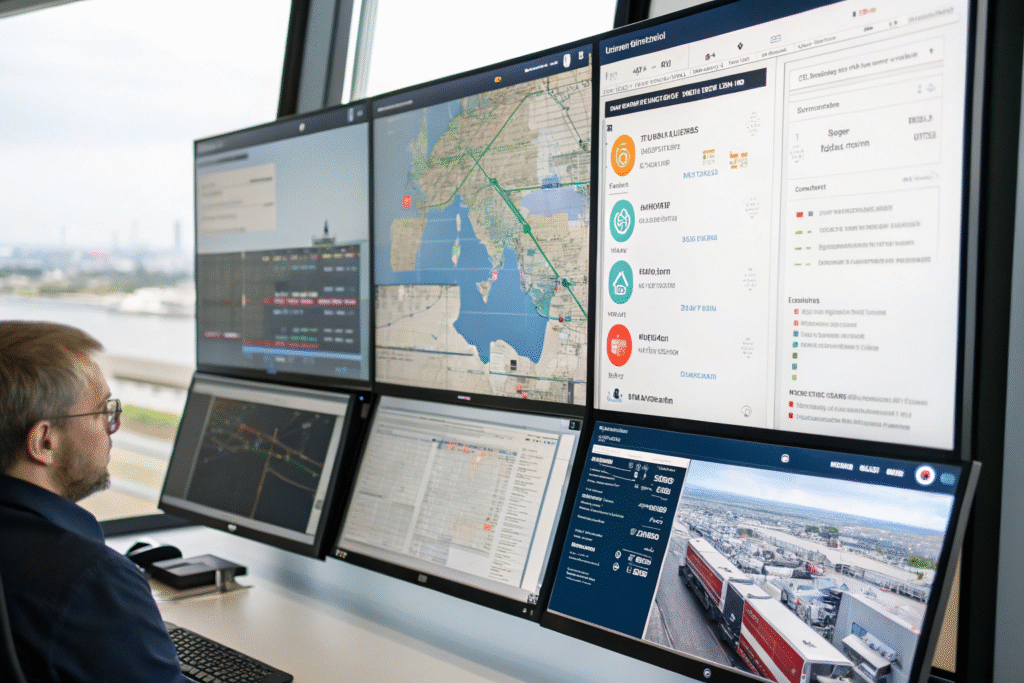
What Automated Alert Systems Provide Immediate Notification?
Google Alerts with precise keyword combinations catch breaking developments. Setting alerts for specific carrier names, port issues, and regulatory changes provides free, immediate notification of relevant developments.
Carrier-specific notification systems offer operational updates. Most major carriers provide subscription services for schedule changes, port status, and equipment availability specific to your shipments.
Specialized maritime monitoring services provide curated alerts. Services like MarineTraffic, Windward, or FleetMon offer vessel-specific tracking and incident alerts based on your operational patterns.
How Should You Filter and Prioritize Information?
Critical versus informational categorization prevents alert fatigue. Immediate alerts should cover only incidents affecting your operations: port closures, labor actions, severe weather, or regulatory changes with compliance deadlines.
Geographic filtering focuses on relevant regions. If you only ship Asia-US, European port news might be informational rather than critical, allowing focused attention on relevant developments.
Carrier-specific monitoring tracks your service providers. Following your primary carriers' financial health, service changes, and operational issues provides early warning of potential service disruptions.
What Role Does Social Media Play in Shipping Intelligence?
Social platforms provide real-time ground-level intelligence that often precedes formal announcements by hours or days.
Which Platforms Offer the Most Timely Information?
Twitter provides real-time incident reporting from ground sources. Port workers, truckers, and vessel crew often tweet developments hours before official announcements, though verification is essential.
LinkedIn offers professional analysis and industry discussions. Industry executives and analysts share insights on market trends, carrier strategies, and regulatory impacts with professional context.
Specialized forums like Reddit's r/logistics provide crowd-sourced intelligence. While requiring more filtering, these platforms often contain practical insights from operations professionals facing similar challenges.
How Can You Verify Social Media Information?
Corroboration across multiple sources establishes credibility. Information appearing in social media, specialized publications, and carrier communications typically indicates verified developments.
Source credibility assessment separates experts from commentators. Following verified industry professionals, official accounts, and established journalists improves information quality.
Official confirmation should precede major decisions. While social media provides early warning, major operational changes should await carrier confirmations or official statements.
How Can You Integrate Shipping Intelligence into Operations?
Information without action provides no value—systematic processes for responding to developments separate prepared companies from informed spectators.
What Processes Ensure Timely Response to Developments?
Designated responsibility for monitoring and response prevents inaction. Assigning specific team members to monitor specific threat types (weather, labor, regulatory) ensures comprehensive coverage with clear accountability.
Pre-established response protocols for common scenarios enable quick action. Having predetermined alternative routes, carrier switches, or inventory adjustments for frequent disruptions speeds response.
Regular threat assessment meetings maintain organizational awareness. Weekly reviews of developing situations and potential impacts keep relevant stakeholders informed and prepared.
How Should Different Types of Information Trigger Different Responses?
Immediate operational adjustments address active disruptions. Port closures, vessel breakdowns, or sudden capacity changes require immediate rerouting, rescheduling, or communication with customers.
Strategic planning incorporates longer-term developments. Regulatory changes, carrier alliances, or infrastructure developments inform carrier selection, contract negotiations, and network design.
Tactical preparation addresses foreseeable disruptions. Seasonal weather, known labor negotiations, or scheduled maintenance allows advance planning rather than emergency response.
What Are the Most Common Monitoring Mistakes?
Even well-intentioned monitoring efforts often miss critical developments due to predictable errors and oversights.
What Strategic Errors Undermine Effective Monitoring?
Over-reliance on single sources creates blind spots. Depending exclusively on carrier communications, general news, or social media misses developments that other sources catch earlier.
Focusing only on immediate operations misses strategic threats. While port congestion requires immediate response, emerging regulatory changes or carrier financial issues may have larger long-term impacts.
Ignoring regional developments in non-operational areas creates vulnerability. Global supply chains mean disruptions in unrelated regions can affect equipment availability, capacity, and rates everywhere.
What Operational Mistakes Reduce Monitoring Effectiveness?
Inadequate filtering creates alert fatigue. Too many alerts or poor categorization causes important information to be missed among less critical updates.
Poor information dissemination isolates intelligence. When logistics teams don't share developments with procurement, sales, and customer service, the organization can't respond cohesively.
Delayed response negates monitoring value. Information about port congestion received after vessel departure has much less value than the same information received before booking decisions.
How Can Technology Enhance Shipping Intelligence?
Modern tools transform shipping news from scattered information to structured intelligence through automation, analysis, and integration.
What Monitoring Platforms Offer the Most Value?
AI-powered analytics platforms identify patterns and predictions. Tools that analyze multiple data streams to identify developing trends provide earlier warning than monitoring individual incidents.
Integration platforms connect news with operational systems. Systems that automatically update TMS, ERP, or booking platforms based on relevant developments enable immediate operational adjustments.
Visualization tools make complex situations understandable. Mapping tools that show port status, vessel positions, and weather patterns help quickly assess situations and impacts.
How Can Automation Improve Monitoring Efficiency?
Automated data aggregation from multiple sources saves manual collection time. Tools that pull information from publications, carriers, and social media into single dashboards prevent missed developments.
Intelligent filtering prioritizes relevant information. Machine learning systems that learn your operations, trade lanes, and vulnerabilities can surface the most critical information first.
Automated reporting disseminates intelligence efficiently. Systems that automatically distribute relevant updates to affected stakeholders ensure organizational awareness without manual effort.
Conclusion
Staying informed about critical global shipping news requires a systematic approach that combines diverse information sources, effective monitoring tools, and integrated response processes. The most successful companies treat shipping intelligence as a strategic capability rather than an informational activity, recognizing that timely awareness of developments directly impacts costs, service, and competitive positioning.
At GeeseCargo, we've developed monitoring systems that provide clients with 12-36 hour advance warning of most major disruptions, enabling proactive responses that typically save 15-30% compared to reactive approaches. The most effective strategies balance comprehensive coverage with practical focus, ensuring attention remains on developments that genuinely affect operations rather than industry noise.
Begin your monitoring enhancement by auditing your current information sources and response processes, then systematically address gaps with appropriate tools and assigned responsibilities. Remember that in global shipping, information advantage translates directly to operational advantage—the companies that know first can respond fastest, securing capacity, avoiding disruptions, and maintaining customer service when competitors are struggling.