
When one of our clients discovered their proprietary product design being sold by their Chinese supplier's cousin company, they learned the hard way that IP protection in China requires more than just signed contracts. As founder of GeeseCargo with extensive manufacturing experience, I've witnessed every type of IP violation imaginable. The reality is that China has significantly improved IP protection systems, but enforcement still requires proactive, multi-layered strategies.
Protecting IP in China requires a comprehensive approach including Chinese trademark and patent registration, carefully drafted manufacturing agreements, physical and digital security measures, supply chain segmentation, and ongoing monitoring. Companies implementing robust IP protection typically experience 70-85% fewer IP violations and recover 3-5 times faster when infringements occur.
The most successful companies treat IP protection as an integrated business process rather than a legal afterthought. While risks exist, systematic protection strategies can significantly reduce vulnerability while maintaining China's manufacturing advantages.
What Legal Protections Are Available in China?
China has developed increasingly sophisticated IP legal frameworks, but foreign companies must understand how to effectively utilize these systems.
How Does China's IP Registration System Work?
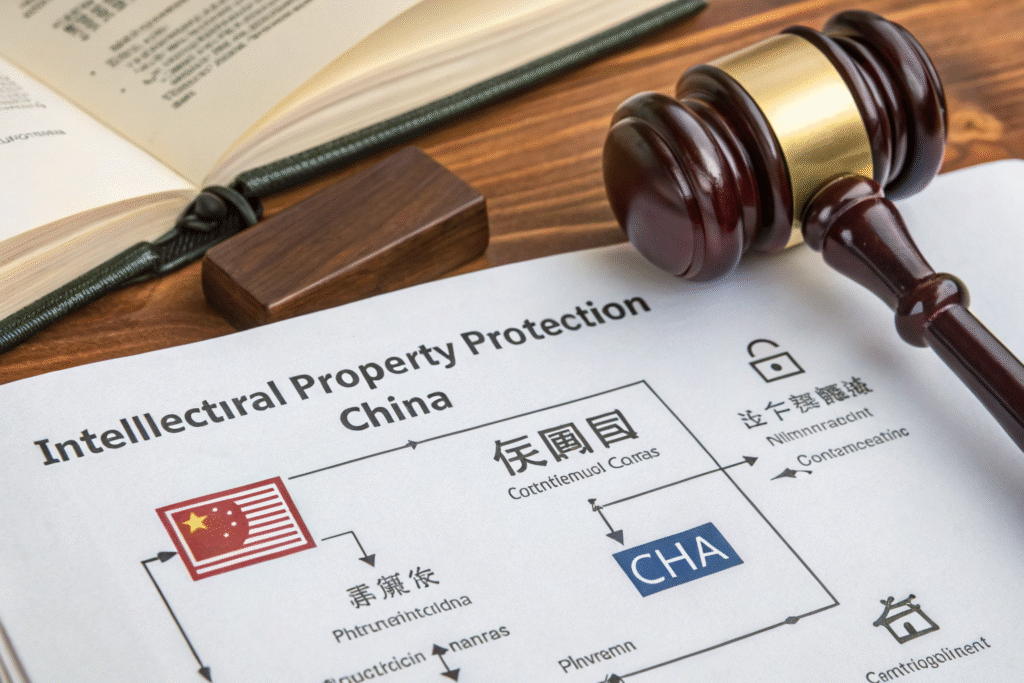
Trademark registration follows first-to-file principle, making early filing critical. Unlike the US first-to-use system, China awards trademark rights to whoever files first, requiring immediate registration before manufacturing discussions begin.
Patent protection requires China-specific filings for each patent type. Invention patents (20-year protection), utility model patents (10-year), and design patents (15-year) each have different requirements and protection scopes.
Copyright registration, while automatic, benefits from voluntary registration. Registered copyrights create legal presumptions of ownership that streamline enforcement actions against infringers.
What Legal Documents Provide the Strongest Protection?
Manufacturing agreements must include specific IP protection clauses. Beyond standard confidentiality, include clear ownership definitions, audit rights, sub-supplier controls, and liquidated damages for violations.
Non-disclosure agreements (NDAs) should be in Chinese and cover technical and commercial information. Chinese-language NDAs with specific penalty clauses are more enforceable than English versions.
Non-compete and non-circumvent agreements prevent supplier competition. Well-drafted restrictions on competing products and customer solicitation provide additional protection layers.
What Practical Factory Selection Strategies Reduce IP Risk?
Your choice of manufacturing partner significantly impacts IP vulnerability, with certain factory characteristics indicating lower risk profiles.

What Factory Characteristics Indicate Lower IP Risk?
Established suppliers with multinational customers typically have better IP practices. Factories serving reputable global brands often have established IP protection systems and more to lose from violations.
Ownership structure influences behavior and accountability. Wholly foreign-owned enterprises (WFOEs) and larger publicly-traded companies generally have stronger compliance than small family-owned workshops.
Certifications and audit history demonstrate commitment to processes. Factories with ISO 9001, social compliance audits, or specific brand compliance certifications typically have better systems.
How Can Due Diligence Uncover IP Risks?
Factory audits should include specific IP protection assessment. Evaluate physical security, document control, employee training, and technical protection measures during facility visits.
Customer reference checks reveal IP handling history. Speaking with other foreign customers, particularly those with similar products, provides insights into the factory's IP protection track record.
Background checks on ownership and related entities uncover potential conflicts. Investigating factory owners' other business interests identifies potential competing operations.
What Manufacturing Strategies Minimize IP Exposure?
Operational approaches that limit exposure while maintaining manufacturing efficiency provide practical IP protection.

How Can Supply Chain Segmentation Protect IP?
Multi-factory manufacturing separates components to prevent complete knowledge. Using different factories for various components ensures no single supplier has complete product knowledge or manufacturing capability.
Critical component control maintains essential IP within trusted partners. Manufacturing proprietary components with your most trusted factory while outsourcing standard components to secondary suppliers limits exposure.
Assembly location strategy can protect final integration knowledge. Performing final assembly in a controlled environment or with your most trusted partner prevents complete process knowledge transfer.
What Technical Approaches Reduce Vulnerability?
Design decomposition separates protectable elements from manufacturable components. Designing products with modular components allows protection of key innovations while manufacturing standard elements freely.
Obfuscation techniques can protect without formal IP. Intentional design complexities, hidden features, or integrated systems that are difficult to reverse engineer provide practical protection.
Gradual technology transfer maintains leverage in relationships. Releasing manufacturing information in phases as trust develops maintains ongoing leverage with suppliers.
What Physical and Digital Security Measures Are Effective?
Practical security measures during manufacturing and visits prevent unauthorized access to proprietary information.
What Factory Security Protocols Should You Implement?
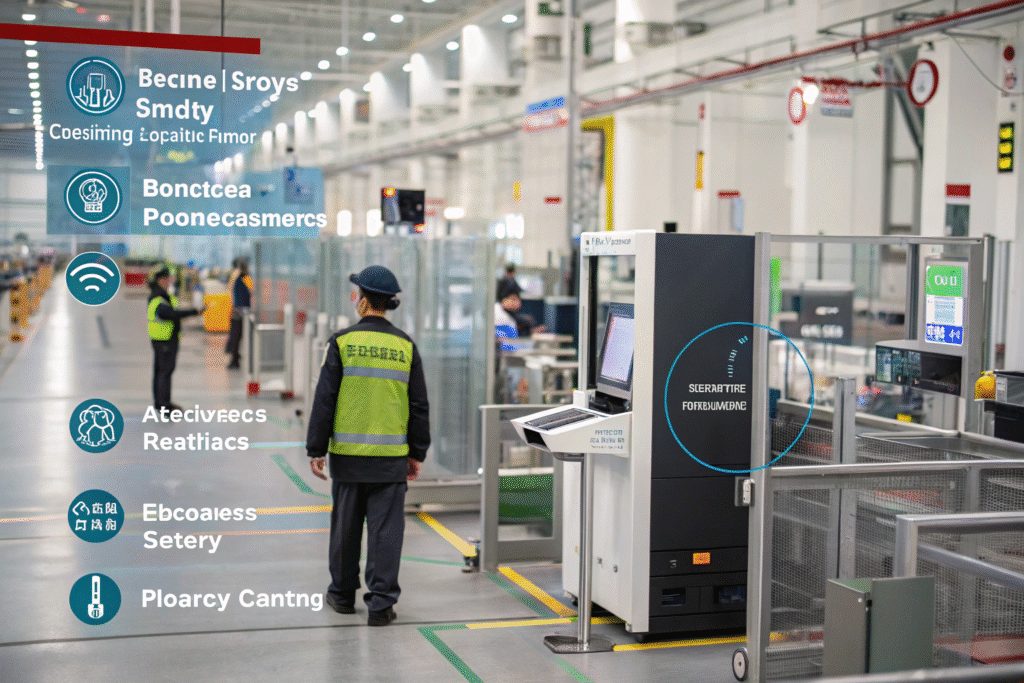
Dedicated production lines or secure areas prevent broad access. Isolating your production within controlled areas limits employee exposure to proprietary processes.
Access controls and visitor management monitor facility entry. Logging all entries to your production areas and restricting access to essential personnel reduces exposure.
Material control systems track component usage and waste. Monitoring raw material consumption and properly disposing of production waste prevents unauthorized production.
How Can Digital Information Be Protected?
Staggered technical data release limits complete information access. Providing only necessary information for each production phase prevents suppliers from having complete technical packages.
Digital rights management controls electronic document access. Using document control systems that restrict printing, copying, and forwarding of technical files maintains information control.
Secure communication channels protect sensitive discussions. Using encrypted communication platforms and avoiding unsecured email for technical discussions prevents interception.
What Monitoring and Enforcement Strategies Work?
Ongoing vigilance and prepared enforcement strategies ensure rapid response when potential issues arise.

How Can You Monitor for Potential IP Violations?
Regular market surveillance detects unauthorized products. Monitoring Chinese e-commerce platforms, trade shows, and industry publications identifies potential infringements early.
Supply chain audits verify compliance with IP agreements. Unannounced audits of manufacturing facilities and component suppliers ensure ongoing compliance with IP protection requirements.
Mystery shopping and product testing identify manufacturing violations. Purchasing samples from suspicious sources and conducting forensic analysis can uncover unauthorized production.
What Enforcement Actions Are Most Effective in China?
Administrative enforcement through local authorities provides rapid response. China's Administration for Market Regulation can conduct raids and seizures, often faster than judicial proceedings.
Customs recordation prevents export of infringing products. Registering IP rights with Chinese Customs enables border enforcement against unauthorized exports.
Civil litigation can yield substantial damages in proper jurisdictions. Specialized IP courts in cities like Beijing, Shanghai, and Guangzhou have demonstrated increasing fairness in IP cases.
What Are the Most Common IP Protection Mistakes?
Understanding frequent errors helps businesses avoid preventable vulnerabilities in their China manufacturing relationships.

What Registration and Documentation Errors Create Vulnerability?
Inadequate Chinese trademark registration leaves brands unprotected. Relying on international registrations or home country trademarks without Chinese registration creates significant vulnerability.
Poorly drafted manufacturing agreements lack essential protections. Using generic templates without China-specific enforcement mechanisms reduces legal recourse when violations occur.
Incomplete technical documentation hampers enforcement. Insufficient design records, development documentation, or invention records weaken legal claims during enforcement actions.
What Relationship Management Errors Increase Risk?
Over-reliance on single suppliers creates dependency and risk. Concentrating manufacturing with one factory without alternatives reduces leverage and increases vulnerability.
Insufficient relationship investment undermines loyalty. Treating suppliers as disposable commodities rather than partners reduces their incentive to protect your IP.
Inadequate communication of IP expectations causes misunderstandings. Assuming suppliers understand IP importance without clear communication and training leads to unintentional violations.
Conclusion
Protecting IP when manufacturing in China requires a balanced approach that combines legal preparedness, strategic manufacturing decisions, practical security measures, and ongoing vigilance. The most successful companies treat IP protection as an integral business function rather than a standalone legal concern, integrating protection strategies throughout their China operations.
At GeeseCargo, we've helped clients reduce IP incidents by over 80% through systematic protection approaches that address both legal and practical vulnerabilities. The key is recognizing that IP protection in China isn't about eliminating risk entirely—it's about implementing layered strategies that make infringement difficult, detection likely, and enforcement effective.
Begin your IP protection strategy by securing Chinese IP registrations, then carefully select manufacturing partners with strong track records, and finally implement ongoing monitoring that enables rapid response to potential issues. Remember that in China manufacturing, trust is important but verification is essential—the most successful relationships balance cooperation with careful protection of your valuable intellectual property.