The Chinese New Year (CNY) shipping rush represents one of the most predictable yet challenging annual events in global logistics. As a freight forwarder with extensive experience managing CNY disruptions, I've helped countless clients navigate this period successfully while those who prepare inadequately face massive delays and cost overruns. The 2025 CNY begins on January 29th, with factory closures typically extending 2-4 weeks and logistics disruptions affecting operations from early January through late February.
You can prepare for the Chinese New Year shipping rush by advancing your production timelines, booking transportation early, building strategic inventory buffers, diversifying your shipping strategies, and maintaining clear communication with Chinese partners. Companies starting preparation at least 3-4 months before CNY typically experience 50-70% fewer disruptions than those reacting to the approaching holiday.
The CNY impact extends far beyond the actual holiday dates, creating ripple effects throughout global supply chains. Let's examine the specific strategies that minimize disruptions and maintain your supply chain continuity.
What Timeline Strategies Minimize CNY Disruptions?
Understanding the CNY timeline and planning backward from critical dates is essential for minimizing disruptions.

How Far in Advance Should You Adjust Production?
4-5 month production planning ensures goods are manufactured before closures. Begin discussing CNY production schedules with suppliers in September-October for the following January CNY, securing early production slots before capacity becomes constrained. Many factories allocate their pre-CNY production capacity by early October.
Staggered manufacturing approach balances inventory and cash flow. Rather than producing everything at once, create a production plan that completes high-priority items by early December and lower-priority items with later deadlines, reducing the inventory financing burden while ensuring critical products ship before closures.
What Are the Critical Shipping Deadlines?
Ocean freight cutoffs typically occur 4-6 weeks before CNY. The last reliable container gate-in dates at Chinese ports usually fall in mid-December, with space becoming extremely tight and rates escalating dramatically from early December onward. Vessel space typically books completely by late November.
Air freight alternatives have slightly later but still constrained deadlines. While air capacity remains available closer to CNY, rates typically spike 3-4 weeks before the holiday, and the final reliable shipping dates usually fall in early January before the holiday travel rush further constrains cargo capacity.
How Can You Secure Reliable Transportation?
Transportation capacity becomes extremely constrained in the weeks leading up to CNY, requiring advanced strategies to ensure your goods move.
What Booking Strategies Ensure Space Availability?
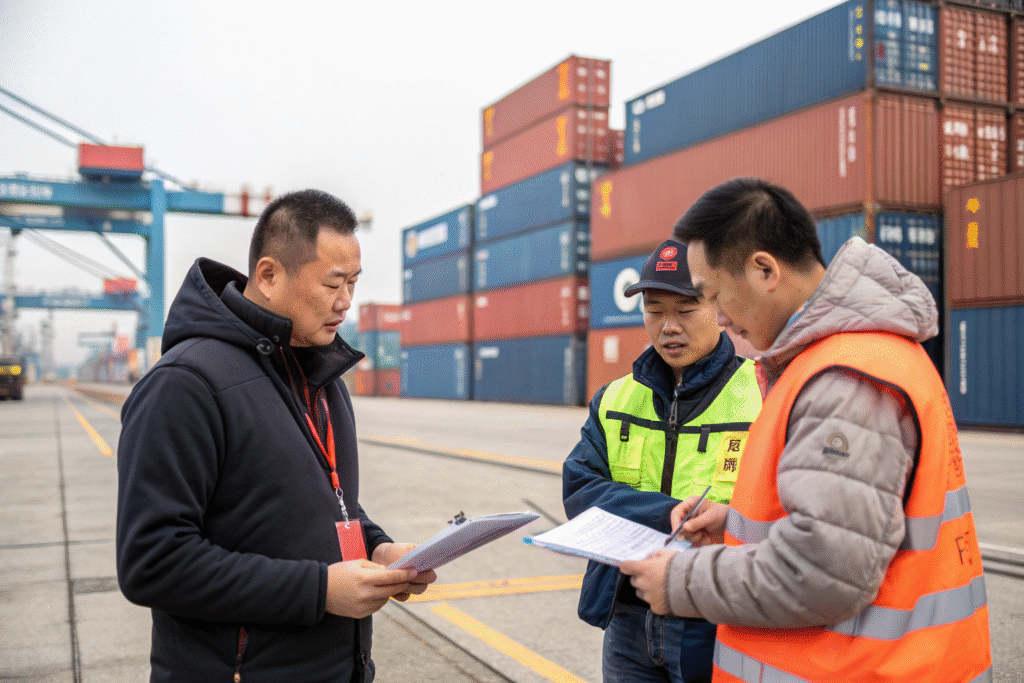
Advanced booking commitments lock in capacity before rates escalate. Place firm bookings with carriers 8-10 weeks before CNY, even if your exact shipment details aren't finalized. Many carriers offer flexible booking options that allow quantity adjustments closer to shipment dates.
Volume consolidation approaches improve negotiating leverage. Combine shipments across product lines or business units to create larger volume commitments that carriers prioritize during capacity-constrained periods. Consider collaborating with non-competing companies to create consolidated volumes.
How Can You Diversify Transportation Options?
Multi-port strategies avoid congestion at overwhelmed major ports. Utilize secondary ports like Qingdao, Xiamen, or Dalian rather than relying exclusively on Shanghai, Ningbo, or Shenzhen, which face the most severe congestion and capacity issues during pre-CNY peaks.
Intermodal combinations provide flexibility when primary options fail. Develop contingency plans that combine trucking to less congested ports, rail to European ports for transshipment, or air-sea combinations that balance cost and reliability during the most constrained periods.
What Inventory Strategies Balance Cost and Service?
Strategic inventory management prevents stockouts while minimizing the capital tied up in pre-CNY buffer stock.

How Much Buffer Inventory Is Appropriate?
Critical component identification determines buffer priorities. Analyze which items would cause production stoppages or significant revenue loss if unavailable, and focus buffer inventory on these high-impact products rather than creating across-the-board inventory increases.
Demand forecasting integration creates scientifically determined buffer levels. Use historical sales data, planned promotions, and growth projections to calculate optimal buffer quantities that balance service level targets with inventory carrying costs.
What Inventory Financing Strategies Help?
Supplier financing programs can ease cash flow pressure. Some suppliers offer extended payment terms for pre-CNY orders, effectively providing interest-free financing for your buffer inventory during this capital-intensive period.
Staged delivery arrangements with logistics providers can reduce storage costs. Some 3PLs can receive full container loads at ports and provide staggered deliveries to your facilities, spreading both the cash outflow and storage requirements over several weeks.
How Should You Communicate with Chinese Partners?
Effective communication with Chinese suppliers and service providers is crucial for navigating the CNY period successfully.

What Information Should You Share with Suppliers?
Clear production requirements prevent misunderstandings. Provide suppliers with detailed, written production schedules that include specific deadlines for raw material ordering, production completion, quality inspection, and packing—with built-in buffer time for each stage.
Payment schedule coordination ensures supplier cooperation. Discuss payment timing with suppliers well in advance, as many factories need early payments to fund year-end bonuses and holiday expenses for their workers, affecting their willingness to prioritize your orders.
How Can You Maintain Quality During the Rush?
Enhanced quality control protocols prevent quality degradation. The pre-CNY rush often leads to rushed work and quality issues. Increase your quality inspection frequency, consider third-party inspection services, and conduct final inspections earlier to allow time for corrections before shipping deadlines.
Worker retention understanding affects production stability. Recognize that many factory workers may leave early for the holidays or not return afterward, potentially affecting production consistency. Discuss with suppliers how they manage this annual workforce challenge.
What Post-CNY Recovery Strategies Should You Implement?
The recovery period after CNY presents its own challenges that require advance planning.
How Can You Accelerate Production Restart?
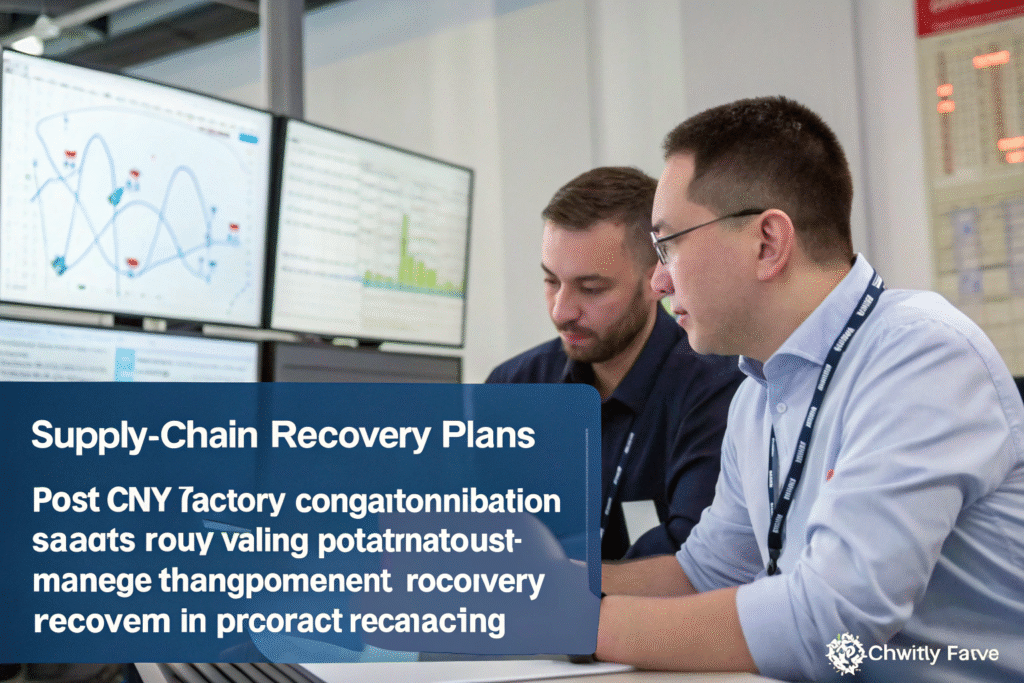
Factory reactivation monitoring provides visibility into recovery timing. Maintain contact with suppliers during the holiday to understand their specific restart dates, which can vary significantly between regions and individual factories.
Advanced material planning ensures production can resume quickly. Work with suppliers to ensure necessary raw materials are on-site or scheduled for immediate delivery when production resumes, preventing delays while waiting for material arrivals.
What Shipping Strategies Work Best Post-CNY?
Staggered return shipments avoid the post-holiday congestion peak. Rather than shipping everything immediately after factories reopen, plan a staggered shipping schedule that leverages different vessel departures to balance speed against cost and congestion.
Capacity booking for return period should be arranged before CNY. The post-CNY period typically features another capacity crunch as all delayed shipments seek simultaneous movement. Secure this capacity before the holiday closure begins.
Conclusion
Preparing for the Chinese New Year shipping rush requires a comprehensive, multi-faceted approach that begins at least 3-4 months before the actual holiday. The most successful strategies combine advanced production planning, strategic inventory management, diversified transportation arrangements, clear communication with Chinese partners, and thoughtful post-holiday recovery planning. While the CNY period inevitably creates disruptions and cost increases, proper preparation can minimize these impacts significantly.
At GeeseCargo, we've helped clients develop CNY preparation strategies that typically reduce disruption-related costs by 40-60% compared to industry averages. Our experience shows that companies starting their CNY preparation in September-October experience significantly fewer disruptions than those beginning in December. Remember that CNY preparation isn't just about surviving the holiday period—it's about maintaining your competitive advantage while competitors struggle with extended lead times and stockouts.