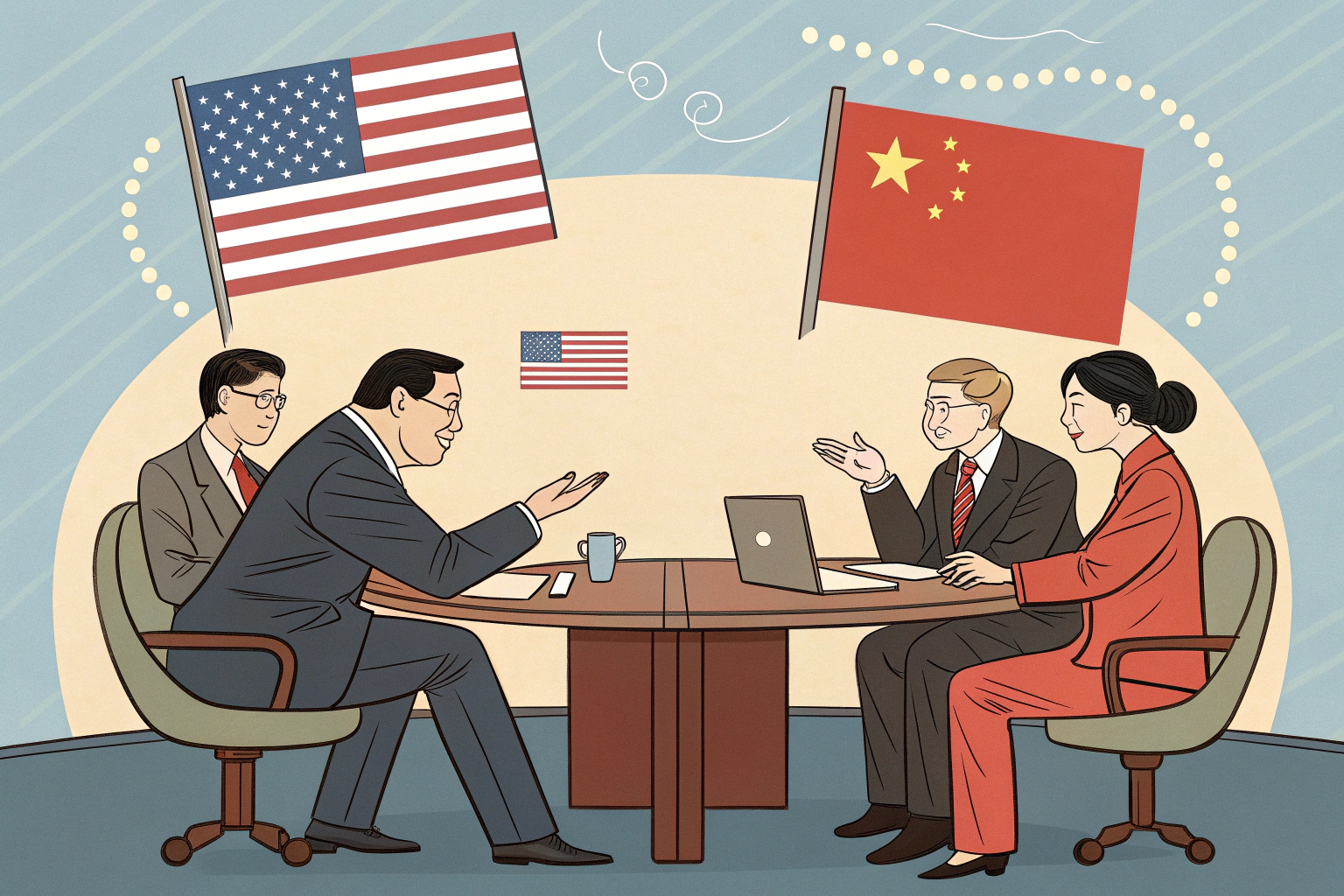
When one of our American clients nearly lost a $2 million deal by insisting their Chinese partners look them directly in the eyes during negotiations, I realized how cultural missteps can derail even the most promising business relationships. As founder of GeeseCargo with over a decade of China experience, I've learned that cultural intelligence isn't just about avoiding offense—it's about building the trust and understanding that enables successful long-term partnerships.
Navigating cultural differences with Chinese partners requires understanding key concepts like guanxi (relationship networks), mianzi (face/social standing), indirect communication styles, and hierarchical decision-making. Successful companies typically invest 15-25% more time in relationship building than with Western partners, but achieve 30-50% better long-term outcomes through stronger trust and cooperation.
Cultural navigation goes beyond memorizing etiquette rules to developing genuine cross-cultural competence. The most successful international businesses treat cultural understanding as a strategic capability rather than an operational detail.
What Are the Fundamental Cultural Concepts You Must Understand?
Several core Chinese cultural principles fundamentally influence business interactions and relationship dynamics.
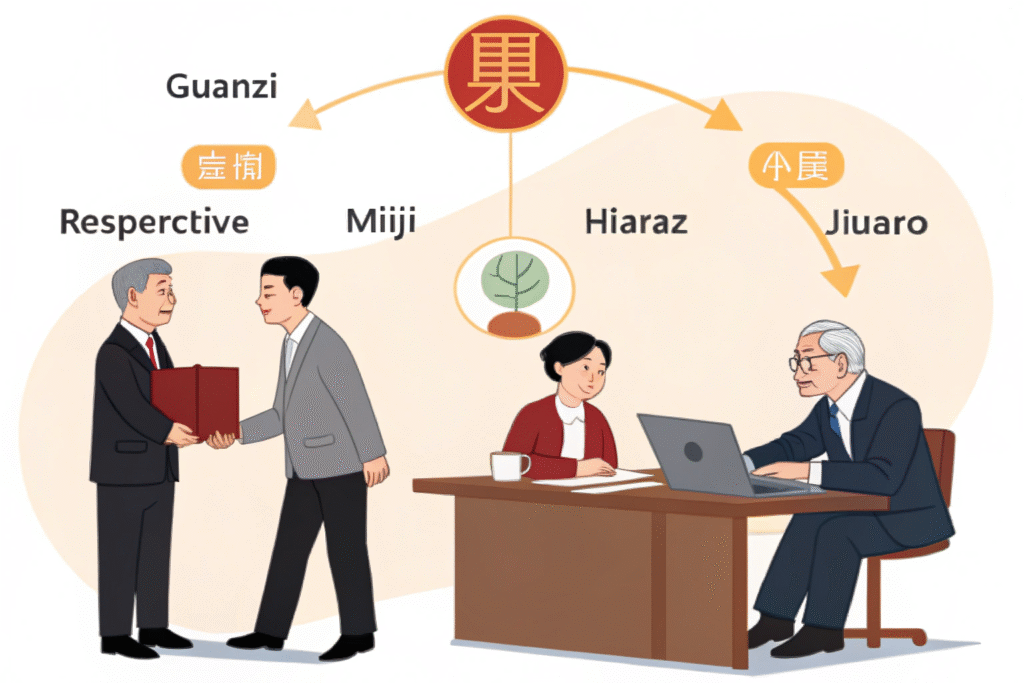
How Does Guanxi Transform Business Relationships?
Guanxi represents reciprocal relationship networks that transcend transactional interactions. Unlike Western networking focused on immediate business opportunities, guanxi involves long-term mutual obligation and trust building that creates business resilience.
Relationship investment precedes business discussions. Chinese partners typically expect multiple meetings focused purely on relationship building before substantive business negotiations begin.
Long-term perspective values relationship continuity over individual deal terms. Maintaining guanxi often means preserving relationships even when specific transactions don't maximize immediate value.
What Role Does Mianzi Play in Business Interactions?
Face represents social standing, dignity, and reputation in Chinese culture. Causing someone to lose face through public criticism, direct contradiction, or embarrassment can permanently damage business relationships.
Indirect communication preserves face during disagreements. Rather than direct confrontation, Chinese businesspeople often use subtle hints, third-party communication, or gradual positioning to address sensitive issues.
Public recognition and respectful treatment enhance face. Acknowledging achievements, using proper titles, and showing respect to senior executives builds social capital that facilitates business cooperation.
How Should You Adapt Your Communication Style?
Communication differences represent the most immediate and noticeable cultural distinction, requiring conscious adaptation for effective partnership.
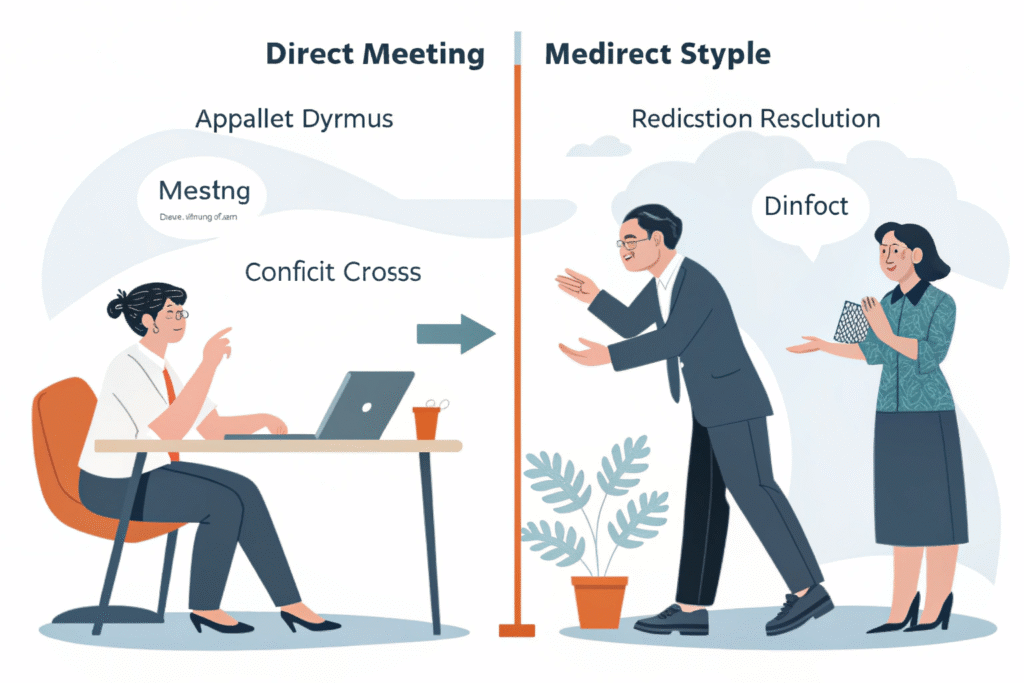
How Does Indirect Communication Work in Practice?
Reading between the lines becomes essential for understanding. Chinese communication often implies rather than directly states positions, requiring attention to subtle cues, context, and what remains unsaid.
"Maybe" or "we'll consider" often means "no" in delicate situations. Direct rejection is often avoided to preserve harmony, making understanding indirect refusals crucial for accurate interpretation.
Non-verbal communication carries significant meaning. Body language, seating arrangements, and meeting atmosphere provide important context beyond spoken words.
What Meeting and Negotiation Dynamics Should You Expect?
Hierarchical participation reflects organizational structure. Junior team members typically speak less in meetings with senior executives present, with decision-making authority clearly aligned with organizational rank.
Relationship building interweaves with business discussions. Meetings often mix social conversation with business topics, with the social elements being equally important for relationship development.
Patience with process and timing prevents frustration. Chinese business negotiations often involve multiple meetings with seemingly repetitive discussions as trust builds gradually.
How Can You Build Trust and Credibility?
Trust development follows different patterns and timelines in Chinese business culture, requiring specific approaches.
What Demonstrates Reliability to Chinese Partners?
Consistency and follow-through establish trust foundations. Keeping promises, meeting deadlines, and maintaining consistent quality demonstrate reliability more powerfully than ambitious claims.
Company stability and longevity provide important context. Chinese partners often value established companies with long track records over newer ventures with potentially higher returns but greater uncertainty.
Personal commitment signals relationship importance. Visiting facilities, attending social events, and investing personal time demonstrate commitment beyond transactional interest.
How Can You Accelerate Trust Development?
Third-party introductions provide immediate credibility. Being introduced through mutual trusted contacts significantly accelerates trust building compared to cold approaches.
Technical competence and industry knowledge command respect. Demonstrating deep product knowledge, manufacturing understanding, or technical expertise builds credibility quickly.
Respect for Chinese business customs shows cultural sensitivity. Understanding basic etiquette, gift-giving customs, and dining protocols demonstrates respect that facilitates trust.
What Are the Key Business Etiquette Rules?
While cultural understanding goes deeper than etiquette, specific protocols significantly impact relationship quality.
How Should You Handle Meetings and Introductions?
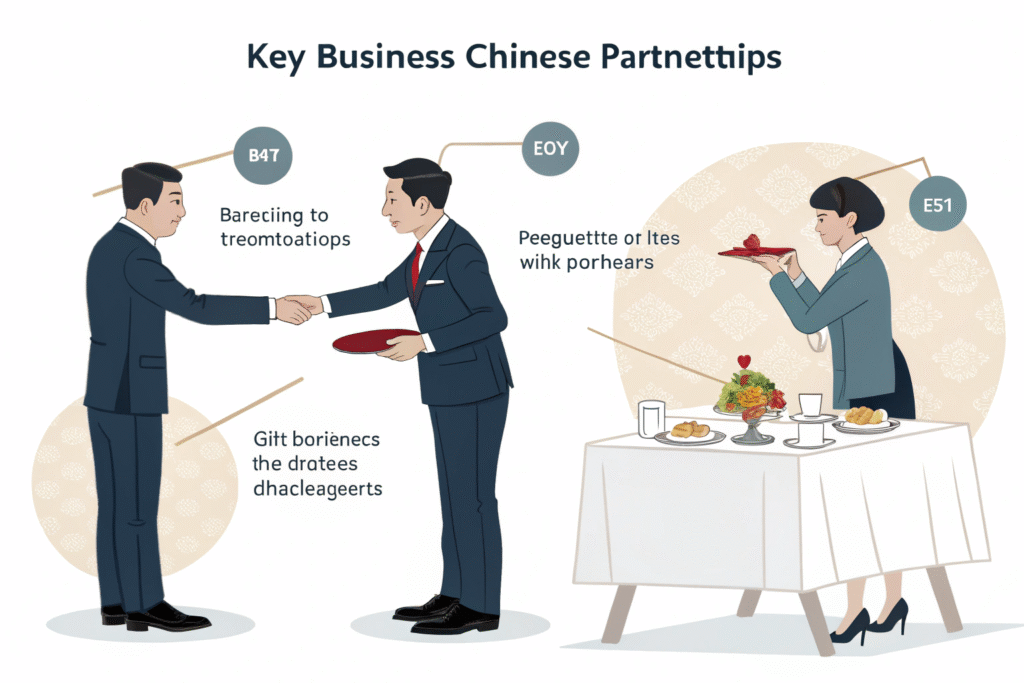
Business card exchange follows specific respectful protocols. Presenting and receiving cards with both hands, carefully reading received cards, and treating them respectfully demonstrates proper etiquette.
Seating arrangements often reflect hierarchy and status. Typically, the most senior person sits facing the door, with seating order reflecting organizational hierarchy rather than Western-style casual seating.
Punctuality expectations vary by context. While being on time is generally important, understanding that Chinese partners may have back-to-back meetings preventing perfect punctuality shows cultural awareness.
What Dining and Social Customs Matter Most?
Banquet seating follows specific protocols. The host typically sits closest to the door, with the guest of honor seated opposite, and other seating arranged by hierarchy.
Toasting rituals build relationship and demonstrate respect. Understanding when to toast, how to hold glasses, and appropriate toasting language facilitates social bonding.
Gift-giving customs require careful attention. Gifts should be nicely wrapped, presented with both hands, and chosen to reflect relationship appropriateness without appearing as bribes.
How Do Decision-Making Processes Differ?
Understanding Chinese corporate structures and decision-making processes prevents frustration and misalignment.
What Should You Understand About Chinese Corporate Hierarchy?
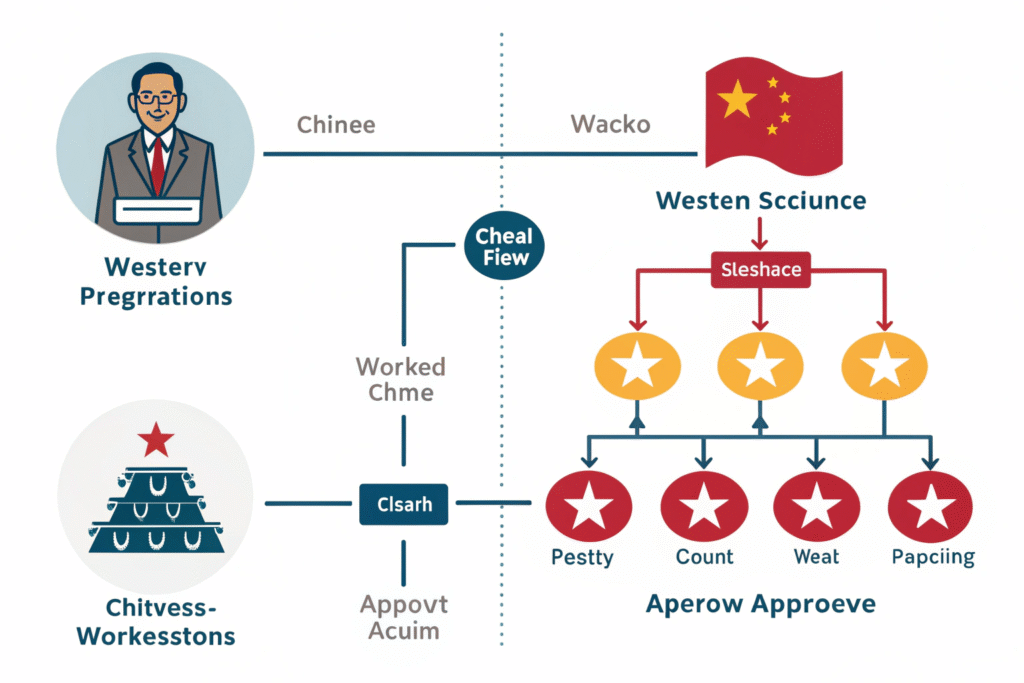
Top-down decision-making is common in Chinese companies. Major decisions typically require approval from senior leadership rather than distributed authority.
Consensus building often happens before meetings. Rather than debating options in meetings, Chinese teams often build consensus beforehand, with meetings serving to confirm decisions.
Relationship networks influence decision speed and outcomes. Well-connected partners often experience faster decisions and more favorable outcomes through guanxi networks.
How Can You Navigate Decision Processes Effectively?
Identify real decision-makers beyond organizational charts. Understanding who genuinely influences decisions—which may include informal power centers—prevents wasted effort.
Patience with approval processes prevents frustration. Multiple approval layers and careful consideration typically lengthen decision timelines compared to Western companies.
Relationship depth affects decision flexibility. Stronger relationships often lead to more flexible approaches and exceptions to standard procedures.
What Are Common Cultural Missteps and How to Avoid Them?
Understanding frequent cultural mistakes helps prevent relationship damage before it occurs.
What Communication Behaviors Cause the Most Problems?
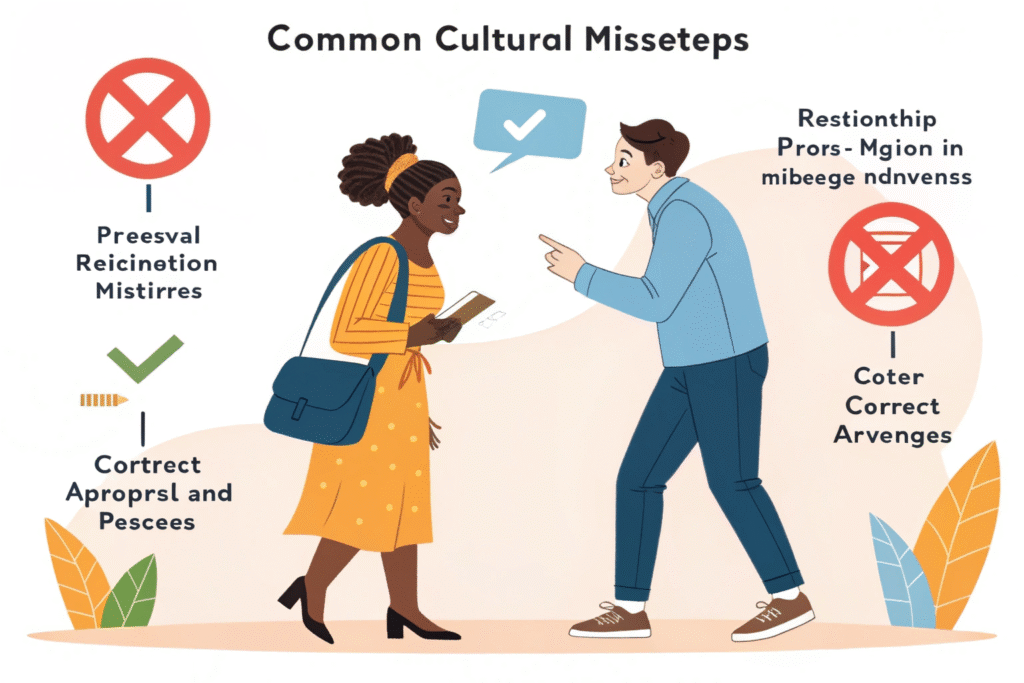
Direct criticism causes loss of face and relationship damage. Providing feedback indirectly, focusing on processes rather than people, and using third parties for sensitive feedback preserves relationships.
Impatience with relationship building appears disrespectful. Rushing to business discussions before establishing personal connections signals transactional rather than relational intentions.
Overly legalistic approach damages trust development. While contracts matter, emphasizing legal terms over relationship principles can undermine partnership foundations.
What Negotiation Approaches Create Resistance?
Aggressive bargaining damages long-term partnership potential. While negotiation is expected, overly aggressive tactics that cause loss of face can permanently damage relationships.
Public contradiction of senior executives causes severe face loss. Even when correct, publicly correcting senior Chinese partners typically causes irreparable relationship damage.
Impatience with process creates perception of disrespect. Chinese negotiations often involve circuitous discussion paths that build understanding and relationship simultaneously.
How Can You Develop Cross-Cultural Competence?
Building genuine cross-cultural capability requires systematic approach and continuous learning.
What Learning Approaches Build Cultural Intelligence?
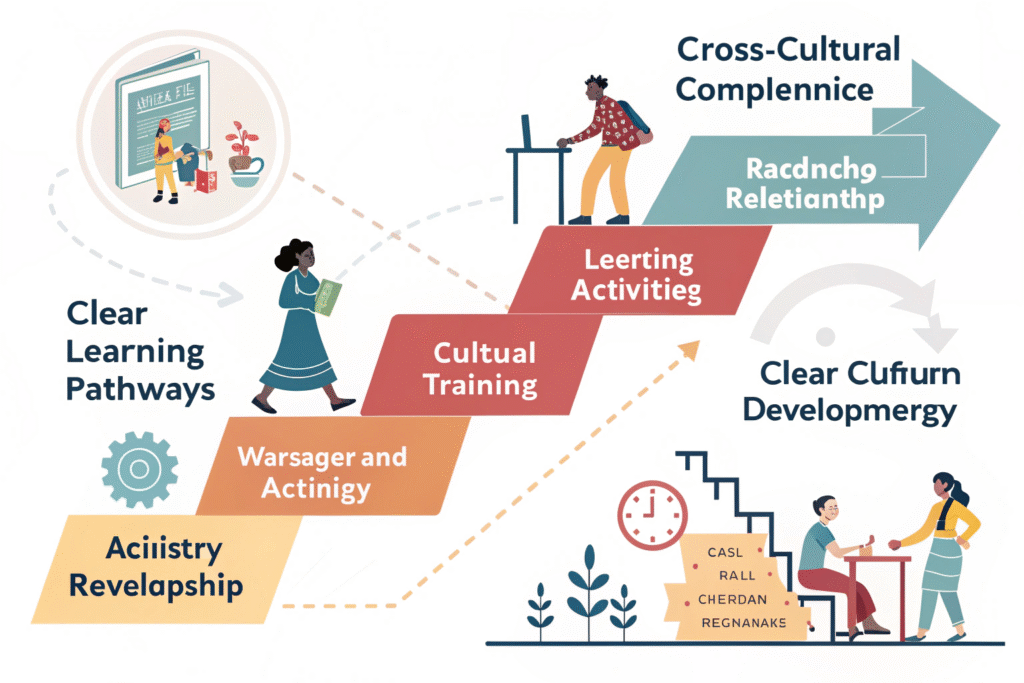
Formal cultural training provides foundational knowledge. Structured programs covering history, values, business practices, and communication styles accelerate cultural understanding.
Language learning demonstrates respect and facilitates connection. Even basic Mandarin phrases show respect and effort that Chinese partners typically appreciate and reciprocate.
Immersion experiences transform theoretical knowledge. Regular visits, extended stays, and social interaction provide contextual understanding that reading cannot replicate.
How Can You Apply Cultural Knowledge Practically?
Cultural mentoring provides real-time guidance. Working with cultural advisors or experienced colleagues helps navigate specific situations with appropriate cultural responses.
Reflection and adaptation improve effectiveness over time. Regularly assessing what works and adjusting approaches based on experience develops increasingly sophisticated cultural capability.
Relationship depth enables cultural learning. As relationships strengthen, Chinese partners often provide gentle correction and guidance that accelerates cultural understanding.
Conclusion
Navigating cultural differences with Chinese partners requires developing genuine cultural intelligence that goes beyond memorizing etiquette rules to understanding underlying values and worldviews. The most successful international businesses treat cultural competence as a strategic capability that enables deeper partnerships, better communication, and sustainable competitive advantage.
At GeeseCargo, we've helped clients transform their China relationships through cultural understanding, with the most successful outcomes coming from companies that approach cultural differences with curiosity and humility rather than frustration or judgment. The key is recognizing that cultural navigation is a journey rather than a destination—each interaction provides learning opportunities that deepen understanding and improve partnership effectiveness.
Begin your cultural competence development by learning fundamental concepts like guanxi and mianzi, then progressively build practical skills through training, immersion, and relationship building. Remember that in cross-cultural business, patience, respect, and genuine interest in understanding typically yield far better outcomes than aggressive negotiation or impatient insistence on familiar approaches.