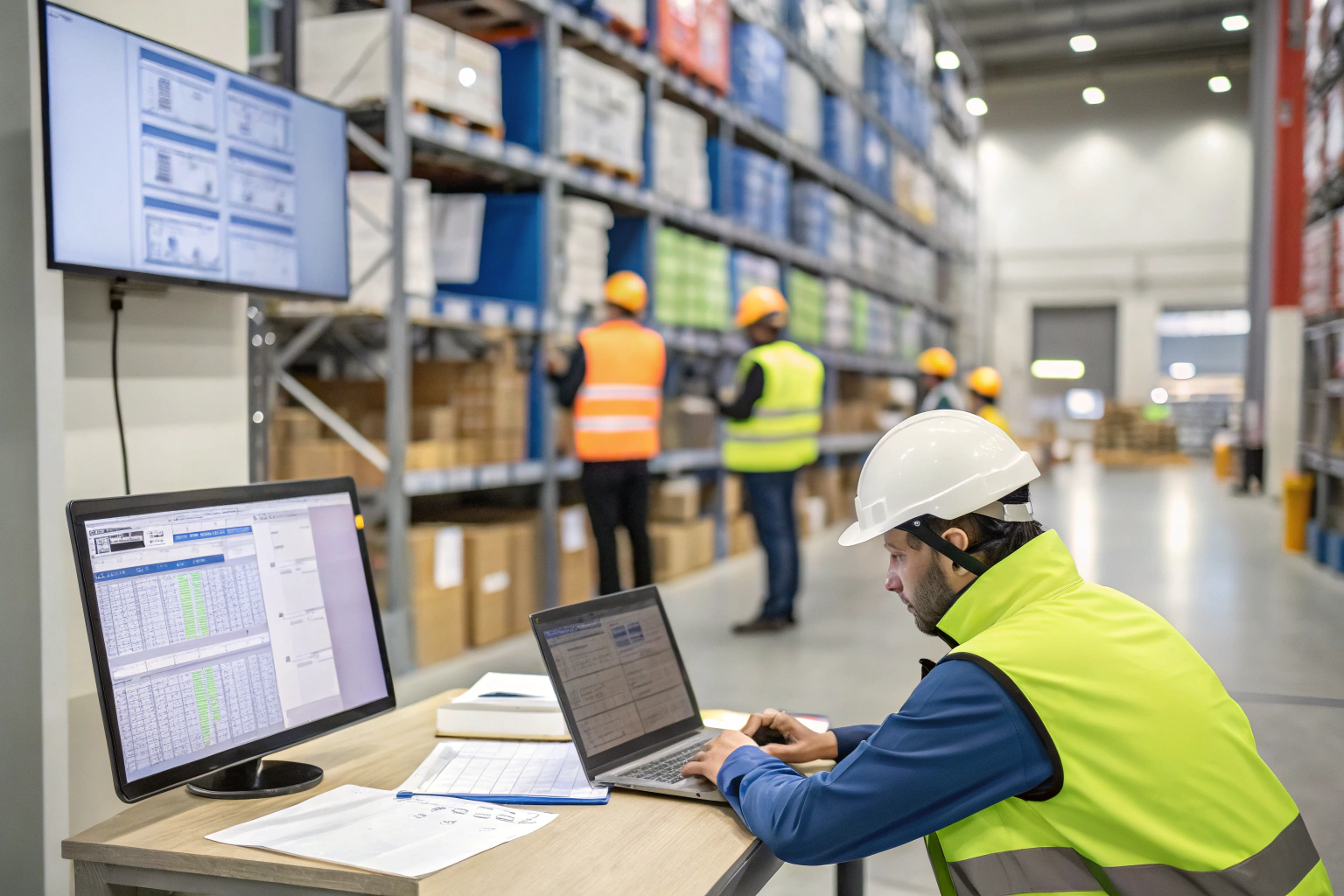
When one of our clients faced a 15,000-unit product recall due to a safety issue, the $280,000 recovery operation taught us that recall logistics requires military-level precision. As founder of GeeseCargo with extensive reverse logistics experience, I’ve learned that recall management isn’t just about removing products—it’s about protecting your brand, managing liability, and recovering maximum value while minimizing reputational damage.
Effective product recall logistics requires a coordinated approach across supply chain tracing, reverse logistics, communication protocols, and regulatory compliance. Successful recalls typically involve 6-8 specialized partners and recover 40-70% of product value through proper handling, while poorly managed recalls often recover less than 20% and cause lasting brand damage.
Recall logistics transforms your forward supply chain into a reverse operation overnight, requiring specialized processes, partners, and systems. Companies with pre-established recall protocols typically resolve incidents 60% faster with 45% lower costs than those developing processes during the crisis.
What Immediate Actions Launch an Effective Recall Operation?
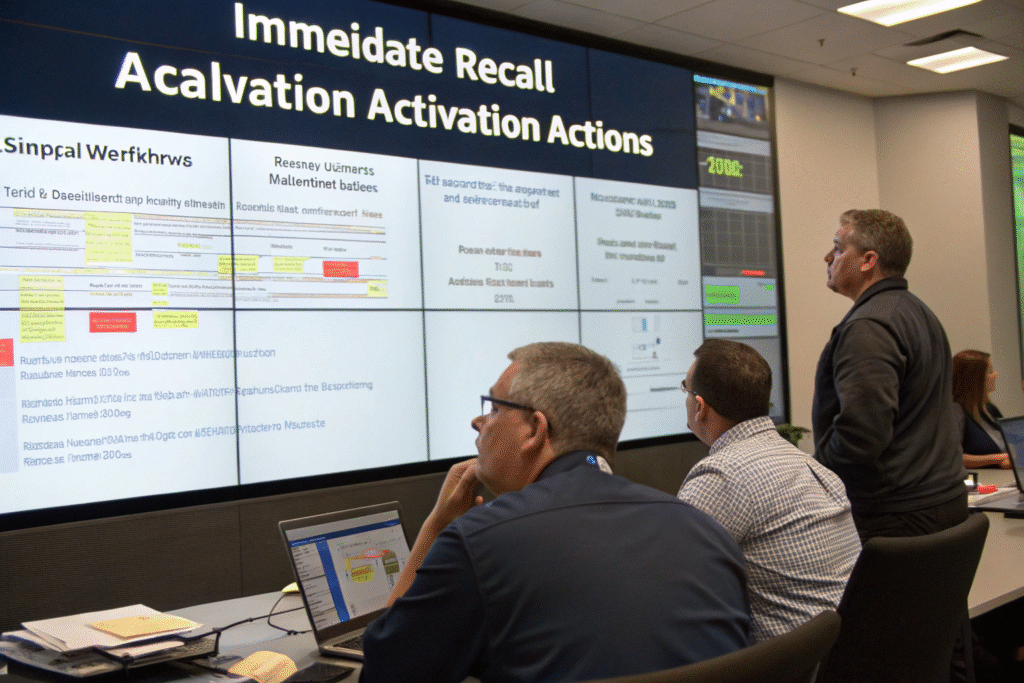
The first 72 hours of a recall determine its ultimate success, requiring swift, coordinated actions across multiple functions.
How Should You Structure Your Recall Crisis Team?
Cross-functional representation ensures comprehensive response. The team should include logistics, legal, quality, communications, customer service, and executive leadership with clearly defined decision-making authority.
Dedicated recall coordinator provides single-point accountability. Appointing one person to oversee all recall logistics prevents communication gaps and process inconsistencies.
External expert engagement fills capability gaps. Recall management consultants, legal counsel, and logistics specialists provide expertise that most companies lack internally.
What Supply Chain Tracing Is Critical in the First 48 Hours?
Complete distribution channel mapping identifies all product locations. Trace products from manufacturing through all distribution channels to retail locations or end customers.
Batch and lot number analysis isolates affected products. Precise identification of which production batches contain the defect prevents unnecessary recall of unaffected products.
Inventory reconciliation at all locations creates accurate scope. Physical counts at warehouses, distributors, and retailers compared to system records identify all affected units.
How Do You Design an Efficient Reverse Logistics Operation?
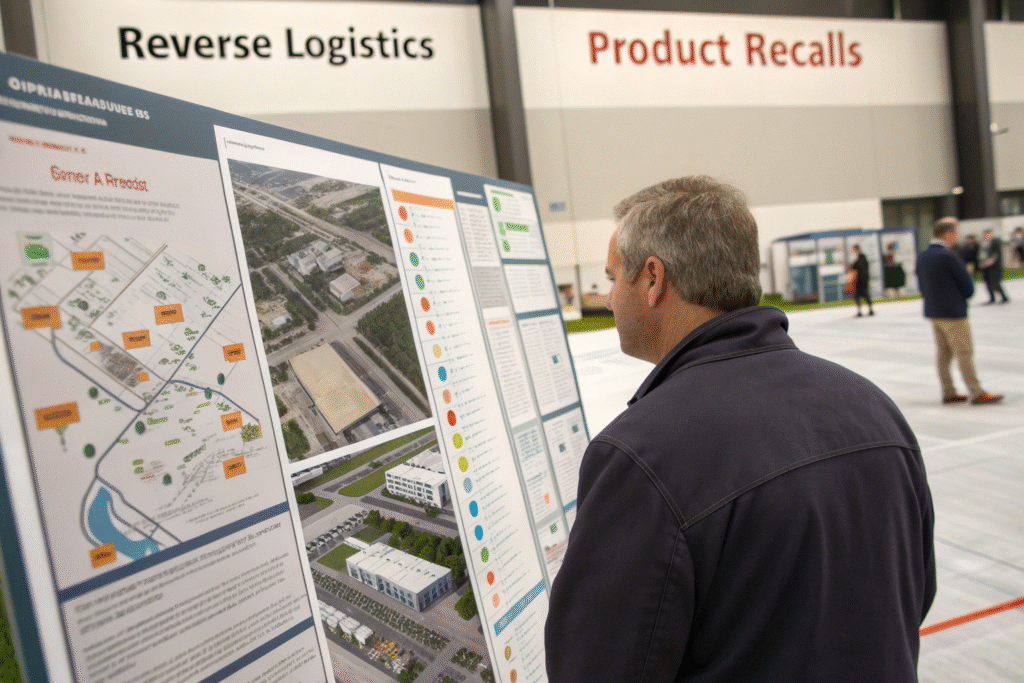
Recall logistics requires transforming your supply chain from forward to reverse flow while maintaining control and visibility.
What Collection Network Strategies Work Best?
Multi-tier collection approach matches customer convenience with cost efficiency. Offer direct-to-consumer returns, retail collection points, and dedicated return facilities based on product value and customer impact.
Centralized versus decentralized processing balances transportation and handling costs. High-value or complex products often justify centralized processing, while low-value items may be processed regionally.
Third-party logistics providers offer established recall infrastructure. Specialized 3PLs with recall experience provide facilities, systems, and processes that would take months to develop internally.
How Should You Handle Transportation and Tracking?
Dedicated transportation prevents comingling with regular operations. Separate vehicles, containers, and documentation for recalled products maintains chain of custody and prevents errors.
Real-time tracking provides visibility throughout reverse journey. GPS tracking, status updates, and electronic proof of delivery ensure no products are lost during the recall process.
Secure transportation prevents diversion or unauthorized access. Tamper-evident seals, secure vehicles, and documented handoffs protect against product diversion during transit.
What Communication Protocols Ensure Effective Recall Execution?
Clear, consistent communication prevents confusion and maintains stakeholder trust throughout the recall process.
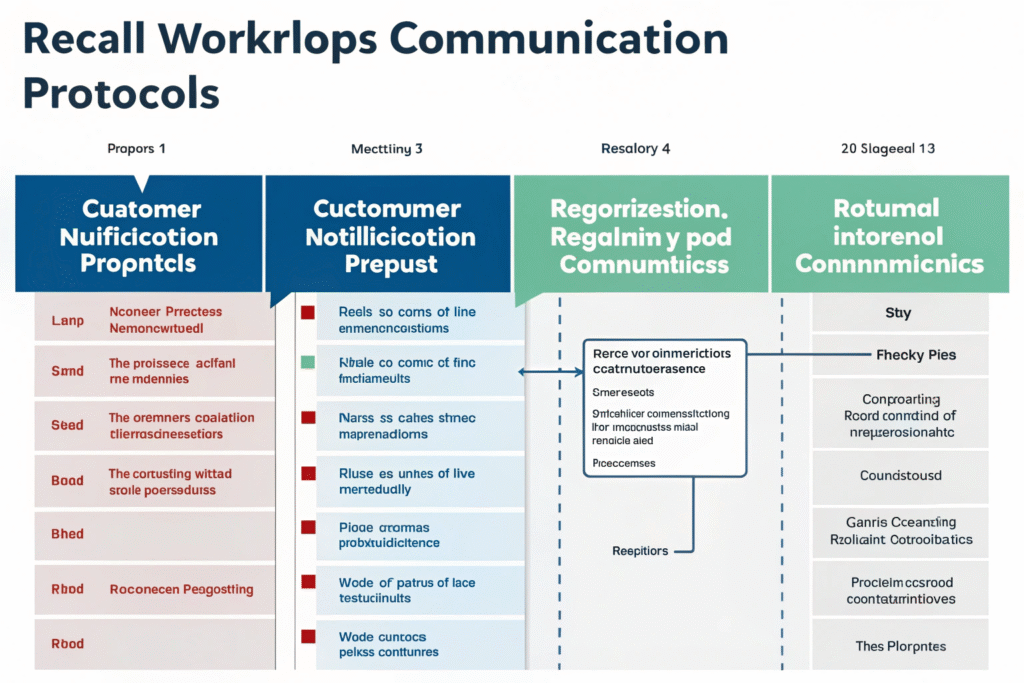
How Should You Communicate with Different Stakeholders?
Customer communications must balance urgency with brand preservation. Clear instructions, multiple contact methods, and empathetic messaging maintain customer relationships while ensuring recall participation.
Regulatory reporting requires precise timing and content. FDA, CPSC, or other agency notifications must follow specific formats and timelines to maintain compliance and avoid penalties.
Internal communications keep all employees aligned. Staff at all levels need appropriate information to handle customer inquiries and support recall execution effectively.
What Documentation Manages Recall Liability and Compliance?
Detailed recall logs create legal protection and process transparency. Document every decision, action, and communication throughout the recall process.
Product disposition records prove proper handling. Photographic evidence, destruction certificates, or recycling documentation demonstrate proper handling of recalled products.
Financial tracking enables cost recovery and insurance claims. Detailed cost accounting for all recall-related expenses supports potential insurance claims or supplier recovery actions.
How Can You Maximize Value Recovery During a Recall?
Strategic handling of recalled products can significantly offset recall costs through various recovery channels.

What Product Disposition Options Provide the Best Value?
Repair and return to market works for certain defect types. When defects are correctable and regulatory approved, repairing products can recover 60-80% of original value.
Component harvesting extracts value from complex products. Electrical components, precious metals, or reusable parts can be harvested and sold or reused in other products.
Responsible recycling recovers materials while protecting brand. Proper recycling demonstrates environmental responsibility while recovering some material value.
How Should You Evaluate Disposition Alternatives?
Cost-benefit analysis compares recovery value against processing costs. Calculate net recovery value after accounting for transportation, processing, and remarketing expenses.
Regulatory constraints may limit disposition options. Some products, particularly regulated items, have specific disposal requirements that must be followed.
Brand protection considerations may outweigh pure economics. Destroying products rather than remarketing may be preferable if there’s any risk of brand damage from resale.
What Technology Supports Effective Recall Management?
Specialized systems provide the visibility, control, and documentation needed for successful recall execution.
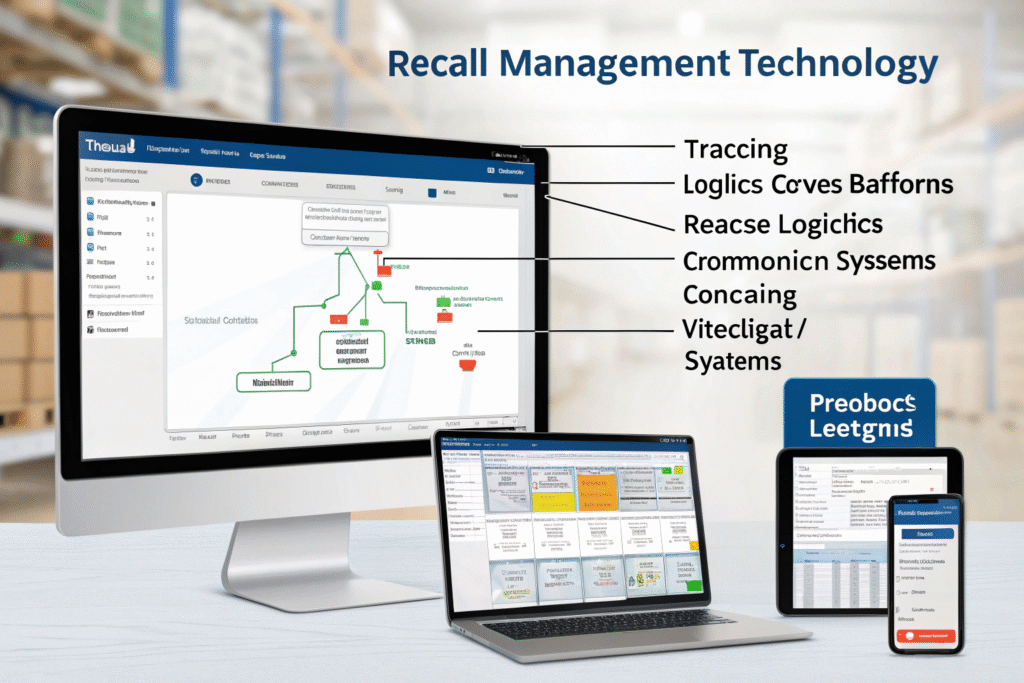
What Systems Enable Effective Product Tracing?
Blockchain and serialization provide item-level visibility. Products with unique identifiers enable precise tracing of affected units rather than entire batches.
Supply chain visibility platforms map product movement. Systems that track products from manufacturing through distribution accelerate identification of affected inventory.
CRM integration identifies affected customers. Connecting product serial numbers to customer purchases enables targeted customer notifications.
How Can Automation Improve Recall Efficiency?
Automated notification systems ensure consistent communication. Pre-built templates, automated sending, and response tracking maintain communication consistency.
Reverse logistics workflow automation streamlines processing. Automated routing, disposition decisions, and documentation reduce manual effort and errors.
Analytics and reporting provide real-time recall metrics. Dashboards showing recall progress, recovery rates, and costs enable data-driven decision making.
What Are the Most Common Recall Logistics Mistakes?
Understanding frequent errors helps companies avoid costly missteps during recall execution.
What Strategic Errors Undermine Recall Effectiveness?
Underestimating scope and complexity leads to inadequate resources. Recalls typically require 3-5x more resources than initially estimated across people, systems, and facilities.
Poor documentation creates compliance and liability risks. Inadequate records of recall actions, communications, and product disposition complicate regulatory compliance and legal defense.
Delayed decision-making allows problems to escalate. Slow responses to developing recall situations typically increase costs 25-40% and extend resolution time by 50-70%.
What Operational Mistakes Increase Recall Costs?
Inadequate customer return options reduce participation rates. Making returns difficult or inconvenient causes customers to keep defective products, creating ongoing liability.
Poor inventory segregation risks re-shipping recalled products. Inadequate physical and system controls allow recalled products to re-enter inventory and be redistributed.
Inefficient disposition processes destroy recoverable value. Without proper evaluation, companies often destroy products that could be repaired, refurbished, or harvested for components.
Conclusion
Effective recall logistics requires treating reverse supply chain management with the same strategic importance as forward logistics. The most successful companies develop recall protocols before incidents occur, establish relationships with specialized partners, and maintain systems that enable rapid response when recalls become necessary.
At GeeseCargo, we’ve helped clients manage recalls that recovered an average of 58% of product value while containing reputational damage and maintaining regulatory compliance. The most successful outcomes come from companies that view recalls as inevitable business events requiring prepared response rather than unexpected crises requiring reactive solutions.
Begin your recall preparedness by developing a basic recall plan, identifying potential partners, and implementing product tracing capabilities. Remember that in recall management, preparation is dramatically more cost-effective than reaction—the investment in recall readiness typically returns 5-10x during an actual recall event through faster resolution, higher value recovery, and reduced brand impact.