Managing logistics for time-sensitive holiday products represents one of the most demanding challenges in supply chain management, where success depends on precise timing, robust contingency planning, and seamless coordination across global networks. As a freight forwarder specializing in seasonal and event-driven logistics, I've witnessed how holiday product campaigns can transform from tremendous successes to catastrophic failures based entirely on logistics execution. The margin for error is virtually zero, with delivery windows measured in days rather than weeks.
You manage logistics for time-sensitive holiday products through advanced timeline planning with multiple buffers, multi-modal transportation strategies, inventory pre-positioning, real-time visibility systems, and comprehensive contingency planning. Successful execution typically requires starting planning 6-9 months before the holiday season, with specific strategies varying based on product type, market destinations, and the specific holiday's timing characteristics.
The intersection of seasonal demand peaks, compressed timelines, and heightened consumer expectations creates a perfect storm that demands exceptional logistics coordination. Let's examine the specific strategies that ensure holiday products reach markets at precisely the right moment.
What Timeline Planning Strategies Ensure On-Time Delivery?
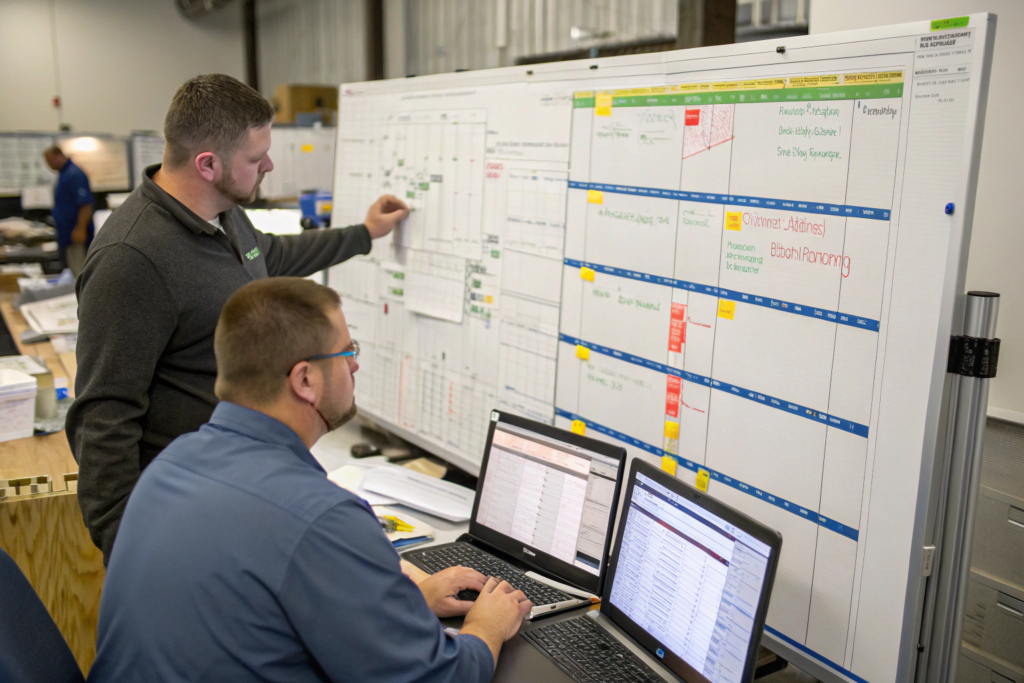
Holiday logistics success begins with backward planning from the absolute latest acceptable delivery date with multiple contingency buffers.
How Far in Advance Should Planning Begin?
6-9 month planning horizon for major holiday seasons. For Christmas products, planning typically begins in March-April; for Chinese New Year, planning starts in June-July; for other holidays like Halloween or Easter, planning begins 6-8 months in advance to secure manufacturing capacity and transportation.
Critical path analysis identifies non-negotiable deadlines. Map every step from raw material sourcing through final retail delivery, identifying which activities have zero flexibility and which can be compressed or expanded if needed, focusing protection on the inflexible elements.
What Buffer Strategies Protect Against Unavoidable Delays?
Multiple contingency buffers at different supply chain stages. Build in: 10-15% extra manufacturing time, 7-10 day ocean freight buffer, 3-5 day air freight buffer, 2-3 day customs clearance buffer, and 1-2 day final distribution buffer—but don't communicate these buffers to sales/marketing teams to prevent timeline erosion.
Buffer positioning strategy places protection where most needed. Allocate more buffer to stages with highest historical variability (manufacturing completion, customs clearance) rather than evenly across all stages.
What Transportation Strategies Optimize Speed and Reliability?
Holiday products require transportation approaches that balance speed, cost, and reliability differently than standard shipments.

How Can Multi-Modal Approaches Balance Cost and Speed?
Ocean-air combinations provide cost-effective expedited delivery. Ship bulk quantities via ocean to regional hubs, then use air freight for final regional distribution—typically achieving 60-70% of air speed at 40-50% of air cost for appropriate product values and densities.
Pre-positioned inventory strategies with expedited final delivery. Position inventory in regional distribution centers before peak season, then use expedited ground or regional air for final delivery once orders are received, eliminating international shipping from the critical path.
What Carrier Selection Criteria Matter Most?
Historical peak season performance outweighs standard rates. Select carriers based on their reliability during previous holiday peaks rather than annual average performance or lowest rates, as some carriers maintain performance better during capacity crunches.
Dedicated capacity arrangements secure space in advance. Negotiate guaranteed capacity (vessel space, aircraft uplift) for specific dates during the peak season, even if paying premium rates, rather than relying on general space availability.
How Can Technology Enhance Holiday Logistics Execution?
Modern visibility and control technologies provide crucial advantages for managing time-sensitive holiday shipments.

What Visibility Systems Provide Critical Control?
Real-time multi-modal tracking with predictive ETAs. Implement systems that track shipments across ocean, air, and ground transportation with AI-powered predictive arrival times that account for historical performance patterns, weather, and current congestion.
Exception-based alerting systems flag problems early. Configure systems to automatically alert when shipments deviate from planned timelines, with escalating alerts based on severity and proximity to critical deadlines.
How Can Analytics Improve Future Planning?
Post-season performance analysis identifies improvement opportunities. After each holiday season, analyze: actual versus planned timelines at each stage, causes of any delays, cost variances, and carrier performance to improve planning for subsequent seasons.
Demand forecasting integration optimizes inventory positioning. Connect logistics planning with sales forecasting to position inventory closer to anticipated demand hotspots, reducing final delivery times and transportation costs during the critical peak.
What Inventory and Warehousing Strategies Support Timely Delivery?
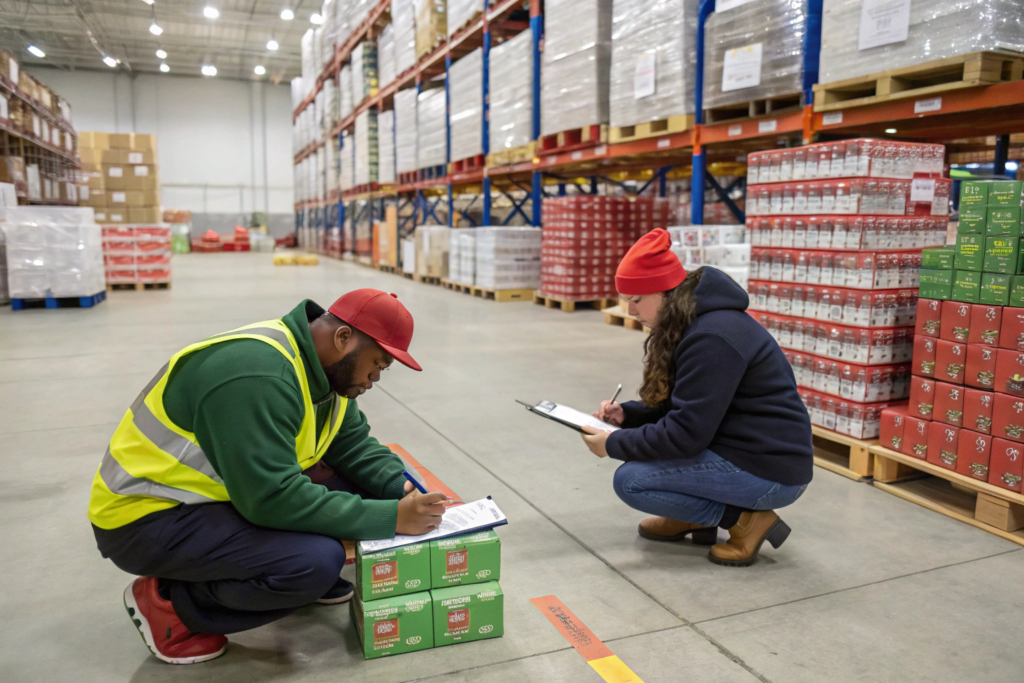
Strategic inventory positioning is often more important than transportation speed for holiday product success.
How Should You Structure Pre-Positioning Strategies?
Tiered inventory approach balances risk and cost. Position: 1) Core inventory in regional DCs based on forecast, 2) Buffer inventory in centralized locations for redistribution, and 3) Emergency inventory with manufacturers for air shipment if needed.
Dynamic repositioning capabilities respond to demand shifts. Implement systems that monitor early sales data and can reposition inventory between locations during the season based on actual versus forecasted demand patterns.
What Warehouse Operations Support Peak Demands?
Peak-ready warehouse processes ensure rapid throughput. Implement: extended hours, temporary staffing plans, streamlined receiving and shipping processes, and dedicated holiday product zones in warehouses to prevent congestion during critical periods.
Direct-to-store or direct-to-consumer options bypass distribution bottlenecks. For certain products, consider shipping directly from ports to stores or consumers during peak periods when DCs are overwhelmed, though this requires precise coordination.
What Contingency Planning Is Essential for Holiday Logistics?
Given the zero-tolerance for failure, holiday logistics require more extensive contingency planning than standard operations.

What Transportation Contingencies Should You Prepare?
Alternative routing plans for every critical shipment. Develop pre-approved alternative routes (different ports, different carriers, different modes) that can be activated immediately when primary routes face disruptions.
Expedited transportation agreements for emergency situations. Negotiate standing agreements with expedited carriers (charter air, dedicated trucking) with pre-agreed rates and activation procedures for emergency situations.
How Can You Manage Manufacturing Delays?
Staggered production approach creates flexibility. Rather than producing all holiday inventory at once, structure production in batches with the final batch scheduled for air shipment if earlier batches are delayed, accepting higher costs for portion of volume to ensure at least partial on-time delivery.
Component buffer strategies prevent production stoppages. Stock critical components with long lead times to prevent manufacturing delays due to component shortages during peak production periods.
Conclusion
Managing logistics for time-sensitive holiday products requires exceptional planning, robust execution systems, strategic inventory positioning, and comprehensive contingency preparation. Success depends on starting early, building multiple buffers, implementing advanced visibility, and maintaining flexibility to adapt when inevitable challenges arise. The most successful holiday logistics operations treat each season as a project requiring dedicated resources and focused attention rather than routine business operations.
At GeeseCargo, we've helped clients implement holiday logistics strategies that typically achieve 95-98% on-time delivery rates for critical holiday products compared to industry averages of 70-85% during peak seasons. Our experience shows that companies investing in specialized holiday logistics capabilities typically achieve 20-40% higher sell-through rates and significantly reduced markdowns compared to those using standard logistics approaches. Remember that holiday logistics excellence requires year-round attention—post-season analysis and continuous improvement ensure each year's performance builds on previous lessons rather than repeating the same challenges.