Importing goods that require FDA compliance can feel overwhelming. Many importers face unexpected delays, rejections, or costly detentions because they don't fully understand the FDA's requirements. As a freight forwarder specializing in US imports, I've helped countless clients navigate this complex process successfully.
Ensuring FDA compliance requires understanding product classification, proper documentation, supplier verification, and working with experienced logistics partners who know FDA regulations. The process involves careful planning from manufacturing through customs clearance, with special attention to labeling, ingredients, and facility registration requirements.
Let me walk you through the key steps that will help you import confidently and avoid common compliance pitfalls.
What Products Require FDA Compliance?
Understanding whether your products fall under FDA jurisdiction is the first critical step. The FDA regulates much more than just food and drugs – many everyday imported items require compliance verification.
Which Common Imported Items Need FDA Approval?
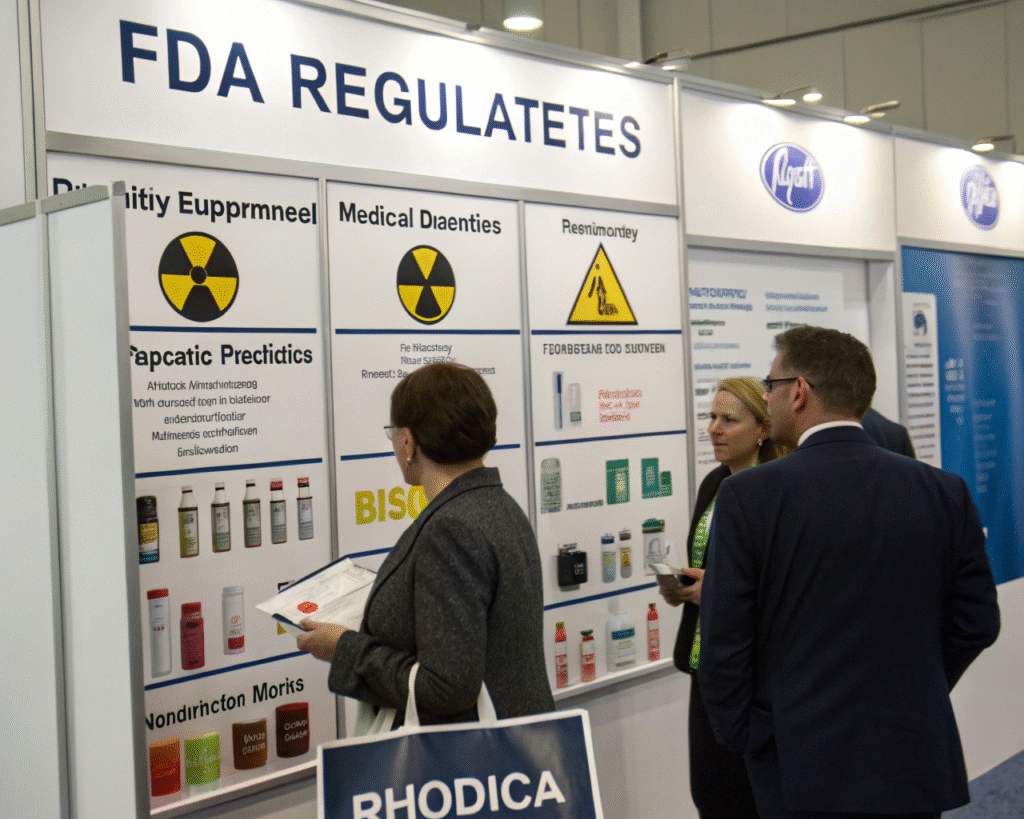
Many importers are surprised to learn how broad FDA authority extends. Food and beverages represent the largest category, including everything from packaged foods to food additives and dietary supplements. Cosmetics and personal care products must comply with FDA labeling and ingredient requirements. Even electronic products that emit radiation, like microwaves and cell phones, fall under FDA oversight.
Medical devices represent another major category, ranging from simple tongue depressors to complex pacemakers. Each class of medical device has specific compliance requirements. The FDA's jurisdiction also extends to products you might not expect, such as pet foods, animal drugs, and products claiming to treat or prevent disease.
How Do I Classify My Products Correctly?
Proper product classification is fundamental to FDA compliance. Start by consulting the FDA's product classification databases and guidance documents. For medical devices, use the FDA's device classification system to determine whether your product is Class I, II, or III – this determines the level of scrutiny and required pre-market approval.
For food products, check the FDA's Food Facility Registration requirements and determine if your product needs pre-market approval. Many importers find value in consulting with FDA compliance experts or using third-party compliance services to ensure proper classification. Getting this step wrong can lead to significant delays and compliance issues.
What Documentation Do I Need for FDA Compliance?
Proper documentation forms the backbone of successful FDA import processes. Missing or incorrect paperwork represents the most common reason for FDA detentions and import refusals.
Are Prior Notice and Facility Registration Mandatory?
Prior Notice submission to the FDA is mandatory for all food imports and must be filed before arrival at US ports. This requirement applies to both human and animal food products. The submission must include detailed information about the product, manufacturer, and shipment. Failure to provide adequate prior notice can result in refusal and destruction of the shipment.
Facility Registration is another critical requirement. Any foreign facility that manufactures, processes, packs, or holds food for consumption in the United States must register with the FDA. This registration must be renewed every two years and is essential for customs clearance. Many importers don't realize they're responsible for ensuring their overseas suppliers maintain current FDA registrations.
What Information Must Product Labels Include?
FDA labeling requirements are extensive and product-specific. All labels must include the product name, manufacturer information, quantity contents, and ingredient list. Food labels require nutrition facts panels with specific formatting, while dietary supplements need supplement facts panels. All labeling must be in English and meet FDA font size and placement requirements.
Allergen labeling is particularly important for food products. The FDA requires clear declaration of major food allergens, including milk, eggs, fish, and tree nuts. Many import shipments get detained because of incorrect allergen statements or undeclared ingredients. Working with experienced customs brokers who understand FDA labeling rules can prevent these costly errors.
How Can I Verify My Suppliers Meet FDA Standards?
Your suppliers' compliance directly impacts your ability to import successfully. Many importers learn too late that their overseas manufacturers don't meet FDA requirements.

What Should I Look for in Supplier Audits?
Conducting thorough supplier audits is essential for FDA compliance. Look for suppliers with documented quality control systems, proper facility maintenance, and employee training programs. For food suppliers, verify they have implemented Hazard Analysis and Critical Control Points (HACCP) plans where required. Document these audits thoroughly as they may be requested during FDA inspections.
For medical device manufacturers, ensure they follow Quality System Regulation requirements. This includes design controls, production processes, and corrective action systems. Many experienced importers use third-party audit services to verify supplier compliance, especially when importing high-risk products or when they lack specific technical expertise.
How Do I Handle FDA Import Alerts?
FDA Import Alerts can significantly impact your supply chain. These alerts identify products and manufacturers that may be detained without physical examination. Before sourcing from new suppliers, check whether they appear on any import alerts. The FDA maintains a searchable database of current import alerts that's freely accessible online.
If your shipment is detained under an import alert, you'll need to provide evidence demonstrating compliance. This may include laboratory analyses, detailed manufacturing information, or evidence that the violation has been corrected. Working with experienced freight forwarders who understand FDA procedures can help navigate these challenging situations efficiently.
What Happens During FDA Inspection and Clearance?
Understanding the FDA inspection process helps importers prepare adequately and respond effectively if issues arise.
How Does the FDA Inspection Process Work?
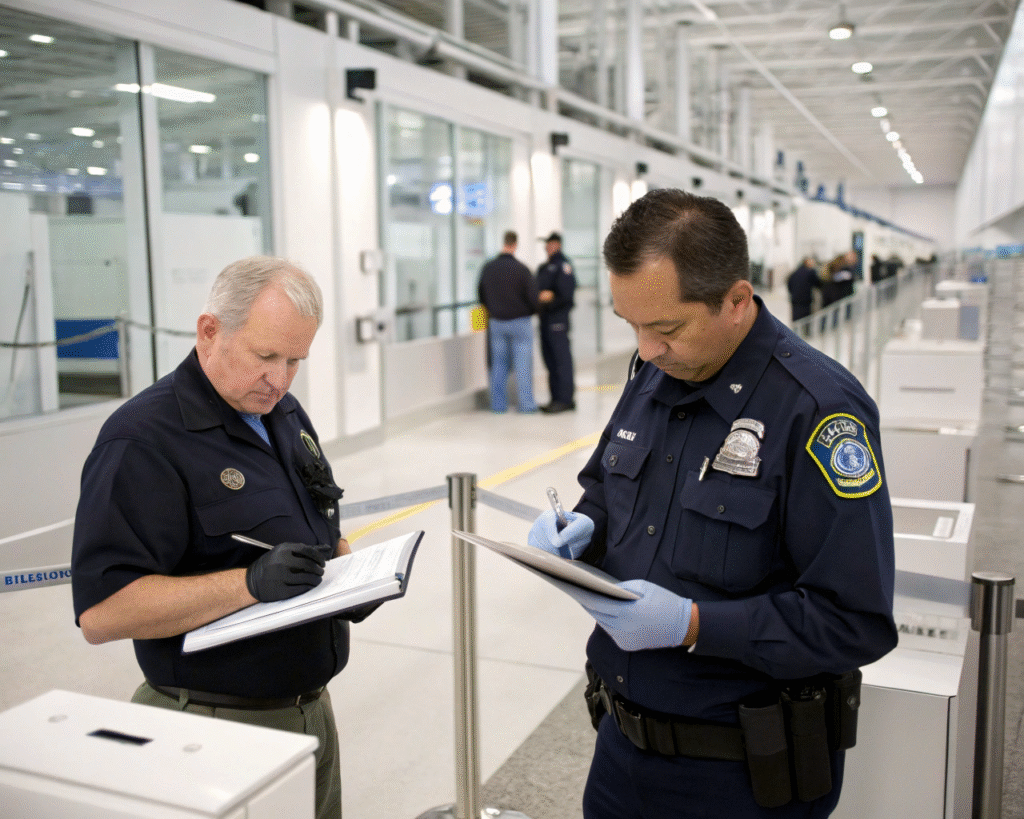
FDA inspections can occur at any US port of entry. When your shipment arrives, customs officials may take samples for laboratory analysis or conduct visual inspections. The FDA focuses on product safety, labeling accuracy, and compliance with specific regulations. Common inspection points include verifying product composition, checking for contamination, and confirming label claims match laboratory analysis.
The FDA uses a Predictive Risk-based Evaluation for Dynamic Import Compliance Targeting system to identify high-risk shipments. Understanding this system helps importers anticipate which shipments might receive extra scrutiny. Having complete and accurate documentation readily available can significantly speed up the inspection process.
What Are My Options if My Shipment Gets Detained?
If the FDA detains your shipment, you'll receive a notice detailing the specific violations. You typically have 10 days to respond with evidence addressing the concerns. Common responses include providing additional documentation, submitting laboratory analyses, or proposing relabeling to correct deficiencies.
For persistent compliance issues, consider pursuing FDA third-party certification programs. Some importers establish testing protocols with accredited laboratories to demonstrate ongoing compliance. Working with experienced customs clearance professionals who understand FDA procedures can significantly improve your chances of successful resolution when issues arise.
Conclusion
FDA compliance doesn't have to be intimidating when you understand the requirements and establish proper procedures. The key lies in thorough preparation – from supplier verification and proper classification to complete documentation and label compliance. By building relationships with experienced logistics partners and staying informed about regulatory changes, you can create a compliant import program that minimizes delays and maximizes efficiency.
At GeeseCargo, we've helped hundreds of importers navigate FDA requirements successfully. Our experience with FDA-regulated products, combined with our strong relationships with customs officials and testing laboratories, provides our clients with the confidence they need to import compliantly. Remember, investing in compliance upfront saves significant time and resources downstream.