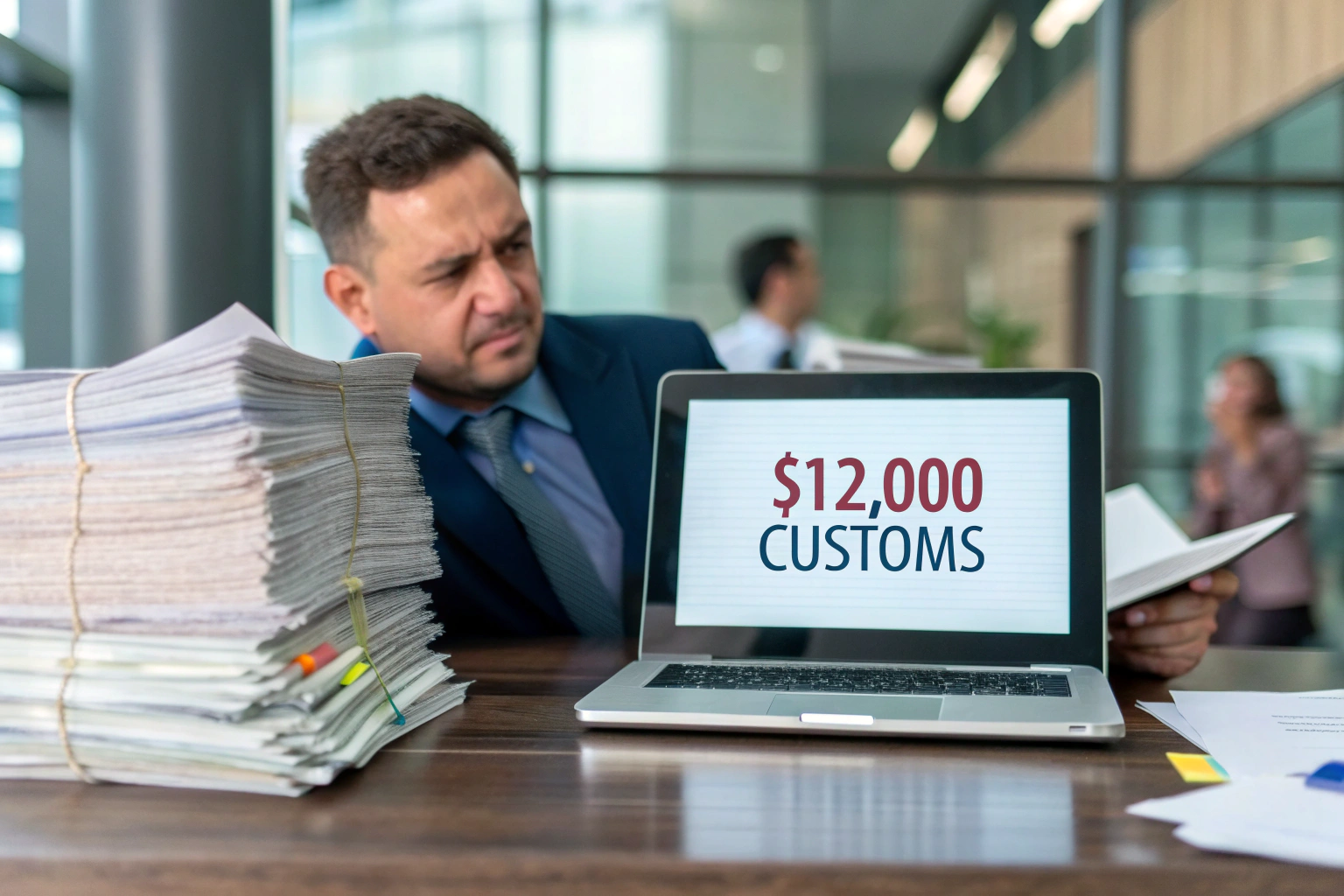
When one of our dropshipping clients received a $12,000 customs bill for shipments they thought were "customs-free," we discovered how many entrepreneurs misunderstand import regulations. As founder of GeeseCargo with extensive e-commerce experience, I've learned that customs compliance isn't optional for dropshippers—it's a fundamental business requirement that, when handled correctly, can become a competitive advantage.
Dropshippers are typically considered importers of record and must handle customs declarations, duty payments, and compliance for shipments exceeding $800 in value. For shipments under $800, most goods qualify for de minimis exemption and clear customs with minimal formalities, but proper product classification, valuation, and restricted goods compliance remain essential regardless of shipment value.
The decentralized nature of dropshipping creates unique customs challenges that differ from traditional importing. Understanding these nuances prevents costly delays, penalties, and customer experience issues that can destroy a dropshipping business.
What Are the Basic Customs Requirements for Dropshippers?
All international shipments must clear customs, but the process varies significantly based on shipment value and product characteristics.
How Does the De Minimis Threshold Affect Dropshipping?
The $800 de minimis threshold exempts low-value shipments from formal entry. Most dropshipped orders fall under this threshold, allowing streamlined clearance without full customs documentation or duty payments.
Proper product valuation is required even for de minimis shipments. Customs authorities still require accurate product value declaration, and undervaluation can result in penalties or loss of de minimis privileges.
Restricted goods don't qualify for simplified clearance. Products like cosmetics, electronics, food items, and children's products require additional documentation regardless of shipment value.
When Do Dropshipped Shipments Require Formal Entry?
Shipments exceeding $800 in value require formal customs entry. Consolidated shipments or high-value individual orders trigger full customs documentation, duty payment, and importer security filing requirements.
Restricted products always require formal documentation. Even low-value shipments of regulated goods need proper classification, certificates, and partner government agency approvals.
Certain countries have lower de minimis thresholds. While the US has an $800 threshold, other countries may have limits as low as $150, requiring formal entry for more shipments.
How Should Dropshippers Handle Product Classification and Valuation?
Proper classification and valuation form the foundation of customs compliance and determine duty rates and regulatory requirements.
How Do Dropshippers Determine Correct HS Codes?
Supplier-provided HS codes should be verified for accuracy. Chinese suppliers often provide codes optimized for Chinese exports rather than US imports, creating classification discrepancies.
Online classification tools provide starting points but require validation. The US Customs Ruling Online Search System (CROSS) and other databases help identify proper classifications for similar products.
Professional classification services may be worthwhile for high-volume products. For businesses with consistent product types, professional classification ensures accuracy and compliance.
What Valuation Rules Apply to Dropshipped Goods?
Transaction value method typically applies to dropshipped goods. The price actually paid by the customer, plus certain additions for assists or royalties, forms the basis for customs valuation.
Shipping and insurance costs may need inclusion in certain cases. While often excluded for de minimis shipments, these costs sometimes require inclusion for formal entries depending on incoterms.
Related-party transactions require special valuation consideration. If suppliers are related to the dropshipping business, additional valuation documentation may be required.
What Are the Compliance Requirements for Common Dropshipped Products?
Different product categories face specific regulatory requirements that dropshippers must address regardless of shipment value.

What Are the Requirements for Electronics and Electrical Goods?
FCC certification is required for electronic devices that emit radio frequencies. Most wireless devices, computers, and switching power supplies need FCC compliance documentation.
UL certification or equivalent safety standards may be required. While not always mandatory for import, many marketplaces and customers require recognized safety certifications.
Energy efficiency standards apply to certain products. Products like lighting, appliances, and power supplies may need DOE or ENERGY STAR compliance documentation.
How Should Dropshippers Handle Textiles and Apparel?
Textile country of origin labeling is mandatory for most apparel. Even for de minimis shipments, textile products require proper country of origin labeling and fiber content disclosure.
FTC care labeling rules apply to wearing apparel. Proper care instruction labels must be attached to clothing items, typically requiring supplier coordination.
Quota and trade agreement considerations affect certain textiles. Some textile categories face quota restrictions or require special documentation for preferential treatment.
How Can Dropshippers Manage Customs Efficiently at Scale?
Operational approaches that streamline customs processes prevent bottlenecks as order volumes increase.

What Technology Solutions Streamline Dropshipping Customs?
Customs management software automates classification and documentation. Platforms like CustomsNow, EZCustoms, or integrated solutions within e-commerce platforms can automate compliance processes.
API integrations connect storefronts with customs databases. Connecting your e-commerce platform with customs classification databases ensures consistent product information.
Shipping platform integrations handle customs documentation automatically. Many shipping platforms (ShipStation, Shippo) automatically generate required customs forms for international shipments.
What Operational Processes Ensure Ongoing Compliance?
Product information databases maintain consistent classification. Centralized product records with verified HS codes, values, and compliance requirements prevent classification errors.
Supplier compliance requirements ensure proper documentation. Requiring suppliers to provide accurate product information, certifications, and documentation as part of your supplier onboarding.
Regular compliance audits identify potential issues. Periodic reviews of customs declarations, product classifications, and supplier documentation catch problems before they cause major disruptions.
What Are the Common Customs Mistakes in Dropshipping?
Understanding frequent errors helps dropshippers avoid costly compliance issues and shipment delays.

What Valuation and Classification Errors Occur Most Often?
Undervaluation to avoid duties triggers penalties and delays. Declaring values below actual product costs may seem tempting but results in severe penalties when detected.
Incorrect HS code usage causes duty miscalculation and compliance issues. Using supplier-provided codes without verification often leads to incorrect duty rates and missed regulatory requirements.
Misunderstanding de minimis rules leads to non-compliance. Assuming all low-value shipments are exempt from all requirements causes problems with restricted or regulated products.
What Documentation and Process Mistakes Cause Problems?
Incomplete customs forms result in clearance delays. Missing information on commercial invoices or customs declarations causes inspections and delays that damage customer experience.
Incorrect importer of record designation creates liability issues. Not properly identifying who bears import responsibility causes confusion and potential penalty exposure.
Poor recordkeeping hampers audit defense and problem resolution. Inadequate documentation retention makes responding to customs inquiries or correcting errors difficult.
How Can Dropshippers Minimize Customs Costs and Delays?
Strategic approaches to customs management reduce costs while maintaining compliance and delivery speed.

What Strategies Reduce Duty Expenses Without Compliance Risk?
Proper classification optimization legally minimizes duty rates. Ensuring products are classified in the most appropriate category with the lowest legitimate duty rate reduces costs legally.
Trade agreement utilization provides duty savings where applicable. When sourcing from countries with US trade agreements, ensuring proper origin documentation qualifies for reduced or zero duties.
Product design considerations can affect classification and duties. Sometimes minor design changes can move products to lower-duty classifications without affecting functionality.
How Can Dropshippers Prevent Customs Clearance Delays?
Complete and accurate documentation prevents most delays. Ensuring all required information is complete, consistent, and accurate before shipment prevents customs holds.
Advance data submission enables pre-clearance. Providing customs data to carriers before shipment arrival allows preliminary review and faster release.
Supplier education and requirements improve documentation quality. Training suppliers on proper commercial invoices, packing lists, and other documentation prevents simple errors that cause delays.
What Are the Legal Responsibilities of Dropshippers as Importers?
Understanding legal obligations helps dropshippers structure their businesses properly and manage compliance risks.

What Are the Key Compliance Obligations for Dropshippers?
Reasonable care standard requires due diligence in customs matters. Dropshippers must exercise reasonable care in classifying, valuing, and documenting imported goods.
Recordkeeping requirements mandate document retention for five years. Commercial invoices, classification records, and other import documentation must be maintained for potential customs review.
Anti-dumping and countervailing duty compliance is mandatory. Dropshippers are responsible for identifying when special duties apply and ensuring proper payment.
What Liability and Penalty Exposures Do Dropshippers Face?
Monetary penalties for compliance violations can be substantial. Errors in classification, valuation, or documentation can trigger penalties based on the severity of violations.
Seizure and forfeiture risks exist for prohibited or non-compliant goods. Products that violate safety standards, intellectual property rights, or other regulations may be seized by customs.
Loss of import privileges can occur for repeated violations. Serious or repeated compliance failures can result in increased scrutiny, audits, or loss of streamlined processing options.
Conclusion
Customs compliance represents both a challenge and opportunity for dropshipping businesses. While adding complexity to an already demanding business model, proper customs management creates competitive advantages through faster delivery, fewer customer issues, and sustainable compliance. The most successful dropshippers integrate customs considerations into their core operations rather than treating them as an afterthought.
At GeeseCargo, we've helped dropshipping clients reduce customs-related delays by over 80% while ensuring full compliance through systematic approaches. The key is recognizing that customs isn't a barrier to overcome but a fundamental business process to master—much like marketing, customer service, or product sourcing.
Begin your customs compliance journey by thoroughly documenting your product portfolio, verifying classifications, and implementing systematic processes for customs documentation. Remember that in dropshipping, customs excellence isn't just about avoiding problems—it's about building a foundation for scalable, sustainable international e-commerce success.