When one of our clients discovered their trusted sourcing agent had been taking 15% secret commissions from factories for years, the betrayal cost them over $280,000 in inflated costs. As founder of GeeseCargo with extensive China sourcing experience, I've learned that finding a trustworthy agent requires more than just checking references—it demands systematic verification, clear contractual safeguards, and ongoing relationship management.
Finding a trustworthy sourcing agent in China requires verifying their business licenses, checking manufacturer references, implementing transparent payment structures, and conducting thorough due diligence. The most reliable agents typically have 5+ years of specific industry experience, maintain transparent fee structures, provide regular factory audits, and demonstrate cultural understanding of both Chinese manufacturing and Western business practices.
Trustworthy sourcing agents act as genuine partners rather than transactional intermediaries, protecting your interests while navigating China's complex manufacturing landscape. The right partnership typically reduces sourcing costs by 12-25% while improving quality consistency and supply chain reliability.
What Credentials and Verifications Ensure Agent Reliability?
Systematic verification of credentials and business practices separates legitimate agents from potentially problematic partners.

What Legal and Business Credentials Should You Verify?
Business license validation through official Chinese channels is essential. Legitimate agents should provide their Chinese business license (营业执照) that you can verify through local Administration for Market Regulation bureaus or third-party verification services.
Registered capital and business scope indicate stability and capability. Agents with substantial registered capital (typically ¥1 million+) and business scope covering your industry generally have more established operations and greater accountability.
Physical office verification through video tours or third-party visits confirms operational reality. Agents with proper offices, staff, and operational infrastructure typically provide more reliable service than home-based or virtual operations.
How Can You Verify an Agent's Manufacturer Relationships?
Factory reference checks with other foreign clients provide unbiased insights. Speaking directly with other importers (especially those outside your industry) reveals how agents handle challenges and communicate transparently.
Manufacturer visits with your agent demonstrate their factory relationships. Observing how factory managers interact with your agent during visits indicates their relationship quality and influence.
Production track record in your specific product category ensures relevant experience. Agents with proven experience sourcing similar products understand industry-specific challenges, quality standards, and reliable manufacturers.
What Transparent Business Practices Indicate Trustworthiness?
Clear, consistent business practices and communication styles typically indicate reliable partners who prioritize long-term relationships over short-term gains.

What Payment Structures Promote Honest Relationships?
Transparent fee structures with no hidden factory commissions create alignment. Trustworthy agents typically charge fixed service fees, percentage-based fees, or hourly rates rather than earning undisclosed factory commissions.
Direct factory payments with agent supervision maintain financial control. Paying manufacturers directly while having your agent verify quality and progress prevents financial manipulation and ensures factory accountability.
Performance-based compensation aligns interests with your outcomes. Structures where agents earn bonuses for cost savings, quality improvements, or on-time delivery incentivize behaviors that benefit your business.
What Communication Practices Build Trust?
Regular, detailed reporting with supporting evidence demonstrates transparency. Trustworthy agents provide comprehensive updates including factory photos, production progress reports, and quality inspection results.
Proactive problem disclosure rather than concealment indicates integrity. Agents who immediately communicate issues like production delays, quality problems, or cost increases typically prioritize solving problems over hiding them.
Multiple communication channels with consistent messaging ensure reliability. Agents accessible via WeChat, email, video calls, and in-person meetings typically provide more consistent service than those with limited availability.
How Can You Structure the Relationship for Success?
Proper contractual frameworks and operational processes create environments where trust can develop and be maintained.

What Contractual Elements Protect Your Interests?
Clear scope of work with deliverables and timelines prevents misunderstandings. Detailed contracts specifying inspection requirements, communication frequency, and reporting standards set clear expectations.
Confidentiality and non-compete clauses protect your intellectual property. Strong contractual protection prevents agents from sharing your designs, supplier information, or business strategies with competitors.
Performance metrics with audit rights enable ongoing verification. Contracts should include quality standards, cost-saving targets, and communication requirements with rights to verify performance through third-party audits.
What Operational Processes Ensure Accountability?
Regular factory audits by third-party inspectors verify agent reports. Independent quality control companies can validate your agent's factory assessments and quality inspections.
Direct manufacturer relationships with agent coordination maintain oversight. Developing relationships with your manufacturers while using the agent for coordination prevents over-dependence and provides verification.
Phased implementation starting with smaller orders tests capabilities. Beginning with lower-risk orders allows performance assessment before committing to larger, more critical production runs.
What Red Flags Should You Watch For?
Recognizing warning signs early prevents costly relationships with unreliable agents.

What Communication and Behavioral Patterns Indicate Problems?
Resistance to transparency or verification requests suggests hidden issues. Agents who avoid factory visits, resist third-party inspections, or withhold manufacturer contacts typically have something to conceal.
Overpromising and underdelivering indicates inexperience or dishonesty. Agents guaranteeing unrealistically low prices, impossibly quick production, or perfect quality typically lack experience or integrity.
Defensive responses to reasonable questions reveal poor partnership mentality. Trustworthy agents welcome questions as opportunities to demonstrate their capabilities and build confidence.
What Financial Practices Signal Potential Issues?
Unwillingness to work with transparent payment structures suggests hidden commissions. Agents insisting on controlling payments or refusing transparent fee arrangements typically earn undisclosed factory kickbacks.
Unexplained cost increases or inconsistent pricing indicates financial manipulation. Legitimate agents can clearly explain pricing components and justify cost changes with detailed breakdowns.
Pressure to move relationships away from standard business practices often precedes problems. Agents suggesting unusual payment methods, atypical contracts, or non-standard processes may be attempting to avoid accountability.
How Can You Build Trust Gradually?
Trust develops through consistent performance over time, supported by appropriate verification and clear communication.

What Progressive Relationship Development Looks Like?
Initial verification phase establishes baseline credibility. The first 1-3 months should involve thorough due diligence, small test orders, and verification of key capabilities.
Proven performance phase demonstrates reliability. Months 3-12 typically involve larger orders, handling of challenges, and consistent delivery against agreed standards.
Strategic partnership phase evolves from repeated success. After 12+ months of reliable performance, relationships can evolve to include greater responsibility, strategic planning, and expanded scope.
What Ongoing Verification Maintains Trust?
Regular performance reviews with metric assessment ensure maintained standards. Quarterly business reviews examining cost performance, quality metrics, and communication effectiveness keep partnerships aligned.
Periodic third-party audits provide objective verification. Annual or semi-annual audits by independent quality control firms validate that performance matches reporting.
Direct manufacturer feedback offers alternative perspectives. Occasionally speaking directly with your manufacturers (with your agent present) provides insights into your agent's representation and factory relationships.
What Industry-Specific Considerations Matter?
Different product categories require specialized agent expertise and present unique trust challenges.
How Do Agent Requirements Vary by Product Type?
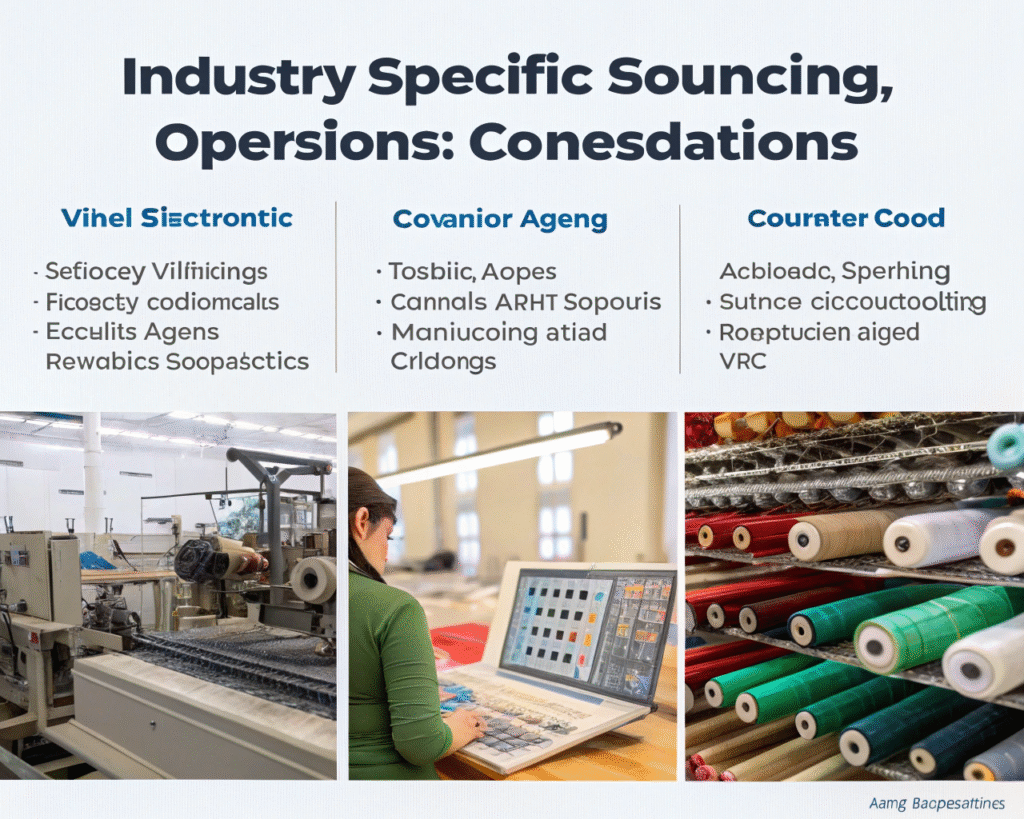
Electronics sourcing requires technical expertise and component knowledge. Agents need understanding of electronic components, certifications (CE, FCC, RoHS), and technical specifications to properly evaluate manufacturers and ensure compliance.
Textile and apparel sourcing demands material and manufacturing process knowledge. Trustworthy agents understand fabric quality, dyeing processes, sizing standards, and social compliance requirements for garment factories.
Mechanical and hardware products need engineering and precision manufacturing understanding. Agents should comprehend machining tolerances, material properties, and finishing processes to properly evaluate manufacturers and ensure quality.
What Specialized Verification Applies to Different Industries?
Factory certification verification varies by product category. Electronics factories may need ISO, IATF, or specific client certifications, while food-related manufacturers require FDA, HACCP, or BRC certifications.
Product-specific testing requirements need agent understanding. Reliable agents know which third-party tests (material composition, safety, performance) apply to your products and how to verify compliance.
Industry-specific compliance knowledge prevents regulatory issues. Trustworthy agents understand relevant regulations (REACH, CPSIA, Prop 65) and can ensure manufacturers meet requirements for your target markets.
Conclusion
Finding a trustworthy sourcing agent in China requires systematic verification, clear contractual frameworks, and gradual trust development through proven performance. The most successful partnerships balance appropriate oversight with relationship building, creating collaborations where both parties benefit from shared success.
At GeeseCargo, we've helped clients establish sourcing partnerships that reduced costs by 18-32% while improving quality consistency and supply chain reliability. The most effective approaches combine thorough due diligence with structured relationship management, recognizing that trust must be both earned and verified.
Begin your agent search by clearly defining your requirements and non-negotiable standards, then systematically verify potential partners against both capability and integrity criteria. Remember that the most valuable sourcing relationships develop over time through consistent performance, transparent communication, and shared success—the modest investment in thorough vetting typically returns many times over in avoided problems and improved outcomes.