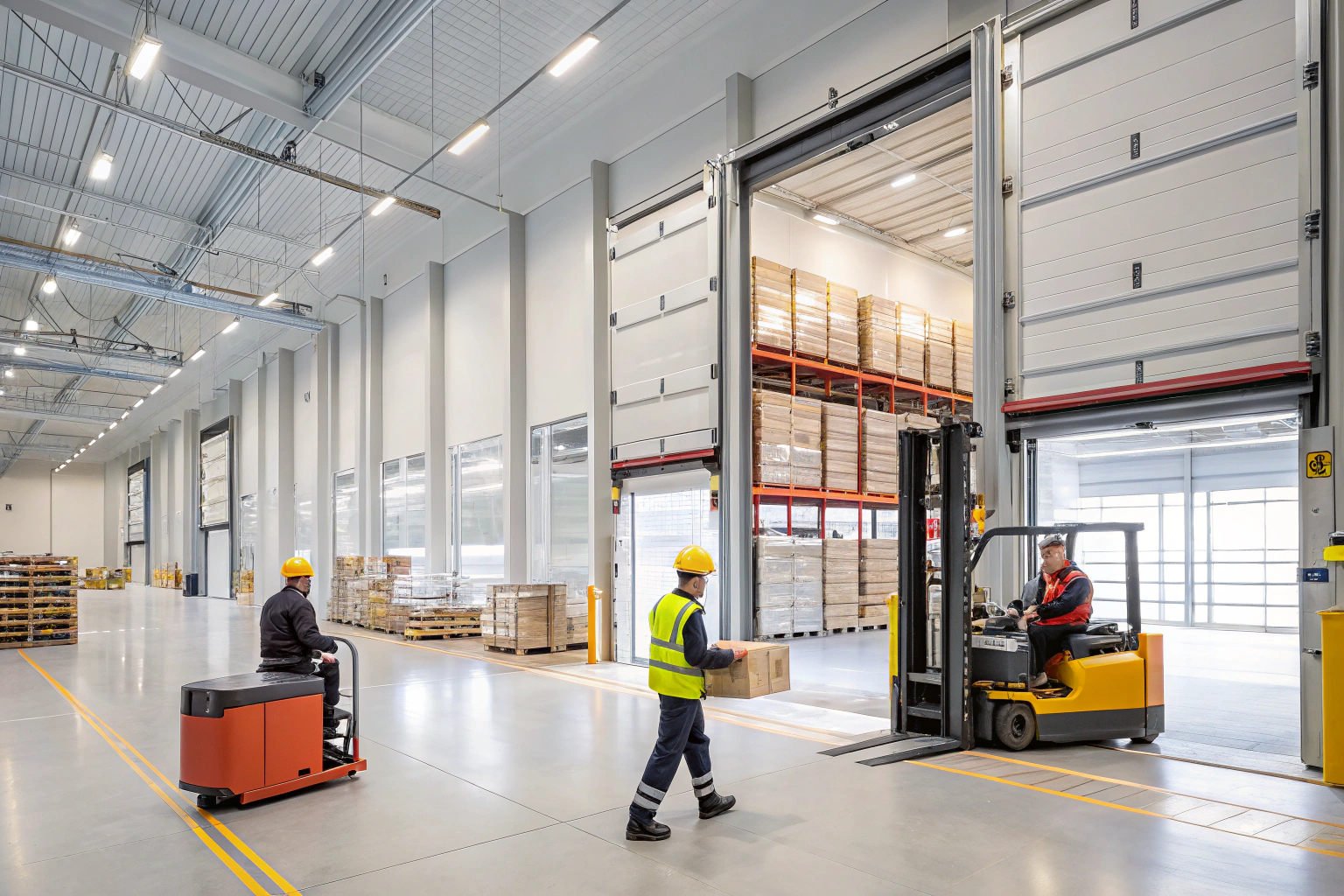
When one of our e-commerce clients lost $47,000 in inventory due to poor warehouse management, I realized how crucial the right warehousing partner is for business success. As founder of GeeseCargo with extensive US logistics experience, I’ve learned that a good warehousing partner does more than just store goods—they become an extension of your operations, impacting everything from customer satisfaction to cash flow.
Finding a good warehousing partner requires evaluating location strategy, technology capabilities, service flexibility, and cultural fit. The ideal partner should offer scalable space, robust inventory management systems, value-added services, and proven performance metrics. Companies typically evaluate 3-5 potential partners through RFPs, facility tours, and reference checks before selecting their long-term warehousing solution.
The warehouse selection process involves balancing cost, capability, and compatibility factors. The most successful partnerships align business objectives, operational styles, and growth trajectories to create symbiotic relationships rather than transactional arrangements.
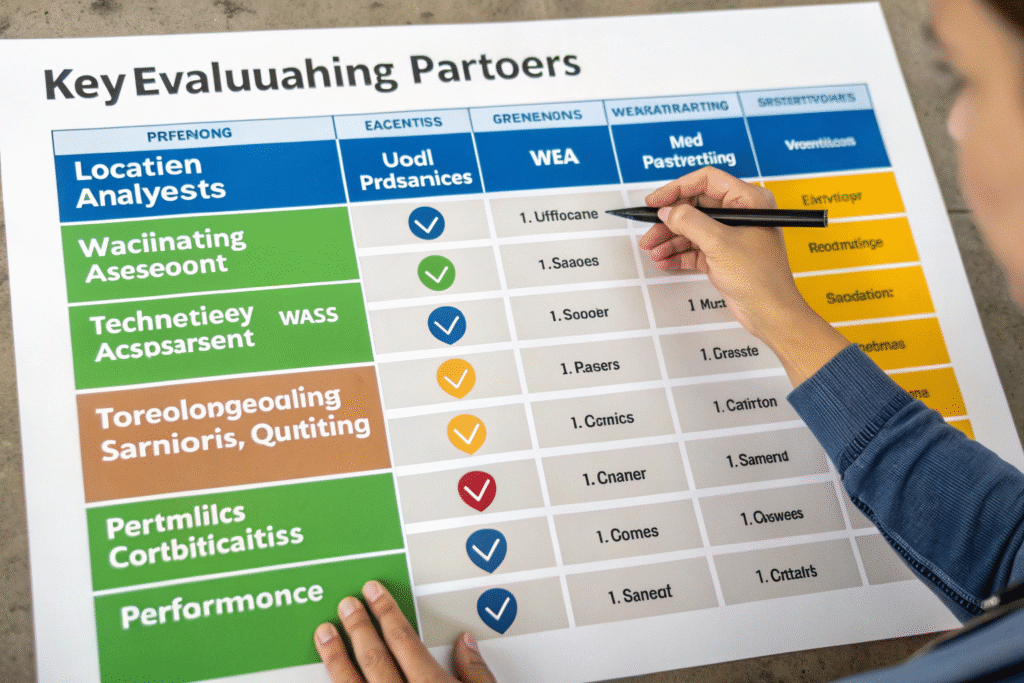
What Key Factors Should You Evaluate in Potential Partners?
Systematic evaluation of specific capabilities and characteristics separates adequate warehouses from exceptional partners.
How Important Is Geographic Location and Network Strategy?
Proximity to customer concentrations reduces transit times and costs. For e-commerce, warehouses within 1-2 days ground shipping of major customer bases typically provide the optimal balance of speed and cost.
Port access and transportation infrastructure affect inbound logistics. Warehouses near major ports or with direct rail spurs can significantly reduce drayage costs and handling for import-heavy businesses.
Multi-location networks provide redundancy and regional optimization. Partners with multiple facilities across different regions offer disaster recovery options and regional fulfillment advantages.
What Technology Capabilities Are Non-Negotiable?
WMS (Warehouse Management System) sophistication directly impacts visibility and accuracy. Modern systems should provide real-time inventory tracking, order management, and integration capabilities with your e-commerce platforms.
API integration enables seamless data exchange between systems. The ability to connect their WMS with your ERP, e-commerce, and transportation systems prevents manual data entry and errors.
Reporting and analytics capabilities support business intelligence. Partners should provide detailed performance metrics, inventory analytics, and customizable reporting for informed decision-making.
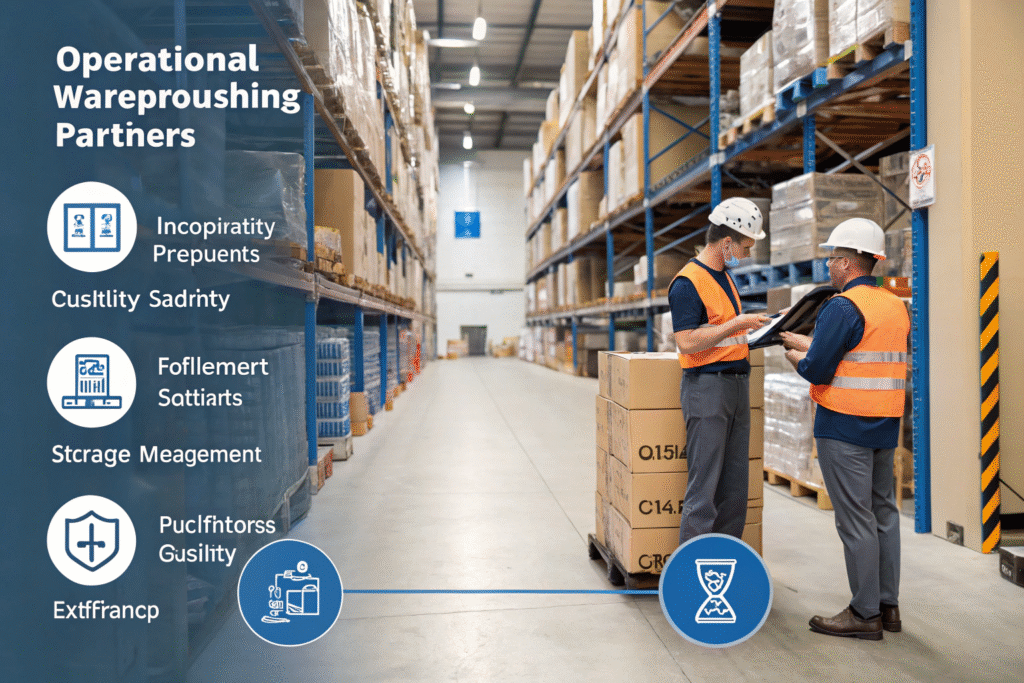
What Operational Capabilities Differentiate Great Partners?
Beyond basic storage, operational excellence in specific areas determines whether a warehouse can support your business effectively.
How Should You Assess Order Fulfillment Capabilities?
Order accuracy rates should exceed 99.5% for quality operations. The percentage of orders shipped correctly the first time directly impacts customer satisfaction and return costs.
Same-day fulfillment capability is essential for modern e-commerce. The ability to process and ship orders received by specific cutoff times (often 3-5 PM local time) maintains competitive service levels.
Peak season scalability prevents holiday bottlenecks. Understanding how partners handle 3-5x normal volume during peak periods indicates their operational resilience and planning.
What Value-Added Services Provide Competitive Advantage?
Kitting and assembly services enable product customization. Partners who can bundle products, create gift sets, or perform light manufacturing add significant flexibility to your operations.
Returns processing and reverse logistics management reduce administrative burden. Comprehensive returns handling including inspection, restocking, and disposal streamlines a traditionally complex process.
Quality control and inspection services maintain product standards. Warehouses that can perform inbound quality checks and periodic cycle counts help maintain inventory accuracy and product quality.
How Can You Verify Potential Partners’ Reliability and Performance?
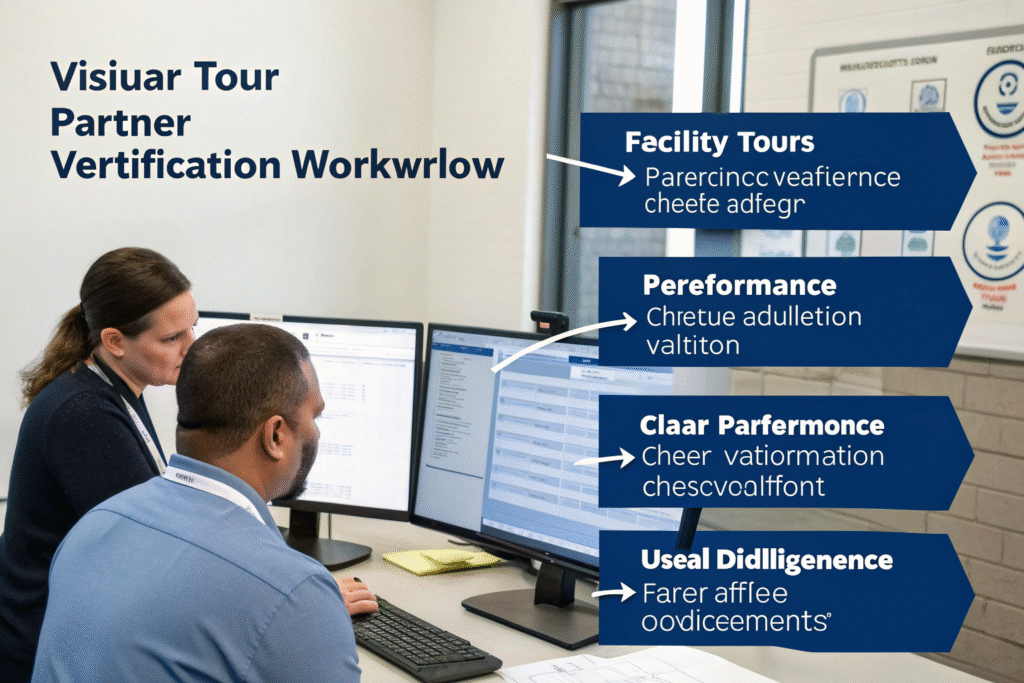
Due diligence separates marketing claims from operational reality through systematic verification.
What Due Diligence Activities Reveal True Capabilities?
Unannounced facility tours provide unfiltered views of operations. While scheduled tours show prepared environments, unexpected visits reveal daily operational realities and housekeeping standards.
Customer reference checks with similar businesses offer relevant insights. Speaking with companies of similar size, complexity, and industry provides applicable performance data rather than generic testimonials.
Financial stability review ensures long-term partnership viability. Checking credit ratings, years in business, and ownership structure helps assess staying power and reliability.
What Performance Metrics Should You Request and Verify?
Order fulfillment timeliness measures operational efficiency. The percentage of orders shipped within service level agreements (typically 24-48 hours) indicates reliability.
Inventory accuracy rates demonstrate process control. Physical inventory counts should match system records with 99%+ accuracy for quality operations.
Damage and loss rates reflect care and processes. Quality warehouses maintain damage rates below 0.5% of inventory value through proper handling and security measures.
What Contract and Commercial Considerations Matter Most?
The business terms and contractual structures significantly impact partnership success and flexibility.
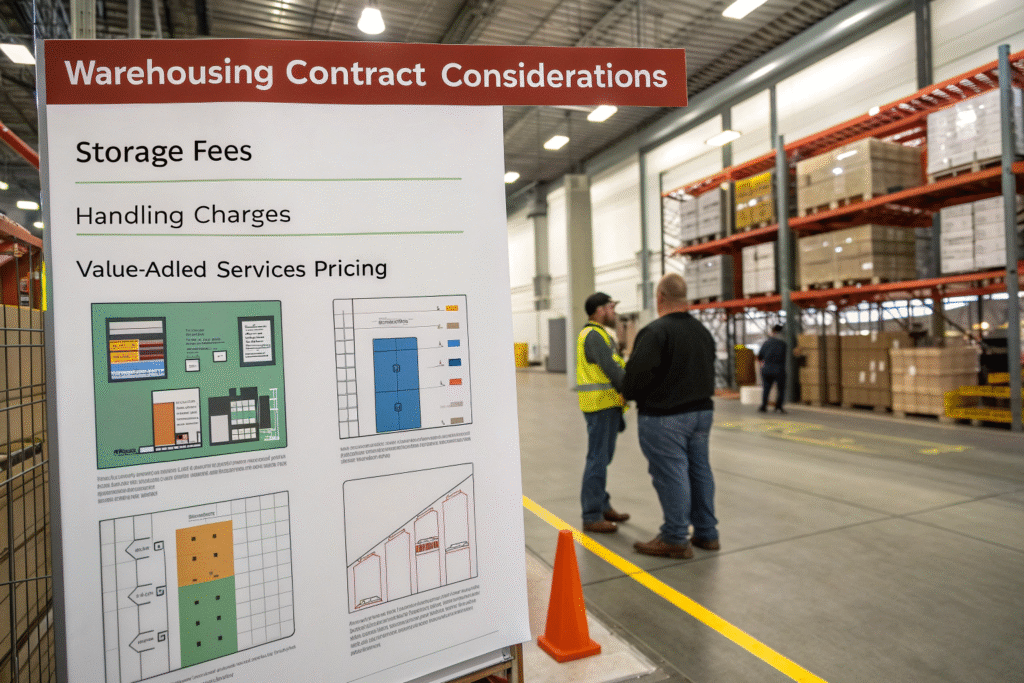
How Should You Structure Pricing and Contracts?
Avoid long-term contracts initially to test performance. Starting with 6-12 month agreements allows performance validation before committing to longer terms.
Understand all cost components beyond basic storage. In addition to pallet storage fees, consider handling charges, minimum fees, accessorial charges, and potential hidden costs.
Negotiate flexibility for business fluctuations. Contracts should accommodate seasonal volume changes, space adjustments, and service modifications without excessive penalties.
What Service Level Agreements Protect Your Interests?
Clear performance metrics with remedies for underperformance. SLAs should specify measurable standards for order accuracy, fulfillment timeliness, and inventory accuracy with financial consequences for missing targets.
Responsibility matrices prevent operational gaps. Clearly defining who handles what activities—from receiving inspections to customer communication—prevents misunderstandings.
Disaster recovery and business continuity requirements ensure resilience. Partners should have documented plans for power outages, system failures, and other disruptions that could impact your operations.
How Can You Ensure Cultural and Strategic Alignment?
Beyond operational capabilities, the human and strategic elements often determine partnership success.
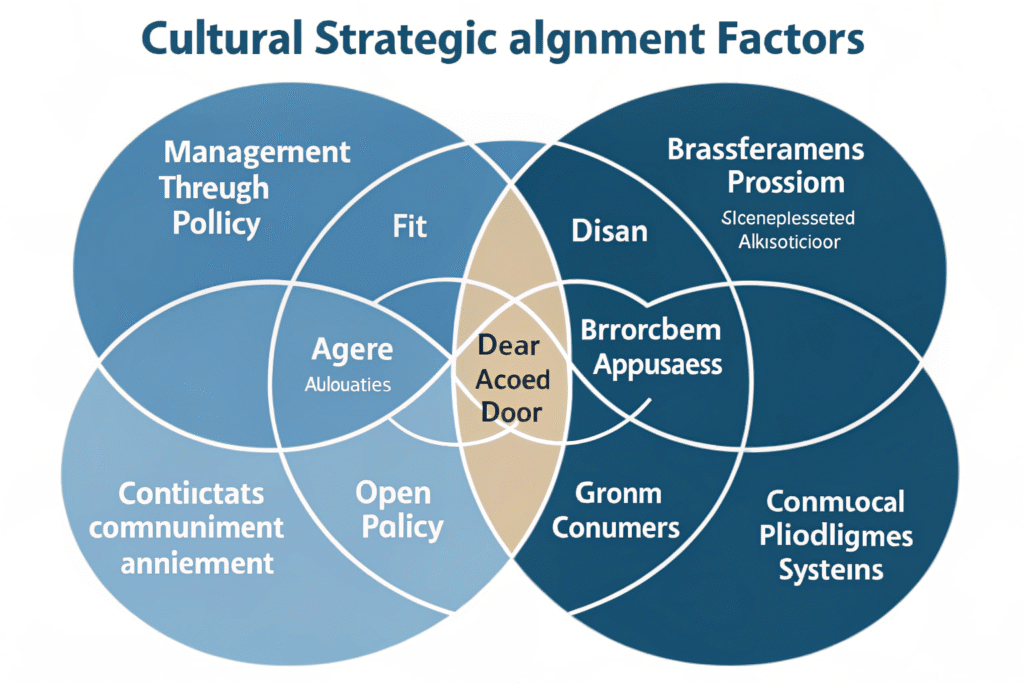
What Cultural Factors Impact Partnership Success?
Communication style and responsiveness affect issue resolution. Partners who provide proactive updates, quick responses, and transparent communication typically resolve problems more effectively.
Problem-solving approach indicates partnership mentality. Warehouses that take ownership of issues and develop collaborative solutions outperform those with transactional mentalities.
Management accessibility ensures escalation paths work. Knowing you can reach decision-makers during critical situations provides confidence in the partnership.
How Important Is Strategic Growth Alignment?
Capacity planning discussions reveal future capabilities. Understanding how partners will support your growth—both in space and services—prevents future misalignments.
Technology roadmap alignment ensures future capabilities match. Partners investing in automation, system upgrades, and new capabilities likely remain competitive longer.
Industry specialization can provide valuable expertise. Warehouses focusing on your industry (e-commerce, healthcare, automotive) typically understand specific requirements and challenges better.
What Are Common Warehouse Selection Mistakes?
Understanding frequent errors helps businesses avoid costly partnership problems.
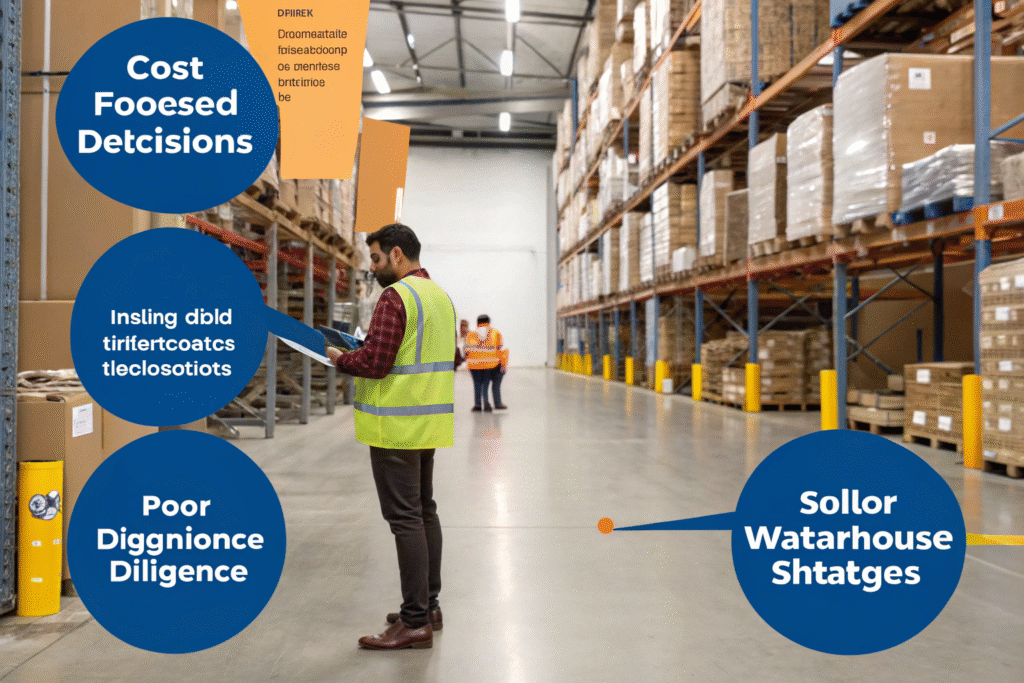
What Strategic Errors Undermine Warehouse Partnerships?
Prioritizing cost over capability and reliability. The cheapest warehouse often becomes the most expensive through errors, delays, and operational inefficiencies that impact your customers.
Underestimating the importance of technology integration. Manual processes, poor visibility, and integration challenges create operational friction that impacts your business performance.
Overlooking scalability for future growth. Partners unable to accommodate your growth plans create disruptive transitions just when business momentum is strongest.
What Operational Oversights Cause Partnership Problems?
Inadequate disaster recovery and business continuity planning. Failure to verify backup systems, redundancy, and recovery procedures creates vulnerability to disruptions.
Poor understanding of the partner’s customer concentration. Warehouses overly dependent on one or two large clients may deprioritize your business during their peak periods.
Insufficient trial period or gradual ramp-up. Transitioning all volume immediately to a new partner without testing creates risk if operational issues emerge.
Conclusion
Finding a good warehousing partner requires systematic evaluation of operational capabilities, technological sophistication, cultural alignment, and strategic fit. The most successful companies treat warehouse selection as a strategic decision rather than a tactical procurement activity, recognizing that the right partner significantly impacts customer satisfaction, operational efficiency, and business scalability.
At GeeseCargo, we’ve helped clients establish warehousing partnerships that reduced fulfillment costs by 18-35% while improving service levels by 25-40%. The most successful outcomes come from thorough due diligence, clear requirement definition, and gradual relationship building rather than rushed decisions based on limited criteria.
Begin your search by clearly documenting your current and future requirements, then systematically evaluate potential partners against both operational capabilities and cultural alignment. Remember that the best warehousing partnerships evolve into strategic alliances that support your growth while adapting to changing market conditions and business needs.