For multinational enterprises, the effectiveness of inventory management is strongly tied to the dependability of logistics operations. Disruptions such as port congestion, missing paperwork, or sudden surcharges can interrupt product flow and result in costly shortages. This leads to a key question: in what ways do freight forwarders help firms keep stock levels aligned with market needs?
Forwarders contribute to timely inventory management by offering stable shipping timetables, optimizing transport combinations, coordinating clearance procedures, and delivering real-time visibility. Their specialized knowledge ensures supply chains remain continuous and resilient, reducing the risk of unnecessary disruptions.
This discussion highlights how freight partners enhance inventory efficiency, from reducing lead times to lowering warehousing expenses. Step by step, we see why they are indispensable for contemporary supply networks.
Why Does Inventory Management Depend on Freight Reliability?
Managing stock is not limited to warehousing; it also hinges on how smoothly goods move across borders. Unstable freight services often create overstock in one region and critical shortages in another.
The essential link between reliable freight and inventory control lies in minimizing transit delays while keeping product movement synchronized with consumer demand.
When transport schedules are aligned with procurement and sales cycles, forwarders help companies avoid both understocking and excessive accumulation.
How Do Shipping Delays Influence Stock Levels?
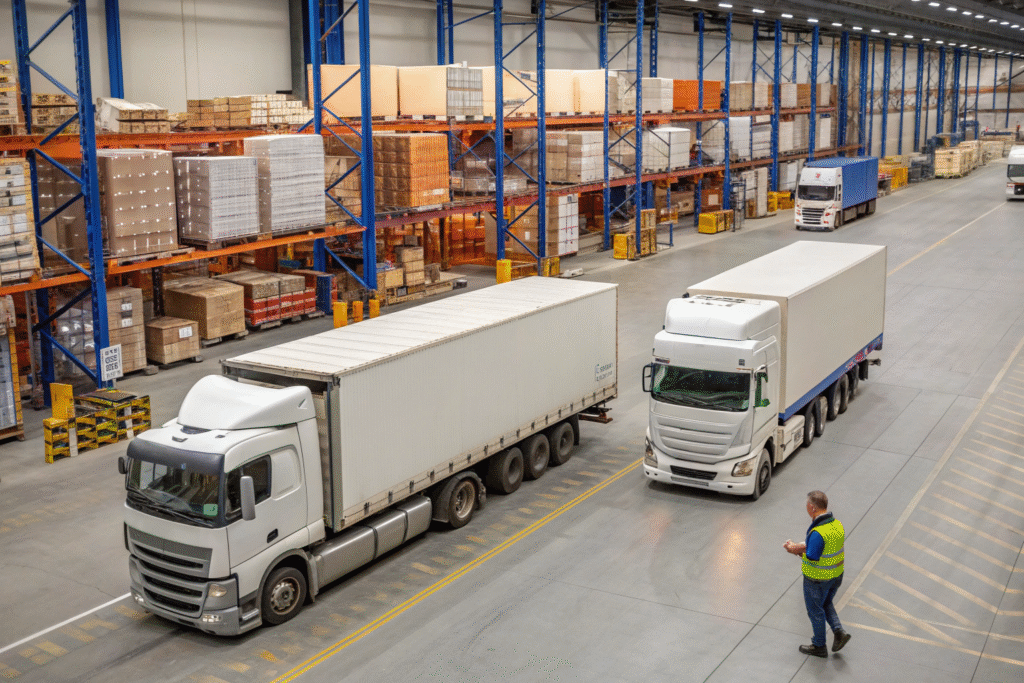
Late shipments can quickly deplete warehouse reserves, which in turn leads to lost sales. For retailers, these disruptions translate directly into reduced customer satisfaction and declining revenue.
To mitigate this, forwarders maintain cooperation with several carriers such as Maersk and CMA CGM, ensuring that dependency on a single operator does not threaten supply continuity.
Why Is Predictability Critical in Freight Services?
Stable and predictable schedules allow firms to plan replenishment with confidence. Without such reliability, businesses either tie up capital in surplus stock or face the consequences of empty shelves.
Digital platforms like Freightos provide schedule comparison tools, enabling forwarders to present their clients with the most dependable alternatives.
How Do Forwarders Shorten Lead Times?
Lead time directly determines how quickly firms can react to demand changes. The shorter the interval, the greater the responsiveness.
Forwarders cut lead times by selecting efficient routes, integrating multiple transport modes, and expediting clearance procedures.
Their ability to reroute cargo or shift modes helps maintain resilient supply chains that adapt quickly to disruptions.

How Does Multimodal Transport Contribute to Efficiency?
Air freight provides speed, whereas ocean freight offers lower costs. When these options are combined with rail or road, forwarders design multimodal systems that achieve balance.
For instance, RailFreight.com illustrates how rail services connecting Asia with Europe cut transit times significantly compared to sea transport alone.
Can Customs Procedures Extend Lead Time?
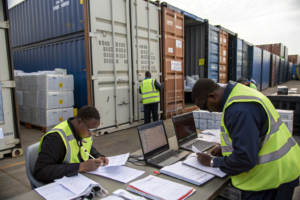
Yes. Clearance delays remain one of the most common obstacles to timely delivery. Freight forwarders, acting as intermediaries, prepare documents in advance and ensure compliance with regulations.
Organizations such as Expeditors focus on providing clearance assistance, allowing shipments to cross borders more smoothly.
How Do Forwarders Optimize Inventory and Storage Costs?
Excess stock drives up warehousing expenses, while insufficient stock risks missed sales. Forwarders help balance these pressures by synchronizing deliveries with demand cycles.
By aligning shipment schedules with sales projections, they reduce the need for safety stock and limit unnecessary storage costs.
This approach is particularly valuable for industries where demand fluctuates seasonally.

How Do Forwarders Assist Just-in-Time Models?
Just-in-time (JIT) systems require goods to arrive precisely when production or sales activities demand them. Any delay can disrupt entire operations.
Forwarders collaborate with companies such as DHL and Kuehne+Nagel to maintain schedules consistent with JIT requirements, minimizing the risk of downtime.
Why Is Demand Forecasting Connected to Freight Services?
Accurate forecasting is effective only when shipping is reliable enough to meet predicted demand. Forwarders integrate transport data into supply chain planning tools, ensuring projections align with actual capacity.
Technologies like Project44 enhance visibility by linking forecasting models directly with shipment tracking.
How Does Technology Enhance Inventory Flow?
Modern technology has transformed freight forwarding, enabling services that are faster, more transparent, and more reliable.
Through digital platforms, live tracking, and predictive analytics, forwarders help clients maintain steady inventory flows and adjust strategies proactively.
With these tools, businesses gain clear insight into shipment locations and expected arrivals, leading to more precise inventory planning.

How Does Real-Time Tracking Improve Accuracy?
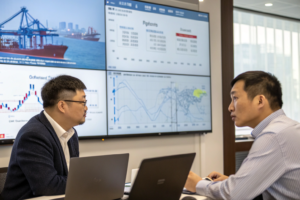
Tracking technology provides up-to-the-minute information, enabling firms to fine-tune inventory plans as shipments progress.
Many forwarders connect with systems such as FourKites to supply clients with continuous shipment updates, ensuring timely replenishment.
Can Predictive Analytics Strengthen Inventory Strategies?
Yes. Predictive models allow forwarders to anticipate risks and recommend adjustments before problems escalate.
Providers like Flexport rely on AI-driven systems to forecast disruptions and help businesses adapt their inventory strategies ahead of time.
Conclusion
Freight forwarders significantly influence the efficiency of inventory management. They cut lead times, balance storage costs, provide predictable scheduling, and employ advanced technologies for greater visibility.
By combining expertise with global networks and digital platforms, forwarders give businesses the stability needed to maintain consistent stock levels, meet demand, and lower operational risks.
In a global marketplace where speed and precision matter, partnering with skilled forwarders is essential for organizations determined to keep inventory management both timely and efficient.