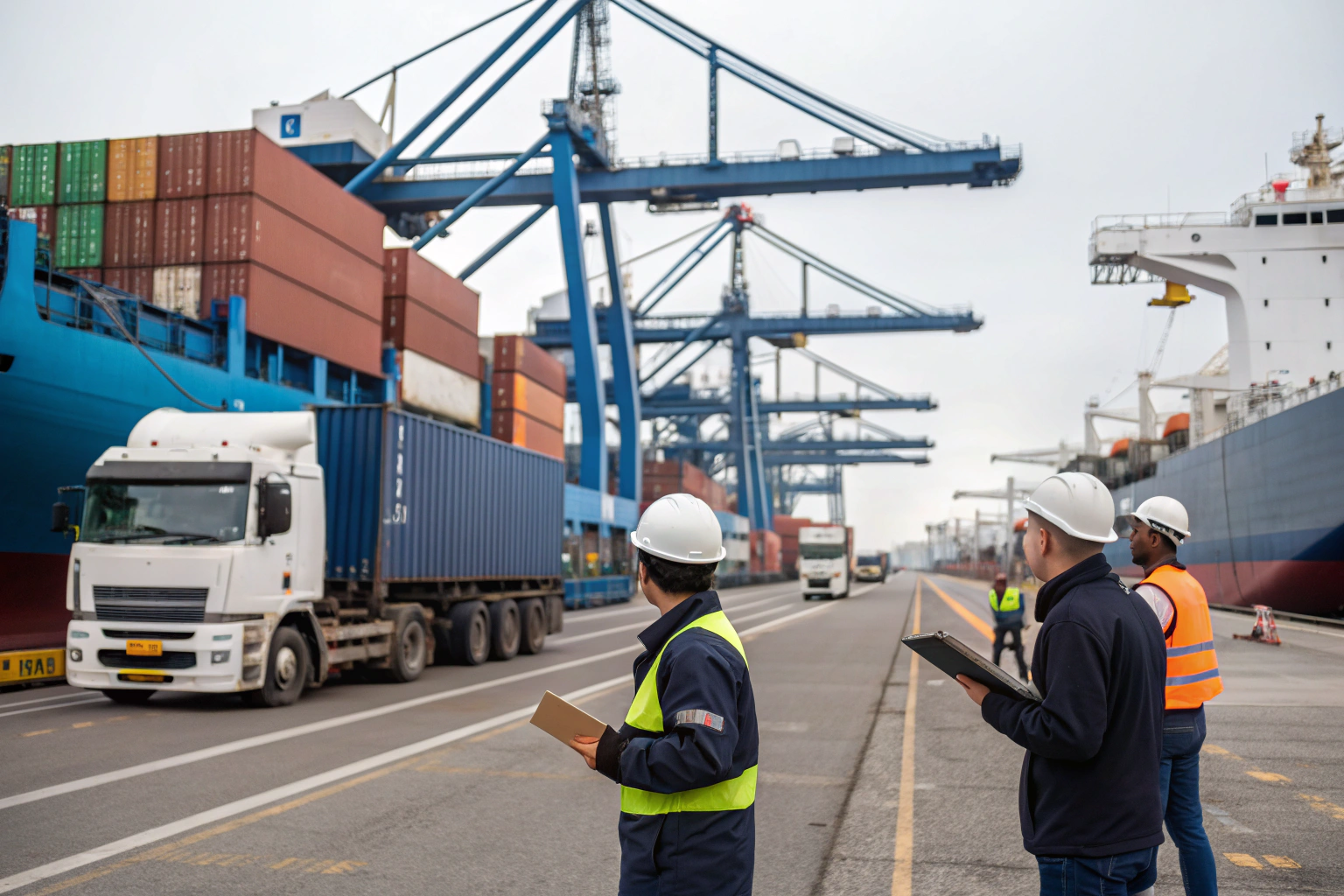
Ports are the busiest hubs in global trade. Containers are loaded, unloaded, and inspected around the clock. For many importers and exporters, the port is where delays, errors, and costs quickly pile up. As a freight forwarder, I know how overwhelming port operations can feel for businesses unfamiliar with customs procedures, terminal rules, or cargo handling requirements.
This is where freight forwarders step in. We simplify port operations by coordinating with carriers, handling customs paperwork, and managing cargo flow from arrival to departure.
For business owners like Ron in the U.S., who ship large volumes of goods from China, trusting a freight forwarder means smoother port handling, fewer delays, and lower costs. Let’s look at how forwarders simplify the entire process.
What Challenges Do Businesses Face at Ports?
Ports are complex environments. Every day, thousands of containers pass through, and strict regulations must be followed.
The biggest challenges include port congestion, customs clearance delays, and miscommunication with carriers. Without proper guidance, businesses often face fines and shipment slowdowns.
Why Is Port Congestion a Major Problem?
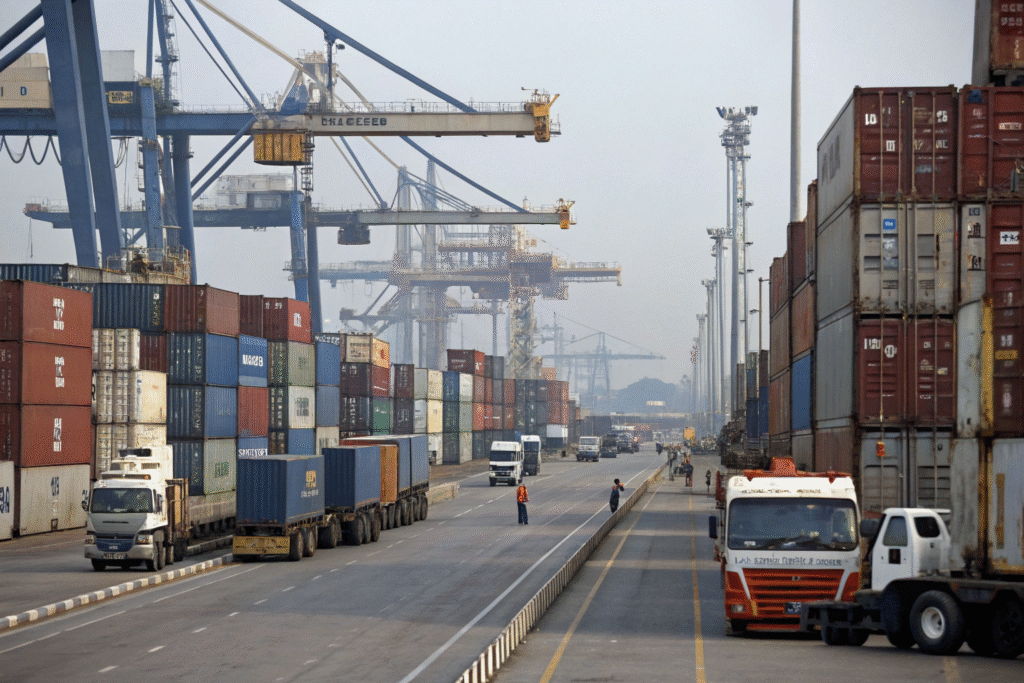
Port congestion leads to long waiting times for ships and trucks. According to MarineTraffic, congestion at major U.S. ports has caused delays of weeks during peak seasons. For importers, this means higher demurrage and storage fees.
Freight forwarders minimize congestion risks by booking slots early, choosing alternative terminals, and planning routes in advance.
How Do Customs Delays Impact Businesses?
Customs clearance issues often delay shipments at ports. Inaccurate documentation, wrong HS codes, or missing certificates can stop cargo. Reports from U.S. Customs and Border Protection show that incomplete paperwork is one of the leading causes of port delays.
Forwarders prevent this by preparing accurate customs documents and communicating directly with customs officers.
How Do Freight Forwarders Coordinate with Port Authorities?
One of the most important roles of freight forwarders is managing relationships at the port.
We coordinate with customs, terminal operators, and carriers to keep cargo moving without interruption.
How Do Forwarders Work with Customs?
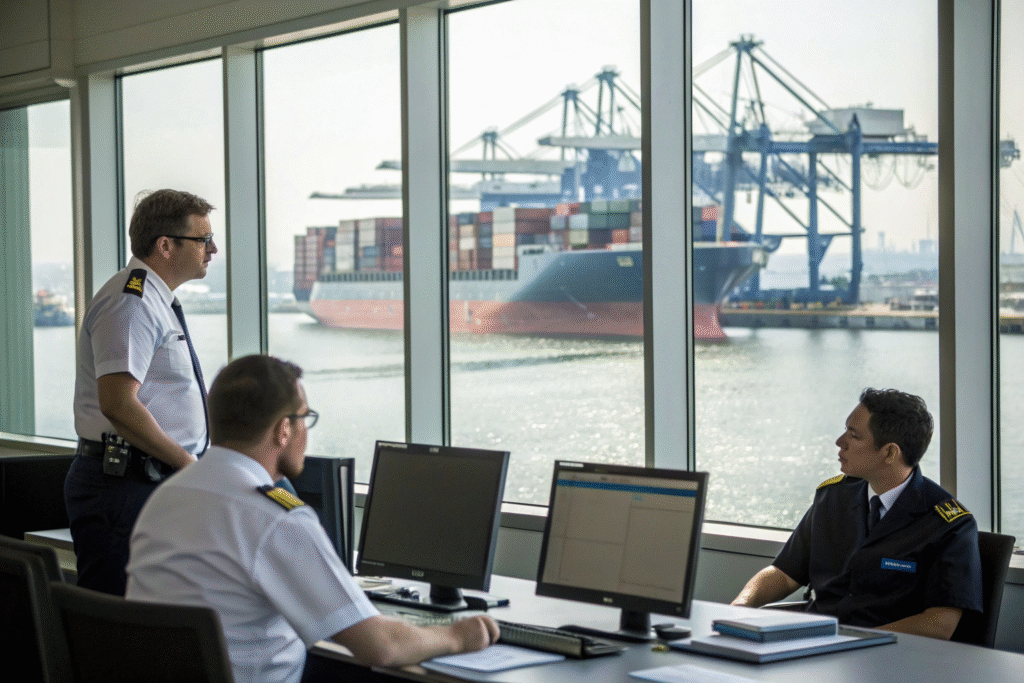
Customs clearance requires speed and accuracy. Freight forwarders act as licensed brokers or work with licensed partners to handle formalities. They submit digital documents to customs systems, reducing inspection risks. Platforms like Descartes Customs Info help us stay updated on regulatory changes.
This coordination ensures faster release of shipments and fewer compliance issues.
Why Is Communication with Port Terminals Important?
Each port terminal has its own procedures for container pickup, loading, and storage. Miscommunication can cause unnecessary fees. Freight forwarders maintain direct contact with terminal staff to schedule handling efficiently.
At GeeseCargo, our local contacts in Asian, European, and American ports allow us to resolve issues faster than importers could alone.
What Services Do Freight Forwarders Provide at Ports?
Freight forwarders offer a wide range of services designed to simplify port operations for clients.
These include customs brokerage, cargo inspection, warehousing, and last-mile delivery coordination.
How Do Forwarders Manage Cargo Inspections?
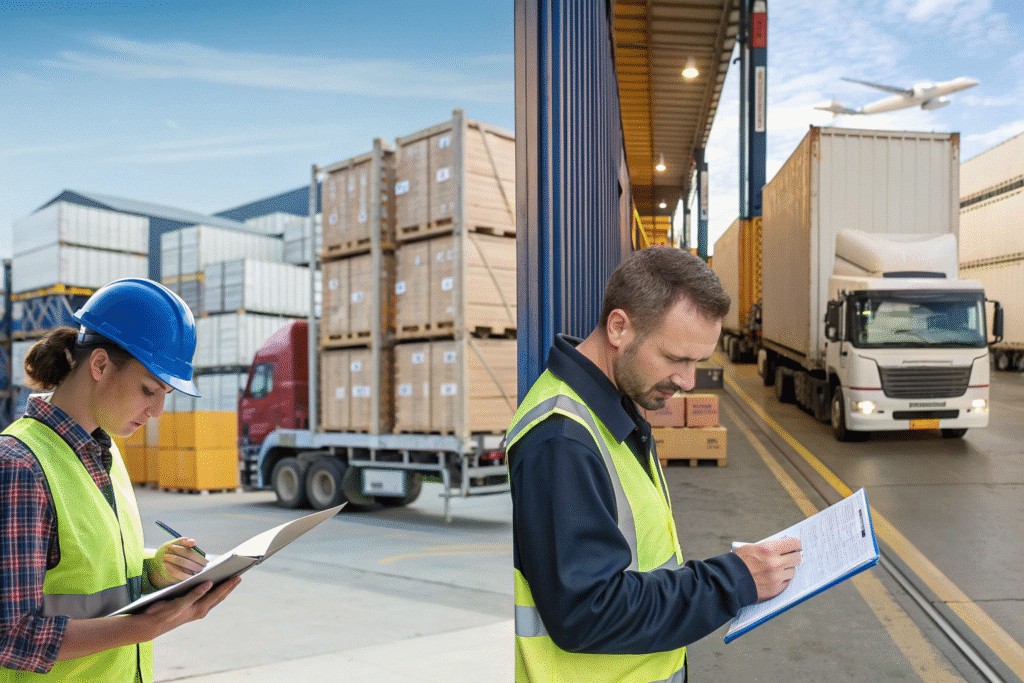
Inspections are common at ports, especially for clothing, electronics, or high-value goods. Freight forwarders supervise inspections to make sure products are handled carefully.
We also ensure compliance with standards such as those from the World Customs Organization, preventing delays due to non-compliance.
What Role Do Forwarders Play in Warehousing and Delivery?
Many ports offer bonded warehouses for temporary storage. Freight forwarders arrange warehousing and plan last-mile delivery directly to buyers. According to DHL Supply Chain, efficient warehousing reduces inventory costs and speeds up distribution.
This integration saves time and ensures goods move smoothly beyond the port.
Why Are Freight Forwarders Indispensable in Port Logistics?
Port operations involve dozens of moving parts. For many businesses, managing this alone is overwhelming.
Freight forwarders provide expertise, contacts, and coordination that simplify port processes and reduce risks.

How Do Forwarders Save Time and Money?
By avoiding delays, securing better terminal schedules, and preventing unnecessary inspections, freight forwarders help businesses cut costs. Industry platforms like Freightos highlight how forwarders streamline port logistics to save money.
For Ron, this means shipments arrive faster, and costs stay predictable.
Why Is Reliability the Key Advantage?
Reliability ensures goods move consistently, even during peak congestion. At GeeseCargo, our years of experience in port operations give clients confidence that shipments will not be held back.
This reliability is why many companies trust us as their global freight forwarding partner.
Conclusion
Port operations are one of the most challenging parts of global trade. Congestion, customs delays, and miscommunication often disrupt supply chains. But with freight forwarders, businesses can overcome these obstacles.
From customs brokerage to warehousing and delivery, forwarders coordinate every detail of port logistics. For companies importing goods from China to the U.S., this means smoother operations, faster clearance, and lower costs.
Freight forwarders do not just simplify port operations—they make global trade possible.