Sea freight is one of the most cost-effective ways to transport goods globally, but it is also the most vulnerable to delays. Weather conditions, port congestion, customs issues, and documentation errors can all extend transit times. For importers like Ron in the U.S., who bring in clothing and accessories from China, these delays mean lost sales opportunities, higher costs, and unhappy customers.
The good news is that freight forwarders play a crucial role in mitigating delays in sea freight. With planning, technology, and strong industry networks, they ensure goods move efficiently and disruptions are minimized.
In this article, I will explain how freight forwarders mitigate sea freight delays and why their role is vital for global supply chains.
What Are the Main Causes of Sea Freight Delays?
Delays in sea freight usually come from predictable risks.
The main causes are port congestion, customs clearance issues, and weather disruptions.
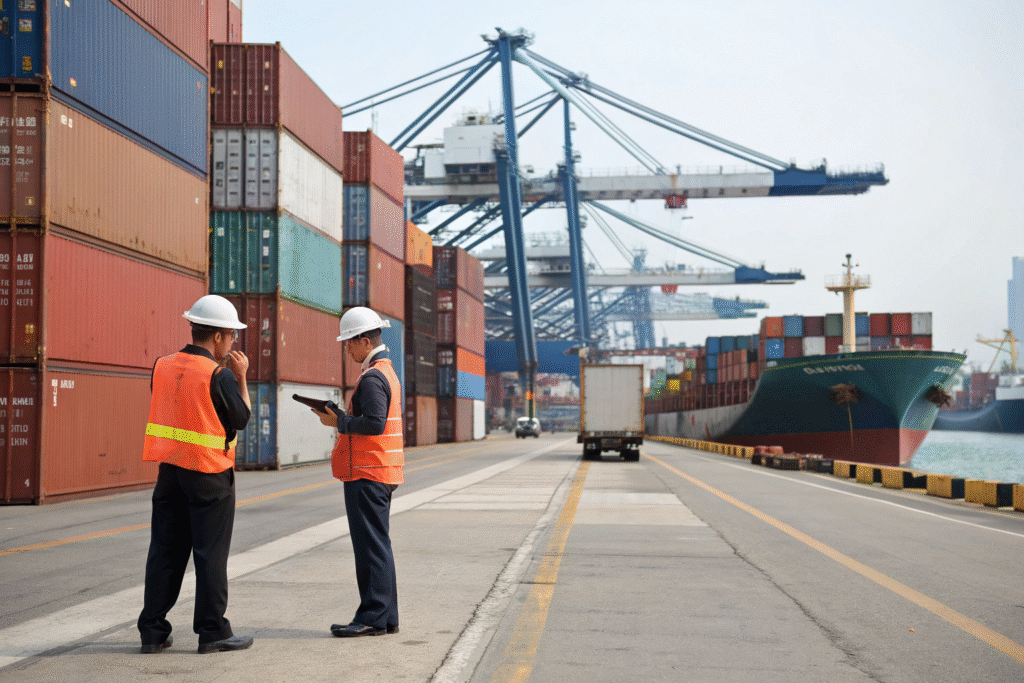
Why Is Port Congestion a Frequent Problem?
Major ports often experience backlogs due to high demand. According to MarineTraffic, congestion can delay vessels for days or even weeks.
Freight forwarders manage this risk by booking slots early and rerouting shipments through alternative ports when possible.
How Do Customs Issues Create Delays?
Shipments with incomplete or inaccurate paperwork are often flagged. Reports from U.S. Customs and Border Protection confirm that documentation errors are one of the most common causes of customs delays.
Forwarders ensure documents are accurate and pre-submitted to minimize clearance delays.
How Do Freight Forwarders Prepare to Prevent Delays?
Preparation is the first line of defense against sea freight delays.
Freight forwarders prevent disruptions by securing carrier contracts, preparing documents, and monitoring shipment schedules.

How Do Forwarders Secure Carrier Contracts?
Long-term agreements with carriers ensure forwarders can access vessel space, even during peak seasons. The Journal of Commerce confirms that forwarders’ volume leverage allows them to secure priority bookings.
This guarantees clients like Ron consistent space for their shipments.
Why Is Document Accuracy Critical for Timely Shipping?
Incomplete invoices, packing lists, or HS codes often cause delays. According to the World Customs Organization, accurate documentation is essential for avoiding inspection holds.
Forwarders verify all documents before goods are shipped.
What Strategies Do Forwarders Use During Transit?
Even with preparation, forwarders must manage unexpected disruptions.
They use tracking tools, rerouting strategies, and bonded warehousing to minimize delays.

How Does Real-Time Tracking Help During Delays?
Platforms like Project44 provide visibility into vessel locations and estimated arrival times.
Forwarders use these tools to inform clients and plan alternative arrangements in real time.
Why Are Bonded Warehouses Useful?
If cargo is delayed at customs or ports, bonded warehouses allow storage without incurring high demurrage fees. Reports from DHL Supply Chain highlight their role in reducing financial losses during disruptions.
Forwarders arrange bonded warehousing to protect clients from added costs.
Why Are Freight Forwarders Essential for Managing Sea Freight Risks?
Sea freight is efficient, but delays are always a risk.
Freight forwarders combine preparation, technology, and global networks to keep shipments moving.
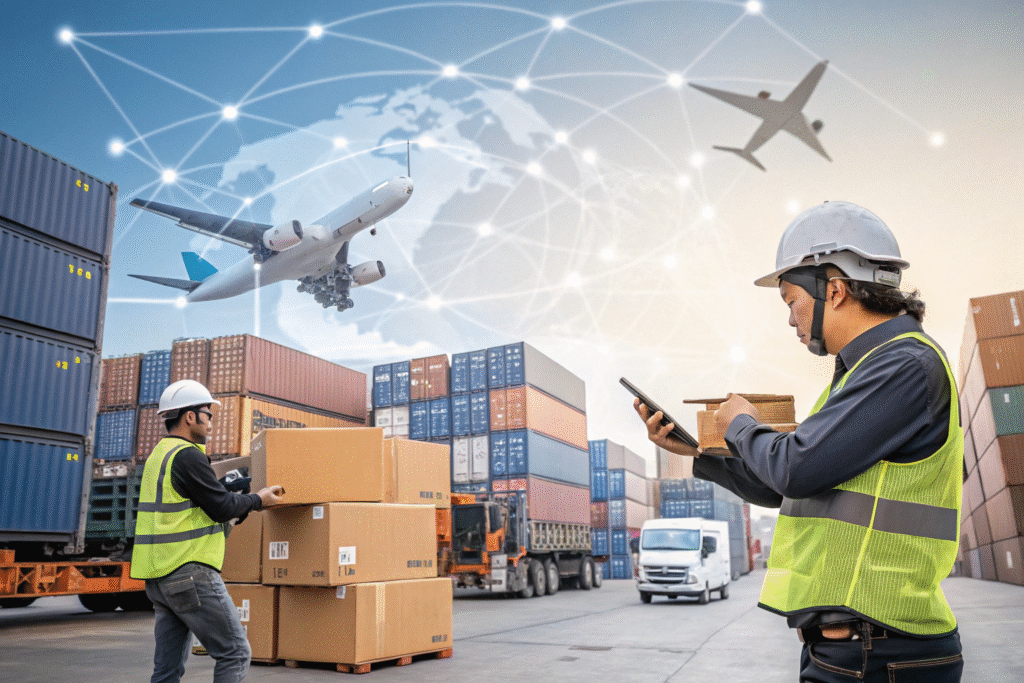
How Do Forwarders Reduce Costs Linked to Delays?
Delays often cause demurrage, storage, and rescheduling fees. Forwarders reduce these costs by coordinating clearance, rerouting, and providing warehousing options. According to Freightos, forwarders play a key role in minimizing financial risks.
This allows importers to maintain stable supply chains.
Why Does Experience Matter in Delay Management?
Experienced forwarders know how to anticipate bottlenecks and manage disruptions effectively. At GeeseCargo, our years of experience in U.S. and European sea freight routes help clients avoid unnecessary delays.
That’s why importers trust us as their reliable freight forwarding partner.
Conclusion
Delays in sea freight are common, but they do not have to disrupt business. With early booking, accurate documentation, real-time tracking, and contingency strategies, freight forwarders reduce both risks and costs.
For businesses shipping from China to the U.S., forwarders like GeeseCargo provide reliable sea freight solutions that keep supply chains efficient.
Freight forwarders don’t just move containers—they keep trade on schedule.