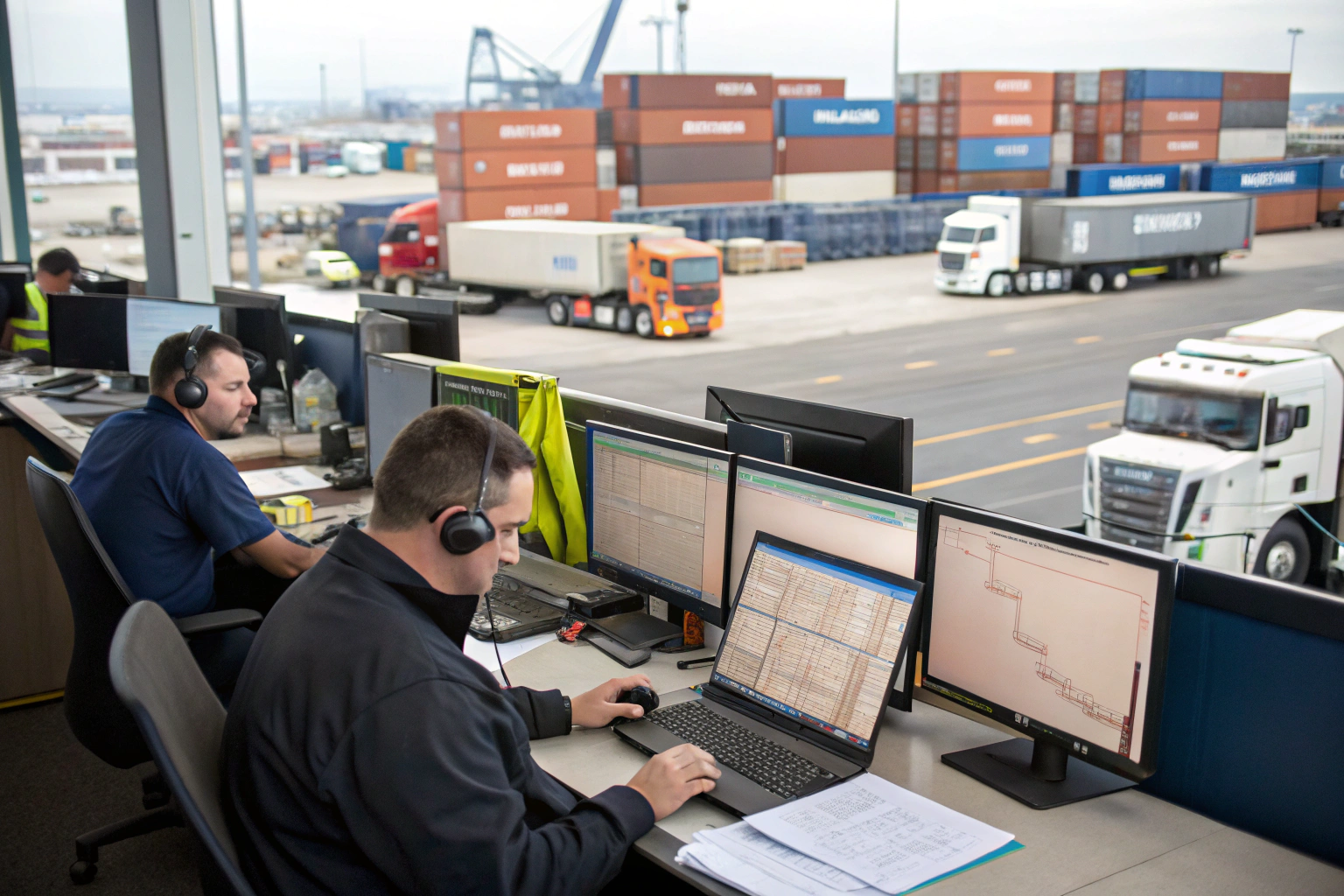
Ensuring goods arrive on schedule is a critical task for firms operating within international supply chains. Delays caused by port congestion, inaccurate paperwork, or ineffective coordination often disrupt delivery timetables and add extra costs. This raises a key question for importers: in what ways can freight forwarders contribute to improving timeliness and ensuring shipments reach their destination as planned?
Freight forwarders enhance punctuality in imports by aligning multiple modes of transport, preparing accurate documents, facilitating customs procedures, and applying digital visibility tools. Their professional expertise enables businesses to mitigate risks, simplify operations, and maintain predictable schedules.
The following discussion outlines strategies employed by forwarders to accelerate imports, ranging from pre-arrival preparations to continuous monitoring of cargo in transit.
Why Is Timeliness in Imports Difficult to Achieve?
Cross-border trade involves numerous steps and multiple parties. Delays may emerge during customs checks, at port terminals, or while arranging inland delivery. Each setback has the potential to weaken an importer’s ability to satisfy market demand.
Forwarders address these difficulties by coordinating processes among carriers, customs authorities, and warehouses, making sure each stage progresses as intended.
This orchestration lowers risk levels and significantly reduces the chance of missing deadlines.
How Do Documentation Issues Trigger Delays?
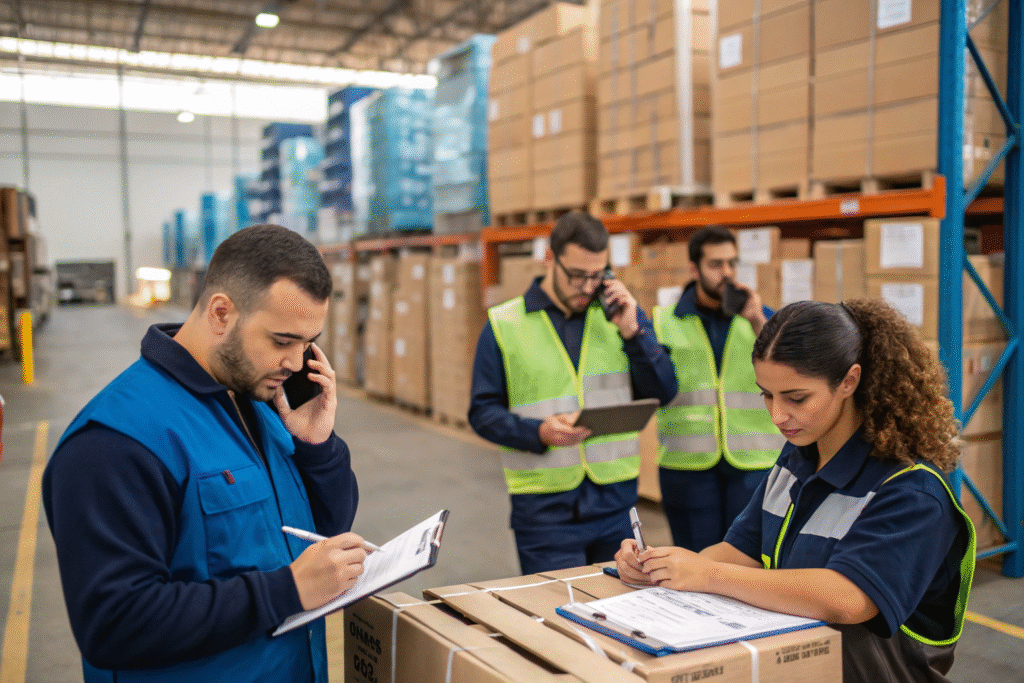
Errors or omissions in required forms often block customs clearance, leaving shipments stranded at ports. Even seemingly small mistakes may result in days of delay.
Forwarders check documents such as bills of lading and commercial invoices to ensure they comply with standards enforced by bodies like U.S. Customs and Border Protection and the European Commission Trade.
Why Must Stakeholders Be Coordinated?
The import process demands cooperation between carriers, customs, and local logistics providers. Without a central party overseeing these interactions, shipments risk unnecessary waiting times.
Platforms such as Freightos allow forwarders to connect stakeholders, simplifying communication and preventing inefficiencies.
How Do Forwarders Speed Up Customs Clearance?
Clearance procedures are a common cause of delays in international trade. Careful preparation combined with professional support shortens the waiting period considerably.
Forwarders manage pre-filing, ensure correct classification of products, and coordinate with customs brokers to maintain compliance.
Such measures lower the likelihood of inspections or penalties that can slow imports.
What Role Does Pre-Arrival Filing Play?
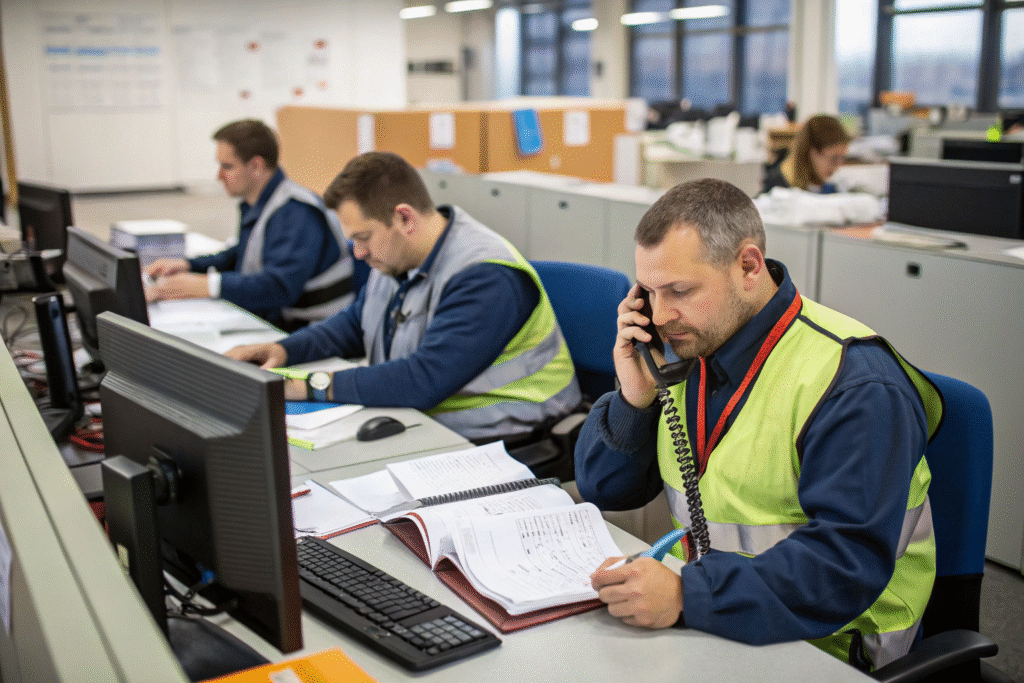
When clearance documents are filed before cargo reaches the port, customs officials can begin reviewing them early, allowing shipments to move faster once they arrive.
Digital services such as CargoSmart facilitate pre-arrival submissions, cutting down clearance time and avoiding unnecessary delays.
Why Are Brokers Important in Clearance?
Customs brokers act as representatives of importers, handling duties, inspections, and document preparation. Their knowledge prevents errors that can significantly slow cargo release.
Firms such as Expeditors offer specialized brokerage services that help accelerate customs procedures.
How Do Forwarders Optimize Transport Routes?
Selecting efficient routes is vital for keeping imports on schedule. The right combination of carriers and modes of transport can dramatically reduce overall transit time.
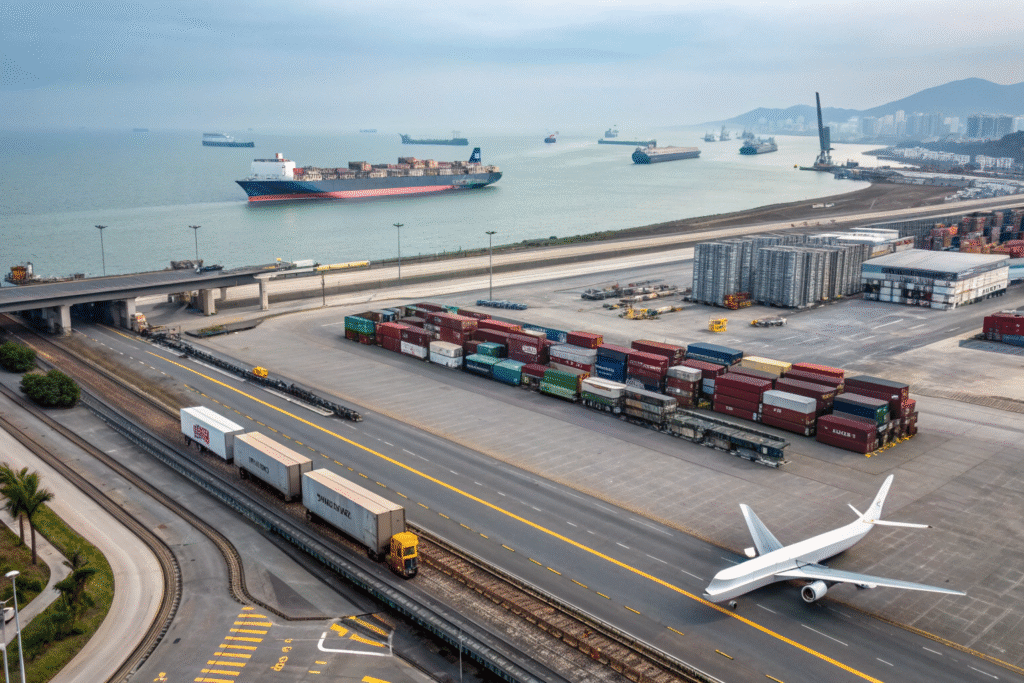
Forwarders employ multimodal strategies—blending sea, air, rail, and road—to strike a balance between cost efficiency and speed.
This adaptability ensures shipments arrive punctually, even when disruptions occur along the supply chain.
How Does Multimodal Transport Improve Efficiency?
Air transport provides speed advantages, while maritime shipping lowers expenses. By integrating these with rail or trucking services, forwarders create routes that cut down delivery times.
Studies such as RailFreight.com demonstrate how Asia–Europe rail connections offer quicker delivery than relying solely on sea freight.
Why Is Route Flexibility Necessary?
Unexpected events like labor strikes or severe weather can shut down specific routes. In such cases, forwarders quickly adjust logistics plans and reroute shipments to prevent costly delays.
Global firms including DHL and Kuehne+Nagel regularly provide clients with alternate routes to safeguard timeliness.
How Does Technology Strengthen Import Timeliness?
Advances in technology allow forwarders to deliver greater visibility and proactive solutions, ensuring shipments stay on track.
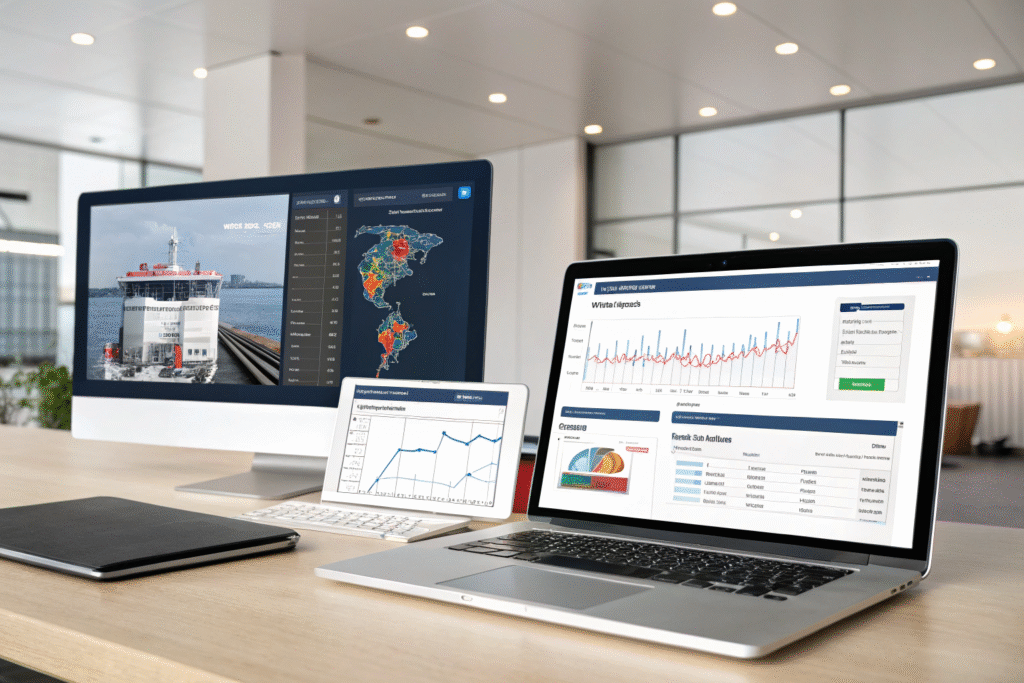
Tools for real-time tracking, digital platforms, and predictive analytics give importers the ability to monitor cargo and anticipate risks.
These innovations bring transparency and help businesses make better planning decisions.
In What Ways Does Real-Time Tracking Help?
Tracking systems offer up-to-the-minute updates, enabling firms to adjust delivery schedules immediately when disruptions arise.
Forwarders adopt platforms like FourKites to provide their clients with continuous oversight of shipment status.
Can Predictive Analytics Avoid Delays?
Yes. Analytical models examine large sets of data to predict congestion or weather-related disruptions, giving forwarders time to react before problems worsen.
Companies like Flexport apply AI-driven forecasting tools to suggest adjustments that keep imports on schedule.
Conclusion
Freight forwarders strengthen import timeliness by ensuring documentation accuracy, accelerating customs clearance, optimizing routing, and applying technology for monitoring.
Their ability to anticipate risks and coordinate different stakeholders guarantees that goods reach markets as expected, maintaining stability in supply chains.
In the fast-moving global economy, partnering with skilled forwarders is not only beneficial but essential for businesses seeking reliable and punctual import operations.