Customs compliance audits are a reality for importers and exporters who move goods across borders. For many business owners, the thought of an audit feels stressful—documents, invoices, and permits must all be perfect.
Freight forwarders handle customs compliance audits by ensuring accurate documentation, preparing clients for inspections, and staying updated on international trade regulations. Their expertise helps avoid fines, delays, and reputational damage.
From my experience in sea and air freight, having a reliable forwarder is like having a safety net. Let’s break down how they guide companies through the audit process.
Preparing Documentation Before Audits
The foundation of any customs audit is documentation. Authorities demand complete and accurate paperwork for every shipment.
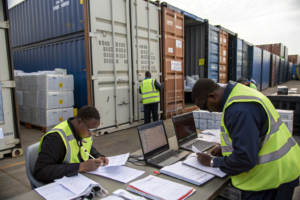
Freight forwarders prepare and maintain records, including commercial invoices, packing lists, bills of lading, and customs declarations. Proper preparation prevents problems during audits.

What documents are most critical for customs audits?
Core documents include the bill of lading, commercial invoice, and certificate of origin. Without them, shipments may be delayed or rejected. Customs authorities like U.S. Customs and Border Protection require these records for every imported shipment.
How do forwarders keep documents audit-ready?
They use digital compliance platforms to store records and track updates. Many follow guidelines from the World Customs Organization to ensure records are accurate and aligned with global standards.
Managing Communication with Customs Authorities
Customs audits involve direct interaction with authorities. Poor communication can lead to misunderstandings or extended delays.
Freight forwarders act as intermediaries between businesses and customs officials, ensuring all audit queries are answered clearly and promptly.

Why is communication important during audits?
Audits often require clarification about valuation, tariff codes, or import duties. Clear communication with authorities like the European Commission Customs Office helps resolve issues quickly and maintain trust.
How do forwarders protect their clients during communication?
They shield clients from direct disputes by providing verified data and explanations. Many rely on international resources such as International Chamber of Commerce (ICC) trade compliance rules to support their arguments.
Ensuring HS Code Accuracy and Tariff Compliance
One of the biggest risks in customs audits comes from incorrect HS codes. Wrong classifications can trigger fines or overpayment of duties.
Freight forwarders ensure that every product is assigned the correct HS code, reducing risks of disputes or penalties.
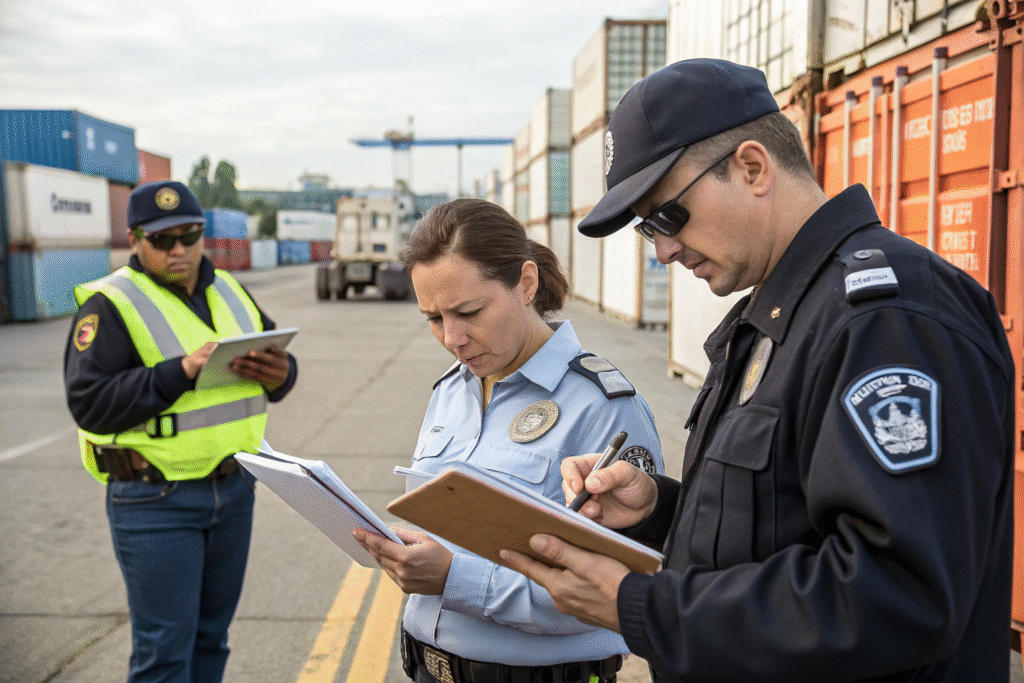
Why do HS codes matter in customs audits?
HS codes define tariff rates, safety checks, and trade restrictions. The World Trade Organization and World Customs Organization provide global standards, but each country enforces them differently. Errors can lead to costly compliance failures.
How do forwarders verify HS codes?
Forwarders cross-check codes using official tariff databases, such as the U.S. Harmonized Tariff Schedule. They also consult local customs brokers to ensure compliance with destination-country regulations.
Reducing Risks of Fines and Penalties
The ultimate goal of customs compliance is to avoid fines and penalties. Businesses that fail audits may face large financial losses and damaged reputations.
Freight forwarders reduce risks by ensuring accuracy, training clients on compliance, and recommending cargo insurance to protect against unexpected events.

What are the consequences of failing a customs audit?
Consequences include fines, shipment seizures, or even suspension of import/export privileges. The International Trade Administration highlights compliance as a critical factor for businesses entering global markets.
How do forwarders minimize risks for clients?
They perform pre-audit checks, review records, and ensure that shipments meet international trade laws. Many follow TAPA security standards to safeguard both compliance and cargo safety.
Conclusion
Customs compliance audits don’t have to be intimidating. Freight forwarders bring expertise in documentation, communication, HS code classification, and risk management. By acting as a trusted partner, they help businesses avoid penalties and maintain smooth international trade operations. For importers and exporters, working with a forwarder means entering audits with confidence and peace of mind.