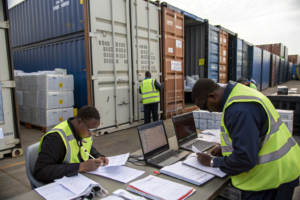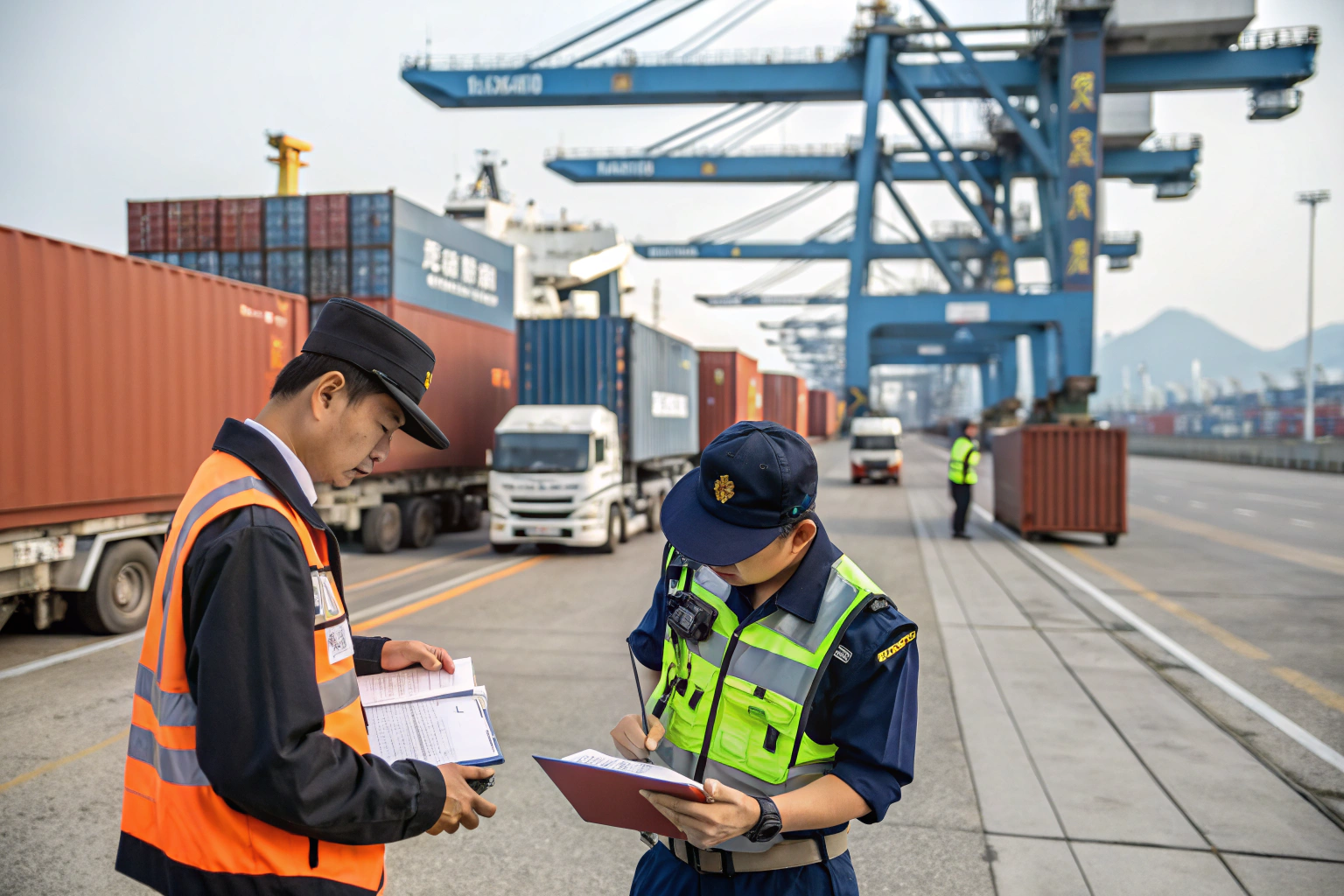
Customs inspections are a routine part of international trade, but for importers they often create stress. An inspection can delay shipments, increase costs, or even lead to penalties if documents are missing or goods are misdeclared. For importers like Ron in the U.S., who bring in clothing and accessories from China, managing customs inspections effectively is vital to keep supply chains running smoothly.
The good news is that freight forwarders specialize in handling customs inspections. With their expertise, established relationships, and proactive planning, they ensure inspections are completed quickly and with minimal disruption.
In this article, I will explain how freight forwarders deal with customs inspections and why their involvement makes international shipping easier and safer.
Why Do Customs Inspections Cause Delays?
Customs inspections are essential for security and compliance, but they can hold shipments for days if not managed properly.
The main causes of delays are incomplete documentation, inaccurate HS codes, and random inspections.
Why Is Documentation Accuracy Critical?
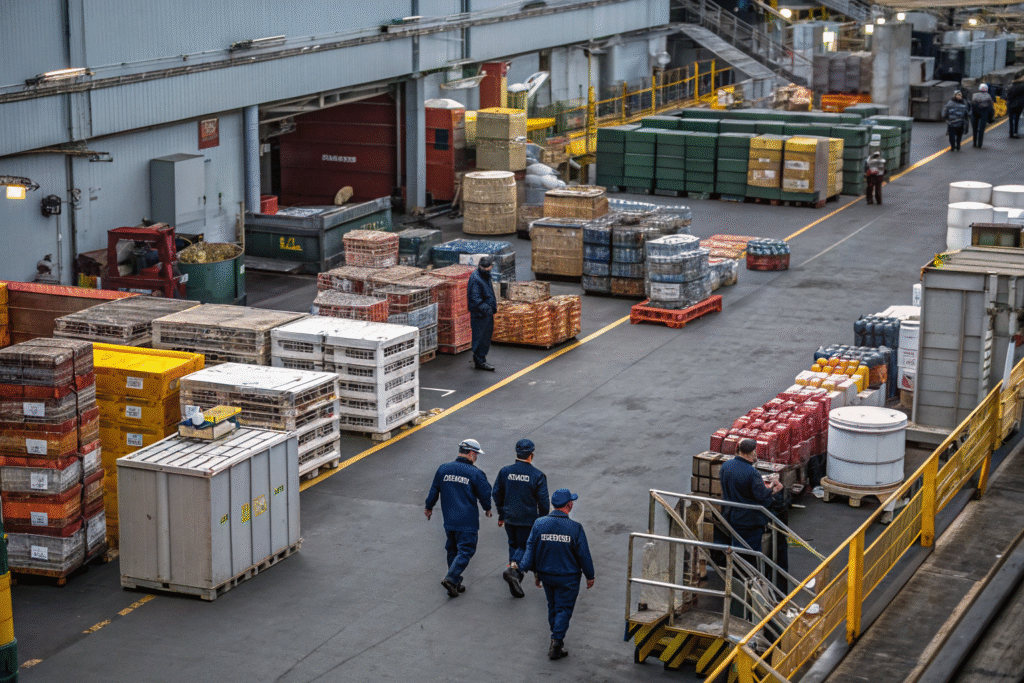
According to U.S. Customs and Border Protection, missing or inconsistent invoices and packing lists are the top reasons shipments get delayed.
Freight forwarders double-check documents to ensure they match customs requirements, reducing the chances of inspection delays.
How Do HS Code Errors Affect Inspections?
Incorrect HS code classification leads to miscalculated tariffs and possible penalties. The World Customs Organization (WCO) states that accurate classification is the foundation of smooth customs clearance.
Forwarders confirm product codes in advance to avoid unnecessary inspections.
How Do Freight Forwarders Handle Customs Inspections?
When an inspection is required, forwarders act as the link between importers and customs officers.
They coordinate communication, prepare additional documents, and ensure compliance.

How Do Forwarders Communicate with Customs?
Forwarders maintain direct contacts with customs officers. This allows them to provide clarifications quickly when shipments are flagged. Platforms like Descartes Customs Info support this process with updated regulatory data.
This direct line of communication helps resolve inspection issues faster.
Why Is Pre-Inspection Preparation Important?
Forwarders prepare shipments for possible inspections by ensuring goods are correctly packed, sealed, and documented. According to FIATA, preparation reduces the likelihood of extended inspections.
This minimizes disruption and saves importers both time and money.
What Tools and Strategies Speed Up Inspections?
Technology and strategy play a key role in handling inspections efficiently.
Forwarders use digital filings, bonded warehouses, and compliance audits to reduce delays.
How Does Electronic Filing Help?
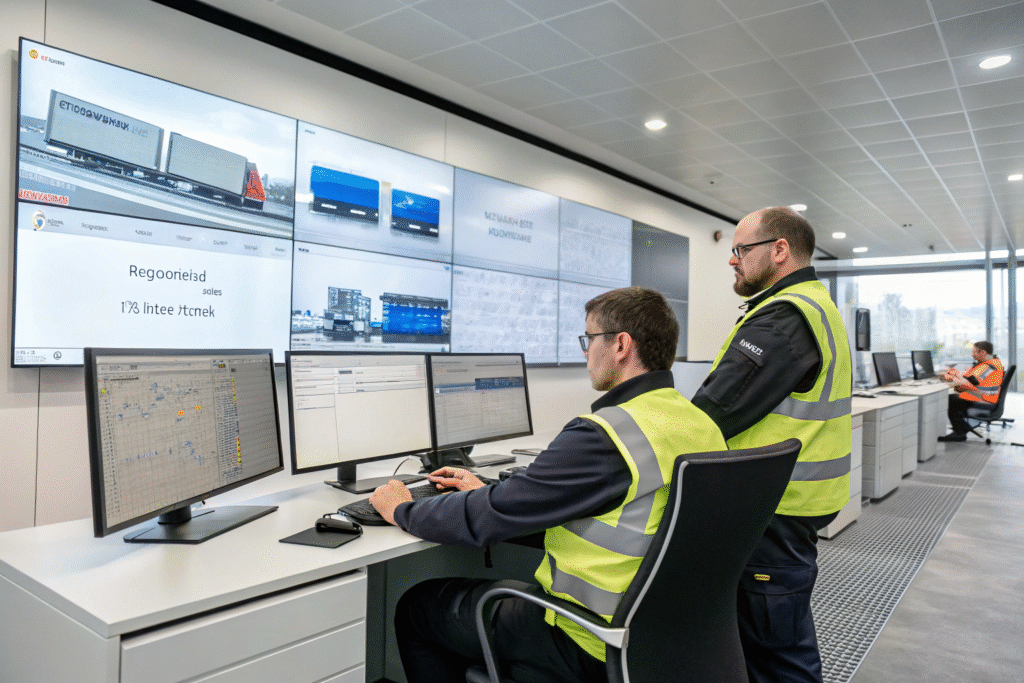
Electronic data interchange (EDI) allows forwarders to submit customs declarations digitally before shipments arrive. The International Chamber of Commerce (ICC) confirms that EDI reduces clearance times significantly.
At GeeseCargo, we use electronic submissions to accelerate the inspection process.
Why Are Bonded Warehouses Useful During Inspections?
Bonded warehouses allow goods to be stored securely while inspections or clearance procedures are completed. Reports from DHL Supply Chain highlight their importance in avoiding demurrage and detention fees.
Forwarders arrange bonded storage to protect clients from financial loss during delays.
Why Are Freight Forwarders Essential for Customs Inspections?
Dealing with customs inspections requires expertise, preparation, and strong networks.
Freight forwarders make inspections smoother, faster, and less costly for importers.
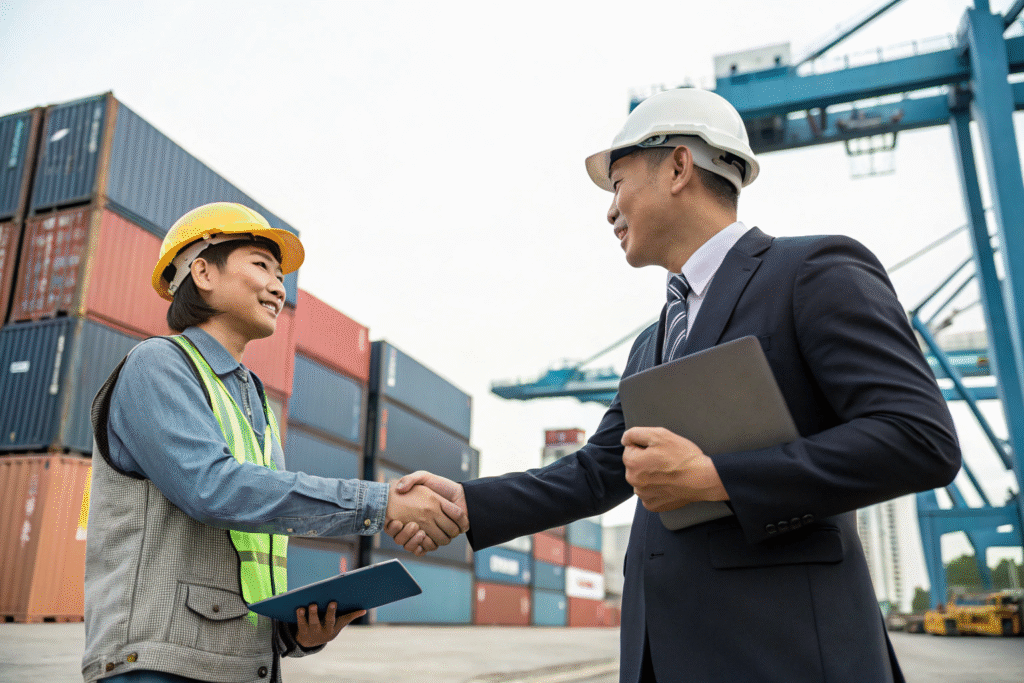
How Do Forwarders Reduce the Risk of Fines?
By ensuring documentation and compliance, forwarders protect importers from fines and penalties. Insights from Freightos confirm that forwarder involvement reduces compliance risks.
This gives importers confidence that their shipments will not face costly errors.
Why Does Experience Provide Stronger Support?
Experienced forwarders know how to anticipate and manage inspections. At GeeseCargo, we have years of experience dealing with customs officers across Asia, Europe, and America.
That’s why importers trust us as their reliable freight forwarding partner for customs inspection management.
Conclusion
Customs inspections are an unavoidable part of international trade, but they don’t have to disrupt supply chains. By preparing documents accurately, coordinating with customs officers, and using tools like electronic filing and bonded warehouses, freight forwarders minimize inspection delays.
For importers shipping from China to the U.S., working with GeeseCargo ensures customs inspections are handled efficiently, reducing costs and ensuring timely delivery.
Freight forwarders don’t just manage inspections—they make global trade flow smoothly.