
Product copying and intellectual property infringement in China present significant challenges for foreign businesses, but effective protection strategies do exist. As someone who has worked extensively with international companies shipping from China, I've witnessed both the devastating effects of IP theft and the successful implementation of protection strategies that actually work.
You can stop others from copying your product in China through a comprehensive approach combining legal registration, strategic manufacturing relationships, physical security measures, and continuous market monitoring. While no solution offers 100% protection, layered strategies significantly reduce risks and provide legal recourse when infringement occurs.
The reality of IP protection in China has evolved dramatically in recent years, with strengthened legal frameworks and enforcement mechanisms. Let's examine practical, actionable strategies that deliver real protection.
What Legal Protections Are Available in China?
China's legal system offers multiple IP protection mechanisms that, when properly utilized, provide substantial protection against copying.
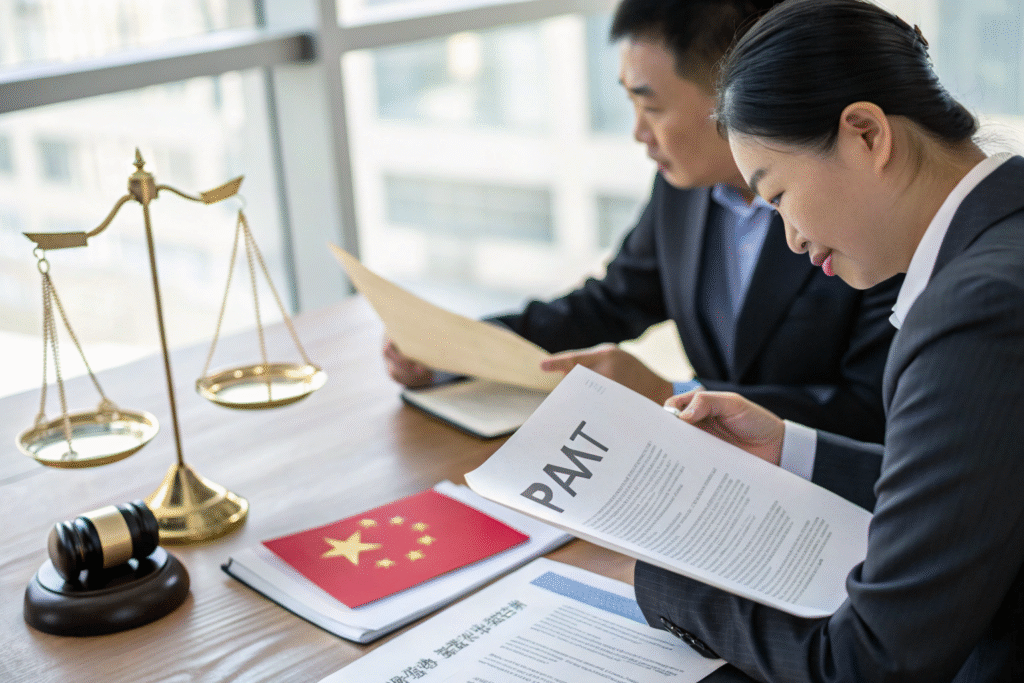
How Effective Are Chinese Patent Registrations?
Utility model patents in China offer surprisingly strong protection for technical innovations and are granted much faster than invention patents. The Chinese patent office examines these applications within 12-18 months, compared to 2-3 years for invention patents. For products with shorter lifecycles, this faster protection timeline is crucial.
Design patents protect the ornamental appearance of products and have proven highly effective against copycats. Chinese courts regularly rule against manufacturers producing look-alike products, with damages increasing significantly in recent years. The key is filing before manufacturing begins, as public disclosure before filing can void patent rights.
What About Trademark Protection Strategies?
Trademark registration in China follows a "first-to-file" system, making early registration essential. File not only your primary brand name but also logos, product names, and even Chinese character versions. Consider registering across multiple classes, as Chinese trademark trolls actively monitor foreign brands entering the market.
Customs recordal with Chinese customs authorities prevents counterfeit products from leaving China. Once recorded, customs officials proactively monitor shipments and can detain suspicious goods. This relatively inexpensive process has prevented millions in losses for companies I've worked with.
How Can Manufacturing Relationships Protect Your IP?
Your choice of manufacturing partners and how you structure relationships significantly impacts IP protection.

What Should Be in Your Manufacturing Agreement?
Comprehensive NNN agreements (Non-use, Non-disclosure, Non-circumvention) specifically designed for Chinese enforcement are essential. Standard Western NDAs often prove unenforceable in Chinese courts. Include clear jurisdiction clauses specifying Chinese courts or arbitration, as foreign judgments are rarely enforced.
Component sourcing control prevents suppliers from replicating your entire supply chain. Source critical components from different suppliers and perform final assembly elsewhere. This "compartmentalization" approach means no single manufacturer has access to your complete production knowledge.
How Does Factory Selection Impact IP Protection?
Tier 1 manufacturers with established reputations and international clients generally offer better IP protection than smaller, unknown factories. While costs may be higher, their business model depends on maintaining trustworthy relationships. Many have dedicated IP compliance officers and implement Western-standard security measures.
Conduct thorough due diligence on potential partners, including checking litigation history and visiting facilities unannounced. Look for manufacturers serving other foreign brands in your industry, as they understand IP importance and have implemented protection systems.
What Practical Security Measures Work Best?
Physical and digital security measures provide crucial frontline defense against IP theft.

How Can You Control Access to Technical Information?
Need-to-know access limits exposure of sensitive information within factories. Provide only essential specifications for each production stage rather than complete technical packages. Use encrypted digital platforms with access logs rather than email for sharing technical documents.
On-site representatives or trusted third-party quality control agents provide physical oversight and deter unauthorized production. Regular unannounced audits verify production quantities and check for unauthorized lines. Many companies successfully use monitoring services that specialize in IP protection.
What About Digital and Documentation Security?
Digital rights management for technical files prevents unauthorized copying or sharing. Watermark documents with user-specific information to trace leaks. Implement strict controls on CAD files, molds, and technical specifications, with logging of all accesses and modifications.
Physical security for molds and tooling is equally important. Store critical tooling in secured areas with limited access, or use mold escrow services that release tooling only for authorized production runs. Consider owning your molds outright rather than having manufacturers retain them.
How Can You Monitor and Enforce Your Rights?
Proactive monitoring and swift enforcement create effective deterrence against potential copiers.

What Monitoring Systems Detect Infringement Early?
Online monitoring services track Chinese e-commerce platforms like 1688, Taobao, and JD.com for counterfeit products. These services use image recognition and keyword monitoring to identify infringements quickly. Early detection significantly improves enforcement outcomes.
Trade show monitoring is crucial, as copycats often debut products at major Chinese exhibitions like the Canton Fair. Hire investigators to photograph exhibits and identify infringing products. Many trade shows now have IP complaint centers that can remove infringing exhibits during the event.
How Effective Is Enforcement Through Chinese Courts?
Specialized IP courts in major Chinese cities have demonstrated increasing sophistication and fairness in handling cases involving foreign companies. Damage awards have grown substantially, with some recent judgments reaching millions of dollars. The key is collecting solid evidence and acting quickly.
Administrative enforcement through local market supervision bureaus offers a faster, less expensive alternative to court actions. These agencies can conduct raids, seize infringing products, and impose fines. While damages aren't awarded through this process, it effectively disrupts infringing operations.
Conclusion
Protecting your product from copying in China requires a comprehensive, proactive approach combining legal, strategic, and practical measures. While challenges exist, the landscape has improved significantly, and companies implementing robust protection strategies successfully safeguard their intellectual property. The key lies in starting protection efforts early, building strong manufacturing relationships, and maintaining vigilant monitoring.
At GeeseCargo, we've helped numerous clients implement supply chain strategies that support their IP protection goals through careful partner selection, secure logistics arrangements, and market intelligence. Remember that IP protection isn't a one-time effort but an ongoing process that evolves with your product and the market landscape. With the right strategies and partners, you can confidently manufacture in China while effectively protecting your valuable intellectual property.