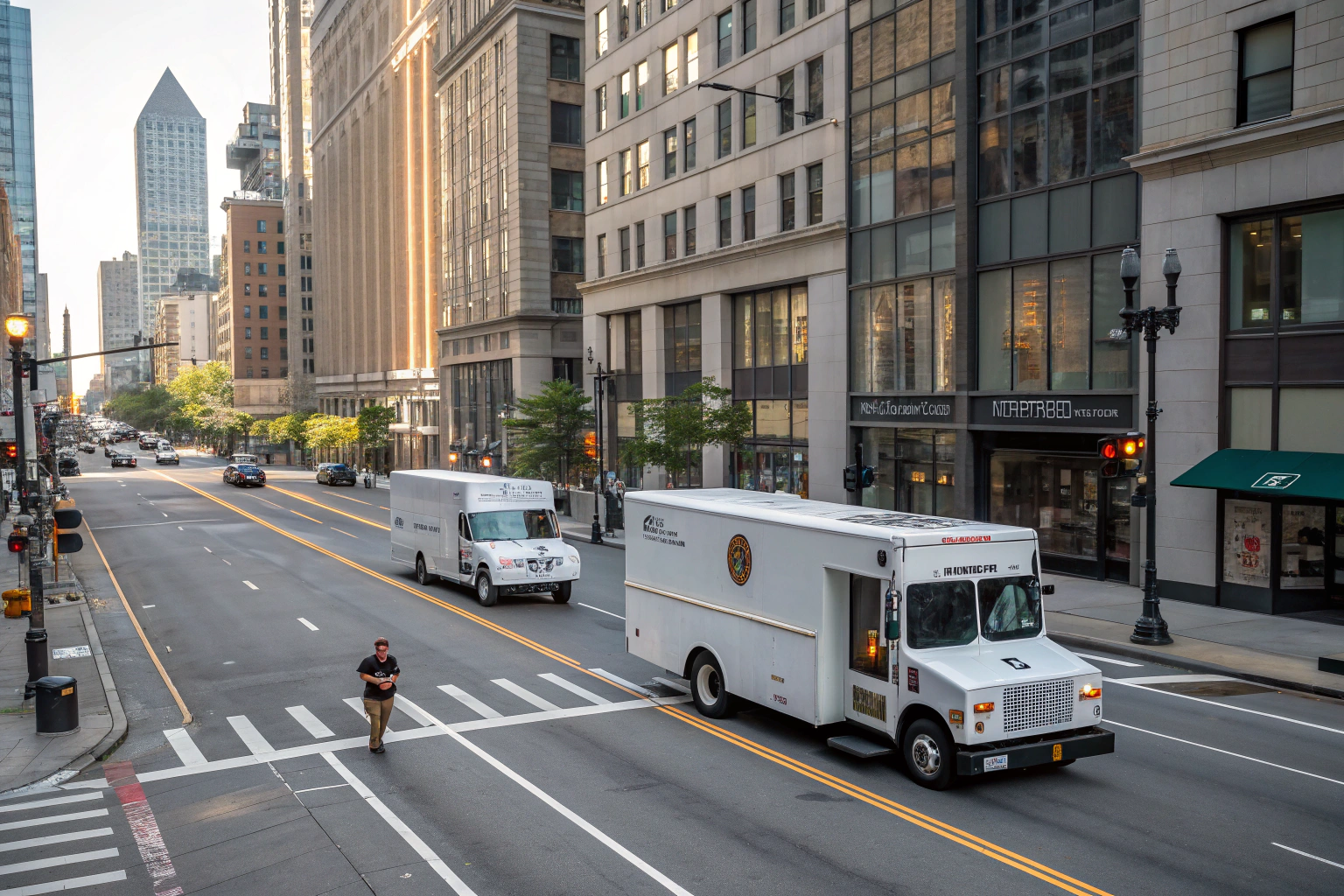
Last-mile delivery represents the most expensive and complex segment of the supply chain, accounting for 40-53% of total shipping costs for many US businesses. As a freight forwarder who has helped numerous clients optimize their final delivery operations, I've identified proven strategies that significantly reduce expenses while maintaining or even improving customer satisfaction. The key lies not in cutting corners, but in implementing smarter, more efficient systems.
You can reduce US last-mile delivery costs through route optimization technology, delivery density improvement, alternative delivery methods, dynamic pricing models, and strategic carrier partnerships. The most effective approaches address multiple cost drivers simultaneously while enhancing the customer experience rather than simply seeking the cheapest per-package rate.
Last-mile optimization requires balancing cost, speed, and service quality. Let's examine the specific strategies that deliver measurable savings without compromising delivery performance.
How Can Technology Optimize Last-Mile Efficiency?
Advanced technology solutions address the fundamental inefficiencies that drive up last-mile costs.
What Route Optimization Strategies Deliver Savings?
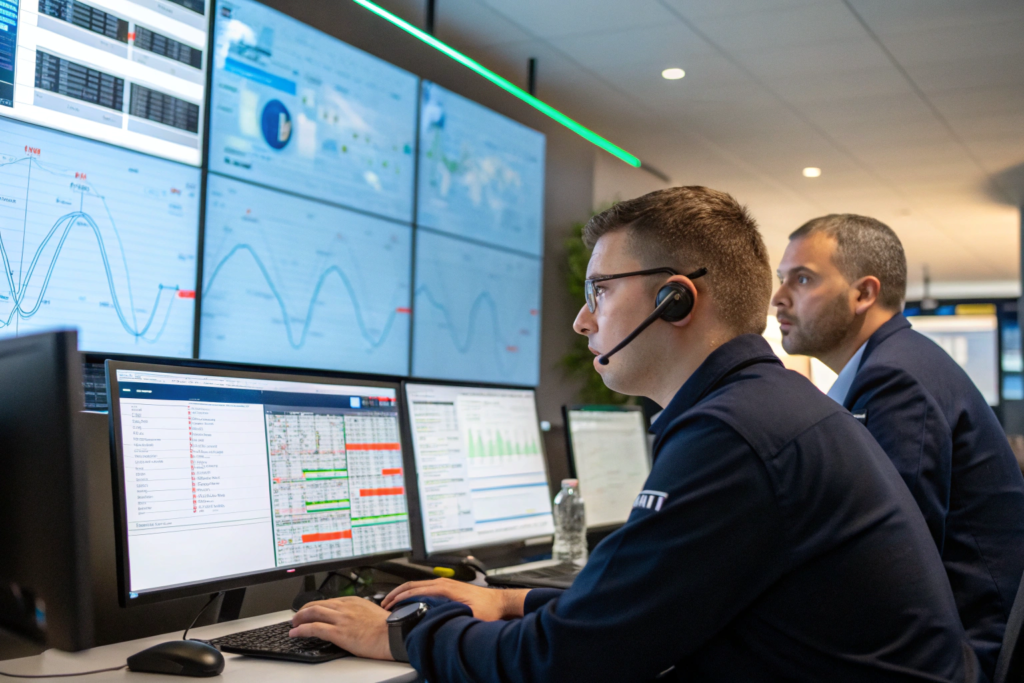
Dynamic routing algorithms adjust in real-time based on traffic, weather, and delivery constraints. Modern systems don't just plan efficient static routes—they continuously optimize throughout the day as conditions change and new delivery requests arrive. These systems typically reduce mileage by 15-25% and decrease failed delivery attempts through better timing.
Machine learning prediction models anticipate delivery windows with higher accuracy. By analyzing historical data including time-of-day patterns, location-specific challenges, and customer preferences, AI systems predict optimal delivery times that maximize first-attempt success rates, reducing costly re-deliveries.
How Does Real-Time Visibility Reduce Costs?
Proactive exception management prevents small issues from becoming expensive problems. Real-time tracking with geofencing alerts managers when deliveries deviate from plan, allowing immediate intervention—rerouting around accidents, rescheduling appointments, or communicating proactively with customers about delays.
Customer communication automation reduces failed delivery attempts. Automated notifications via preferred channels (SMS, email, app) with accurate ETAs and delivery options increase the likelihood someone will be available to receive packages, cutting redelivery costs that can exceed the original delivery expense.
What Delivery Density Strategies Improve Economics?
Increasing stops per route represents the most direct way to reduce per-package delivery costs.
How Can You Increase Stops Per Route?
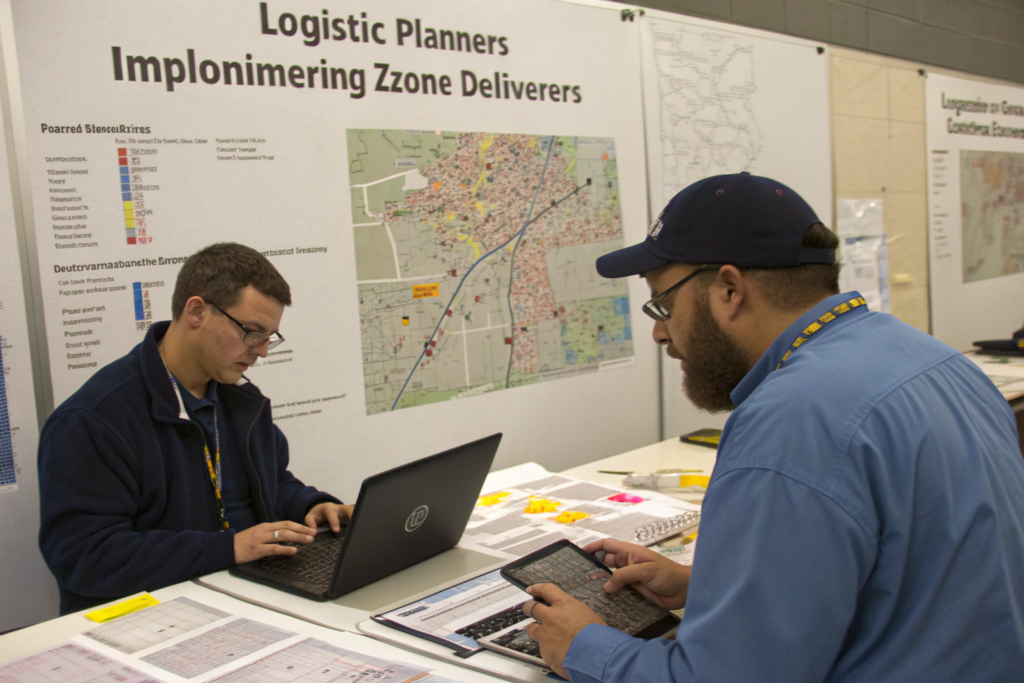
Delivery window optimization encourages customer choices that improve density. By offering incentives for less popular time slots or day-of-week options, you can balance demand across your delivery network, creating more efficient clusters instead of spreading deliveries thinly across broad timeframes.
Geographic clustering strategies group deliveries by proximity rather than promised time. While some customers may receive packages earlier or later than initially promised, overall efficiency gains often justify slight schedule adjustments, particularly when communicated transparently with customers.
What About Strategic Location Planning?
Micro-fulfillment centers in urban areas dramatically reduce final delivery distances. Placing inventory closer to customers enables more deliveries per hour by reducing transit time between stops. Even small urban warehouses or retail store fulfillment can cut last-mile costs by 20-35% for dense metropolitan areas.
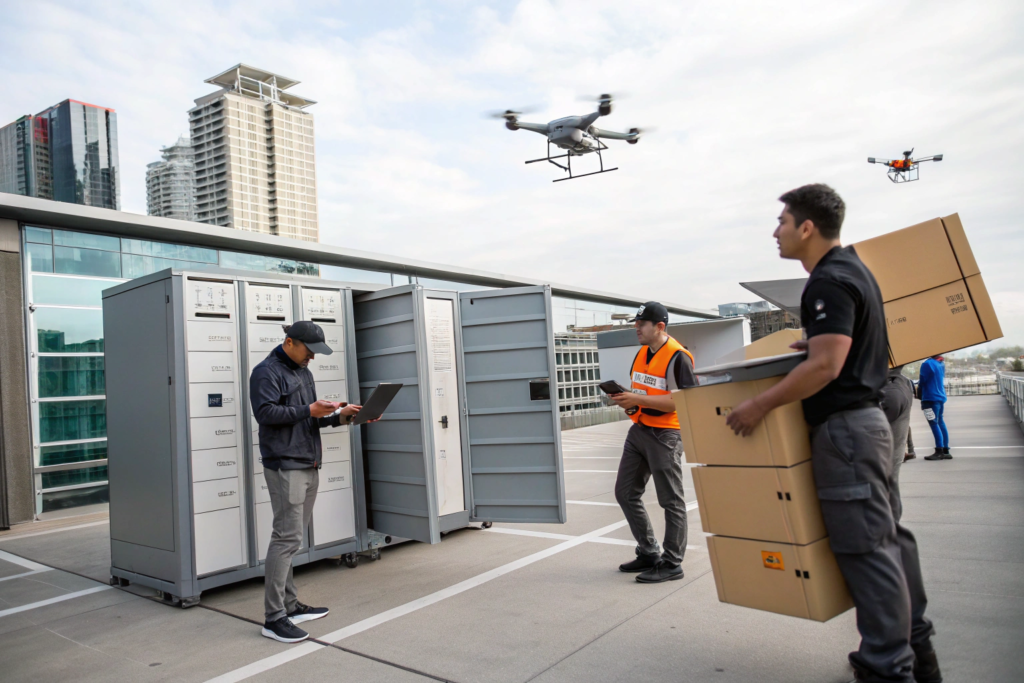
Pickup point networks shift costs to customers willing to collect packages. By offering delivery to secure lockers, retail partner locations, or designated pickup points, you eliminate the most expensive segment—the individual home delivery—while giving customers flexibility. Successful networks achieve 30-50% pickup rates for eligible deliveries.
What Alternative Delivery Methods Reduce Costs?
Innovative approaches to the final delivery can significantly lower expenses while meeting customer expectations.
How Do Locker and Pickup Point Systems Work?
Automated locker networks provide 24/7 access without individual delivery attempts. Major providers like Amazon Hub, UPS Access Points, and regional networks offer extensive coverage. Costs are typically 40-60% lower than home delivery, with the added benefit of eliminating porch piracy concerns.
Retail partner pickup locations leverage existing store traffic. Partnering with convenience stores, pharmacies, or other retailers with evening hours gives customers convenient options while providing the partner with increased foot traffic—a win-win that shares infrastructure costs.
What Emerging Delivery Models Show Promise?
Crowd-sourced delivery platforms utilize flexible local couriers for variable demand. Services like Roadie, DoorDash Drive, or Uber Connect provide scalable capacity without fixed asset investments, particularly effective for same-day delivery where traditional carriers lack efficiency.
Autonomous delivery solutions are advancing from pilot to practical application. While fully autonomous vehicles remain limited, sidewalk robots and restricted-area autonomous vehicles are already reducing costs in university campuses, corporate complexes, and planned communities.
How Can Pricing and Fee Strategies Align Costs?
Strategic pricing approaches recover appropriate last-mile costs while encouraging customer behaviors that reduce expenses.

What Dynamic Pricing Models Work Best?
Delivery location-based pricing reflects true cost variations. Urban core deliveries typically cost less than suburban or rural deliveries due to density advantages—charging appropriately for different zones ensures rural customers don't subsidize urban deliveries or vice versa.
Time-based pricing incentives shift demand to more efficient periods. Offering discounts for non-peak delivery days (Tuesday-Thursday) or specific time windows helps balance capacity utilization, reducing the need for expensive overflow capacity during peak periods.
How Can Transparency Reduce Costly Behaviors?
Clear delivery option pricing helps customers make informed trade-offs. When customers see the actual cost difference between next-day, 2-day, and standard shipping, they often choose slower options that enable carrier consolidation and route optimization.
Sustainability incentives appeal to environmentally conscious consumers. Offering carbon-neutral delivery options at a slight premium or discounts for slower "green" shipping can shift demand to more efficient delivery modes while building brand reputation.
What Carrier Partnership Strategies Optimize Costs?
Strategic relationships with delivery providers go beyond simple rate negotiation to create mutually beneficial efficiency.
How Can Performance-Based Agreements Reduce Costs?
Incentive-aligned contracts reward carriers for efficiency, not just volume. Instead of pure cost-per-package negotiations, consider agreements that share savings from density improvements, first-attempt success rates, or damage reduction—aligning both parties' interests toward mutual efficiency gains.
Integrated technology partnerships reduce handling and errors. Deep API integration between your order management system and carrier systems automates label creation, manifests, and tracking updates, reducing manual processing costs on both sides while minimizing errors that create expensive exceptions.
What About Multi-Carrier Strategy Implementation?
Carrier diversification prevents over-reliance on single providers. While maintaining primary carrier relationships for volume discounts, strategically using regional carriers, postal services, or specialty providers for specific delivery types or zones often provides better overall economics than single-provider approaches.
Volume allocation strategies maximize leverage across providers. By maintaining competitive volume allocation that can shift based on performance and pricing, you encourage carriers to continually improve service and pricing rather than becoming complacent with guaranteed volume.
Conclusion
Reducing last-mile delivery costs in the US requires a multi-faceted approach that addresses routing efficiency, delivery density, alternative methods, strategic pricing, and carrier partnerships simultaneously. The most successful cost reduction strategies enhance rather than degrade the customer experience, recognizing that delivery performance directly impacts customer retention and lifetime value. While individual tactics can yield 10-20% savings, integrated programs typically achieve 25-40% reductions in last-mile expenses.
At GeeseCargo, we've helped clients implement last-mile optimization programs that typically reduce delivery costs by 30-45% while improving on-time delivery rates by 15-25%. Our experience demonstrates that the most effective approaches combine technological innovation with operational discipline and strategic partnerships. Remember that last-mile optimization is not a one-time project but an ongoing process of measurement, experimentation, and refinement as customer expectations, technologies, and competitive landscapes continue evolving.