Protecting your brand from counterfeits in China represents one of the most pressing challenges for international businesses, where sophisticated counterfeit networks can damage brand reputation, erode market share, and even create safety liabilities. As a freight forwarder who has helped numerous brands combat counterfeiting, I’ve witnessed both the devastating impacts of counterfeit proliferation and the effectiveness of comprehensive protection strategies. Success requires moving beyond reactive legal actions to proactive, multi-layered protection that addresses the entire supply chain ecosystem.
You can protect your brand from counterfeits in China by implementing a comprehensive strategy combining legal registration (trademarks, patents, copyrights), supply chain security measures, active market monitoring, strategic enforcement actions, and consumer education initiatives. The most effective approaches typically reduce counterfeit presence by 70-90% within 12-24 months while strengthening overall brand integrity and market position.
Counterfeit protection in China has evolved from a legal challenge to a strategic business imperative requiring specialized knowledge and sustained commitment. Let’s examine the specific components of an effective anti-counterfeiting strategy tailored to China’s unique market and regulatory environment.
What Legal Registrations Provide Foundational Protection?
Securing your intellectual property rights through proper registration creates the legal basis for all subsequent enforcement actions.

How Should You Approach Trademark Registration?
Comprehensive class coverage beyond your core products. Register your trademark across multiple product and service classes (not just your current offerings) to prevent counterfeiters from registering similar marks in adjacent categories. China follows a first-to-file system, making early registration critical.
Chinese character versions of your brand name. Register both the Romanized version and appropriate Chinese translations or transliterations of your brand, as counterfeiters often exploit gaps between different language versions of brand names.
What About Patent and Design Protection?
Utility and design patent registration for product innovations. File patents for unique product features, packaging designs, and technological innovations specific to the Chinese market, as patent protection often provides stronger enforcement options than trademarks alone for certain product types.
Customs recordal for proactive border protection. Register your trademarks and copyrights with Chinese Customs to enable them to identify and detain counterfeit goods at ports before they enter domestic or international commerce.
How Can Supply Chain Security Prevent Counterfeiting?
Securing your legitimate supply chain prevents diversion, overproduction, and component leakage that fuel counterfeiting operations.

What Factory Controls Are Most Effective?
Controlled access to molds and tooling. Maintain ownership of your production molds and store them in secure locations between production runs, or use mold escrow services that release tooling only for authorized production batches.
Production quantity verification systems. Implement systems to monitor and verify actual production quantities against orders, preventing unauthorized overproduction that often enters counterfeit distribution channels.
How Can You Secure Distribution Channels?
Authorized distributor networks with clear contractual controls. Establish formal agreements with distributors that include anti-counterfeiting obligations, audit rights, and penalties for violations, creating accountability throughout your distribution chain.
Serialization and tracking technologies for genuine products. Implement unique identifiers (serial numbers, QR codes, RFID tags) that allow authentication throughout the distribution chain and provide data for investigating leaks.
What Monitoring and Investigation Approaches Work Best?
Proactive monitoring identifies counterfeiting operations early, enabling more effective enforcement.
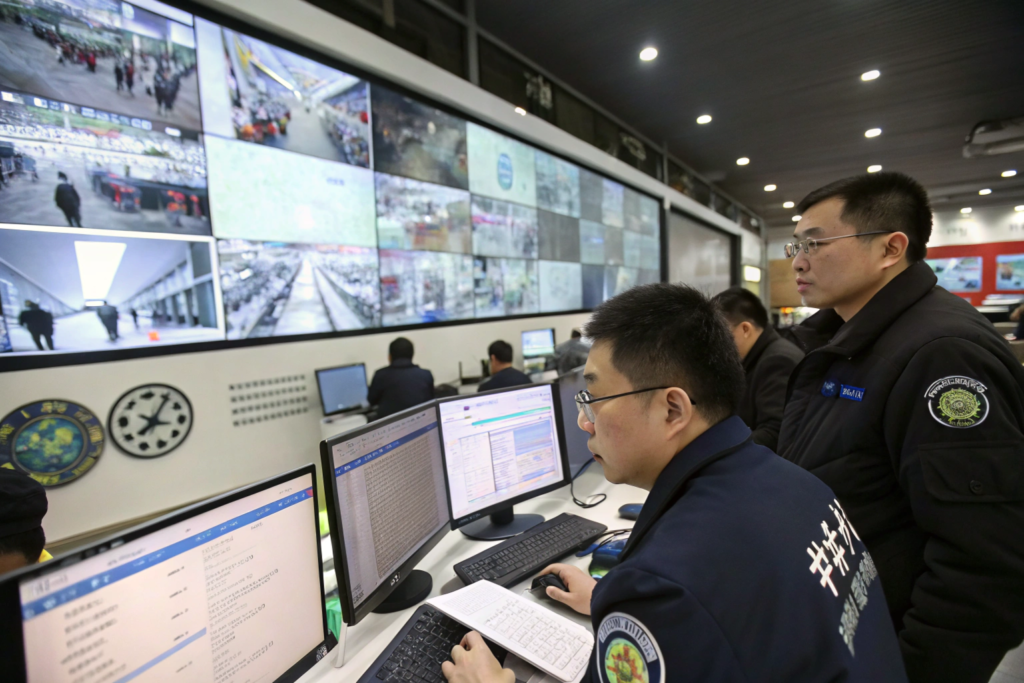
How Should You Monitor Online Marketplaces?
Specialized monitoring services for major platforms. Use professional services that continuously scan platforms like Taobao, Tmall, JD.com, Pinduoduo, and emerging social commerce channels for counterfeit listings using image recognition and keyword monitoring.
Mystery shopping programs to investigate sellers. Conduct test purchases from suspicious sellers to obtain evidence of counterfeiting, including packaging, product samples, and transaction records that support enforcement actions.
What About Physical Market Surveillance?
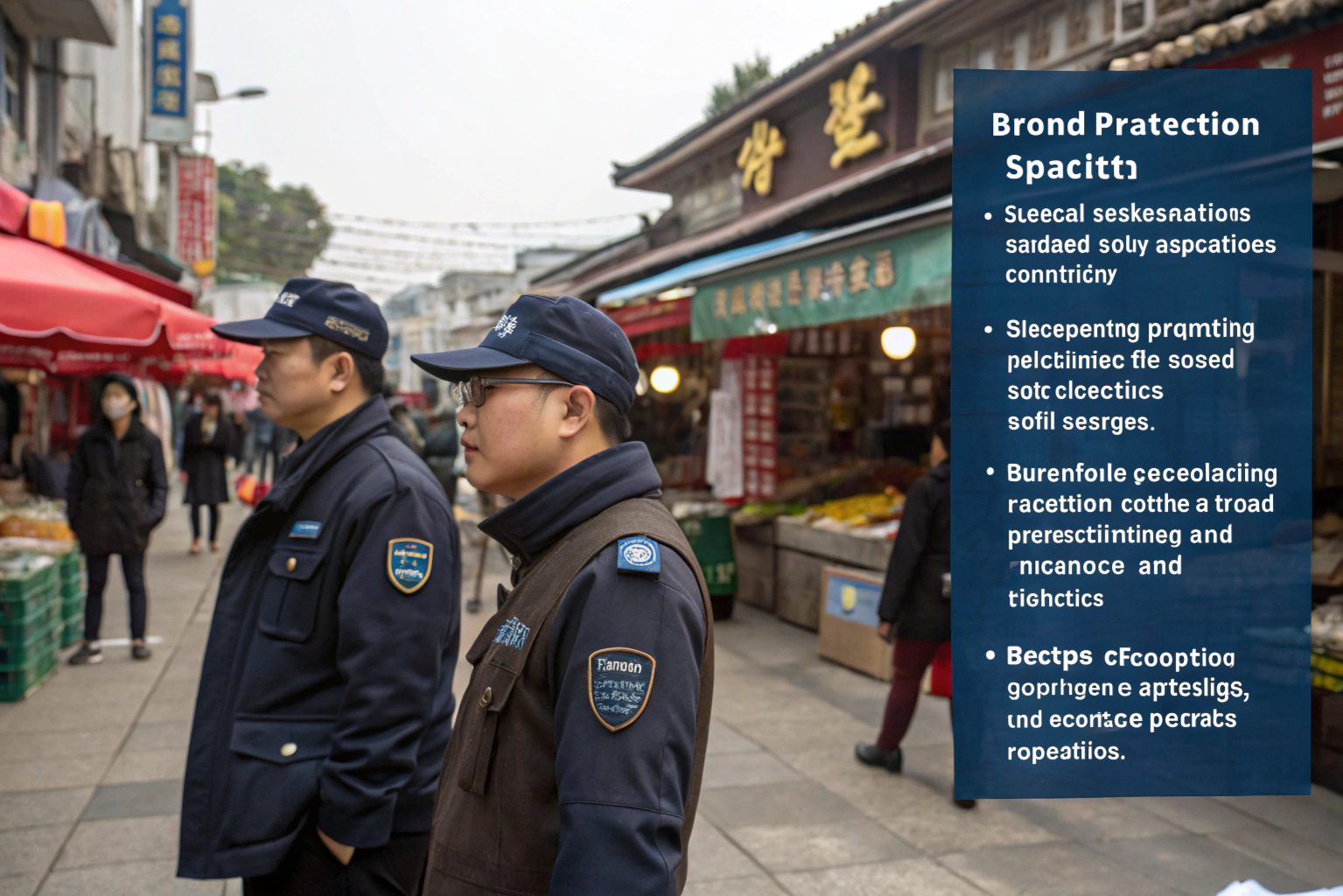
Regular market audits in key distribution hubs. Conduct periodic inspections of wholesale markets like Yiwu, wholesale districts in major cities, and retail outlets in your product category to identify physical counterfeit distribution.
Manufacturing cluster monitoring in production regions. Maintain awareness of manufacturing activities in regions known for producing goods in your category, as counterfeit operations often emerge near legitimate manufacturing centers.
What Enforcement Strategies Deliver Results?
Strategic enforcement combines administrative, civil, and occasionally criminal actions tailored to specific counterfeit operations.

How Effective Are Administrative Enforcement Actions?
Market supervision bureau complaints for rapid action. China’s local market supervision bureaus can conduct raids, seize counterfeit goods, and impose fines relatively quickly, often providing faster results than court proceedings for clear-cut cases.
E-commerce platform takedown requests for online infringements. Major platforms have established intellectual property protection systems (like Alibaba’s IP Protection Platform) that can remove infringing listings within hours or days when provided with proper evidence.
When Should You Pursue Civil Litigation?
Damages claims against larger operations. For established counterfeit operations with identifiable assets, civil litigation can recover damages and establish legal precedents that deter other counterfeiters.
Preliminary injunctions to stop imminent harm. When facing imminent market damage from a specific counterfeit operation, preliminary injunctions can provide immediate relief while longer-term legal proceedings continue.
How Can Technology Enhance Protection?
Advanced technologies provide new tools for both prevention and enforcement.

What Authentication Technologies Work Best?
Overt and covert security features on products and packaging. Implement features like holograms, special inks, microtext, or other security elements that are difficult to replicate but easy for consumers and inspectors to verify.
Digital authentication platforms with mobile verification. QR codes or NFC tags linked to secure databases allow consumers and inspectors to instantly verify product authenticity through smartphone apps.
How Can Blockchain Support Brand Protection?
Supply chain traceability systems create immutable records. Blockchain-based systems that track products from manufacture to sale provide transparent provenance information that’s difficult to falsify.
Smart contract applications for authorized distribution. Implement systems that automatically verify authorization at each distribution step, preventing unauthorized parties from accessing genuine products for counterfeiting operations.
What Consumer Education Initiatives Help?
Informed consumers become active participants in anti-counterfeiting efforts.

How Can You Educate Chinese Consumers?
Clear authentication guides in local language and context. Provide simple, visual guides showing how to identify genuine products, focusing on features most relevant to your product category and the authentication methods most accessible to your customers.
Official verification channels through trusted platforms. Establish official verification accounts on WeChat, Weibo, or other popular platforms where consumers can submit product photos for authentication or report suspected counterfeits.
What Incentives Encourage Consumer Participation?
Reward programs for reporting counterfeits. Offer discounts, loyalty points, or other incentives for consumers who report counterfeit products with verifiable information that leads to enforcement actions.
Authenticity guarantees with purchase verification. Implement programs where consumers can register genuine products for extended warranties or other benefits, creating incentives to purchase authentic products and register them immediately.
Conclusion
Protecting your brand from counterfeits in China requires a comprehensive, sustained approach that combines legal protection, supply chain security, active monitoring, strategic enforcement, technological solutions, and consumer engagement. The most successful strategies adapt to China’s unique market dynamics, regulatory environment, and technological landscape while maintaining global brand standards. This multi-faceted approach typically transforms brand protection from a cost center into a strategic advantage that enhances brand value and market position.
At GeeseCargo, we’ve helped clients implement brand protection programs that typically reduce counterfeit market presence by 70-90% within 12-24 months while increasing genuine product sales by 15-30% in previously counterfeit-heavy markets. Our experience shows that companies investing in comprehensive brand protection typically achieve 3-5x return on investment through preserved market share, reduced legal costs, and enhanced brand equity. Remember that counterfeiting tactics evolve continuously—maintaining protection requires ongoing adaptation and investment as counterfeiters develop new methods to circumvent existing safeguards.