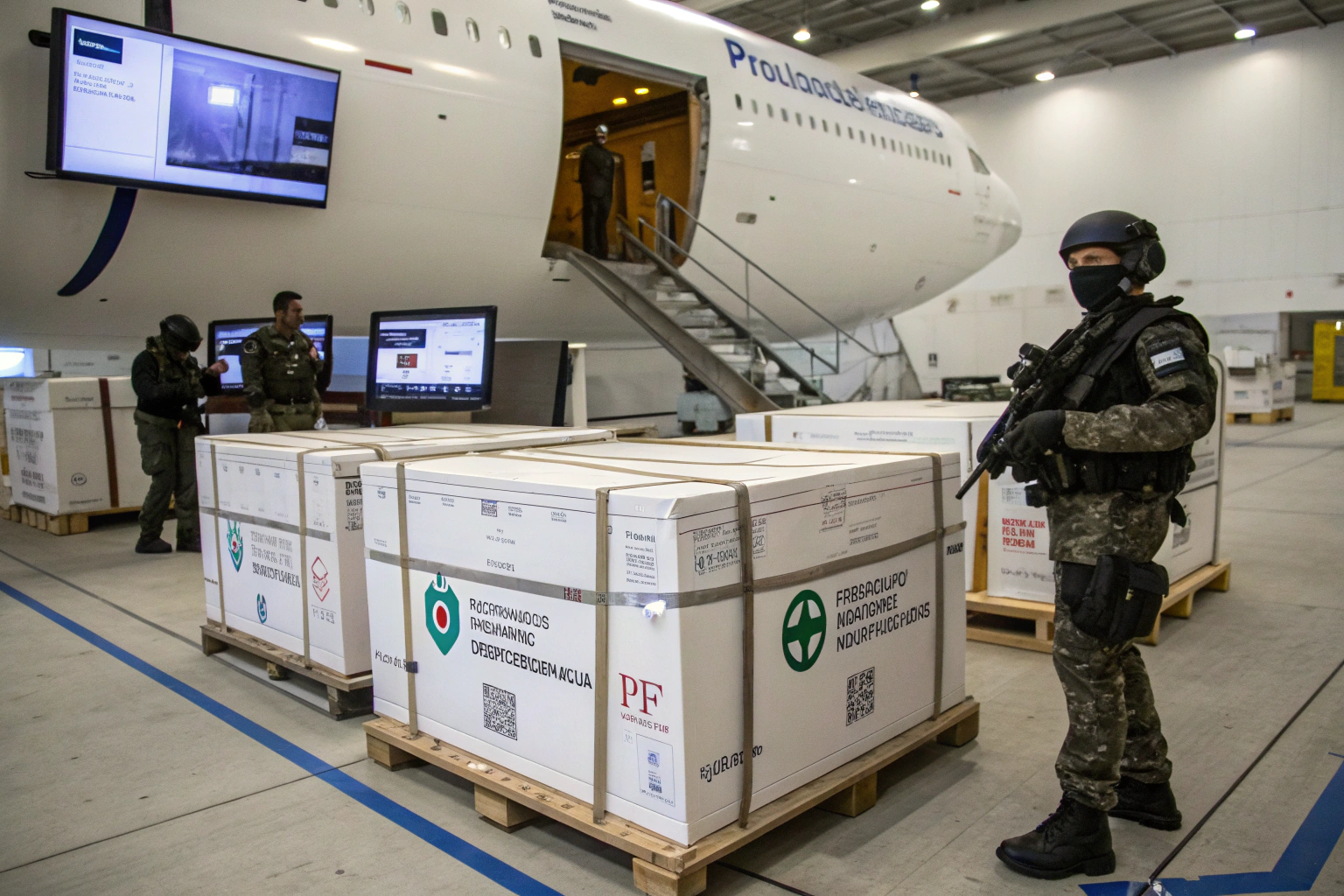
When one of our clients lost a $2.8 million shipment of pharmaceuticals to a sophisticated theft ring, we discovered that high-value cargo requires protection strategies far beyond standard security measures. As founder of GeeseCargo with extensive experience in high-value logistics, I've learned that cargo theft has evolved into a sophisticated criminal enterprise requiring equally sophisticated prevention strategies.
Preventing high-value cargo theft requires a multi-layered security approach combining physical security measures, advanced tracking technology, operational secrecy, and strategic routing. Companies implementing comprehensive protection strategies typically reduce theft incidents by 70-85% and recover stolen goods 3-5 times faster when incidents occur.
High-value cargo attracts organized crime groups that employ intelligence gathering, insider information, and sophisticated methods. Understanding their tactics enables development of effective countermeasures that protect your most valuable shipments.
What Are the Most Effective Physical Security Measures?
Physical security forms the first layer of protection, creating barriers that deter, detect, and delay theft attempts.

How Can Container and Vehicle Security Be Enhanced?
High-security mechanical seals prevent undetected access. Bolt seals, barrier seals, and cable seals with unique identification numbers and tamper evidence provide visible protection and access detection.
Container door locks and immobilization systems prevent unauthorized movement. King pin locks, glad hand locks, and steering wheel locks create physical barriers that delay theft attempts significantly.
Parking security protocols protect cargo during mandatory stops. Using TAPA-certified parking facilities with guards, lighting, and surveillance prevents theft during driver rest periods.
What Facility Security Standards Protect High-Value Goods?
TAPA certification ensures compliance with international security standards. Facilities certified under TAPA FSR (Facility Security Requirements) implement access controls, surveillance, and security protocols proven to reduce theft.
Access control systems with biometric verification limit facility entry. Multi-factor authentication, visitor escorts, and access logging prevent unauthorized personnel from accessing high-value cargo areas.
Surveillance and monitoring systems provide continuous oversight. CCTV with analytics, perimeter alarms, and guard patrols create multiple detection layers that deter and identify theft attempts.
How Can Technology Enhance Cargo Security?
Modern technology provides unprecedented visibility and intervention capabilities that transform cargo security from reactive to proactive.

What Tracking and Monitoring Technologies Provide Real-Time Protection?
GPS tracking with geofencing alerts provides immediate diversion detection. Real-time location tracking combined with predefined route boundaries triggers immediate alerts when vehicles deviate from planned routes.
Cellular and satellite tracking ensures continuous coverage. Dual-mode tracking devices maintain visibility even in areas with poor cellular coverage, preventing coverage gaps that criminals exploit.
Sensor technology detects unauthorized access and environmental changes. Door sensors, motion detectors, light sensors, and temperature monitors provide immediate notification of tampering or unauthorized access.
How Can Advanced Monitoring Platforms Enhance Security?
Real-time monitoring centers provide 24/7 oversight. Dedicated security operations centers that monitor multiple data streams can identify suspicious patterns and coordinate rapid response.
Predictive analytics identify high-risk routes and times. Machine learning algorithms analyzing historical theft data, weather, and traffic patterns can predict elevated risk periods and suggest alternative routing.
Integrated alert systems enable rapid response to incidents. Systems that automatically notify multiple stakeholders (carrier, client, security, law enforcement) accelerate response coordination during theft attempts.
What Operational Security Measures Reduce Theft Risk?
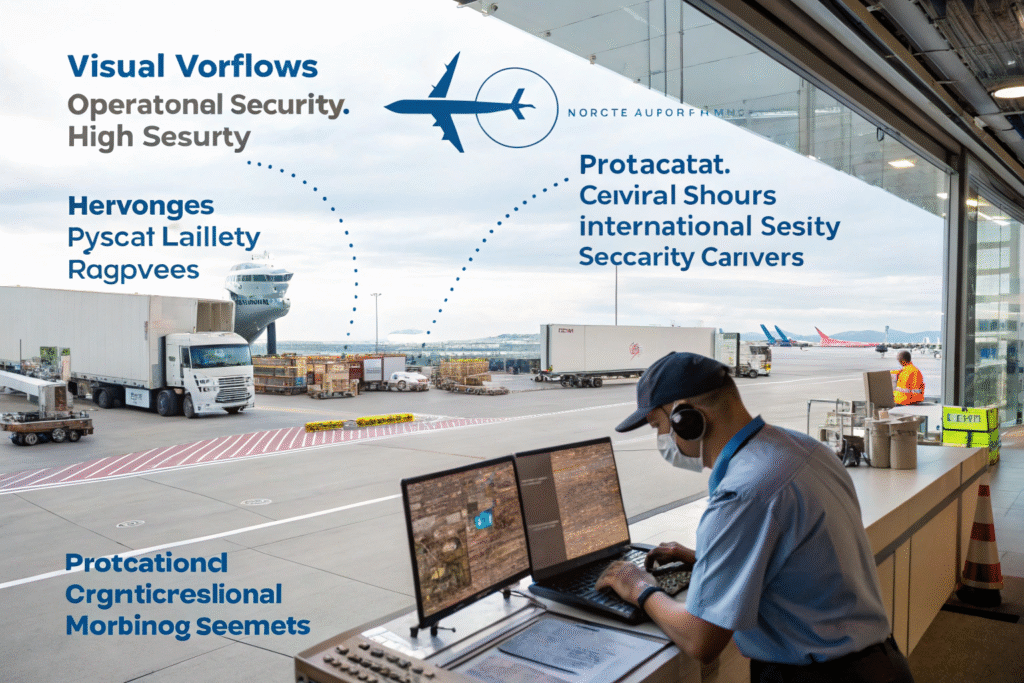
Operational practices and procedures significantly impact theft vulnerability by controlling information and access.
How Can Information Control Prevent Targeted Theft?
Need-to-know information sharing limits exposure. Restricting shipment value, contents, and timing information to essential personnel only reduces the risk of insider information leaks.
Coded descriptions and blind shipments disguise cargo value. Using generic descriptions rather than specific product information prevents criminals from identifying high-value targets.
Secure communication protocols prevent interception. Encrypted communications, secure channels, and verified contact methods prevent criminals from gathering intelligence through communication monitoring.
What Routing and Scheduling Strategies Enhance Security?
Dynamic routing prevents predictability that criminals exploit. Varying routes, schedules, and transportation modes makes it difficult for thieves to anticipate and intercept shipments.
Strategic timing avoids high-risk periods and locations. Scheduling shipments to avoid known theft hotspots during high-risk hours significantly reduces vulnerability.
Multi-modal transportation complicates theft planning. Using combinations of truck, rail, and air transport creates complexity that deters all but the most sophisticated theft attempts.
How Should You Select and Manage Security Partners?
Your choices in transportation and security partners significantly impact your cargo's vulnerability to theft.
What Criteria Differentiate Security-Conscious Carriers?
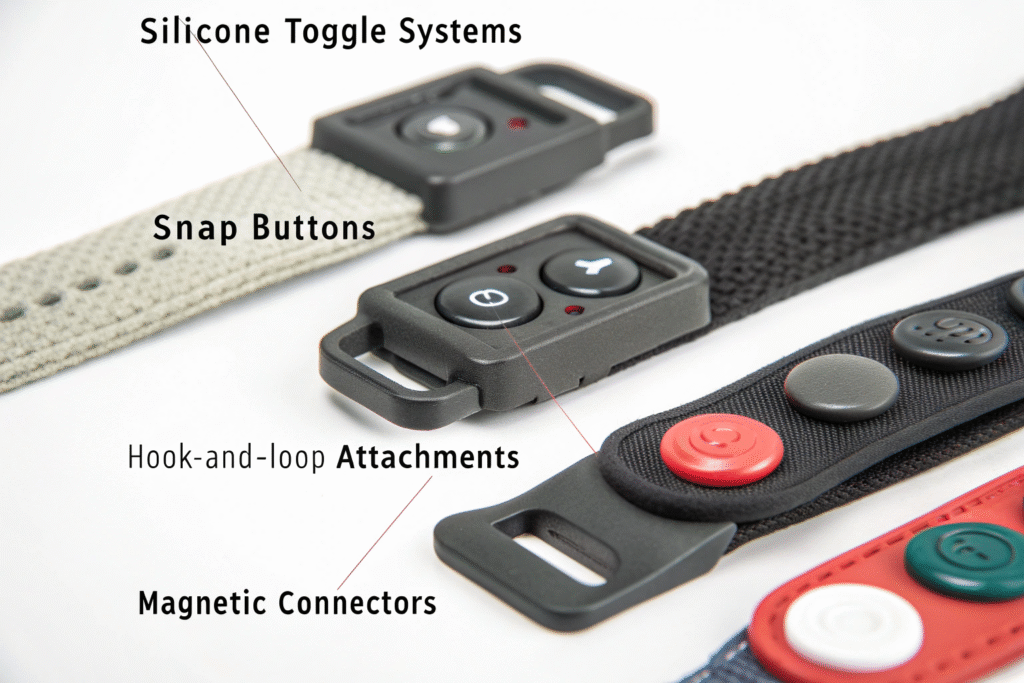
TAPA TSR certification indicates proven security protocols. Carriers certified under TAPA Trucking Security Requirements implement specific security measures for high-value cargo.
Security investment and training demonstrate commitment. Carriers that invest in security technology, driver training, and security personnel typically have lower incident rates.
Incident response capabilities affect recovery success. Partners with established relationships with law enforcement and proven incident response procedures enable faster recovery when thefts occur.
How Can You Verify and Monitor Partner Performance?
Background checks and due diligence uncover potential vulnerabilities. Verifying employee screening processes, security protocols, and incident history helps identify reliable partners.
Performance metrics track security compliance and outcomes. Monitoring on-time performance, route compliance, and security protocol adherence identifies potential issues before they result in losses.
Regular security audits ensure ongoing compliance. Unannounced audits of facilities, processes, and documentation maintain security standards over time.
What Insurance and Financial Protections Are Available?
While prevention is paramount, financial protections provide important safeguards when prevention measures fail.
What Insurance Considerations Apply to High-Value Cargo?
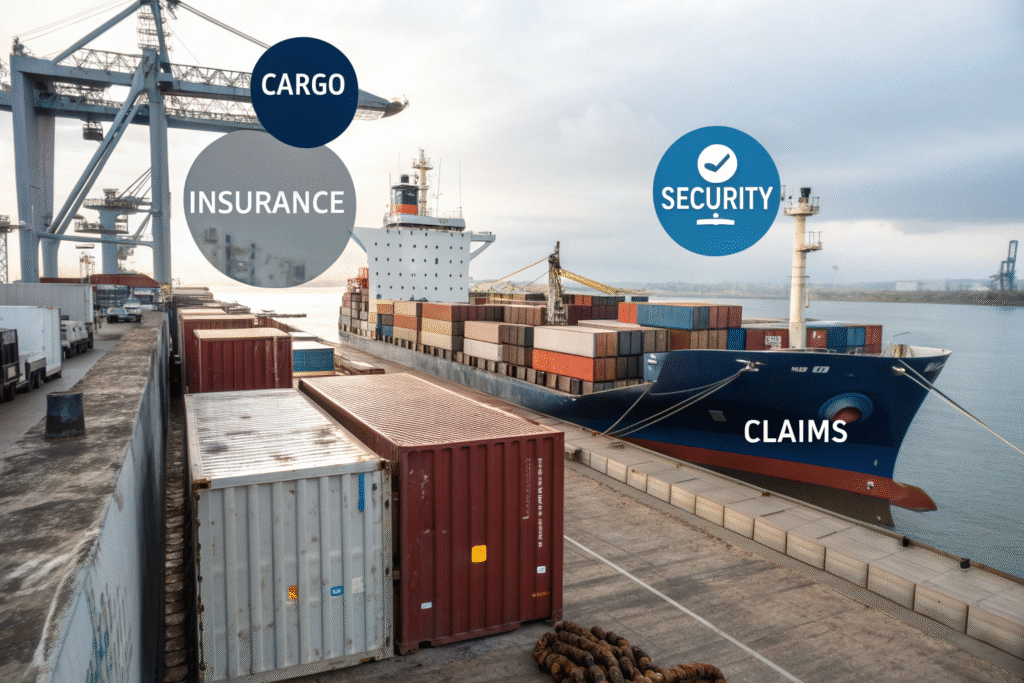
Specialized high-value cargo insurance provides adequate coverage. Standard cargo insurance often has sublimits for high-value items, requiring specialized policies with appropriate coverage limits.
Security requirement compliance affects coverage and premiums. Insurance typically requires specific security measures, and non-compliance may void coverage or increase premiums significantly.
Deductibles and coverage terms impact financial protection. Understanding deductibles, coverage triggers, and claims processes ensures adequate financial protection when needed.
How Can Risk Transfer Strategies Complement Security?
Contractual liability allocation defines responsibility. Well-drafted contracts with carriers, warehouses, and partners should clearly define security responsibilities and liability for losses.
Supply chain finance solutions can mitigate cash flow impact. Trade credit insurance, supply chain financing, and other financial tools can protect against the cash flow impact of theft losses.
Security investment ROI can be calculated against risk reduction. The cost of security measures should be evaluated against potential losses, insurance premium reductions, and business continuity benefits.
What Are the Most Common Security Mistakes?
Understanding frequent security failures helps businesses avoid preventable vulnerabilities.

What Strategic Errors Undermine Cargo Security?
Underestimating threat sophistication leads to inadequate protection. Assuming basic security measures suffice against organized crime groups guarantees eventual security failures.
Inconsistent security implementation creates vulnerability gaps. Applying rigorous security only to some high-value shipments or some supply chain segments creates predictable vulnerabilities.
Cost-cutting on security measures increases total risk. Reducing security investment to save costs typically increases total costs through losses, insurance premiums, and business disruption.
What Operational Oversights Create Security Vulnerabilities?
Inadequate employee training and awareness programs. Employees who don't understand security protocols or their importance inevitably create vulnerabilities through unintentional actions.
Poor communication between supply chain partners. When security information isn't shared effectively between shippers, carriers, and receivers, security gaps emerge.
Complacency after long periods without incidents. Security vigilance often decreases after extended incident-free periods, creating opportunities for criminals.
Conclusion
Preventing high-value cargo theft requires a comprehensive, multi-layered approach that addresses physical security, technological protection, operational practices, and partner management. The most successful companies treat cargo security as an integrated business function rather than a standalone activity, recognizing that effective protection requires coordination across the entire supply chain.
At GeeseCargo, we've helped clients reduce high-value cargo theft by over 80% through systematic security programs that combine proven practices with emerging technologies. The most effective approaches begin with thorough risk assessment, then implement graduated security measures matched to specific threat levels and cargo values.
Begin your security enhancement by conducting a detailed vulnerability assessment of your current operations, then develop a layered security strategy that addresses your highest-priority risks. Remember that in high-value cargo security, prevention is dramatically more effective than reaction—the investment in comprehensive protection typically returns multiples in avoided losses, reduced insurance costs, and maintained business continuity.