Your freight forwarder's global network represents one of the most valuable—yet often underutilized—assets in your supply chain arsenal. As someone who has built and managed international logistics networks across multiple continents, I've seen how companies that strategically leverage these connections gain significant competitive advantages while reducing costs and risks.
You can leverage your forwarder's global network to access local expertise, negotiate better rates, ensure consistent service quality, and build a more resilient supply chain through established relationships and infrastructure across multiple markets. The key lies in moving beyond transactional interactions to develop a strategic partnership that taps into the full breadth of your forwarder's global capabilities.
Many companies use their forwarders for basic transportation while leaving substantial value untapped. Let's explore how to maximize this strategic resource.
How Can You Access Local Market Expertise?
Your forwarder's overseas offices and partners provide invaluable local knowledge that can streamline your international operations and prevent costly mistakes.

What Local Intelligence Can Your Forwarder Provide?
Regional regulatory knowledge from your forwarder's local teams helps navigate complex customs procedures, import restrictions, and documentation requirements. These teams understand subtle differences in how regulations are enforced across different ports and can advise on the most efficient clearance strategies. This local insight prevents delays and compliance issues that often catch inexperienced importers by surprise.
Cultural and business practice guidance ensures smoother operations in foreign markets. Your forwarder's local staff can advise on everything from business communication styles to holiday schedules that might impact your supply chain. This cultural intelligence helps build better relationships with overseas suppliers and customers while avoiding misunderstandings that disrupt operations.
How Does Local Infrastructure Knowledge Benefit You?
Port-specific operational insights help optimize your routing decisions. Local teams understand which ports handle certain commodities most efficiently, which have congestion issues, and which offer the best infrastructure for your specific needs. This knowledge enables smarter routing decisions that reduce transit times and handling costs.
Transportation carrier performance data from local markets helps select the most reliable partners. Your forwarder's network provides real-time information about carrier performance, equipment availability, and service quality in specific regions, enabling better carrier selection than relying solely on global contract rates or published schedules.
How Can You Optimize Costs Through Network Leverage?
Your forwarder's consolidated purchasing power and established relationships can significantly reduce your transportation costs across multiple trade lanes.

What Pricing Advantages Can You Access?
Volume-based rate negotiations across multiple trade lanes provide better pricing than negotiating each lane separately. Forwarders with significant global volumes can secure preferential rates with carriers that they pass on to clients who consolidate their business. This approach often yields better results than pursuing individual spot rates for each shipment.
Consolidated purchasing power allows access to capacity during tight market conditions. When shipping space becomes constrained, forwarders with strong carrier relationships and significant volumes receive priority access and more stable pricing. This protection against market volatility provides significant value during periods of disruption or high demand.
How Can Operational Efficiencies Reduce Costs?
Network-wide process standardization creates efficiencies that reduce administrative costs. By using your forwarder's global systems and procedures across all your shipping locations, you minimize training requirements, reduce errors, and streamline operations. These efficiencies often translate into lower handling fees and reduced internal administrative costs.
Consolidation opportunities across your own global shipments can generate substantial savings. Your forwarder can identify opportunities to combine shipments from different origins or to different destinations, leveraging their network to create consolidation solutions that wouldn't be visible when managing locations independently.
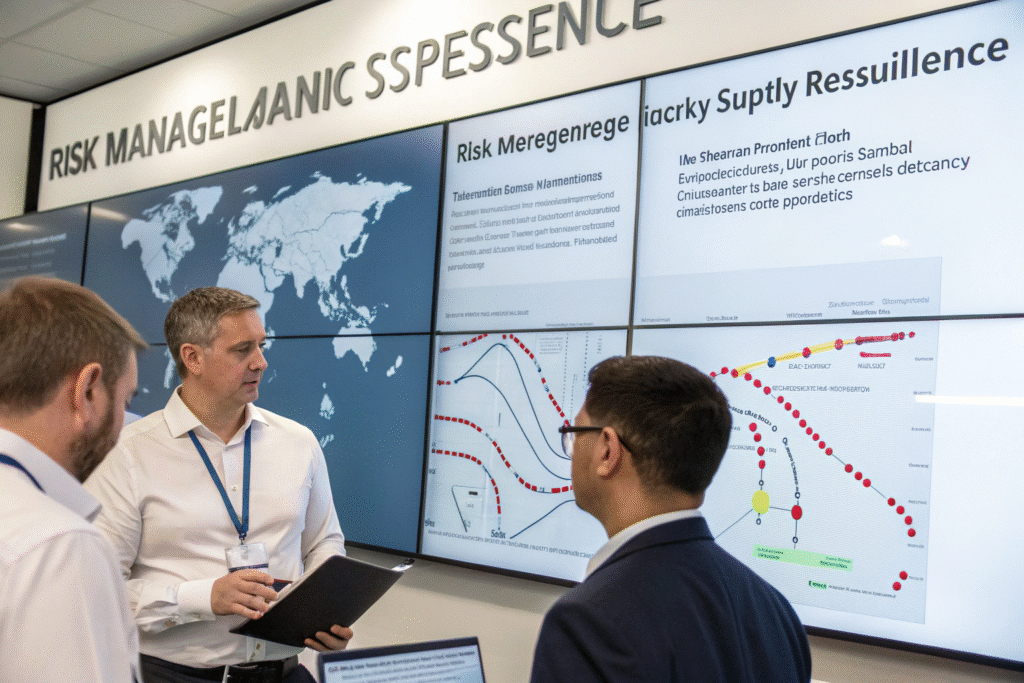
How Can You Enhance Supply Chain Resilience?
A well-developed global network provides multiple options and contingency plans that protect your supply chain against disruptions.
What Alternative Routing Options Become Available?
Pre-established alternate routes can be activated immediately when disruptions occur. Your forwarder's network includes relationships and operational knowledge across multiple ports, carriers, and transport modes, enabling quick pivots when primary routes become unavailable. This flexibility minimizes disruption impact and recovery time.
Multi-modal flexibility allows seamless transitions between transport modes. A forwarder with strong global relationships across ocean, air, and ground transport can create integrated solutions that combine different modes optimally based on changing conditions, rather than being locked into single-mode solutions.
How Does Local Presence Improve Problem Resolution?
On-the-ground support during disruptions ensures faster problem resolution. When issues arise at foreign ports or during transit, having local representatives who understand the situation and have established relationships with relevant authorities can dramatically reduce resolution time compared to remote management.
Local contingency planning prepares for region-specific risks. Your forwarder's local teams understand seasonal weather patterns, labor situations, political climates, and other regional factors that could impact your supply chain. They can develop targeted contingency plans for these specific risks.
How Can You Improve Service Consistency and Quality?
Leveraging your forwarder's global standards and quality controls ensures consistent performance across all your international operations.

What Performance Standards Can You Implement?
Global service level agreements (SLAs) ensure consistent performance metrics across all locations. By implementing standardized SLAs through your forwarder's network, you establish clear expectations and measurement criteria for all your international shipments, enabling better performance management and continuous improvement.
Unified performance reporting provides comprehensive visibility across your global supply chain. Your forwarder's global systems can deliver consistent reporting formats and metrics across all regions, making it easier to identify patterns, compare performance, and make data-driven decisions about your international operations.
How Can Knowledge Sharing Enhance Operations?
Best practice transfer across regions improves overall performance. Solutions and processes that work well in one market can be adapted and implemented elsewhere in your supply chain through your forwarder's network, accelerating improvement and avoiding reinvention.
Cross-regional problem-solving leverages diverse experiences. When challenges arise, your forwarder can tap into solutions developed in other markets with similar issues, providing tested approaches rather than starting from scratch with each new problem.
Conclusion
Maximizing the value of your forwarder's global network requires a strategic approach that goes beyond basic transportation services. By accessing local expertise, optimizing costs through volume leverage, enhancing resilience through established alternatives, and ensuring consistent service quality across markets, you transform your forwarder relationship from a tactical service provider to a strategic advantage. The most successful companies view their forwarder's network as an extension of their own capabilities.
At GeeseCargo, we actively help clients leverage our global network through structured partnership approaches that identify specific opportunities in each of these areas. Our experience demonstrates that companies who strategically utilize their forwarder's worldwide resources typically achieve 15-30% better total logistics outcomes than those who maintain purely transactional relationships. Remember that your forwarder's network represents a ready-made global infrastructure—the key lies in learning how to access and deploy it strategically for your specific business needs.