
Finding reliable warehousing and fulfillment partners in the United States represents one of the most critical decisions for importers looking to establish or expand their domestic distribution capabilities. As a freight forwarder who has helped hundreds of clients navigate this complex landscape, I’ve witnessed how the right warehousing partnership can transform supply chain efficiency while the wrong choice can lead to operational nightmares, hidden costs, and customer service failures.
You can find reliable US warehousing and fulfillment by systematically evaluating potential partners across multiple dimensions including location strategy, technology capabilities, industry specialization, scalability, and financial stability, while implementing rigorous due diligence and performance monitoring processes. The most successful selections typically involve a balanced approach combining quantitative analysis, reference verification, and operational compatibility assessment.
The US warehousing market offers tremendous variety but requires careful navigation to avoid common pitfalls and identify partners who genuinely align with your specific business needs and growth trajectory. Let’s examine the proven strategies for identifying and securing reliable warehousing and fulfillment services.
What Location Strategy Maximizes Efficiency and Cost-Effectiveness?
Strategic warehouse location selection balances transportation costs, service levels, and market access considerations.
How Do You Evaluate Regional Distribution Center Options?
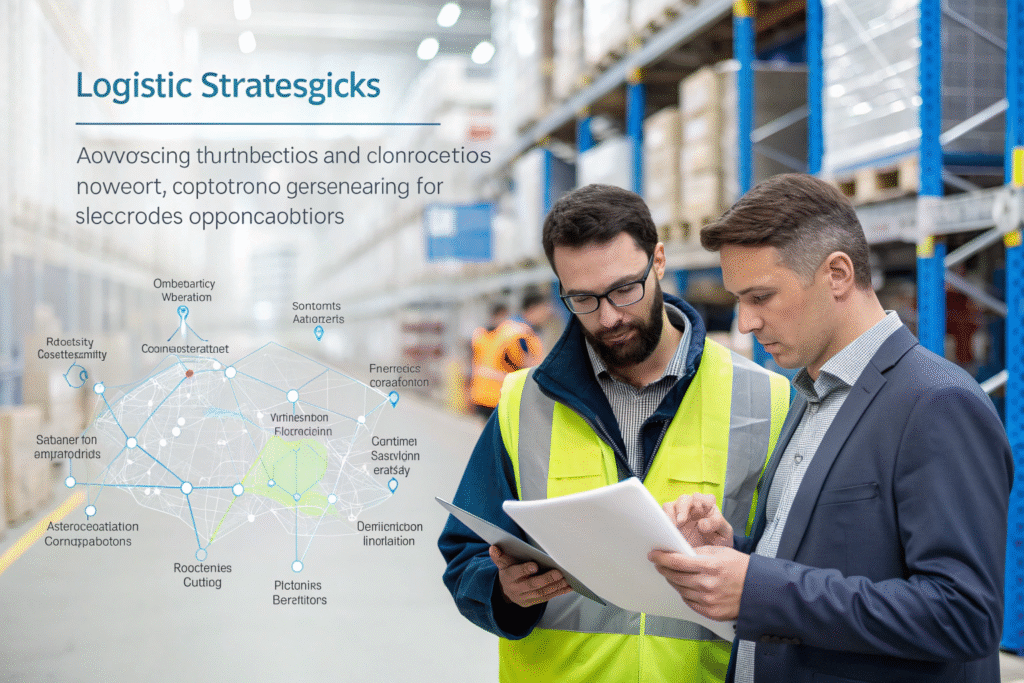
Major logistics hub proximity reduces transportation costs and transit times. Key regions like Southern California’s Inland Empire, Dallas-Fort Worth, Chicago, New Jersey, and Atlanta offer significant advantages through carrier density, transportation options, and labor availability that typically offset potentially higher real estate costs.
Tax and regulatory considerations vary significantly by state. States like Nevada, Tennessee, and Texas often provide favorable tax environments for distribution operations, while coastal states may offer better port access but higher operational costs.
What Market-Specific Location Factors Matter?
Population center proximity affects last-mile delivery costs and times. For e-commerce and retail distribution, positioning inventory within 1-2 day ground service of your primary customer bases dramatically reduces transportation costs and improves service levels.
Port and transportation access optimizes import flow efficiency. For import-heavy operations, warehouses near major ports (LA/Long Beach, New York/New Jersey, Savannah) or with good intermodal connections can significantly reduce drayage costs and streamline container processing.
What Operational Capabilities Should You Prioritize?
Core operational competencies determine whether a warehouse can reliably meet your specific requirements.
What Storage and Handling Capabilities Are Essential?
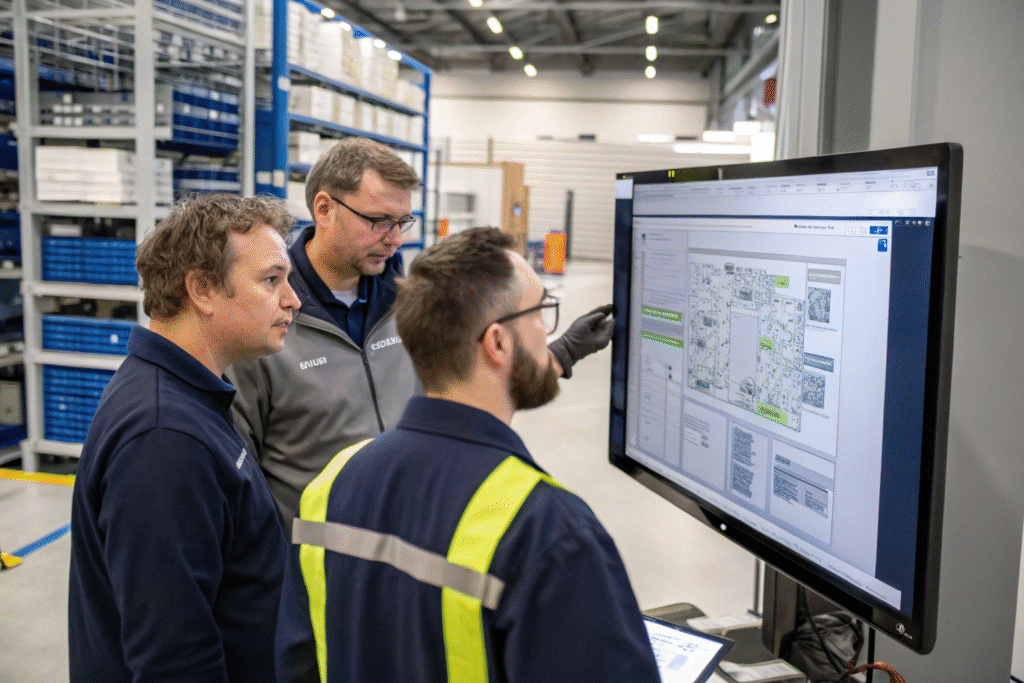
Inventory management sophistication ensures accuracy and control. Look for warehouses with robust WMS systems, cycle counting programs, and inventory accuracy rates consistently above 99.5%, with transparent reporting and accountability for variances.
Specialized handling equipment matches your product requirements. Depending on your products, you may need climate control, hazardous materials handling, high-value security, or specialized equipment for oversized, fragile, or unique items.
How Important Are Technology and Integration Capabilities?
WMS functionality and integration readiness enables operational visibility. Modern Warehouse Management Systems should provide real-time inventory visibility, order management, and seamless integration with your e-commerce platforms, ERP systems, and transportation management systems.
API and EDI capabilities determine operational efficiency. Evaluate the warehouse’s technical capabilities for electronic data interchange and API integration, as manual processes typically create errors, delays, and additional costs.
What Service Level and Scalability Factors Determine Success?
The ability to consistently meet service commitments and scale with your business is crucial for long-term partnership success.

How Do You Assess Service Reliability and Quality?
Performance metrics and reporting transparency demonstrate operational discipline. Request detailed KPIs including order accuracy (target >99.5%), on-time shipping (>98%), inventory accuracy (>99.5%), and customer satisfaction metrics from current clients.
Quality control processes prevent errors and ensure consistency. Look for documented processes for receiving, putaway, picking, packing, and shipping, with regular audits and continuous improvement programs.
What Scalability Considerations Are Most Important?
Physical expansion capacity supports business growth. Evaluate whether potential partners have additional space available, multiple facility options, or flexible arrangements that can accommodate your projected growth without requiring disruptive transitions.
Seasonal flexibility manages peak period demands. Understand how the warehouse handles volume fluctuations, including temporary labor sourcing, extended hours, and additional equipment availability during peak seasons.
What Financial and Contractual Aspects Require Careful Attention?
The business terms and financial stability of warehousing partners significantly impact long-term viability and cost predictability.

How Should You Evaluate Pricing Structures and Total Costs?
Transparent pricing models prevent unexpected charges. Look for clear, detailed pricing for storage (pallet positions, bin locations), handling (receiving, putaway, picking, packing), and value-added services, with understanding of potential accessorial charges.
Total cost analysis goes beyond quoted rates. Consider all cost components including minimum volume requirements, administrative fees, technology charges, and potential penalty fees that might affect your total logistics costs.
What Contractual Protections Are Essential?
Service level agreements (SLAs) with meaningful remedies. Ensure contracts include specific performance standards with financial consequences for non-performance, rather than vague commitments that provide little recourse for service failures.
Flexibility and exit terms protect your business interests. Negotiate reasonable notice periods, volume flexibility, and clear termination conditions that don’t lock you into unfavorable long-term arrangements.
How Can You Conduct Effective Due Diligence?
Thorough investigation and verification separate truly reliable partners from those who merely present well.

What Reference Checking Approaches Are Most Effective?
Current client conversations provide unbiased operational insights. Request references from companies with similar volume, product characteristics, and service requirements, and ask specific questions about problem resolution, communication, and actual versus promised performance.
Industry reputation research identifies potential red flags. Check with industry associations, trade groups, and business networks for feedback about potential partners’ reputation, financial stability, and business practices.
How Valuable Are Site Visits and Operational Reviews?
Facility inspections reveal operational reality versus marketing claims. During visits, observe housekeeping, organization, safety practices, and employee engagement, as these often correlate with overall operational discipline and reliability.
Process walkthroughs validate capability claims. Request demonstrations of specific processes relevant to your operations, from receiving and putaway to order fulfillment and returns handling, to verify advertised capabilities.
Conclusion
Finding reliable warehousing and fulfillment in the US requires a systematic, multi-dimensional approach that balances operational capabilities, technological sophistication, strategic location, financial stability, and cultural compatibility. The most successful partnerships typically emerge from thorough due diligence, clear performance expectations, and aligned business objectives rather than simply selecting the lowest-cost option.
At GeeseCargo, we’ve helped clients establish warehousing partnerships that typically achieve 99%+ order accuracy, 98%+ on-time shipping, and 25-40% lower total fulfillment costs compared to industry averages. Our experience demonstrates that companies investing 4-8 weeks in thorough warehouse selection typically achieve significantly better long-term outcomes than those making rushed decisions based on limited criteria. Remember that your warehousing partner becomes an extension of your brand—choosing carefully based on comprehensive evaluation rather than price alone pays substantial dividends in customer satisfaction and operational efficiency.