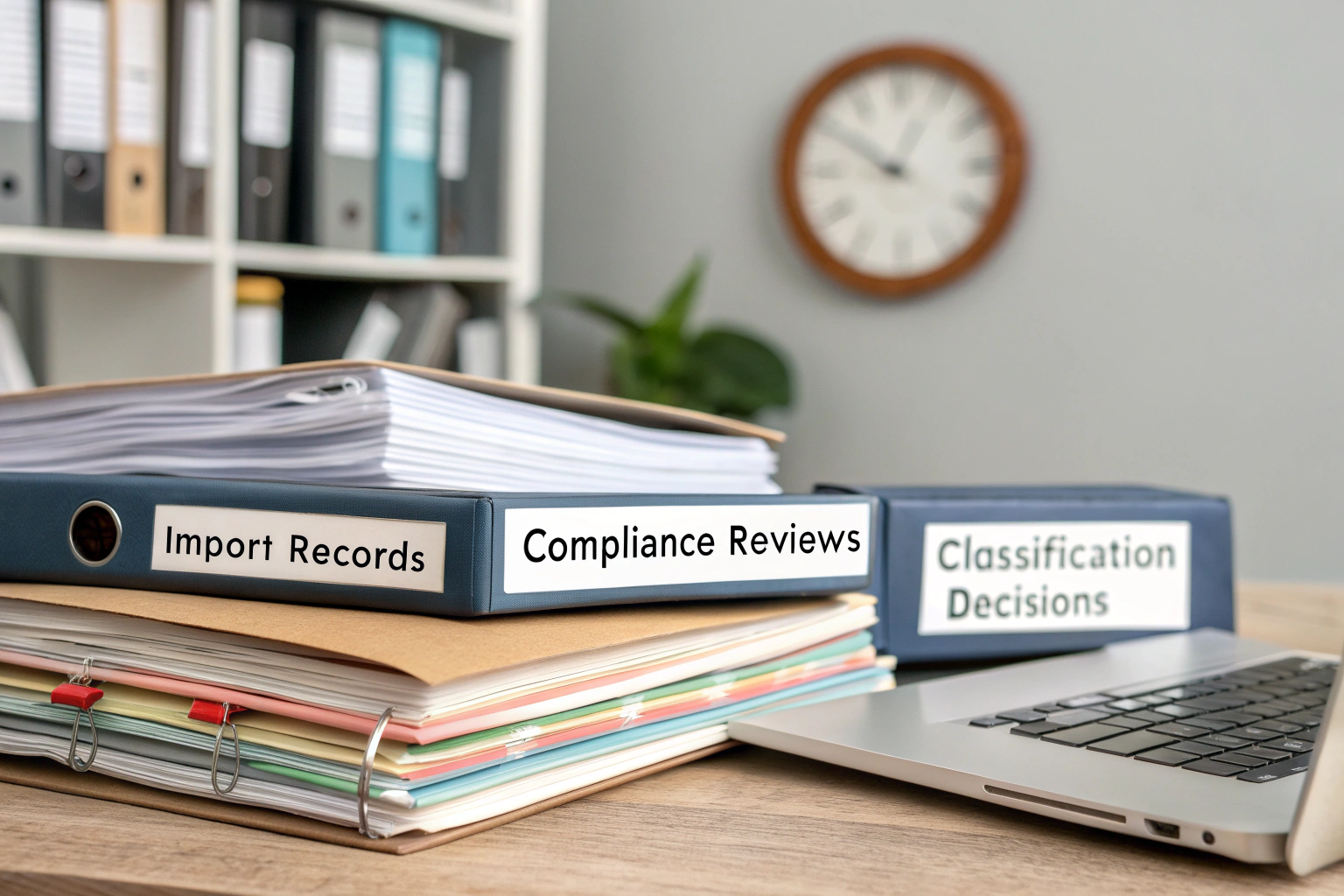
When one of our clients faced a customs audit that uncovered $280,000 in unpaid duties due to classification errors, I witnessed how proper preparation transforms a potentially catastrophic event into a manageable process. As founder of GeeseCargo with extensive customs compliance experience, I've learned that audit preparation isn't about creating a perfect defense—it's about demonstrating systematic compliance efforts and maintaining impeccable documentation.
The best preparation for a customs audit involves maintaining organized import records, conducting regular internal compliance reviews, documenting classification and valuation decisions, and establishing clear compliance procedures. Companies with robust preparation typically reduce audit findings by 60-80% and decrease audit duration from months to weeks, even when errors are identified.
Customs audits have evolved from simple verifications to sophisticated compliance assessments that examine your entire import process. The most successful companies treat audit preparation as an ongoing business process rather than a reactive activity when notices arrive.
What Documentation and Records Must You Maintain?
Customs authorities expect comprehensive recordkeeping that demonstrates compliance throughout your import activities.

What Are the Mandatory Recordkeeping Requirements?
Commercial documentation must be maintained for five years from date of entry. This includes commercial invoices, purchase orders, bills of lading, packing lists, and payment records that support your import transactions.
Classification records demonstrate reasonable care in HS code determination. Maintain product specifications, technical literature, classification worksheets, and ruling requests that show your classification methodology.
Valuation documentation supports declared transaction values. Keep records of buying commissions, assists, royalties, and related-party transactions that affect customs value calculations.
How Should You Organize Records for Easy Access During Audits?
Centralized record management systems prevent scattered documentation. Use digital systems that consolidate all import records with searchable metadata and clear organization by entry or product.
Cross-referenced files enable quick response to specific inquiries. Link commercial documents, classification decisions, valuation analyses, and entry summaries so auditors can trace complete transaction stories.
Version control maintains decision chronology. Document when classification or valuation decisions changed and the business reasons supporting those changes.
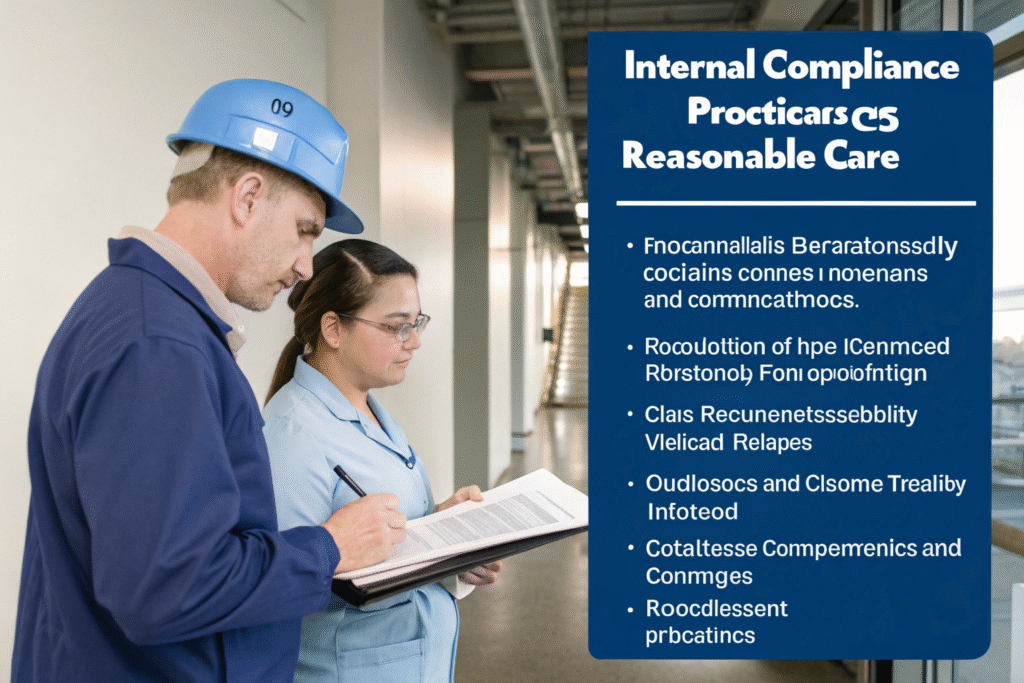
What Internal Compliance Practices Demonstrate Reasonable Care?
Systematic compliance processes show auditors that errors represent exceptions rather than systemic failures.
How Can You Document Classification Procedures?
Classification manuals demonstrate standardized approaches. Maintain written procedures for determining HS codes, including technical review processes, reference materials consulted, and decision documentation.
Periodic classification reviews show ongoing compliance efforts. Document regular reviews of product classifications, especially when products change or new items are added.
Binding ruling applications for uncertain classifications provide legal protection. When classification is unclear, obtaining advance rulings creates safe harbors for those specific products.
What Valuation Processes Should Be Documented?
Related-party valuation methodologies require particular attention. Document transfer pricing studies, arm's-length testing, and valuation methods used for transactions between related companies.
Assists tracking systems capture all provided materials and services. Maintain records of tooling, engineering, design work, and other assists provided to suppliers that affect customs value.
Royalty and license fee documentation supports valuation decisions. Keep licensing agreements, payment records, and analyses of whether payments are dutiable.
How Should You Prepare Your Team and Resources?
Proper staffing and preparation ensure your organization responds effectively during the audit process.

Who Should Be Involved in Audit Preparation and Response?
Designated audit coordinator serves as single point of contact. This person should understand your import operations thoroughly and have authority to gather information across departments.
Subject matter experts for technical areas provide specialized knowledge. Include classification specialists, valuation experts, and logistics professionals who understand specific aspects of your imports.
Management sponsorship ensures resource availability. Senior leadership should understand audit significance and authorize necessary resources for thorough response.
What Training Ensures Effective Audit Participation?
Mock audit exercises prepare staff for real interactions. Conduct practice sessions where team members respond to sample document requests and interviews.
Communication protocols prevent inconsistent messaging. Train staff on what to say, what not to say, and when to defer to subject matter experts during auditor interactions.
Document handling procedures maintain record integrity. Establish protocols for providing copies rather than originals and documenting all materials provided to auditors.
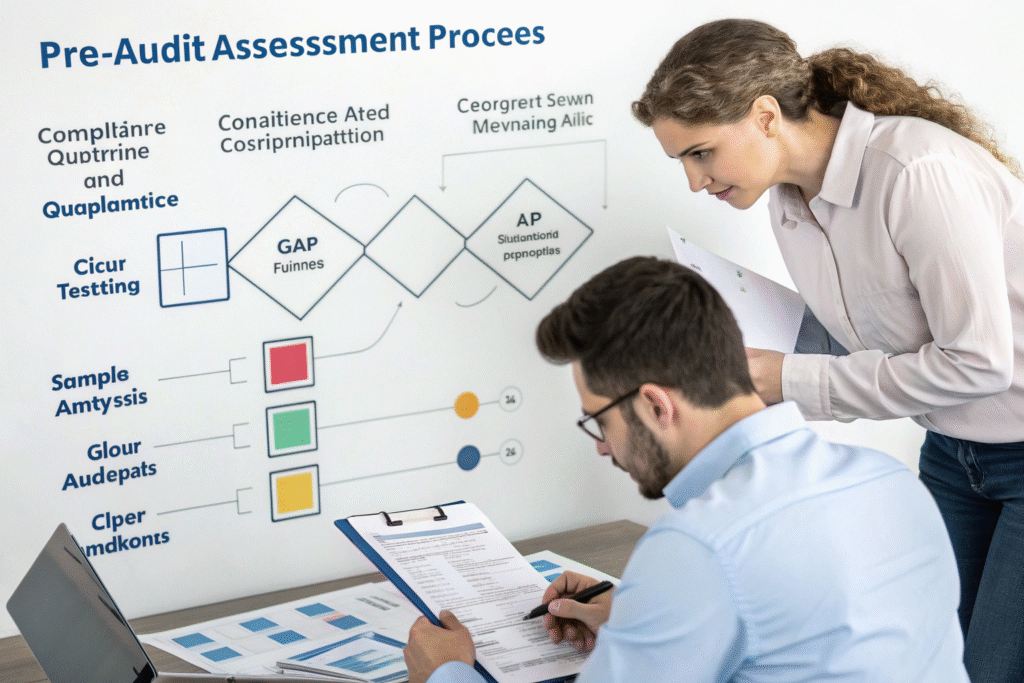
What Pre-Audit Assessments Identify Vulnerabilities?
Proactive compliance reviews help identify and address potential issues before auditors discover them.
How Can Internal Audits Identify Compliance Gaps?
Focused assessment questionnaires evaluate specific compliance areas. Use checklists covering classification, valuation, origin, and other key areas to systematically review compliance.
Sample transaction testing validates actual import practices. Select random entries and trace them through complete documentation to identify process breakdowns or consistent errors.
Broker performance reviews assess third-party compliance. Evaluate whether your customs brokers are following instructions and maintaining proper documentation.
What Technical Reviews Address Common Problem Areas?
Classification verification against technical specifications. Compare declared HS codes against product specifications and official classification resources to identify potential errors.
Valuation analysis for special circumstances. Review related-party transactions, assists, royalties, and buying commissions that commonly create valuation issues.
Origin verification for preferential claims. Validate country of origin determinations and supporting documentation for free trade agreement claims.
How Should You Manage the Actual Audit Process?
Effective audit management demonstrates professionalism and can influence audit scope and outcomes.

What Logistics Ensure Smooth Audit Operations?
Dedicated workspace for auditors shows preparation and cooperation. Provide a comfortable, private area with necessary amenities where auditors can work undisturbed.
Document production procedures maintain control and tracking. Use a systematic process for providing documents, including numbering copies and maintaining production logs.
Scheduled updates and progress reviews maintain communication. Establish regular checkpoints to discuss audit progress, address questions, and understand potential findings.
How Should Your Team Interact with Auditors?
Professional, cooperative attitude creates positive engagement. Be helpful and transparent while protecting your legal rights and avoiding voluntary disclosure of unrequested information.
Precise answers to specific questions prevent misunderstandings. Answer only what's asked, provide exact documentation requested, and avoid speculation or unofficial opinions.
Escalation procedures for difficult questions ensure consistent responses. When unsure how to answer, have clear protocols for deferring to subject matter experts or seeking clarification.
What Are the Most Common Audit Findings and How to Prevent Them?
Understanding frequent compliance issues helps focus preparation efforts on highest-risk areas.

What Classification Errors Trigger Significant Assessments?
Incorrect HS code application causes duty underpayment. Common issues include misclassifying finished products as parts, using general categories instead of specific provisions, or misunderstanding technical parameters.
Failure to update classifications for product changes. When products evolve, companies often continue using historical classifications that no longer apply to modified products.
Inconsistent classification of similar products. Different departments or facilities classifying identical products under different HS codes raises compliance concerns.
What Valuation Issues Create Major Liability?
Unreported assists from buyers to suppliers. Companies often overlook engineering, design, tooling, or materials provided to suppliers that increase transaction value.
Incorrect related-party valuation methodologies. Using transfer prices without proper analysis of whether they represent arm's-length transactions creates valuation errors.
Unreported buying commissions or royalties. Payments to agents or for intellectual property that are condition of sale but not included in declared value.
Conclusion
Preparing for a customs audit requires transforming compliance from a theoretical concept into a documented, systematic business practice. The most successful companies approach audit preparation as an ongoing opportunity to validate and improve their import processes rather than as a defensive reaction to government scrutiny.
At GeeseCargo, we've helped clients reduce audit findings by an average of 75% through comprehensive preparation programs. The most effective approaches combine thorough documentation, systematic processes, regular self-assessment, and cultural commitment to compliance throughout the organization.
Begin your audit preparation by conducting an honest assessment of your current compliance status, then systematically address documentation gaps, process weaknesses, and training needs. Remember that in customs compliance, the quality of your processes and documentation often matters more than perfection—demonstrating systematic reasonable care can significantly mitigate consequences even when errors are identified.