When one of our clients discovered their contract lacked force majeure protection during the Suez Canal blockage, they absorbed $240,000 in losses that could have been contractually allocated to their supplier. As founder of GeeseCargo with extensive experience in international trade disputes, I've learned that well-drafted contracts aren't just legal formalities—they're strategic tools that prevent conflicts and allocate risks fairly between parties.
The most effective way to avoid common problems in international trade contracts is through precise Incoterms selection, clear payment terms, detailed quality specifications, comprehensive dispute resolution mechanisms, and robust force majeure clauses. Properly structured contracts typically reduce disputes by 60-80% and decrease resolution time from months to weeks when issues do arise.
International trade contracts face unique challenges from differing legal systems, cultural expectations, and logistical complexities. Understanding the most frequent problem areas enables you to build preventative measures directly into your contractual framework rather than relying on reactive problem-solving.
What Are the Critical Elements of a Risk-Mitigating Contract?
A well-structured international trade contract addresses specific risk areas with clear, unambiguous language that all parties understand similarly despite potential language and cultural differences.
How Can Precise Incoterms Selection Prevent Disputes?
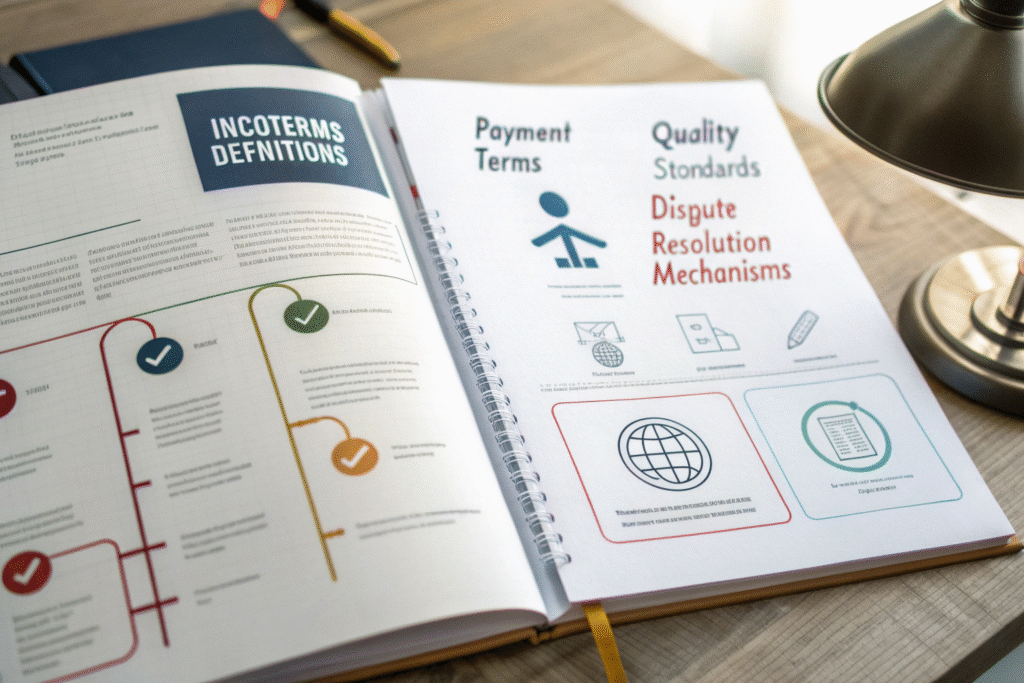
Specific Incoterms rules with named locations eliminate ambiguity about responsibility transfers. Rather than just "FOB," specify "FOB Shanghai, Pudong Port, Berth 4" to prevent disagreements about where risk and cost transfer occurs.
Incoterms version year specification prevents interpretation conflicts. Clearly state "Incoterms 2020" to ensure all parties reference the same rule definitions, as interpretations have evolved significantly between versions.
Associated responsibilities beyond basic Incoterms requirements should be explicitly detailed. While Incoterms define core obligations, additional requirements like packaging standards, loading assistance, or documentation preparation should be separately specified.
What Payment Terms Balance Risk and Relationship?
Staged payments linked to verifiable milestones protect both buyers and suppliers. A typical structure might include 30% with order, 40% after production completion verified by third-party inspection, and 30% against shipping documents.
Clear payment method specifications prevent processing delays and fraud. Specify exact wire transfer instructions, required documents for letter of credit draws, or escrow release conditions to prevent payment disputes.
Late payment penalties and early payment discounts create financial incentives for compliance. Well-designed financial terms encourage timely performance without being so severe they damage relationships.
How Can You Ensure Quality and Specification Compliance?
Quality disputes represent one of the most common international trade conflicts, often arising from ambiguous specifications or differing interpretation standards.
What Specification Methods Prevent Quality Disputes?
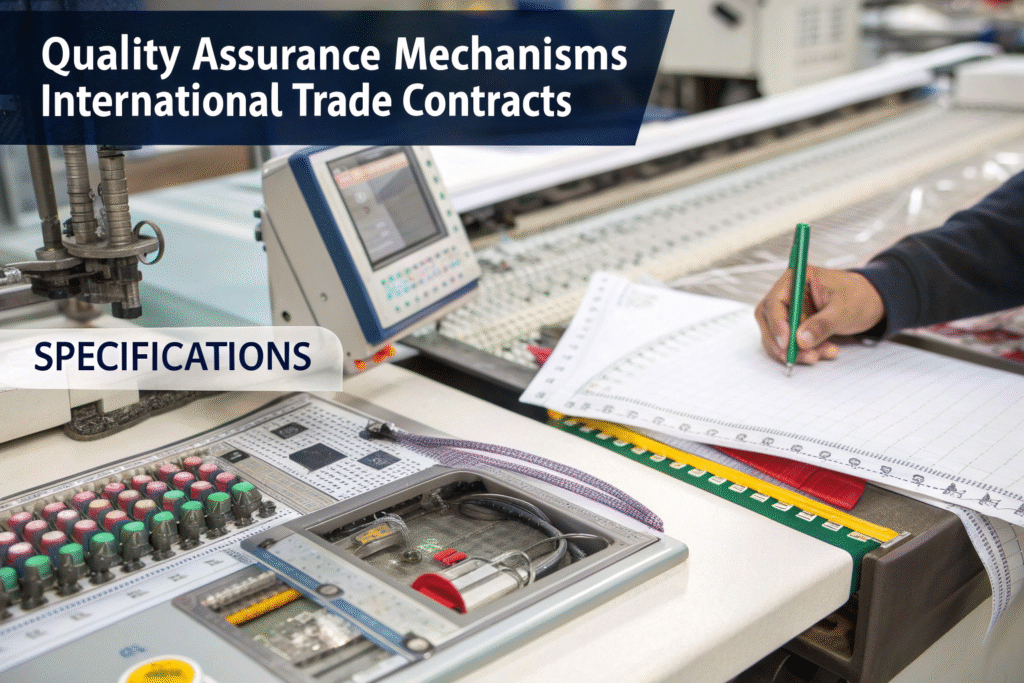
Reference samples with joint sealing and storage provide objective quality benchmarks. The contract should specify that both parties retain identical sealed samples from pre-production runs as the definitive quality reference.
Technical specifications with acceptable tolerance ranges accommodate manufacturing realities. Rather than single measurements, specify ranges (e.g., "weight: 100g ± 2g") and which party bears measurement cost variances.
International standards references provide objective quality benchmarks. Citing specific ISO, ASTM, or other recognized standards prevents arguments about subjective quality assessments.
How Should Inspection and Acceptance Procedures Be Structured?
Pre-shipment inspection rights with clear timing and methodology prevent surprises. Specify who conducts inspections, what standards apply, how many units are checked, and whether inspections occur at factory or loading site.
Non-conformance procedures with graduated remedies create fair resolution processes. Define whether minor defects allow price adjustments, whether buyers can require rework, and what defects justify complete rejection.
Final acceptance timing and location determine when ownership transfers. Clearly state whether acceptance occurs at shipment, delivery, or after post-delivery quality verification period.
What Dispute Resolution Mechanisms Prevent Costly Litigation?
International litigation is prohibitively expensive for most trade disputes, making alternative resolution mechanisms essential contract components.

How Does Arbitration Provide Better Outcomes Than Litigation?
Neutral venue selection prevents home-court advantages. Choosing a recognized arbitration center in a neutral country (Singapore, London, Geneva) ensures balanced treatment rather than relying on either party's domestic courts.
Industry-specific expertise is available through specialized arbitrators. Unlike general jurisdiction judges, arbitrators can be selected for specific trade knowledge (commodities, manufacturing, technology).
Enforceability across borders under the New York Convention makes arbitration awards more practical than court judgments. Over 160 countries recognize arbitration awards, while court judgments face significant enforcement challenges internationally.
What Escalation Procedures Prevent Full-Scale Disputes?
Mandatory negotiation periods require direct discussion before formal proceedings. Specifying that senior executives must meet (in person or virtually) within 30 days of dispute identification resolves many issues without third-party involvement.
Mediation requirements before arbitration preserve relationships. A neutral mediator can often help parties find creative solutions that arbitration panels cannot impose, maintaining business relationships despite disagreements.
Liquidated damages provisions for specific breaches create predictable outcomes. Pre-agreed damages for late delivery, quality failures, or other measurable breaches prevent arguments about actual damages while providing compensation certainty.
How Can You Protect Against Unforeseen Events?
Force majeure and change management provisions determine how contracts adapt to unexpected circumstances that inevitably arise in international trade.

What Constitutes an Effective Force Majeure Clause?
Specific event enumeration prevents arguments about what qualifies. Beyond general language, list particular concerns like "epidemics," "port closures," "export controls," and "transportation embargoes" relevant to your trade.
Notice requirements with specific timelines ensure prompt communication. Require written notice within 5-7 days of event occurrence with regular updates on impact assessment and mitigation efforts.
Mitigation obligations prevent abuse of force majeure protections. Specify that parties must take reasonable steps to minimize impacts and cannot claim relief for avoidable consequences.
How Should Contract Change Procedures Be Structured?
Formal change order processes prevent informal modifications causing confusion. Require written change orders signed by authorized representatives for any contract modifications, with clear pricing and timing impacts.
Price adjustment mechanisms account for cost fluctuations. For long-term contracts, include formulas for raw material price changes, currency fluctuations, or transportation cost variations to prevent renegotiation needs.
Termination rights with clear consequences provide exit strategies. Define under what conditions parties can terminate, what notice is required, and how partial performance is compensated upon termination.
What Are the Most Overlooked Contract Provisions?
Several critical provisions often receive insufficient attention during contract drafting but create significant problems when overlooked.
How Can Intellectual Property Protection Be Secured?
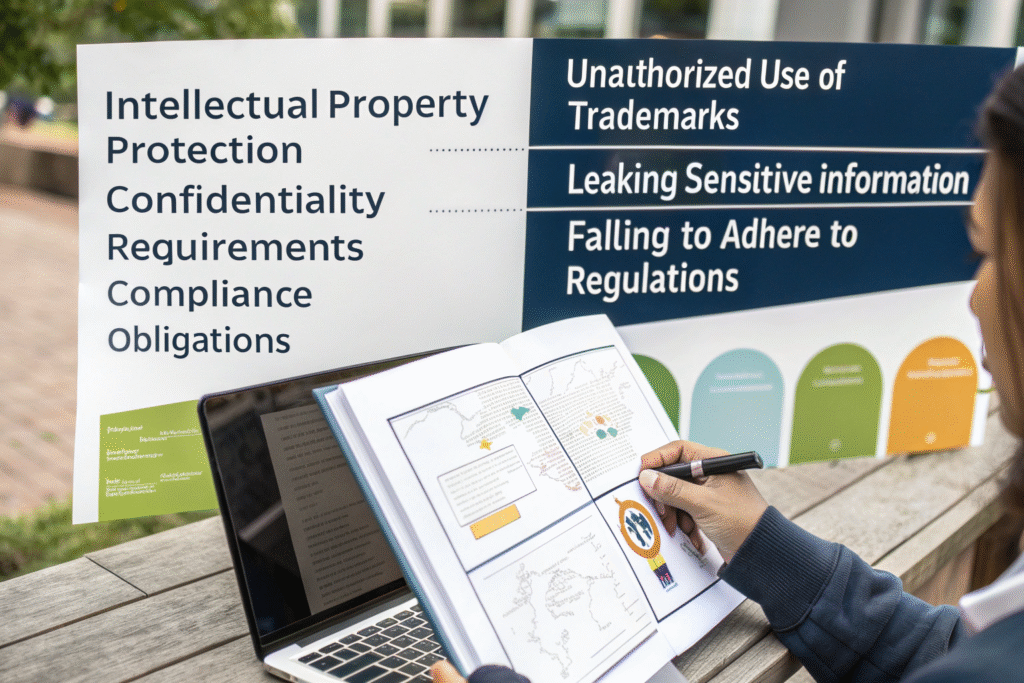
Design and manufacturing process protection prevents supplier competition. Include provisions prohibiting suppliers from using your designs, tooling, or processes for other customers or their own products.
Component sourcing restrictions protect quality and compliance. Specify approved component sources or qualification requirements for alternative sources to prevent unauthorized substitutions affecting product safety or performance.
Post-termination IP rights clearly address knowledge transfer. Define what happens to molds, designs, and technical information after contract conclusion to prevent hold-up scenarios.
What Compliance and Regulatory Provisions Are Essential?
Export and import compliance allocations prevent regulatory violations. Clearly state which party is responsible for export controls, import licenses, customs declarations, and other regulatory requirements.
Product safety and certification obligations vary by destination. Specify who obtains and maintains necessary certifications (CE, FCC, UL) and bears responsibility for regulatory updates.
Anti-corruption provisions with audit rights ensure legal compliance. Include representations of compliance with anti-bribery laws and rights to audit compliance with these provisions.
How Can Contract Management Prevent Problems?
Even well-drafted contracts require active management throughout their lifecycle to prevent issues and maximize their protective value.

What Monitoring Systems Ensure Contract Compliance?
Key performance indicator tracking provides objective performance measurement. Regularly measure and discuss metrics like on-time delivery, quality acceptance rates, and documentation accuracy against contract standards.
Periodic contract reviews identify needed adjustments. Schedule quarterly or semi-annual reviews to discuss what's working well, what needs improvement, and whether business changes require contract modifications.
Relationship management beyond formal requirements builds cooperation. Regular communication outside problem situations creates goodwill that helps resolve issues before they become formal disputes.
What Documentation Practices Support Contract Enforcement?
Centralized contract repository with version control prevents confusion. Maintain a single source for all contract documents, amendments, and related communications with clear version history.
Communication protocols define formal versus informal exchanges. Specify which communications have contractual significance versus operational coordination to prevent misunderstandings about what constitutes formal notice.
Performance documentation creates evidence for potential disputes. Systematically retain records of inspections, test results, delivery proofs, and compliance certifications throughout the contract term.
Conclusion
Avoiding common problems in international trade contracts requires a proactive approach that addresses potential issues before they materialize. The most successful companies treat contract drafting as a strategic investment rather than a bureaucratic necessity, recognizing that well-structured agreements prevent far more costs than they create.
At GeeseCargo, we've helped clients reduce contract-related disputes by over 70% through systematic contract improvement and management. The most effective approaches combine precise drafting with active relationship management, creating frameworks that both prevent problems and facilitate resolution when issues inevitably occur.
Begin your contract improvement by analyzing past disputes to identify your most frequent problem areas, then systematically address these vulnerabilities in your standard agreements. Remember that in international trade, the contract serves as your primary protection when geographic, cultural, and legal distances complicate relationships—investing in robust contracts pays dividends far exceeding the drafting costs.