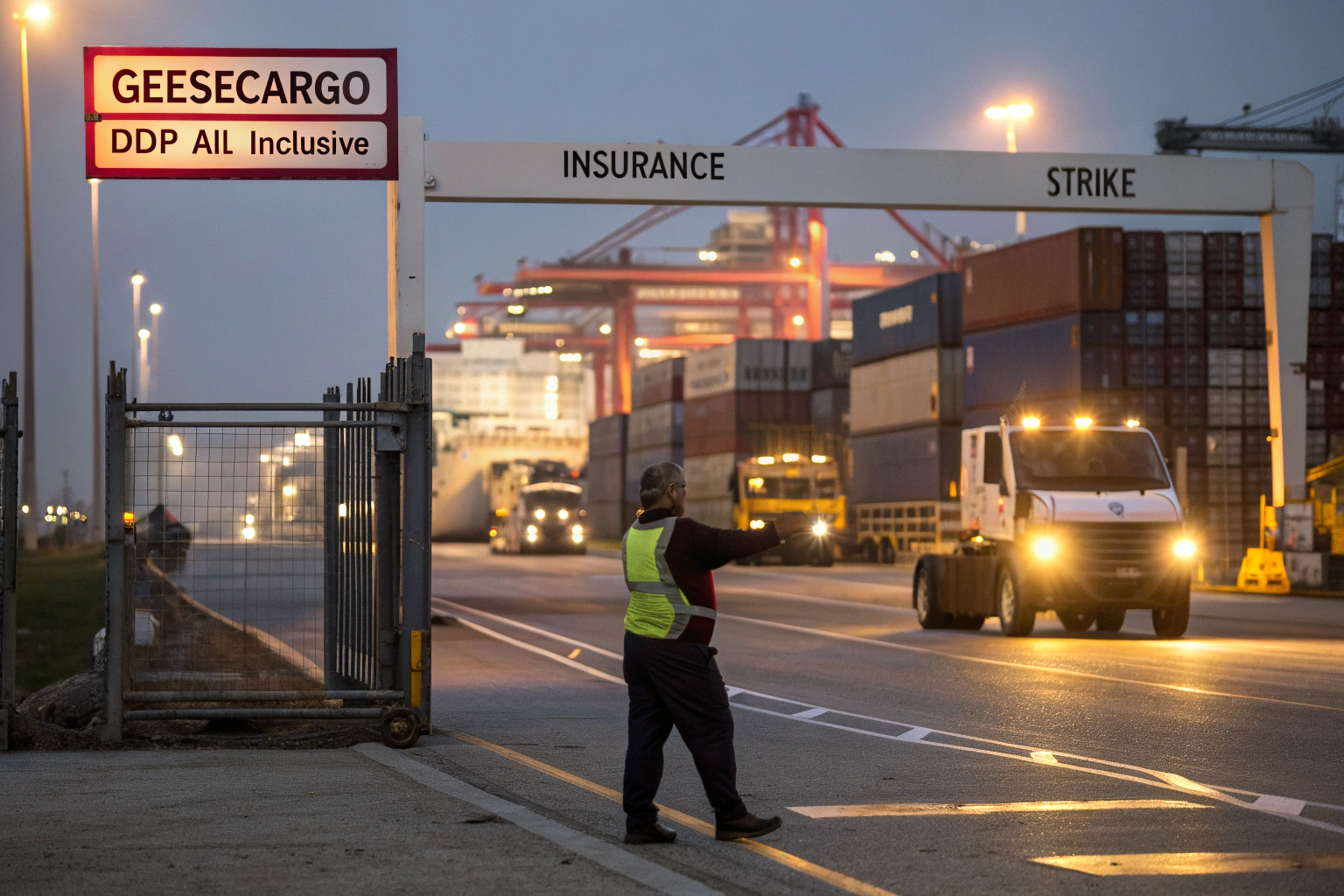
You see the headlines. Labor contract expiring. Negotiations breaking down. A port strike looming. Your entire inventory is on a vessel heading straight for that closed gateway. The ship will anchor offshore. Wait. Wait. Wait. Days turn into weeks. Demurrage clocks tick. Your retail buyers call, angry. Your warehouse sits empty. Your cash flow freezes. You are completely helpless, watching a labor dispute destroy your season.
GeeseCargo prepares your supply chain for US port strikes by pre-designating alternative discharge ports, securing priority discharge status for your containers, and activating pre-contracted truck and rail capacity to move your cargo from the diversion port to your warehouse without delay.
I learned during past port disruptions that the importers who survive are the ones who planned before the strike. The ones who waited for the strike to start before asking "what now?" lost everything. I don’t let my clients fall into the second group. We build strike contingency into every shipping plan. Here is exactly how we shield your business from the paralysis of a port shutdown.
What Causes US Port Strikes and How Much Warning Do Importers Typically Get?
Port strikes don’t appear out of nowhere. They are the end result of failed contract negotiations between the International Longshoremen’s Association or the International Longshore and Warehouse Union and the terminal operators. The contracts have expiration dates. The parties negotiate publicly. The signs of a breakdown are visible for weeks or months before a walkout. Smart importers get plenty of warning. Most just don’t have anyone watching the signals.
We monitor labor contract timelines, negotiation progress, and work slowdown signals at every major US port. We alert our clients months before a potential strike, not days. This lead time allows us to reroute cargo, pull forward shipments, and position inventory safely before the gates close.
I remember the last major West Coast labor disruption. We started advising clients to divert cargo six weeks before the first picket line appeared. Our clients moved their inventory. Their competitors laughed. Then the ports slowed. Then they stopped. Our clients had full warehouses while their competitors stared at anchored ships on MarineTraffic. Preparation is a competitive weapon.

How Do Labor Contract Expiration Dates Serve as Early Warning Signals?
Every union contract has a clear expiration date. The PMA and ILWU contract on the West Coast. The USMX and ILA contract on the East and Gulf Coasts. These dates are public. The stakes are public. The rhetoric during negotiations is public.
We track these dates years in advance. As the expiration approaches, we increase our monitoring frequency. We read the union statements. We talk to terminal contacts. If the tone turns hostile six months out, we begin adjusting client shipping schedules immediately. This logistics foresight prevents last-minute scrambles. Your holiday inventory doesn’t arrive during a strike because we shipped it before the threat materialized.
Can Work Slowdowns Precede an Official Strike and How Do You Detect Them?
Unions often begin with slowdowns rather than full strikes. Crane operators work to rule. Clerks meticulously check every document. Productivity drops by half. The port isn’t officially closed, but your cargo moves at a crawl. These slowdowns are harder to detect than a full strike.
We detect them through our terminal relationships. We see the vessel turnaround times stretching. We hear about the "safety inspections" that suddenly multiply. We alert you the moment productivity metrics deteriorate. We don’t wait for the official strike declaration. If the port is functionally frozen, we treat it as a closure and activate the diversion plan.
How Can Pre-Designated Alternative Ports Save Your Inventory During a Shutdown?
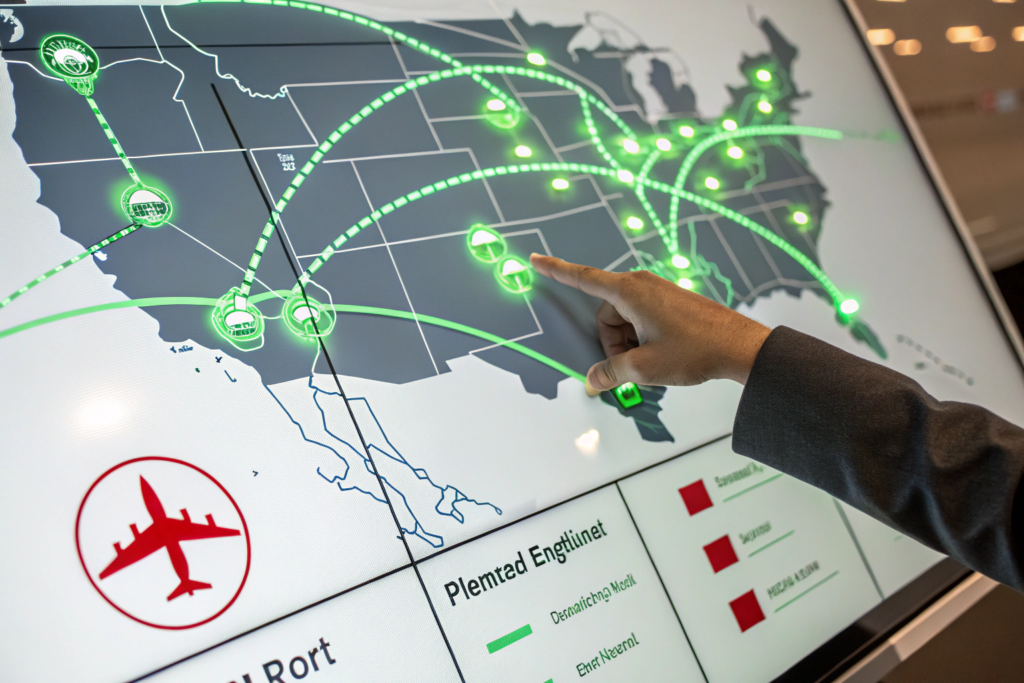
If you ship exclusively to Los Angeles and LA goes on strike, you join the queue of thousands of containers waiting offshore. You have no leverage. But if your bills of lading allow discharge at an alternative port, your vessel can divert. Your cargo lands at Tacoma, Oakland, or even a Canadian or Mexican port, and continues inland by rail or truck. You bypass the picket line entirely.
We pre-designate alternative discharge ports on your shipping documents and pre-book inland transportation from those alternatives. When a strike hits, your cargo doesn’t wait. It diverts to the backup port and moves immediately to your warehouse on pre-arranged rail or truck capacity.
A client of mine ships high-volume giftware to a distribution center in Chicago. His primary port was LA. We designated Tacoma as his strike alternative. We pre-negotiated the rail rate from Tacoma to Chicago. When an LA strike threatened, we executed the diversion with a single email. His goods arrived in Chicago two days later than usual. His competitors’ goods sat at anchor for three weeks.
How Does the "Four Corners" Port Strategy Work During a Regional Strike?
A strike usually affects one coast, not all coasts. The West Coast unions may strike while the East and Gulf Coasts operate normally. The "Four Corners" strategy uses ports on all coasts to spread your import volume.
If you normally ship everything to LA, a West Coast strike is a total blockage. But if you already split volume between LA, Savannah, and Houston, a West Coast strike only affects a third of your flow. The Savannah and Houston cargo arrives on schedule. Your business continues. We design this geographic diversification into your standard operating plan, so the contingency is already live when the crisis hits.
Can Canadian and Mexican Ports Serve as Strike Bypass Gateways?
Absolutely. The ports of Prince Rupert and Vancouver in Canada, and Lazaro Cardenas in Mexico, are not subject to US labor disputes. They connect directly to the US interior by rail.
During a US West Coast strike, we route cargo through Prince Rupert. CN Rail moves it to Chicago, Memphis, or even as far as Dallas. The ocean transit is slightly different, but the port is operational. Your supply chain doesn’t stop. This North American gateway strategy is underused by importers who fixate on US ports. We use it routinely for strike-proofing.
How Does Pre-Contracting Inland Capacity Prevent Post-Diversion Bottlenecks?
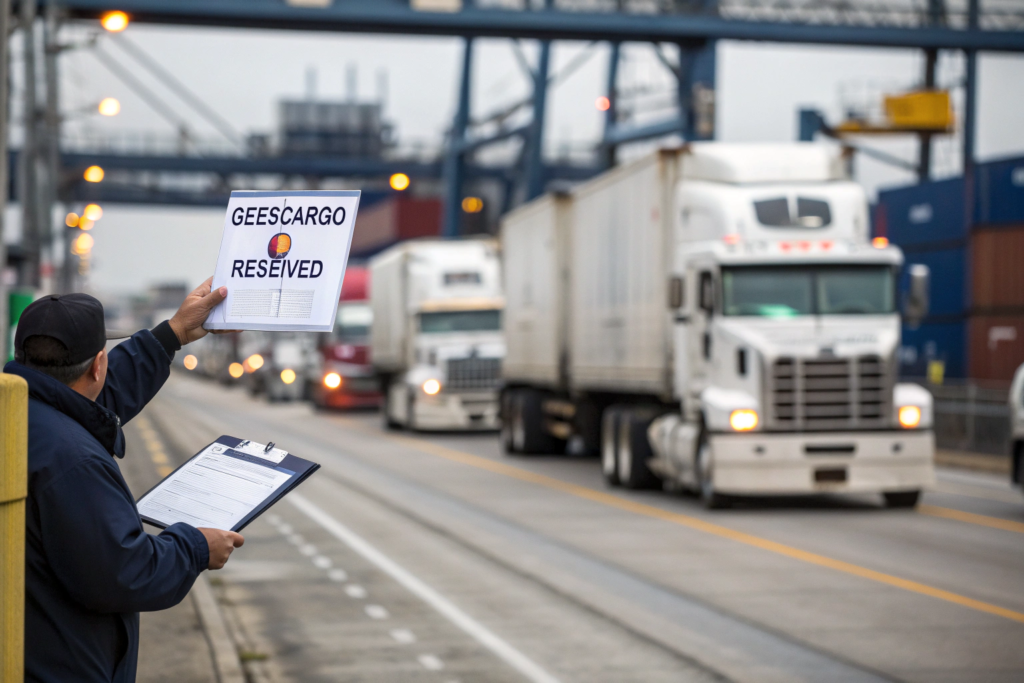
Diverting a ship is step one. Step two is moving the container inland from the new port. When a strike diverts thousands of containers to a secondary port, that port’s truck and rail capacity gets overwhelmed instantly. Spot rates quadruple. Truckers pick the highest bidder. Without pre-contracted capacity, your diverted container sits at the alternative port, waiting for a ride.
We secure surge capacity contracts with national trucking and rail providers in advance. These are not promises. They are reserved slots with guaranteed pricing. When your cargo diverts, our dedicated capacity activates. Your container moves while others wait.
I learned the value of this during a Gulf Coast disruption. Our diverted containers had pre-booked rail slots. They left the port on day one. A competitor’s container sat for eleven days waiting for a truck. The port diversion saved them from the strike, but the inland bottleneck killed their timeline anyway. Diversion without inland planning is only half a solution.
Why Do Spot Truck Rates Skyrocket During a Port Diversion Event?
Supply and demand in a micro-geography. A port that normally handles 500 trucks a day suddenly receives 2,000 diverted containers. The local truck fleet can’t scale overnight. Drivers know they can charge anything. Rates go from $500 to $2,000 per move.
Our pre-contracted rates are fixed. We don’t enter the panic bidding. We pay the agreed rate because the trucker committed that capacity to us before the crisis. This rate stability protects your logistics budget from the hidden cost of port strikes. The diversion itself doesn’t save you money if the inland leg bankrupts you.
How Can Intermodal Rail Contracts Protect Your Inland Delivery Timeline?
Trucks are flexible but capacity-constrained during a crisis. Rail is less flexible but higher volume. During a major port diversion, intermodal rail is often the only way to move large container volumes inland without a multi-week delay.
We pre-negotiate rail contracts from alternative ports to your destination region. The rail ramp at the diversion port may be less congested than the truck gates. Your container goes onto a train within 24 hours of discharge. It arrives at your local ramp on a predictable schedule. This rail freight intermodal planning turns a chaotic diversion into a manageable delivery variance.
How Does Inventory Positioning Mitigate the Impact of a Lengthy Port Strike?
The ultimate defense against a port strike is having inventory already in the country. This isn’t always possible for every SKU, but for your core items, strategic inventory positioning in a US warehouse before a strike date is a powerful shield. You can’t sell what’s stuck on a ship. You can sell what’s already in your fulfillment network.
We help you identify your critical SKUs and execute a "pull-forward" shipping schedule that positions extra inventory in US warehouses before a strike deadline. We compress the ocean transit window and expedite customs clearance so your safety stock is on the shelf before the gates close.
A clothing importer I work with sells a core line of basics that generate steady revenue. Before the last contract expiration, we pulled forward two months of inventory. We shipped in September what normally ships in November. The extra storage cost was minimal. When the strike hit, his core line was fully stocked. He actually gained market share while competitors were out of stock.
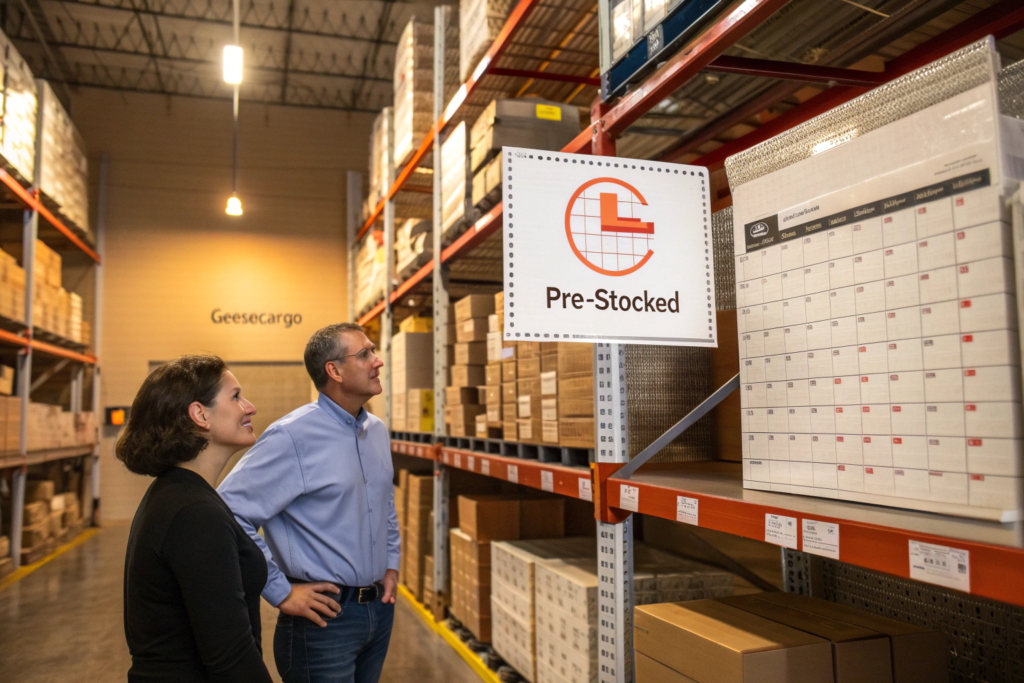
What Is a "Pull-Forward" Shipping Strategy and When Should You Execute It?
A pull-forward means shipping earlier than your normal replenishment cycle. You accept slightly higher carrying costs to avoid a stockout risk. The trigger is a credible strike threat with a clear deadline.
We begin pull-forward planning 90 days before a contract expiration. We identify the vessels with the latest safe arrival window. We accelerate production completion at the factory. We book premium vessel space if necessary to guarantee sailing before the deadline. The goal is simple: your inventory crosses the dock before the picket line forms.
How Can Temporary US Warehousing Support Strike Contingency Planning?
If your normal warehouse is full, extra pull-forward inventory needs a temporary home. We partner with third-party logistics providers near major ports to offer short-term overflow warehousing.
Your extra inventory sits in a secure facility, ready for distribution. When the strike begins, you draw from this buffer. When the strike ends and your normal flow resumes, you bleed off the buffer. The temporary storage cost is an insurance premium against lost sales. Our warehousing solutions make pull-forward strategies feasible even for importers without their own excess capacity.
How Does DDP Service Transfer Port Strike Risk from You to GeeseCargo?
Under standard FOB or CIF terms, you are the Importer of Record. When a port strike delays your container, the financial consequences land on you. Demurrage at the diversion port. Storage at the terminal. Additional inland transportation costs. The carrier fulfilled their contract by delivering to the port. Everything after that is your problem.
Under our DDP service, GeeseCargo is the Importer of Record. We bear the financial consequences of port strikes. If a strike forces diversion, we pay the additional freight. If demurrage accrues, we pay it. Your delivered cost remains fixed. The strike is our operational problem, not your financial crisis.
This is where our DDP model shines brightest. A client importing electronics accessories had a container caught in a strike diversion. His previous experience with FOB terms had cost him $3,000 in unexpected fees per container. Under our DDP, he paid nothing extra. We absorbed the diversion cost and the inland rerouting. He received his goods. He paid the agreed price. The strike was invisible to his P&L.
How Does the Importer of Record Role Change During a Port Disruption?
As the Importer of Record under FOB terms, you are legally and financially responsible from the moment the vessel arrives. You pay the terminal fees. You arrange the truck. You bear the cost of any delay.
When GeeseCargo is the Importer of Record, we own that responsibility. We pay the terminal. We manage the truck or rail. If a strike forces a last-minute diversion, we absorb the cost variance. Your only role is to receive the delivery at your warehouse. This liability shift is not a minor convenience. It is a fundamental restructuring of who bears the operational risk.
Can a Fixed DDP Price Guarantee Delivery Cost During a Strike?
A fixed DDP price is a contract guarantee. The price per unit covers all transportation, duties, and delivery. If a strike increases our costs, we cannot pass that increase to you. We eat it.
This guarantee forces us to plan diligently. We have skin in the game. If we fail to plan for a strike, we lose money. This alignment of incentives means we invest heavily in the contingency strategies outlined above. Your fixed price is our motivation to be the best-prepared freight forwarder in the industry.
Conclusion
US port strikes are predictable in their timing if not their severity. Contract deadlines are public. The rhetoric is visible. The warning signs flash for months. The question is whether your logistics partner uses that lead time to protect you or waits until the gates close to apologize. We’ve explored how pre-designating alternative ports transforms a potential stockout into a minor routing adjustment. We’ve shown how pre-contracting inland capacity prevents the diversion port from becoming a second bottleneck.
We’ve discussed the power of pull-forward inventory positioning, putting stock on US soil before the picket lines form. And we’ve highlighted how our DDP service transfers the financial risk of port disruptions from your balance sheet to ours. When a strike hits, our costs may rise, but yours don’t.
Your customers don’t care about labor negotiations at the docks. They care about receiving their orders. I built GeeseCargo to ensure that a port strike on the news is not a port strike in your business. Let’s review your current port exposure and build a strike contingency plan that keeps your inventory flowing, no matter what happens at the bargaining table. Contact us today.