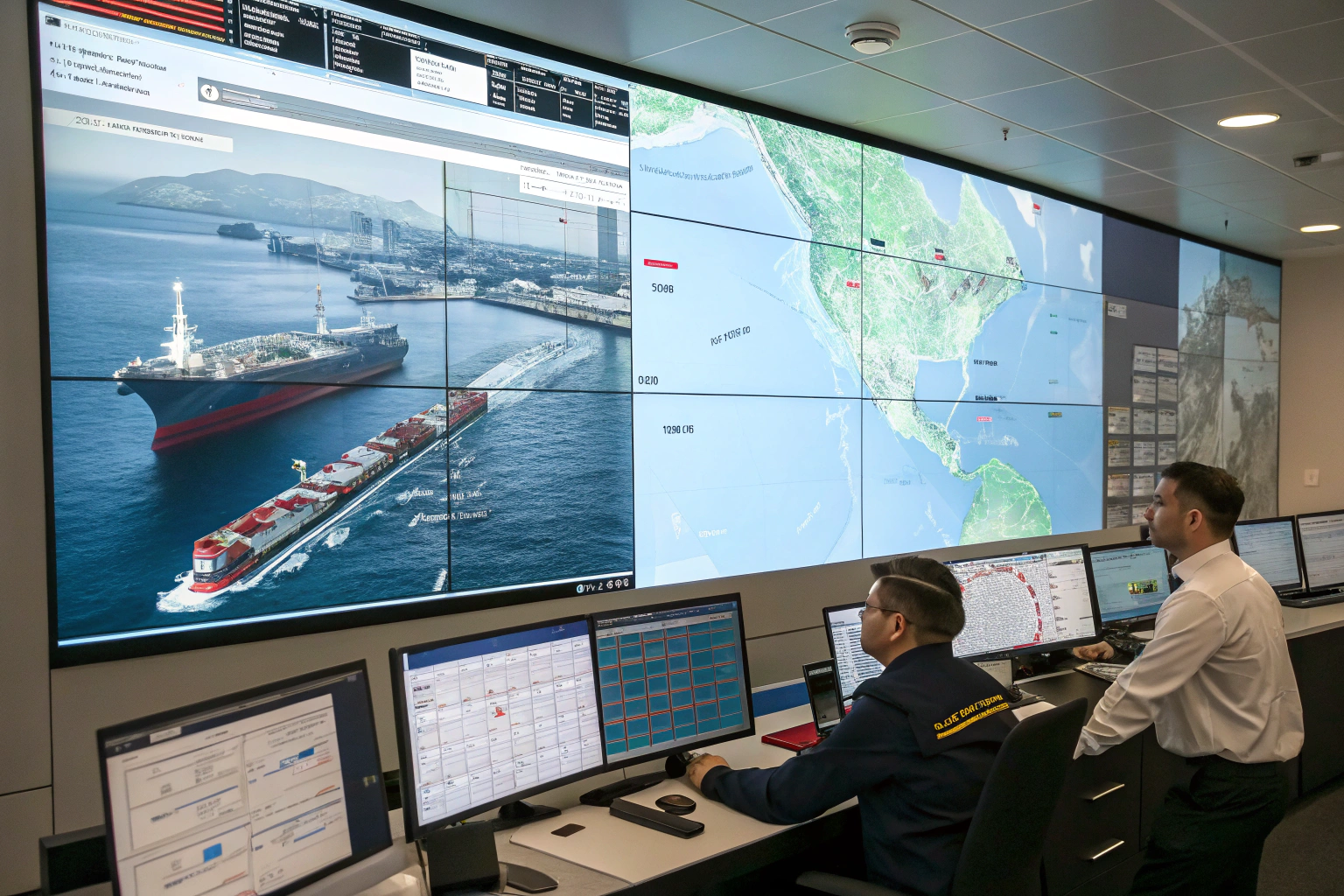
You’ve felt the panic. One port closes. One carrier cancels a sailing. One customs hold freezes your entire inventory. You built your business on a single, efficient pipeline. But when that pipeline breaks, you have no backup. You watch your sales dry up while your goods sit trapped. Your customers don’t care about port strikes or container shortages. They just want their orders. A single point of failure in your logistics makes you look unreliable, and in this business, reliability is everything.
GeeseCargo diversifies your shipping strategy by splitting your cargo across multiple carriers, multiple ports of entry, and multiple transport modes. We never allow your entire season’s inventory to depend on one vessel, one gateway, or one route. We build redundancy into your supply chain so a single failure never becomes a business crisis.
I learned this lesson the hard way early in my career. I watched a client lose a major retail contract because all his goods sat on one ship that broke down. Since then, I’ve designed every client’s logistics plan with one question in mind: "If this fails, what’s the backup?" Let me show you exactly how we spread your risk and keep your products moving, no matter what breaks.
Why Does Single-Carrier Dependency Put Your Entire Supply Chain at Risk?
Loyalty to one shipping line feels efficient. You negotiate a good rate. You learn their system. But you also marry their problems. A carrier can cancel a sailing to manage capacity. They can have a vessel breakdown. They can suddenly reprioritize higher-paying cargo and roll your booking. When that one carrier fails you, your goods don’t move. You have no alternative lined up.
We eliminate carrier dependency by allocating your cargo across multiple shipping alliances simultaneously. Your bookings are spread between COSCO, Maersk, CMA CGM, and other top-tier lines. If one carrier rolls your booking, another vessel is already scheduled to carry a portion of your inventory.
I never let a client’s entire purchase order sit on a single bill of lading. Even if you have a preferred carrier rate, we split the volume. Half goes on your preferred line. Half goes on an alternative with a similar transit time. The slight administrative complexity is worth the protection. When a blank sailing hit the Transpacific last autumn, our clients still had 50% of their goods moving on schedule. Their competitors, who single-sourced their carrier, had zero.
How Do Blank Sailings Punish Shippers Who Lack Carrier Alternatives?
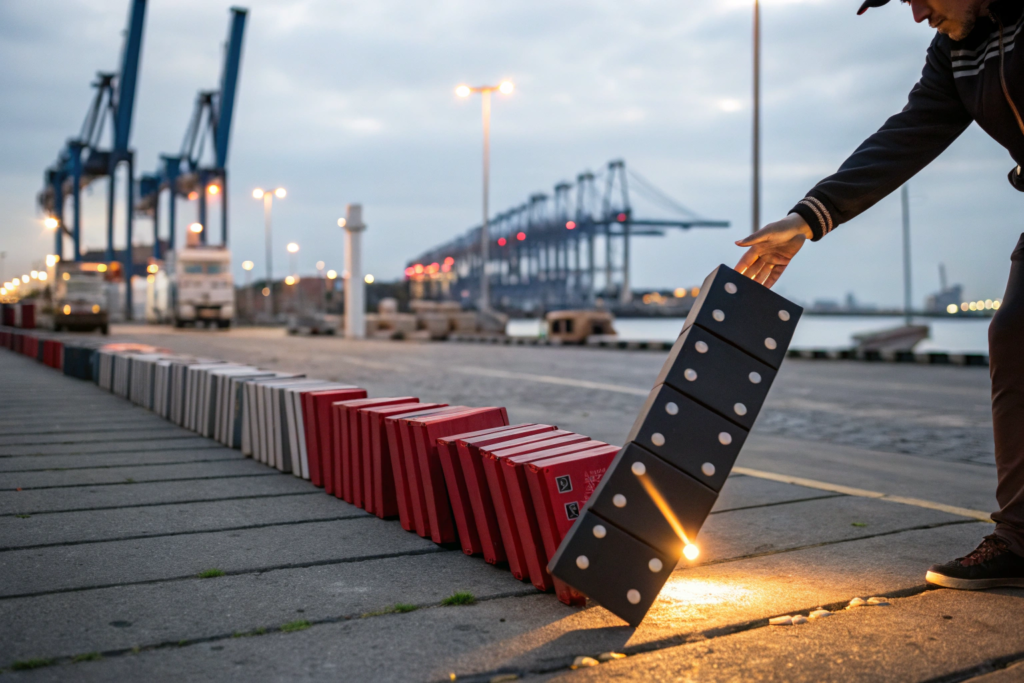
A blank sailing is a canceled voyage. The carrier decides the ship won’t sail that week. Your container gets rolled to the next vessel, which might be two weeks later. If all your inventory was on that canceled ship, you have a two-week stockout.
This is a commercial decision by the carrier, not an act of God. They blank sailings to reduce supply and keep rates high. You have no recourse. Unless you have alternatives. We monitor carrier cancellation announcements in real-time. If your primary vessel blanks, we immediately shift the booking to a secondary carrier with whom we already have an allocation. Your ocean freight doesn’t pause while you search for space. It pivots instantly.
Can Alliance-Wide Disruptions Be Mitigated by Mixing Alliances?
Carriers group into alliances: Ocean Alliance, THE Alliance, 2M Alliance. Sometimes a disruption affects an entire alliance. A shared vessel breaks down. A joint service is suspended. If all your cargo is on Ocean Alliance vessels, you’re exposed.
We mitigate this by mixing alliances in your carrier portfolio. We book some containers on Ocean Alliance services and some on THE Alliance services. Even if an entire alliance network faces a disruption, the other alliance’s ships are still operating. Your cargo flows through the unaffected channel. This logistics diversification is basic risk management that most forwarders skip because it requires managing more relationships. We invest in those relationships so you benefit from the redundancy.
How Can Port Diversification Prevent a Localized Disaster from Becoming a National Stockout?
Most importers default to the closest port. If your warehouse is in Los Angeles, you ship everything to Los Angeles. It’s convenient and familiar. But ports are vulnerable. Labor negotiations. Crane collapses. Chassis shortages. Natural disasters. When your single port shuts down, your business shuts down with it. The proximity you valued becomes a trap.
We implement a multi-port entry strategy that distributes your import volume across geographically diverse gateways. We match each shipment to the optimal port based on current congestion, inland cost, and delivery urgency. If one port closes, the rest of your cargo still arrives on time.
I once had a client with a warehouse in Reno. He insisted on routing everything through Oakland because it looked close on the map. When Oakland had a labor slowdown, his goods sat for three weeks. We reconfigured his strategy. We split his imports between Oakland, Tacoma, and even Houston with rail inland. When the next disruption hit Oakland, he didn’t feel it. His Houston cargo was already on a train to Reno.
How Can Gulf and East Coast Ports Serve as Relief Valves During West Coast Crises?
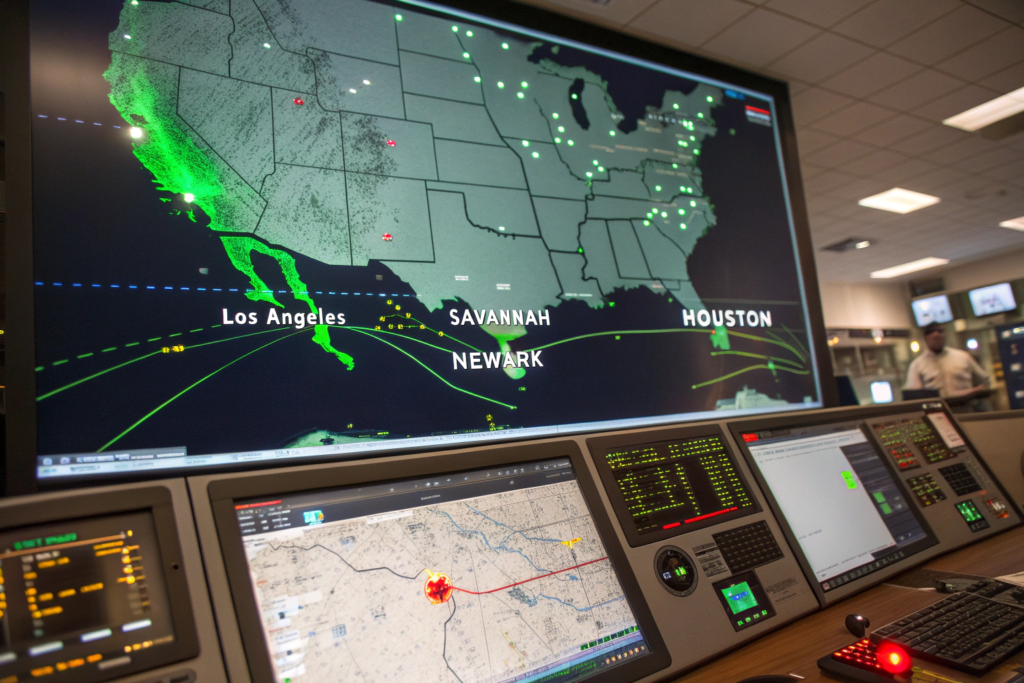
The West Coast handles enormous volume, but the Gulf and East Coasts have invested heavily in modern infrastructure. The ports of Savannah, Charleston, Houston, and New York are fully capable of handling diverted cargo.
When West Coast congestion spikes, we pivot. We discharge your cargo at Houston and rail it to your Midwest or West Coast facility. The ocean transit is slightly longer, but the port turnaround is faster. The total time often equals a congested LA routing, but with far more reliability. A freight forwarder with a national network of trucking and rail partners makes this pivot seamless. You don’t need to find new inland carriers. We handle the entire adjusted routing.
Is Routing Through Canadian or Mexican Ports a Viable Diversification Tactic?
Absolutely. Prince Rupert in Canada and Lazaro Cardenas in Mexico are excellent alternatives to US West Coast ports. They are often less congested and offer competitive rail connections into the US heartland.
We use Prince Rupert regularly for clients distributing to the Midwest. The CN Rail connection from Prince Rupert to Chicago is fast and reliable. It bypasses the LA basin entirely. For Southwestern distribution, Lazaro Cardenas feeds into the US rail network. These North American trade corridors are underutilized by importers who only think about US ports. We incorporate them into your diversification strategy when they offer a routing advantage.
How Can a Multi-Modal Strategy Keep Your Cargo Moving When Ocean Fails?
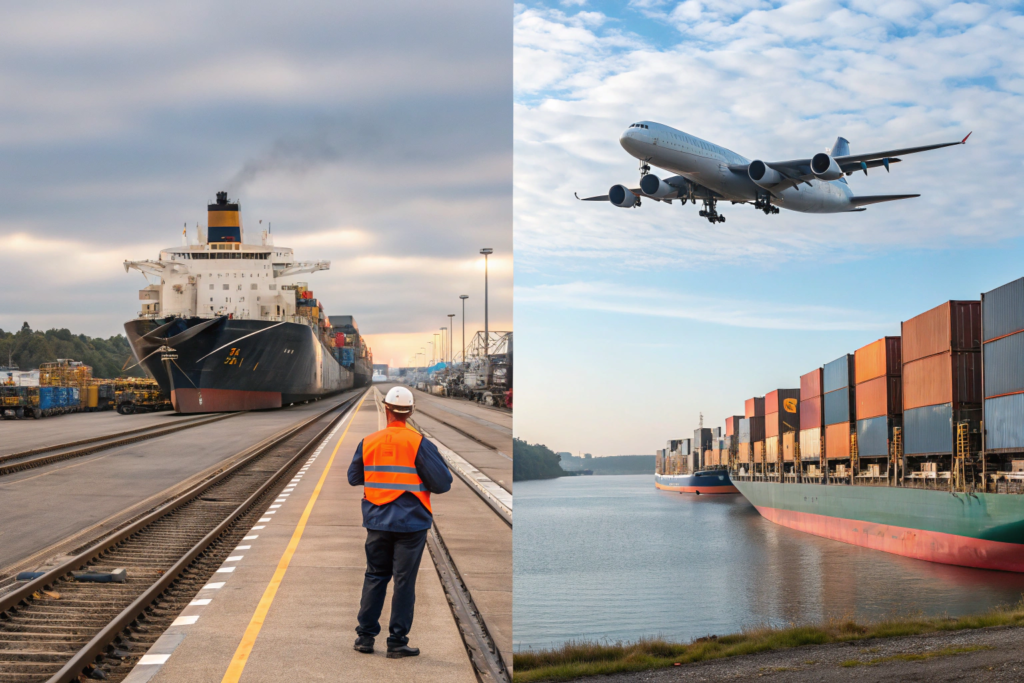
The ocean is not your only option. It’s the cheapest, but not always the smartest. When sea routes fail, air and rail are waiting. Most importers treat these as emergency-only options. They use them reactively, which is expensive and stressful. A diversified strategy uses all modes proactively, allocating different products to different modes based on their margin and urgency profiles.
We design hybrid multi-modal strategies that assign fast-moving, high-value goods to air freight, core replenishment to ocean, and time-sensitive launches to rail-sea combos. No single mode carries your entire business. If ocean slows, air and rail maintain your market presence.
I worked with a fashion accessories brand that sold both basics and trend-driven pieces. The basics, predictable and low-margin, went by ocean. The trendy, high-margin items went by a rail-air hybrid. When a port strike delayed the ocean shipment, the basics were late but the trend items were already selling. The brand didn’t disappear from shelves. Their retail partners didn’t penalize them. That’s what a multi-modal safety net looks like.
When Should You Pre-Plan an Air Freight Allocation for Core SKUs?
Don’t wait for a crisis to book air freight. By then, capacity is scarce and rates are punishing. A resilient strategy pre-allocates a small percentage of core SKUs to air freight as standard operating procedure.
Maybe 10% of your volume moves by air regularly. This keeps your best-sellers in stock. It also maintains your relationship with air cargo providers. When a crisis hits and you need to surge air capacity, you’re not a stranger asking for emergency space. You’re an existing customer requesting a volume increase. This air freight allocation is an insurance policy with a commercial return, not a sunk cost.
How Can the China-Europe Rail Bridge Function as a "Third Route" for US Cargo?
It sounds counterintuitive to send US-bound goods through Europe. But the rail from China to Europe is fast, reliable, and immune to ocean chokepoints. Once in Europe, a transatlantic ship or even air freight completes the journey to the US East Coast.
This "third route" avoids both the congested Pacific and the troubled Suez region. It’s a niche strategy for high-value East Coast deliveries that cannot tolerate uncertainty. We manage the complex handoffs between Chinese rail operators, European transshipment hubs, and Atlantic carriers. You get a freight service that doesn’t appear on most importers’ radar but has saved several of our clients’ critical launches.
How Do DDP and Fixed Pricing Create Financial Redundancy in Your Logistics Budget?
Diversification isn’t just about physical routes. It’s about financial buffers. If your freight costs swing wildly, your budget breaks. A single surcharge can wipe out a quarter’s profit. Financial redundancy means having a cost structure that absorbs shocks without collapsing your margin. Predictable costs allow you to plan, and planning is a form of resilience.
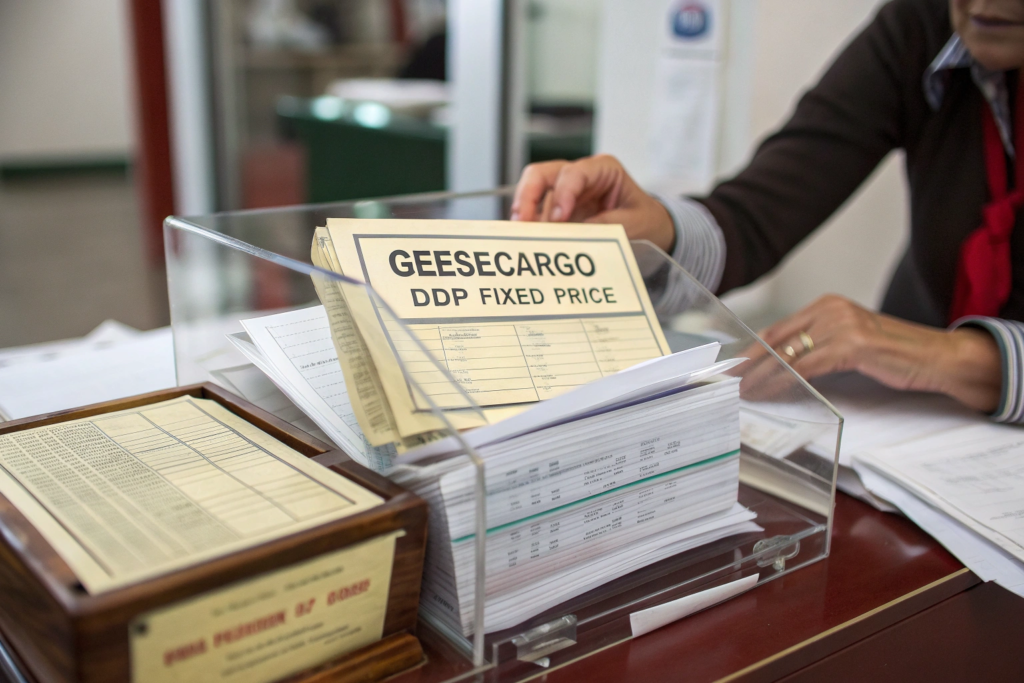
Our DDP fixed-rate service builds financial redundancy into your supply chain. We quote one all-inclusive price for the entire journey, from factory to warehouse. That price stays fixed. If tariffs shift, fuel spikes, or surcharges appear, we absorb the variation. Your budget never breaks.
I remember a client who imported giftware. His previous forwarder quoted a base ocean rate and then piled on surcharges after the fact. Peak season surcharge. Bunker surcharge. Port congestion surcharge. His "budget" was a work of fiction. We converted him to DDP fixed pricing. Now he knows his exact unit cost six months in advance. He prices his products confidently. He signs retail contracts without fear. That financial predictability is just as important as having a backup port.
How Does Acting as the Importer of Record Transfer Risk Away from Your Business?
When you are the Importer of Record, you carry the legal and financial liability for customs compliance, duty payments, and regulatory violations. One audit can consume your time and money.
Under our DDP model, GeeseCargo acts as the Importer of Record. We hold the bond. We file the entries. We answer CBP inquiries. The risk sits on our books, not yours. This is a form of liability diversification. You spread your operational risk to a partner whose core competency is managing it. Your customs clearance burden becomes our daily work.
Can a Fixed All-In Cost Model Support Long-Term Retail and Wholesale Contracts?
Retailers demand stable pricing. If your landed cost fluctuates 20%, you can’t offer a consistent wholesale price. You either lose the contract or lose your margin. A fixed all-in cost model solves this.
You know exactly what each unit costs delivered. You build your wholesale price on solid ground. When your competitors scramble to reprice mid-season due to freight spikes, you hold steady. This stability becomes a competitive advantage. Buyers trust suppliers who don’t constantly renegotiate. Our supply chain pricing gives you that trust.
Conclusion
A single point of failure is a ticking clock. It’s not a question of if it will break, but when. We’ve explored how relying on one carrier exposes you to blank sailings and commercial decisions you can’t control. We’ve seen how funneling all your cargo through one port turns a local labor dispute into a company-wide stockout. We’ve discussed how ignoring air and rail options leaves you helpless when the ocean fails, and how variable freight costs make a mockery of your annual budget.
Diversification is the antidote. Multiple carriers. Multiple ports. Multiple transport modes. And a financial structure that locks your costs regardless of market chaos. I built GeeseCargo to weave these layers of protection into every shipment we handle. You don’t need to become a logistics engineer. You need a partner who thinks about failure constantly so you don’t have to.
Let’s audit your current shipping strategy together. We’ll identify your single points of failure and design a diversified plan that keeps your inventory flowing through any disruption. Your customers count on you. You can count on us. Reach out through our website today and let’s build a supply chain with no weak links.