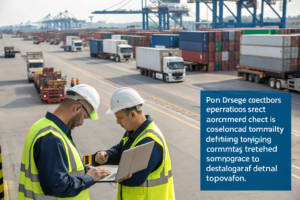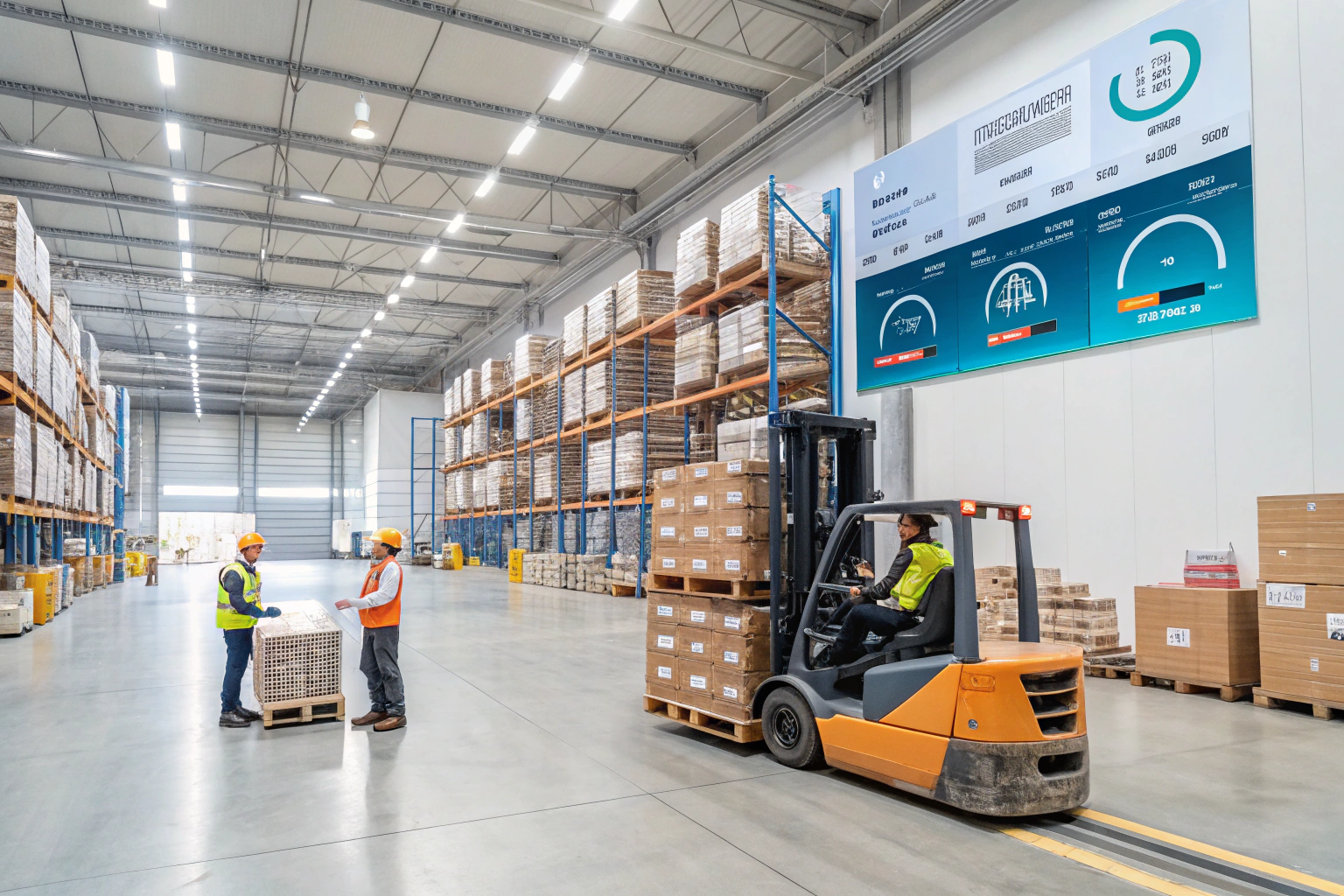
When I work with clients like Ron, I know that inventory restocking is one of their top concerns. If goods arrive late or in small, inconsistent batches, shelves go empty, sales are lost, and customers turn away. That is why freight forwarders play a crucial role in ensuring inventory moves smoothly from factories to warehouses.
Freight forwarders support efficient inventory restocking by improving shipment planning, providing real-time visibility, optimizing transportation modes, and coordinating with suppliers and warehouses. This ensures businesses always have the right products at the right time.
Here is how we make restocking more reliable and efficient for global importers.
Why Is Efficient Inventory Restocking So Important?
Restocking is more than just replenishing shelves. It is the foundation of customer satisfaction and sales growth. Poor restocking leads to missed opportunities and wasted capital.
Efficient restocking is important because it prevents stockouts, reduces holding costs, and improves supply chain stability.
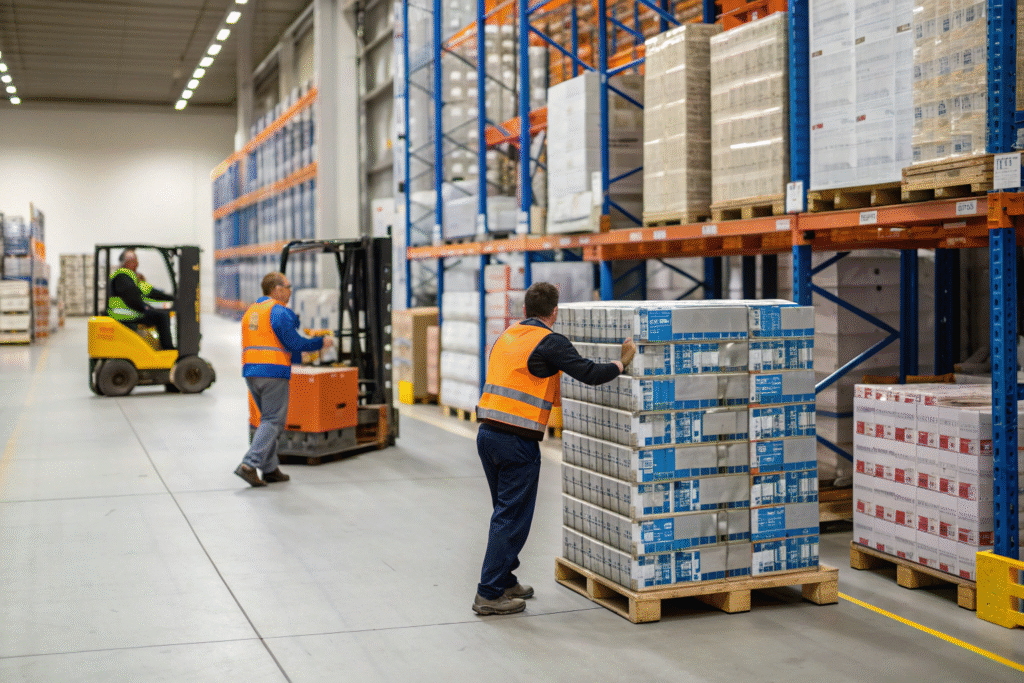
How do stockouts affect businesses?
Stockouts hurt reputation and revenue. According to Harvard Business Review, 91% of customers will not wait when products are unavailable and will switch to competitors. I have seen clients lose seasonal sales because shipments arrived late due to poor planning.
Can poor restocking increase costs?
Yes. Overstocking ties up cash in unsold goods, while understocking forces expensive emergency shipments. McKinsey reports that balancing inventory levels is one of the toughest challenges in supply chains. That is why forwarders like me focus on timing and planning.
How Do Freight Forwarders Improve Restocking Planning?
Restocking efficiency depends on planning shipments in sync with sales cycles and supplier timelines. Forwarders analyze trends and optimize logistics accordingly.
Freight forwarders improve restocking by forecasting needs, scheduling shipments in advance, and coordinating with suppliers to avoid delays.

How does advanced scheduling help?
Booking space weeks ahead ensures goods move during peak seasons. Hapag-Lloyd explains that early reservations reduce risks of delays. I always advise clients like Ron to share forecasts with me, so I can secure vessel or rail space in advance.
Can forwarders align shipments with sales demand?
Yes. By analyzing client sales cycles, I time shipments to arrive just when inventory is needed. DHL highlights that forwarders who align logistics with demand reduce both stockouts and excess inventory.
How Does Real-Time Visibility Improve Restocking?
Uncertainty in shipping is one of the main causes of poor restocking. Clients need to know where their goods are and when they will arrive.
Real-time visibility improves restocking by allowing businesses to track shipments, anticipate delays, and adjust inventory plans quickly.

How do tracking tools reduce uncertainty?
Platforms like MarineTraffic for sea freight and FlightAware for air shipments give clients constant updates. This helps businesses avoid surprises and adjust warehouse operations.
Can predictive analytics improve restocking accuracy?
Yes. Tools like FourKites use predictive analytics to forecast shipment arrivals. I share these insights with clients so they can prepare staff and space for unloading, making restocking faster and smoother.
How Do Forwarders Optimize Transport Modes for Restocking?
Different products and seasons require different shipping methods. Forwarders select the best combination of sea, air, rail, and road to balance cost and speed.
Optimizing transport modes ensures timely delivery while controlling logistics costs.
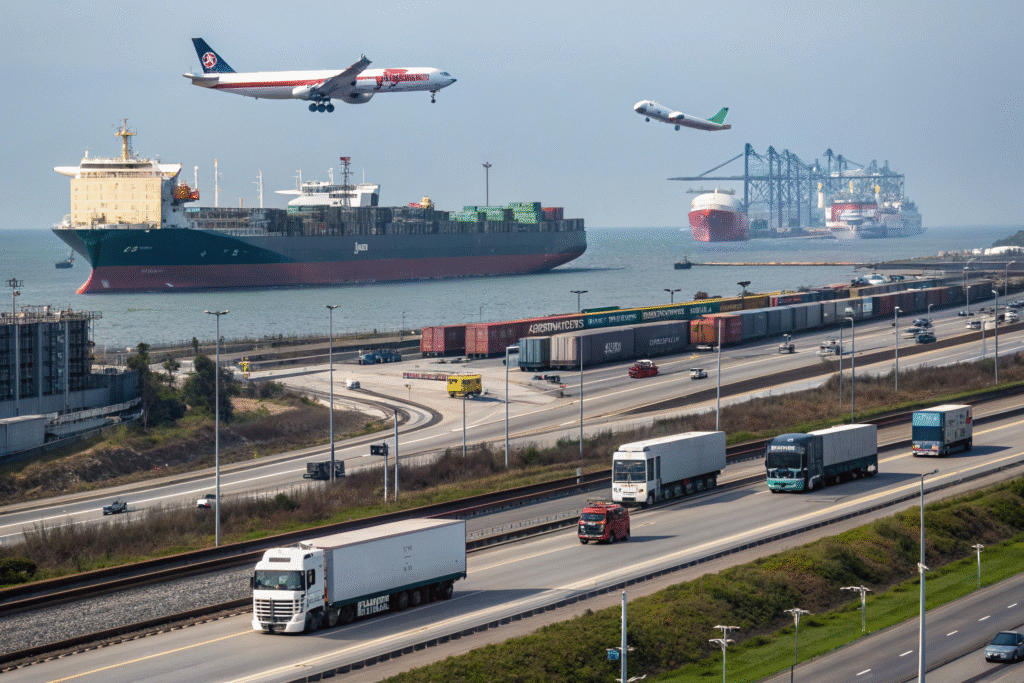
When should businesses choose air freight for restocking?
Air freight is ideal for urgent or high-value goods. IATA explains that air is often used when inventory is critical to prevent stockouts. I recommend it for fashion launches or electronics when timing is everything.
How does rail freight support stable restocking?
Rail freight offers faster transit than sea and lower costs than air. Eurasian Rail Alliance shows that rail is a strong choice for regular replenishment from China to Europe. At GeeseCargo, we often combine rail and road for reliable inventory flow.
Why Do Supplier and Warehouse Coordination Matter?
Restocking requires more than just shipping—it involves smooth coordination between suppliers, warehouses, and logistics providers.
Forwarders improve restocking by synchronizing supplier schedules, customs clearance, and warehouse deliveries.

How do forwarders work with suppliers?
We communicate with factories to ensure goods are ready on time. According to International Chamber of Commerce, clear supplier coordination prevents delays in customs and shipping. I often visit factories personally to check production schedules for key clients.
Why is warehouse coordination critical?
Late or unexpected deliveries overwhelm warehouses. Platforms like Project44 connect shipment data with warehouse systems, allowing managers to prepare for arrivals. At GeeseCargo, I always coordinate with clients’ warehouse teams so unloading and stocking happen quickly.
Conclusion
Inventory restocking can make or break a business. With poor planning, lack of visibility, or weak coordination, companies face stockouts and rising costs. Freight forwarders reduce these risks by managing shipments, providing real-time visibility, optimizing transport, and coordinating across the supply chain.
For clients like Ron, this means shelves stay full, sales continue, and customers remain satisfied. At GeeseCargo, I see my role as more than moving cargo—I ensure that every shipment supports efficient restocking and business growth.