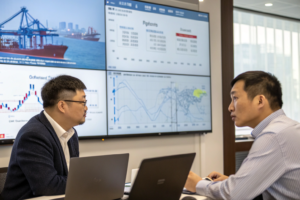
When your supply chain crosses international borders, things get complicated fast. From customs clearance and document compliance to freight mode choices and last-mile delivery, every step can introduce risk. For clients like Ron, who imports bulk clothing and accessories from China to the U.S., choosing a reliable freight forwarder is the best way to simplify global shipping.
Freight forwarders support cross-border shipping by coordinating transportation, ensuring customs compliance, managing risks, and offering integrated DDP and last-mile services—making international trade faster, safer, and more cost-effective.
Whether you’re a first-time shipper or a seasoned importer, working with an experienced freight forwarding company like ours means less paperwork, fewer delays, and smoother global logistics.
What Documentation Is Required for Cross-Border Freight?
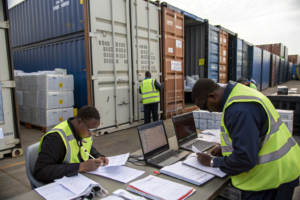
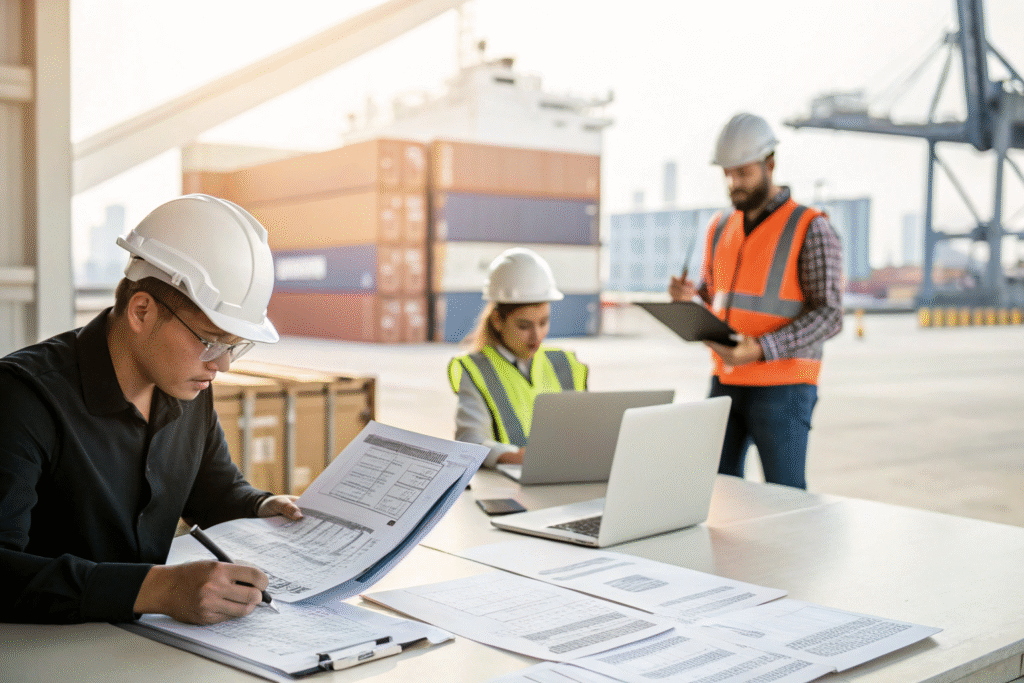
One of the most critical steps in cross-border freight is documentation. Incomplete or incorrect paperwork can delay your goods, lead to fines, or even result in seizure at customs.
Freight forwarders prepare, verify, and submit all required shipping documents—ensuring your cargo moves seamlessly across borders without delays or penalties.
Which Documents Are Mandatory for International Shipping?
For most cross-border shipments, the core documents include a commercial invoice, packing list, bill of lading or air waybill, and a certificate of origin. Depending on the nature of your goods, additional certificates like fumigation, CE marking, or CITES approvals may be required.
Our team ensures that every form is correctly filled out and aligned with U.S. CBP import requirements. We also help you match HS codes with product categories, avoiding classification issues that lead to higher duties.
How Do Forwarders Reduce Errors in Customs Filing?
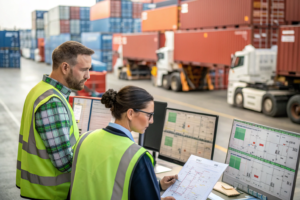
We use software solutions like CargoWise to automate document filing and reduce manual errors. We also maintain direct lines of communication with customs brokers and port officials to pre-clear shipments, especially during peak seasons.
For clients exporting to multiple countries, we track regulation updates and adjust your documentation process in advance, eliminating surprises and minimizing disruption.
How Do Freight Forwarders Manage Customs Across Borders?
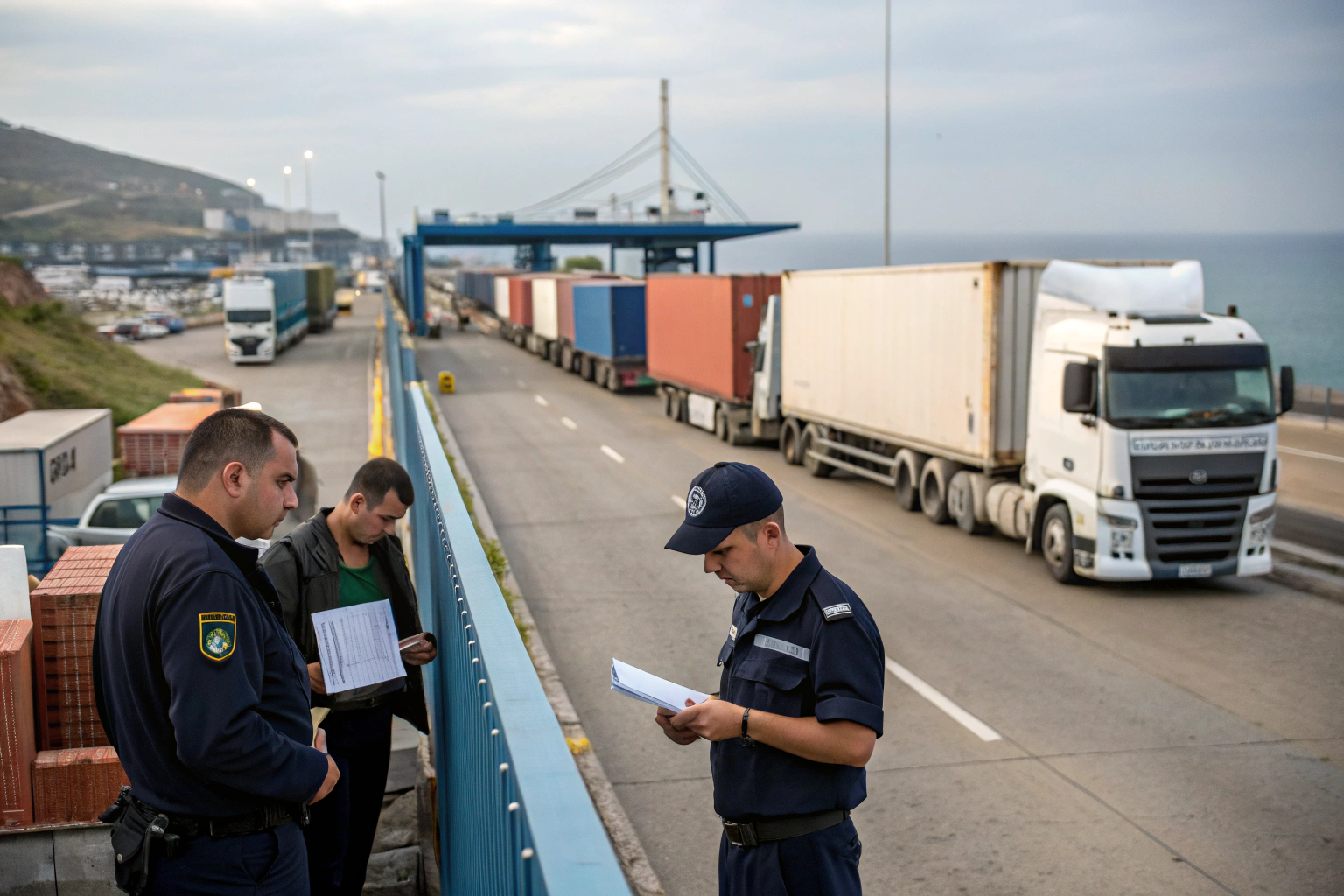
Customs procedures vary widely between countries, and each shipment must meet both origin and destination regulations. That’s where we come in.
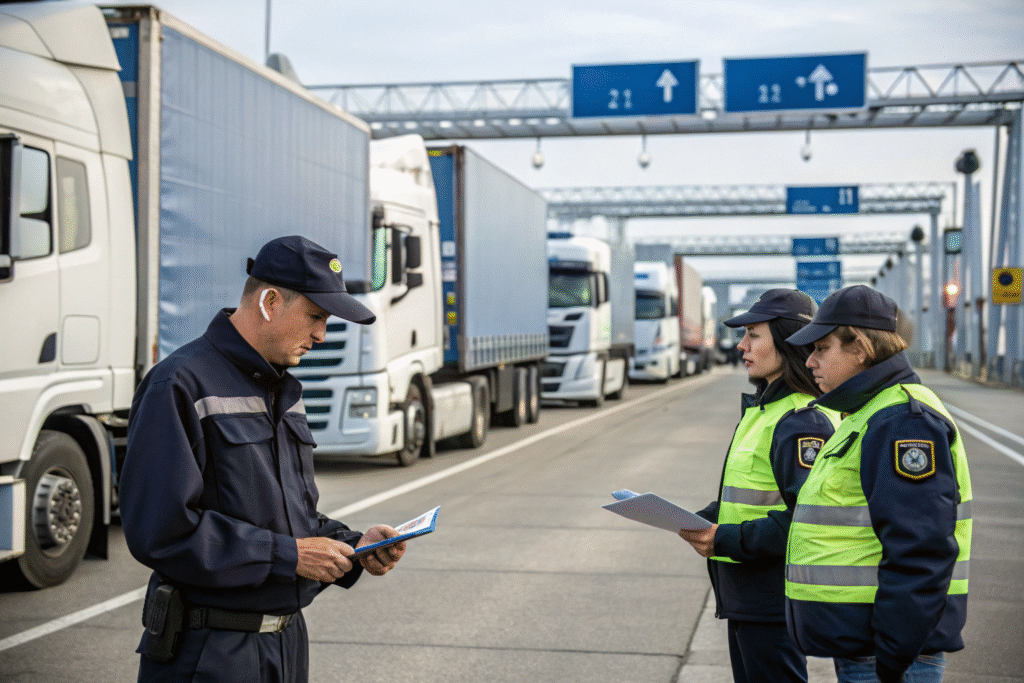
As freight forwarders, we handle customs declarations, coordinate with local brokers, and secure faster clearance by pre-submitting accurate documentation and leveraging port relationships.
What Is the Role of a Customs Broker in Cross-Border Shipping?
A customs broker ensures that your shipment complies with all national laws and taxes. As forwarders, we either work directly as brokers or partner with certified agents in the destination country. This helps facilitate the release of your cargo at the port or border entry point.
For example, when shipping from China to the U.S., we make use of the Automated Broker Interface within the ACE system to pre-file entries, saving days of clearance time.
Can Freight Forwarders Accelerate the Customs Clearance Process?
Yes. We do this by using tools like China's Single Window for customs filings and by securing priority inspection slots at high-volume ports. Our longstanding contacts at Shanghai, Shenzhen, and Qingdao ports help us speed up inspections and avoid unnecessary x-ray checks.
This approach not only shortens your lead time but also lowers the chances of customs penalties due to misclassification or incorrect paperwork.
What Freight Methods Are Best for Cross-Border Deliveries?
Choosing the right transportation mode can make or break your cross-border shipping strategy. Each comes with pros, cons, and best-use cases.
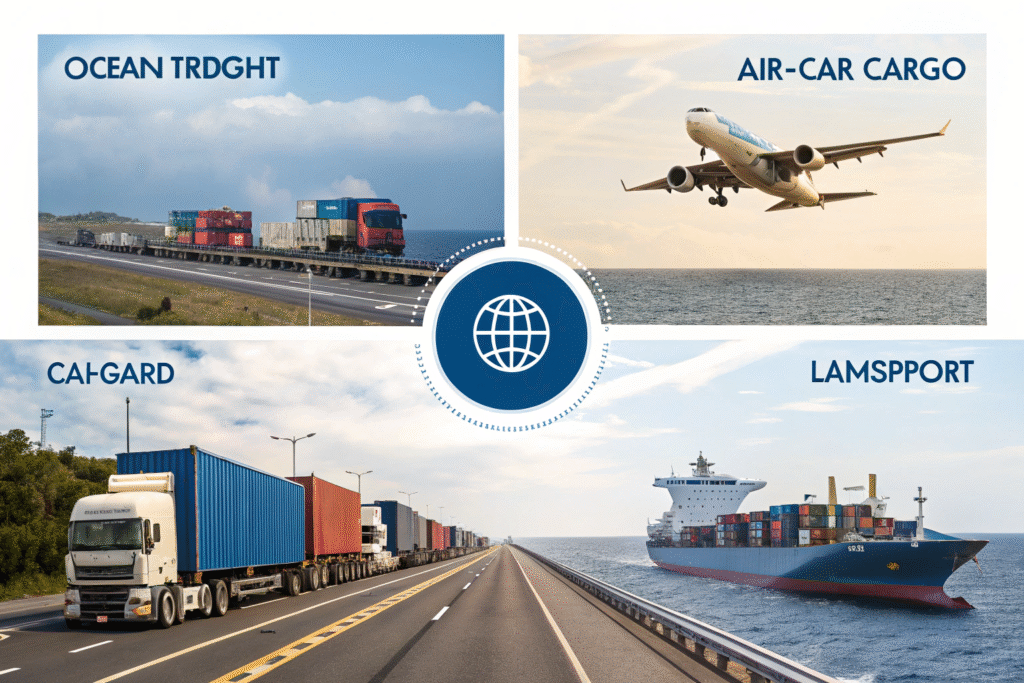
Freight forwarders help clients choose the optimal mode—air, ocean, rail, or road—based on volume, cost, urgency, and destination, often combining them for better efficiency.
When Should You Use Air vs. Ocean Freight?
Air freight is ideal for urgent or high-value shipments. It's fast and reliable but expensive. Ocean freight is more cost-effective, especially for bulky items like full container loads. For Ron’s business model—shipping finished clothing in volume—FCL ocean freight with DDP terms is often the best option.
We use platforms like Maersk Spot and FedEx Trade Networks to offer competitive, reliable options. We also track space availability and GRI surcharges to optimize scheduling and pricing.
What Is Multimodal or Intermodal Freight?
When a single mode won’t meet your deadline or destination needs, we turn to multimodal shipping. This combines rail freight, road transport, and air or ocean links under one coordinated plan. It’s especially useful when crossing multiple countries or inland borders.
For example, cargo from inland China can travel via rail to coastal ports, then continue via ocean freight. We use services like Flexport for visibility and real-time updates across all legs of the journey.
How Do Freight Forwarders Ensure Delivery & Last-Mile Success?
Cross-border success doesn’t stop at customs. The final leg—delivering goods to your warehouse or customer—is where many problems happen.
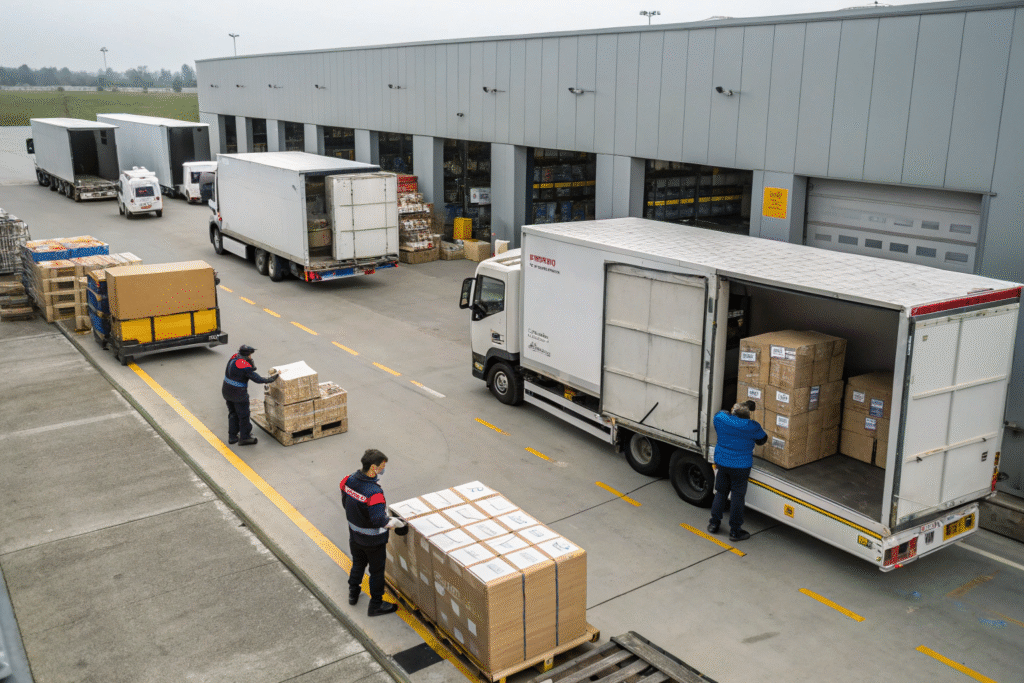
We offer last-mile coordination through a network of trusted carriers, warehouse partners, and DDP solutions—ensuring the cargo reaches your destination on time and intact.
What Is DDP and Why Is It Important?
DDP (Delivered Duty Paid) shipping means we handle everything—including customs, duties, and delivery—before the goods reach you. This is ideal for clients like Ron, who don’t want to deal with unpredictable U.S. customs fees or delays.
We partner with U.S.-based logistics platforms like ShipBob and Easyship to complete delivery to your final location. Our team pre-calculates duties so there are no billing surprises.
How Do Forwarders Prevent Delays in the Final Stage?
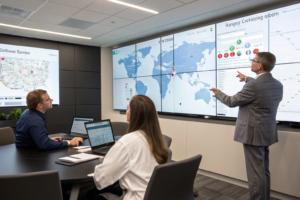
We plan for redundancy—alternate carriers, fallback warehouses, and weather-adjusted routing. We also provide live GPS tracking and digital POD (Proof of Delivery) notifications through tools like Project44, ensuring you stay updated every step of the way.
This complete transparency and control are what makes freight forwarding essential—not just for international shipping, but for business success.
Conclusion
Cross-border shipping involves more than just moving goods from point A to point B. It’s about navigating a complex web of customs rules, logistics decisions, and final-mile execution. As your freight forwarder, we become your partner in managing every detail, ensuring you save time, reduce costs, and avoid risk.
From document prep and customs clearance to transport optimization and last-mile delivery, our mission is to simplify cross-border trade—for Ron, and for every global business like his.