As international trade grows, supply chains become more complex. Businesses often face challenges like multiple suppliers, cross-border compliance, multimodal transport, and unpredictable disruptions. Importers ask me all the time: How can a freight forwarder manage all of this?
Freight forwarders support complex supply chains by coordinating logistics, improving visibility, ensuring compliance, and creating contingency plans. With experience and global networks, they simplify chaos into structured processes.
Here’s how freight forwarders help companies manage complicated supply chains effectively.
How Do Forwarders Coordinate Multimodal Transport?
Global supply chains rarely rely on a single mode of transport.
Forwarders design multimodal solutions that integrate ocean, air, rail, and trucking for smooth cargo flow.
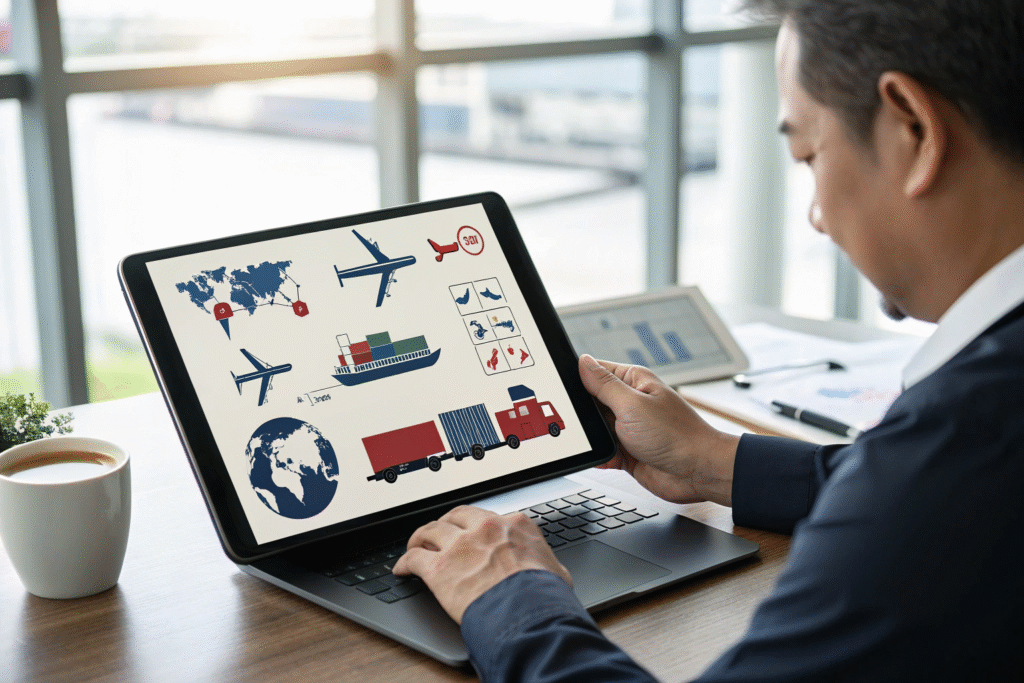
Why Is Multimodal Transport Important?
It balances cost, speed, and reliability. According to Maersk, combining modes reduces delays and optimizes supply chain efficiency.
Do Forwarders Offer Door-to-Door Services?
Yes. According to DHL, forwarders arrange door-to-door delivery, making it easier for businesses to manage multiple transport stages with one trusted partner.
How Do Forwarders Improve Supply Chain Visibility?
Visibility is one of the biggest challenges in complex supply chains.
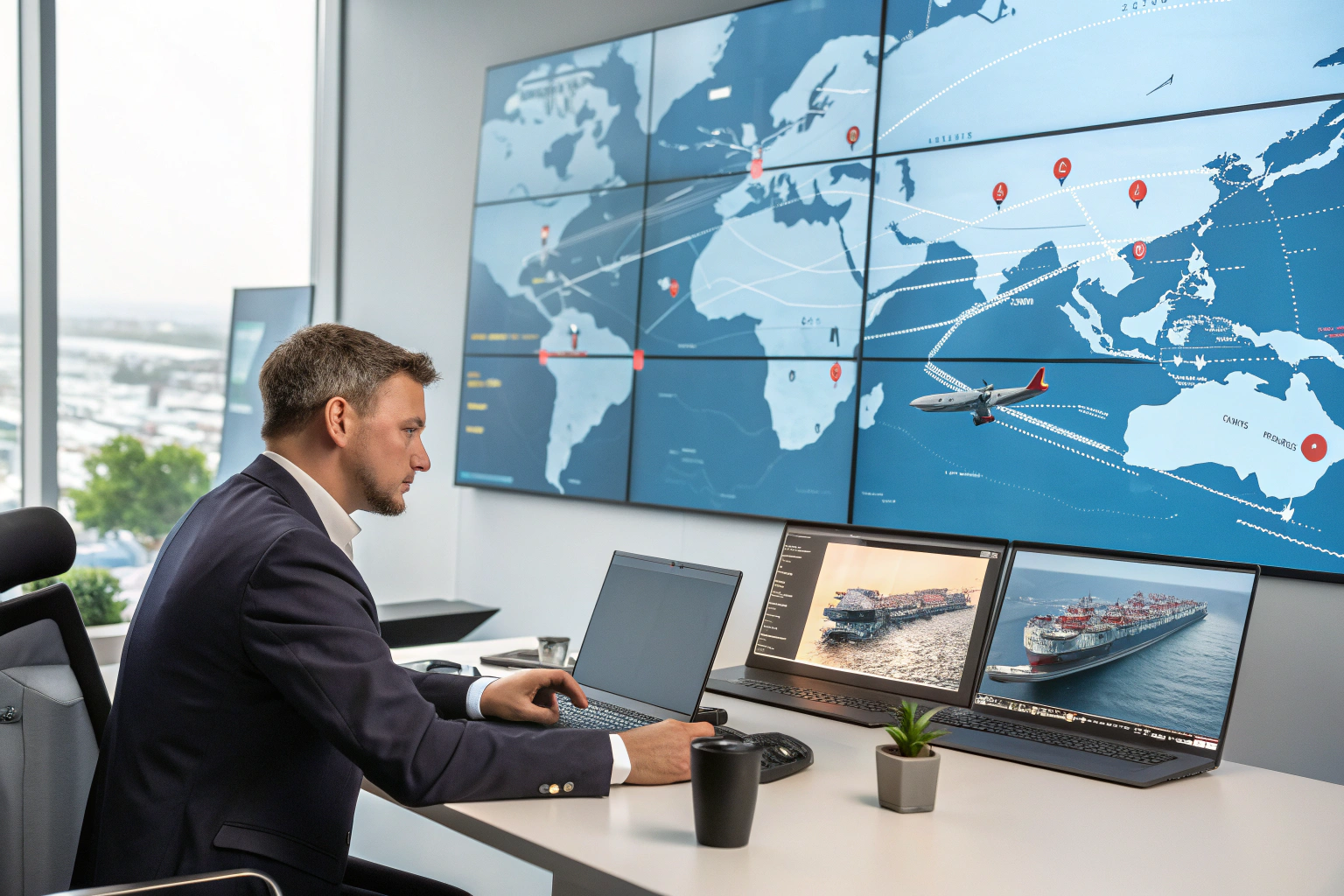
Forwarders provide real-time shipment tracking and predictive updates to reduce uncertainty and improve decision-making.
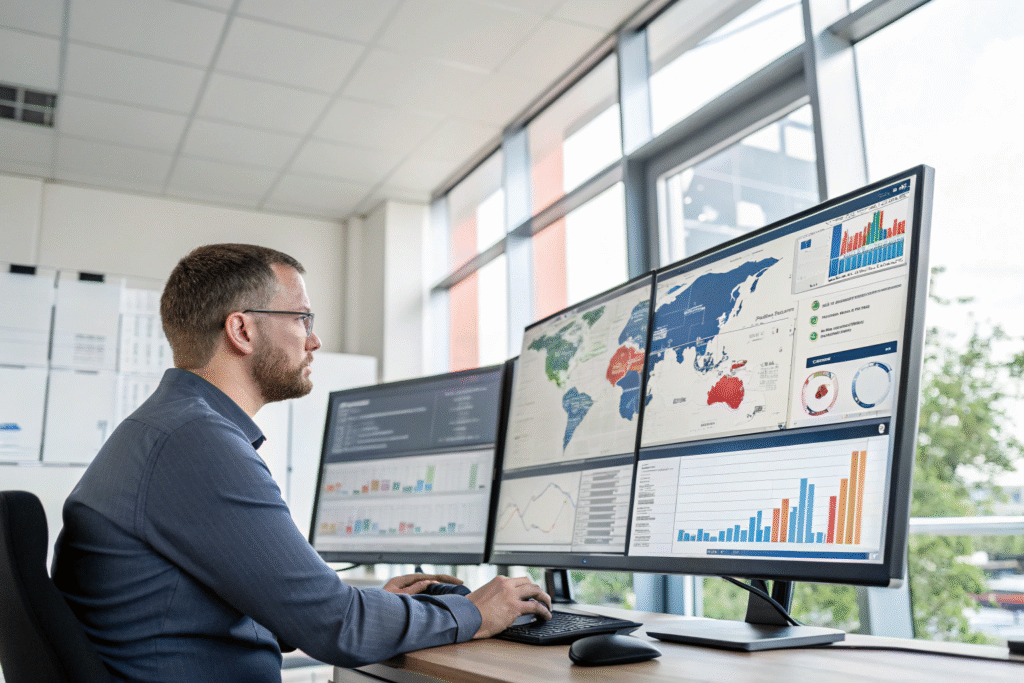
Which Tools Do Forwarders Use?
Platforms like CargoSmart and Flexport give importers detailed visibility of their shipments worldwide.
How Does Visibility Help Businesses Operate Better?
Real-time data allows businesses to plan inventory, reduce stockouts, and improve customer satisfaction. According to MarineTraffic, better visibility means fewer surprises.
How Do Forwarders Ensure Compliance Across Borders?
Compliance is critical in complex supply chains involving multiple countries.
Forwarders manage customs declarations, tariff classifications, and regulatory requirements to ensure smooth cross-border movement.
How Do Forwarders Handle Customs Risks?
They prepare documents correctly and work with customs brokers. According to U.S. Customs and Border Protection, most shipment delays happen due to paperwork errors, which forwarders help prevent.
Do Forwarders Help With Trade Agreements?
Yes. According to Trade.gov, forwarders apply free trade agreements and tariff exemptions to reduce costs and risks.
How Do Forwarders Manage Disruptions in Supply Chains?
Disruptions like port strikes, weather events, or global crises can paralyze supply chains.
Forwarders manage risks by creating contingency plans, rerouting shipments, and securing backup transport options.
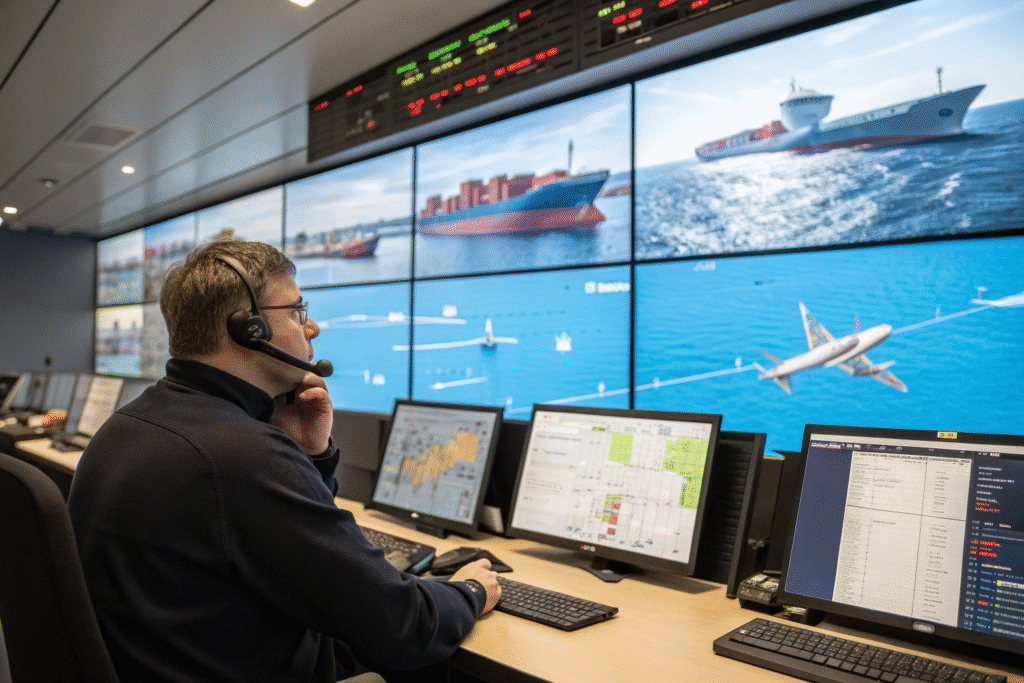
Can Forwarders Reroute Shipments Quickly?
Yes. According to Journal of Commerce, forwarders often reroute shipments to alternate ports or transport modes to avoid major delays.
How Do Forwarders Build Supply Chain Resilience?
By diversifying carrier partnerships and planning backup solutions. According to Kuehne+Nagel, resilience is one of the most valuable contributions forwarders bring to complex supply chains.
Conclusion
Freight forwarders are essential partners for managing complex supply chains. They coordinate multimodal transport, enhance visibility, ensure compliance, and handle disruptions with resilience.
For businesses managing global trade, forwarders turn a challenging supply chain into a competitive advantage. With the right forwarder, complexity becomes manageable, predictable, and profitable.