As a freight forwarder, I know that supply chain security is not just about moving goods safely, but also about protecting the trust of my clients. When shipments are delayed, lost, or compromised, the business reputation suffers. Many buyers in America and Europe worry about theft, customs delays, and high tariff risks when importing from Asia. These are real problems that I face daily with my clients.
Supply chain security can be optimized by freight forwarders through careful planning, technology adoption, and trusted partnerships across global ports. The right strategies help ensure that cargo remains safe, compliant, and on schedule from origin to destination.
This is why I want to share how I manage risk, apply technology, and build strong relationships with global ports. These actions not only improve reliability but also give my clients peace of mind.
Why Is Supply Chain Security Important for Global Trade?
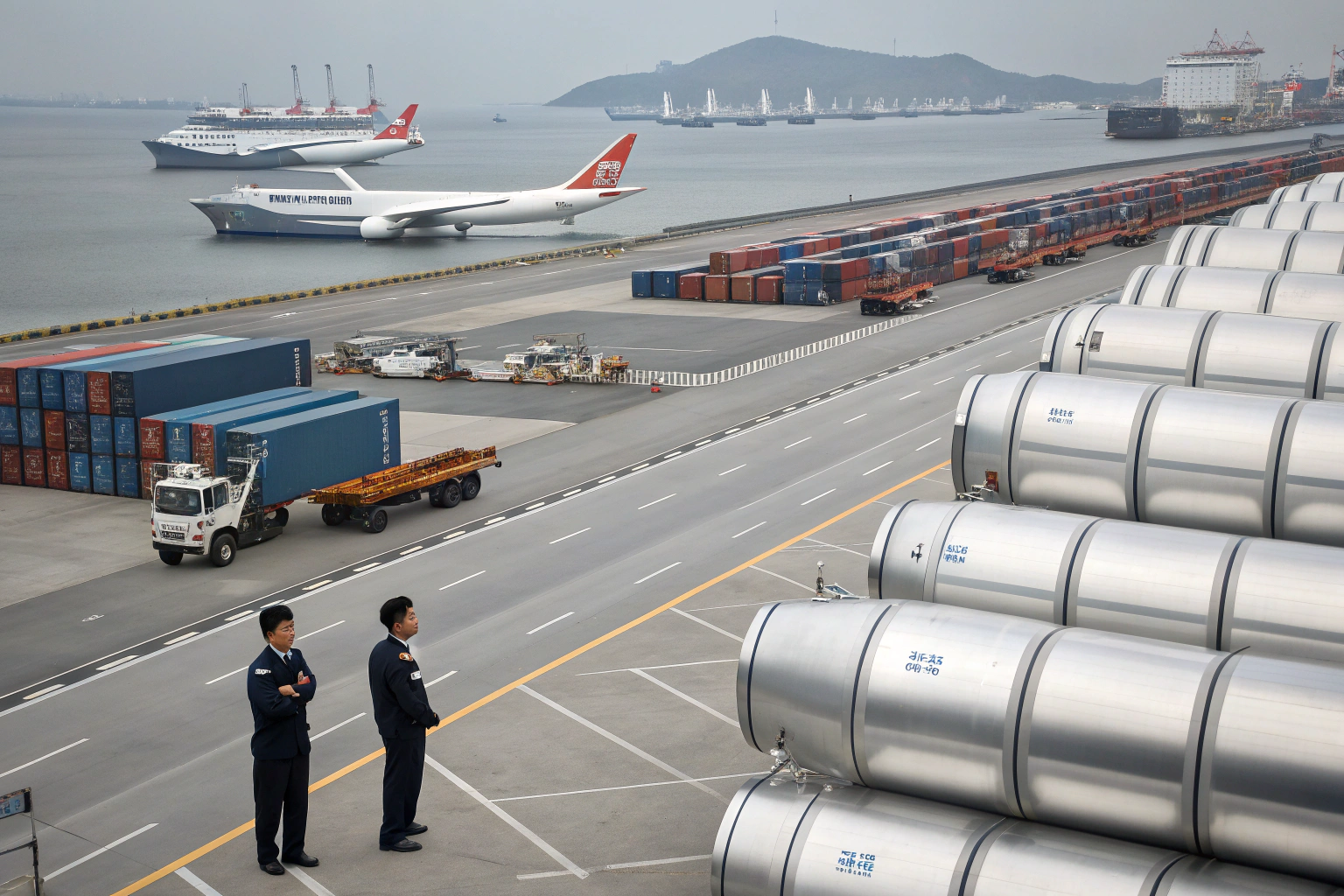
Every day, millions of dollars in goods move between China and the U.S. or Europe. A single weak link in the chain can cause theft, damage, or customs penalties. Many of my American clients, like Ron, depend on reliable shipping schedules to keep their stores stocked. If security breaks down, it can mean empty shelves and lost customers.
Supply chain security matters because it directly affects costs, delivery times, and client trust. Without strong protection, companies risk cargo theft, compliance failures, and reputation damage.
How does cargo theft impact businesses?
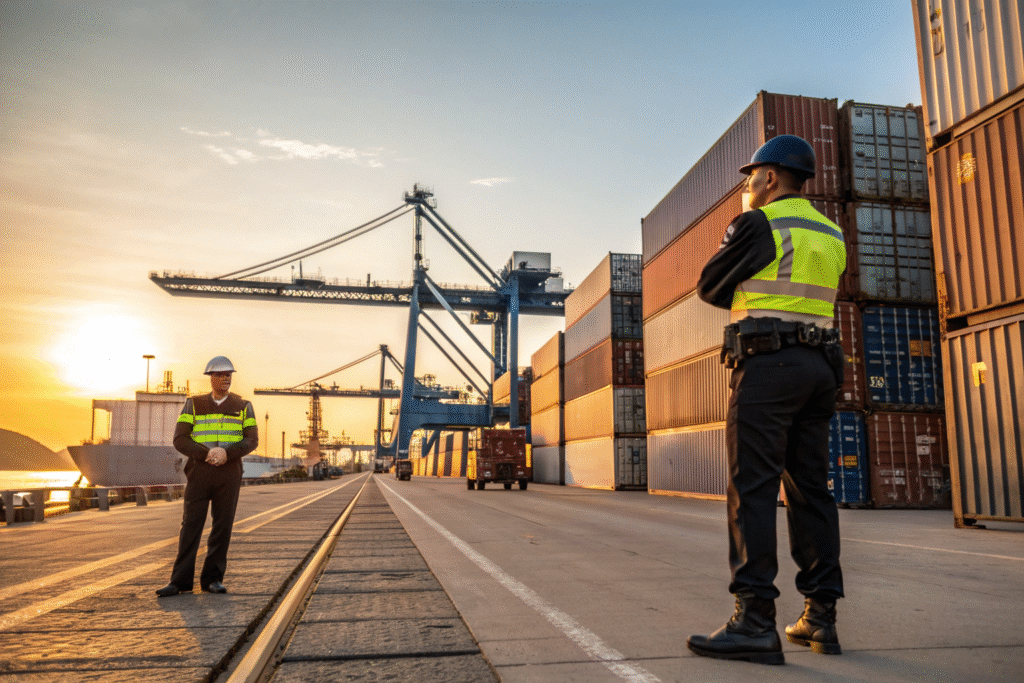
Cargo theft remains a global problem, especially on high-value goods like clothing and electronics. Criminals often target weak checkpoints during transportation. According to CargoNet, losses in the U.S. alone run into billions every year. This means higher insurance costs and delayed deliveries for importers. Many companies now use GPS tracking to monitor shipments in real time, reducing risk.
Can poor customs compliance slow down shipments?
Yes, it can. Customs violations often lead to heavy fines or cargo seizures. For example, U.S. Customs and Border Protection requires importers to file correct paperwork before cargo arrives. If freight forwarders miss a detail, goods may be held for weeks. This is why I always invest in training my staff on international compliance rules. It saves my clients both time and money.
What Role Does Technology Play in Freight Security?
Technology has transformed the way we secure cargo. From real-time tracking to AI-based risk prediction, digital tools allow freight forwarders to prevent problems before they occur. Clients like Ron appreciate being able to check their shipment status anytime with a few clicks.
Technology strengthens supply chain security by providing transparency, monitoring, and predictive analytics. This reduces delays, theft, and uncertainty in global trade.
How does real-time tracking improve cargo safety?
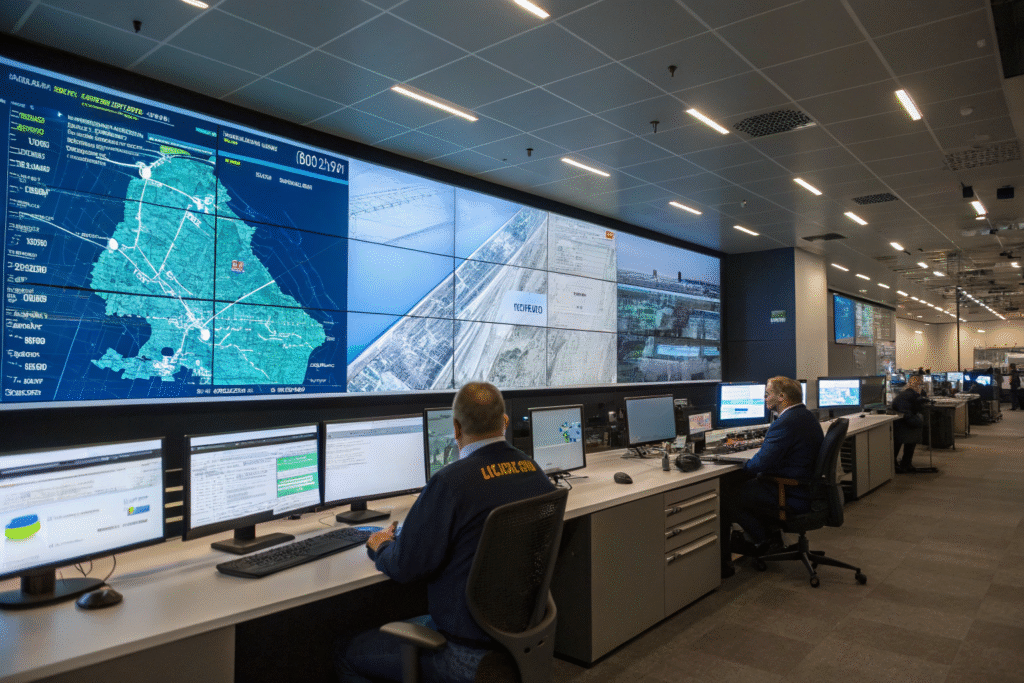
Real-time tracking allows me and my clients to see where their cargo is at every step. With tools like MarineTraffic for sea freight or FlightAware for air shipments, we can monitor routes, delays, and unexpected stops. If cargo deviates from its path, alerts are triggered. This helps prevent theft and gives buyers confidence.
Can AI and blockchain reduce risks in logistics?
Yes, both technologies are becoming key in logistics. AI can analyze large sets of data to predict risks like weather disruptions or port congestion. Meanwhile, blockchain technology ensures that shipment documents cannot be altered or faked. These tools reduce fraud and speed up customs clearance. I have seen firsthand how digital invoices on blockchain reduce disputes between shippers and customs.
How Do Strong Partnerships Improve Supply Chain Security?
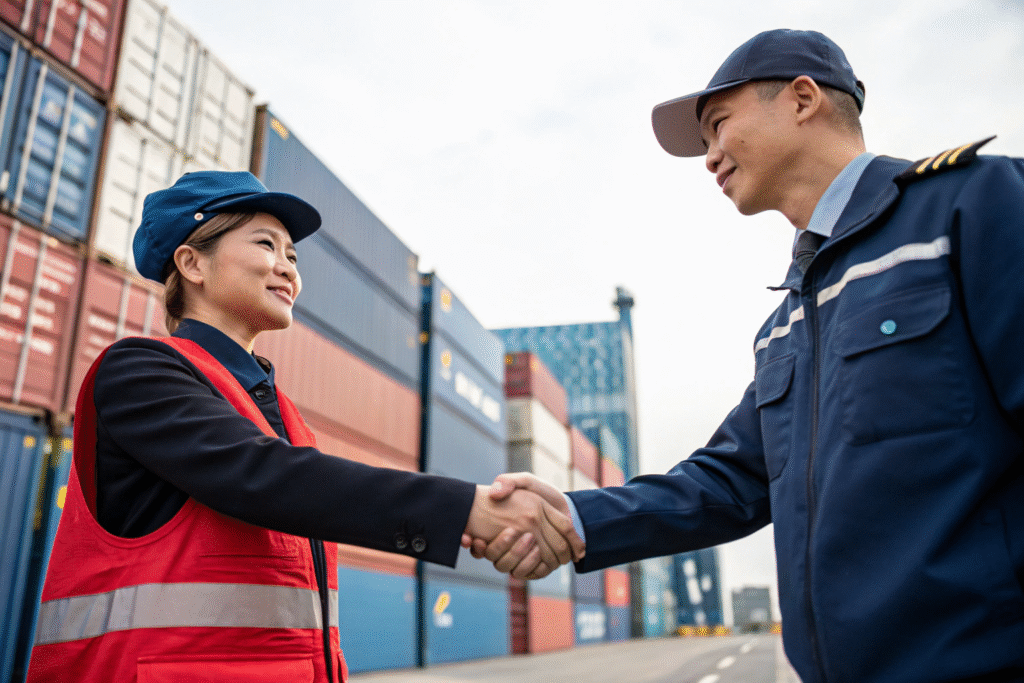
Partnerships are the backbone of secure shipping. A freight forwarder who knows the right people at major ports can solve problems faster. Over the years, I have built strong connections with customs officials, port staff, and shipping lines. These relationships help my clients avoid unnecessary delays.
Trusted partnerships improve security by ensuring faster customs clearance, smoother communication, and quick problem resolution. They also reduce the risk of miscommunication across international trade routes.
Why are port relationships critical in logistics?
Ports are busy, and mistakes happen if forwarders lack connections. I often use Shanghai Port and Port of Los Angeles. Having direct contacts at these ports helps me resolve issues like inspection delays. It also allows me to secure better slots during peak seasons, which keeps shipments on time.
How do shipping alliances support better security?
Shipping alliances between carriers improve service routes and security. For example, THE Alliance covers major trans-Pacific routes. Being part of these networks means shipments are handled with consistent safety standards. When cargo moves under such agreements, the risk of loss or mismanagement is reduced.
What Best Practices Should Businesses Follow for Secure Shipping?
Even with technology and partnerships, businesses must follow best practices when working with freight forwarders. Clients who prepare documents properly and choose reliable partners avoid many common risks.
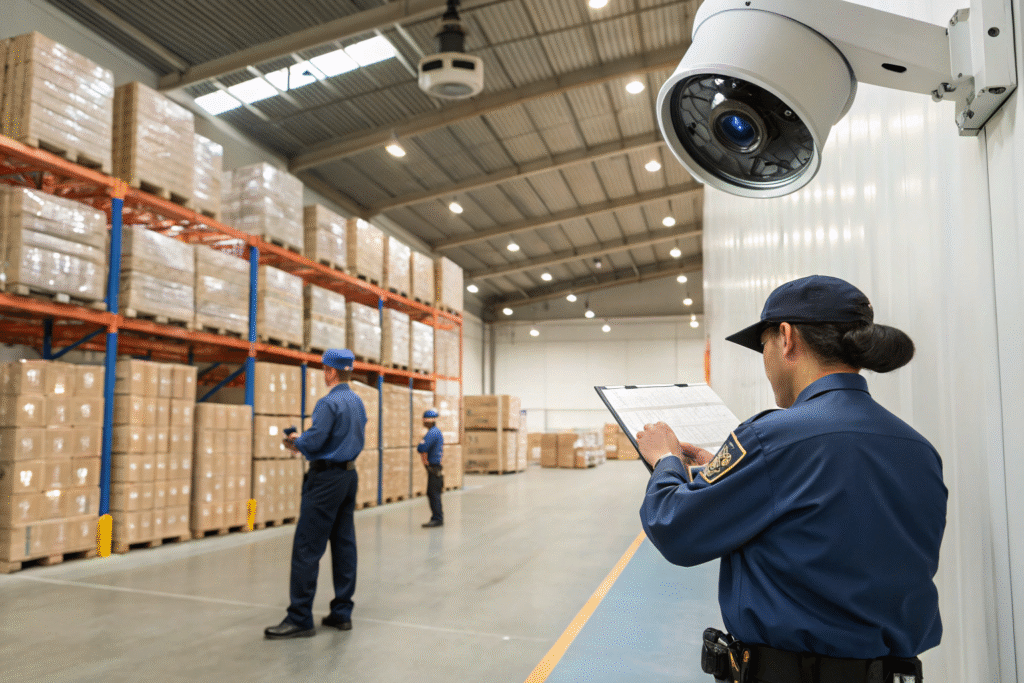
Best practices for secure shipping include proper documentation, using trusted forwarders, and investing in insurance. These steps protect cargo and reduce uncertainty in international trade.
Should businesses always invest in cargo insurance?
Yes, cargo insurance is critical. Even with the best forwarder, accidents happen. According to Allianz Global Corporate & Specialty, billions are lost yearly in global shipping accidents. Insurance gives peace of mind and financial coverage in case of loss or damage. I always recommend that my clients insure high-value shipments.
How important is accurate documentation in shipping?
It is essential. Incorrect or missing paperwork is one of the top causes of customs delays. Guides from International Chamber of Commerce explain how to prepare documents like commercial invoices and packing lists. A single mistake can mean penalties or weeks of delay. My team double-checks every file before submitting it, so our clients avoid these risks.
Conclusion
Supply chain security is the foundation of successful freight forwarding. I have learned that using the right technology, building trusted partnerships, and guiding clients on best practices are the keys to safe and reliable trade. When my American clients like Ron know that their cargo is secure, they can focus on growing their business instead of worrying about delays or theft.
At GeeseCargo, I take pride in offering professional, reliable, and competitive freight forwarding services. Security is not just part of my job—it is a promise I make to every client who entrusts me with their goods.