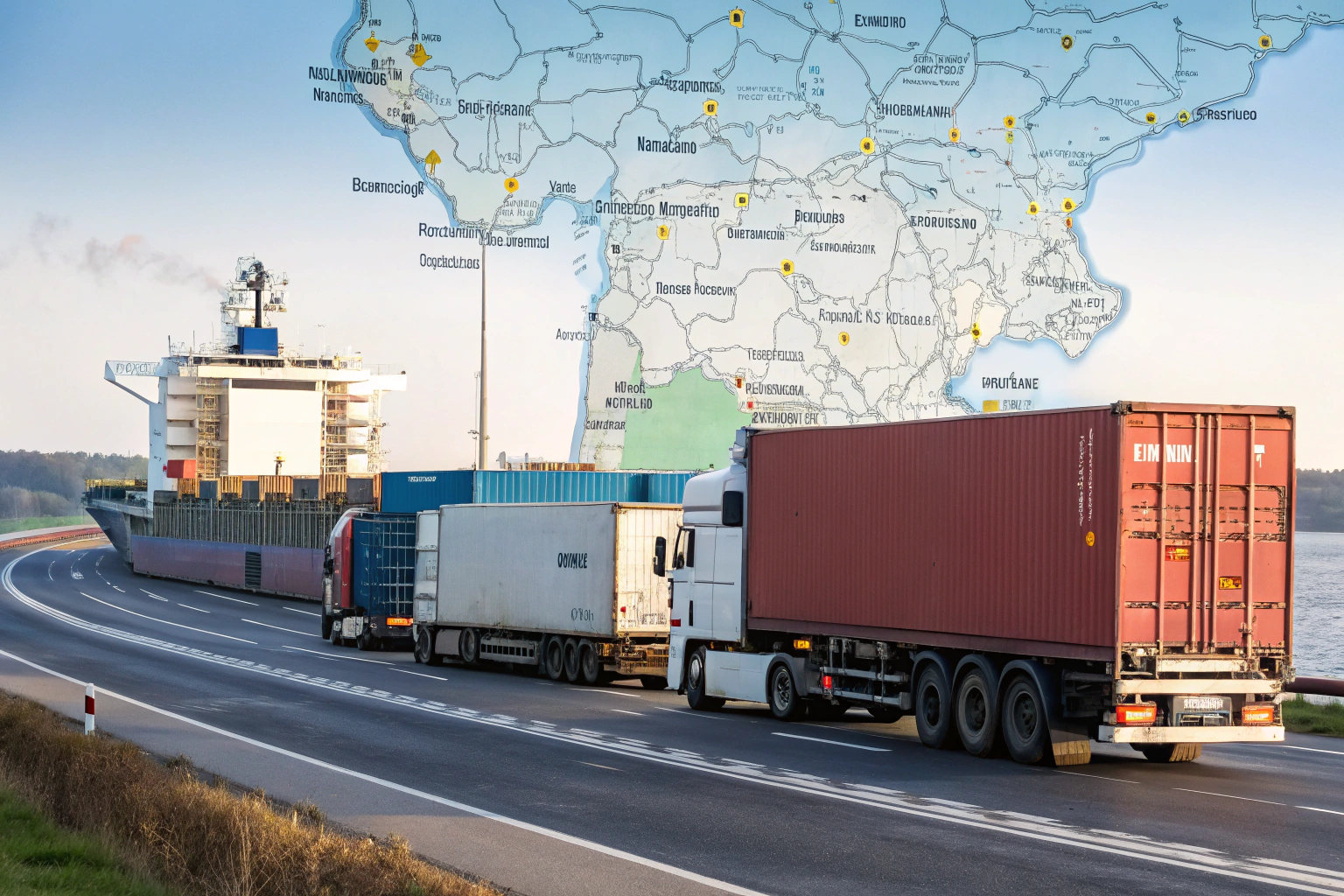
You’ve seen the headlines. A conflict near a canal. A sanction on a foreign entity. Cyber attacks on port systems. Every time global politics shifts, your freight invoice climbs higher. You feel like the map is working against you. Your usual China-to-US ocean route gets rerouted thousands of miles. That adds days of delays. You don’t deal in geopolitics. You deal in clothing, gifts, and accessories. Yet your inventory schedule is held hostage by forces you cannot control.
GeeseCargo adapts to geopolitical route disruptions through real-time geopolitical risk mapping, multi-modal escape strategies using rail and road freight, and pre-arranged alternative port agreements that activate the moment a primary waterway becomes unsafe or economically unviable.
You cannot stop a geopolitical crisis. But you can stop it from killing your cash flow. I started GeeseCargo with a clear mission. I didn’t want my American clients to suffer from "event blindness." That’s when a freight forwarder just reacts to bad news a week late. We built a system that anticipates. When a chokepoint like the Red Sea or the Panama Canal shows signs of trouble, we already have a second route running. Let me show you how we map the chaos so your goods keep moving.
How Is the Red Sea Crisis Still Influencing Asia-to-US Freight Costs in 2026?
Long after the initial panic, the Red Sea crisis continues to leave a scar on global shipping costs. You might think this doesn’t affect you because your goods go from China to the US West Coast. But shipping is a global network. When a crisis pulls ships away from the Suez Canal and forces them around Africa, it absorbs global vessel capacity. That reduces the number of ships available for the Transpacific route. Spot rates rise globally, not just locally.
We neutralize the residual cost impacts of the Red Sea crisis by securing dedicated Transpacific capacity and using our volume leverage to ensure our rates remain isolated from the demand surge triggered by the extended Africa-bound diversions.
You shouldn’t pay a war risk surcharge on a route that isn’t at war. But capacity scarcity trickles down. A container that should be in Shanghai gets stuck in Rotterdam. The carrier raises prices on your LA-bound shipment to cover their longer voyage elsewhere. We saw this movie before. That’s why our procurement team blocks vessel space months in advance. We don’t rely on the spot market for our regular clients. By the time the crisis inflated the market, your boxes were already booked on a ship at a pre-crisis fair price.
Why Does Container Scarcity in Europe Drive Up Your China-to-LA Costs?
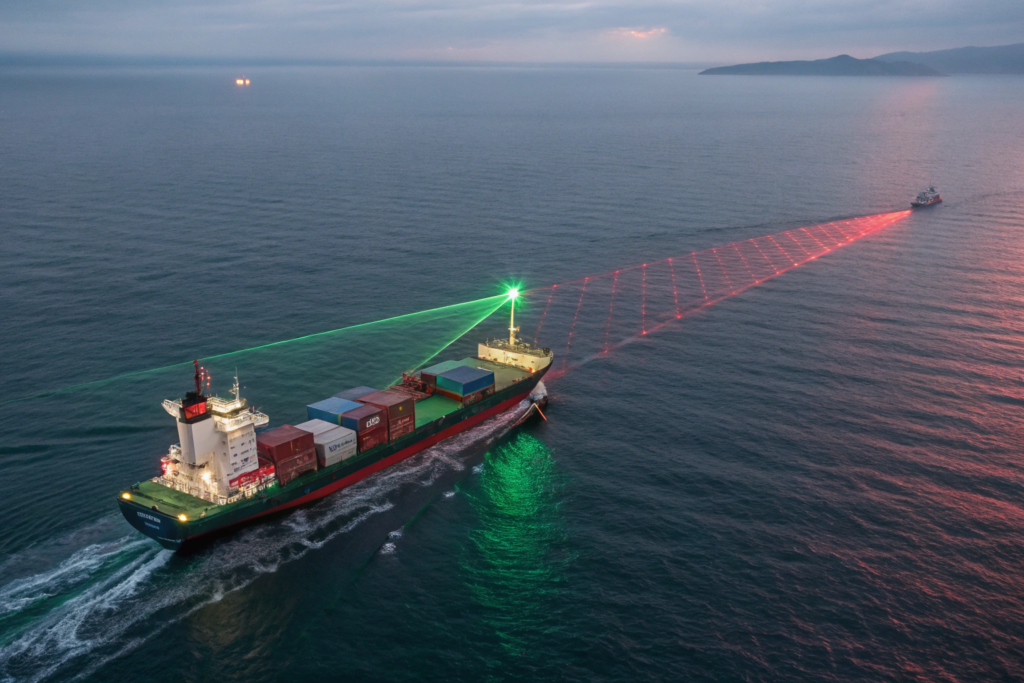
It seems counterintuitive. A problem near Yemen makes your Ningbo-to-LA shipment expensive. The global pool of shipping containers is finite. When ships divert around the Cape of Good Hope, a round trip takes 10 to 14 days longer. Those containers are "stuck" at sea longer. They aren’t returning to China to be reloaded.
This equipment shortage hits Chinese ports hard. Factory workers have the goods ready. The export yard has no empty boxes. The economic term for this is effective capacity reduction. We track this through global logistics indices daily. If we see Shanghai’s container availability index dropping, we pull empties early from inland depots. We don’t wait for the terminal to run dry. This proactive equipment control ensures your supply chain doesn’t suffer because a ship burned extra fuel around Africa.
Can Fixed Contracts Protect You from Emergency War Risk Surcharges?
Insurance underwriters and shipping lines love surcharges. A war risk surcharge can be added with 48 hours’ notice. If you’re on a spot rate, you eat that cost immediately. You get an invoice that wasn’t in your budget. A fixed-term contract with transparent clauses is your armor.
We structure our client agreements to cap or eliminate these surcharges. We also analyze the war risk insurance clause of the bill of lading. Sometimes, a carrier deems a zone "war risk" even if the ship transits far from the actual conflict. We negotiate these classifications on your behalf. Our goal is to ensure your final invoice for ocean freight matches the quote we gave you when you planned your season.
Can the "China-Europe Rail Link" Bypass Congested Maritime Hubs for US Imports?
The route from China to Europe by rail is well known. But for a US importer, you might wonder how that helps you. When major maritime hubs like transshipment ports in Southeast Asia clog up, the traditional all-water route directly across the Pacific faces a bottleneck. The ships queue for days. Your picking schedule falls apart.
We configure the China-Europe rail route as a strategic "bypass valve" for US-bound cargo, moving goods to European transshipment hubs and then across the Atlantic, avoiding the worst of the Pacific congestion entirely.
This sounds unconventional. But it works for specific, high-value product launches. If your holiday accessories need to hit the East Coast and the Pacific is jammed, waiting isn’t an option. We rail the goods to a consolidation hub in Europe. Then, we feed them into an express ocean or even air bridge across the Atlantic. The rail component insures you against a singular failure point. You diversify your logistics just like you diversify your investment portfolio.
How Does the "Middle Corridor" Alternative Reduce Dependency on Traditional Power Chokepoints?
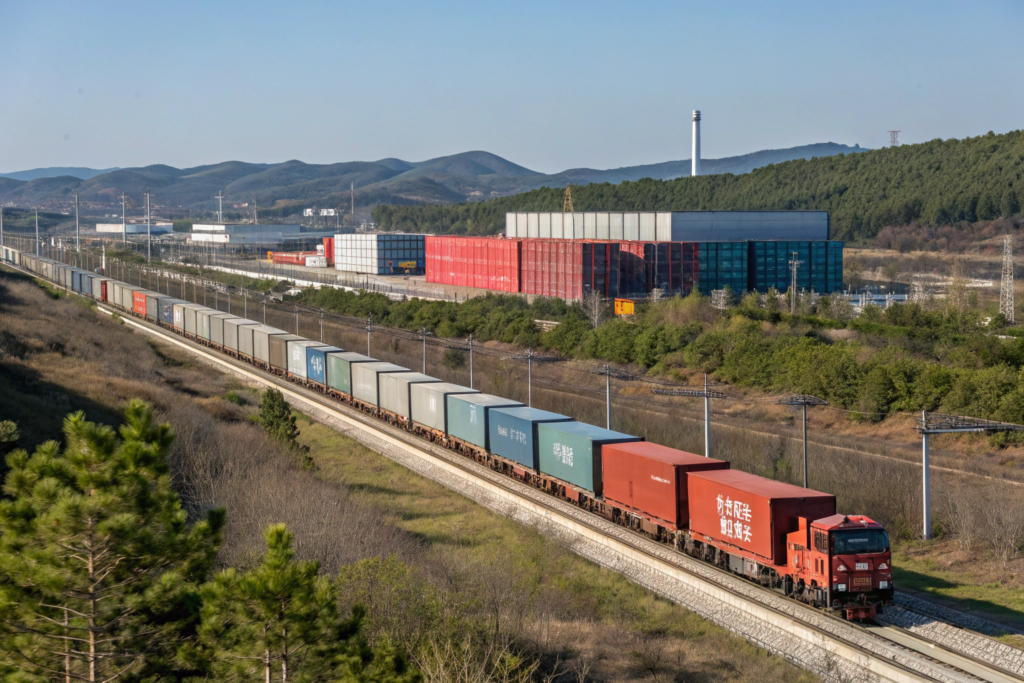
The Trans-Siberian route has political sensitivities. The Middle Corridor, going through Central Asia and the Caspian Sea, adds a layer of neutrality. It bypasses geopolitical flashpoints that affect the northern rail route. For a US buyer, this neutrality minimizes sanction compliance risks.
We’ve used this route for time-sensitive electronic gift items heading to the US East Coast. The transit is surprisingly reliable. Yes, there are multiple border crossings. But our local partners handle the customs clearance at each node. The key advantage is schedule reliability. Trains don’t float in a holding pattern like ships off Long Beach. A rail freight solution integrated into a transatlantic flow gives you a predictable timetable. You reduce your exposure to maritime unions and port strikes entirely.
Is Rail-to-Air a Realistic Option for Time-Sensitive American Giftware Stock?
If a ship takes 25 days and pure air takes 3, the middle ground is often overlooked. We combine rail with air freight for a sweet spot of cost and speed. For example, we transport goods by rail to a European airport. Then we fly them to Chicago or New York.
This method avoids the high expense of China-direct air cargo. The rail segment acts as a pre-carriage. The air segment is shorter and cheaper than a full Pacific crossing. Your goods arrive in 10 days instead of 3, but at a 40% saving. For a clothing importer facing a delayed production run, this path recovers lost time without annihilating your margin. It’s a creative use of the Eurasian land bridge, and we handle the tricky coordination between rail departure and air booking.
Why Are Port Labor Disputes a 2026 Risk and How Can You Mitigate Them?
Geopolitics isn’t only about wars. It’s about labor and economics. Contract negotiations between port unions and terminal operators on the US East and Gulf Coasts have been tense. A strike or a lockout can halt thousands of containers overnight. Your merchandise sits silently on the docks. Demurrage clock ticks. Store shelves stay empty. The threat feels personal because it cancels all your careful planning.
We protect your cargo from 2026 labor disruptions by pre-clearing containers at alternate gateways and securing a "priority discharge" status on vessels, ensuring your boxes are the last ones trapped and the first ones freed.
You cannot stop a union vote. But you can position your cargo intelligently. If we see negotiation breakdowns on the horizon, we reroute your "must-arrive" goods to ports with lower strike probability. We also recommend a slight pull-forward of orders. Instead of shipping week 40, we ship week 38. The minor storage cost at the US warehouse is far cheaper than a lost Black Friday launch. We make these calls early and loudly so you have options.
How Can Port Diversification Strategy Save Your Quarter-End Pushing Sales?
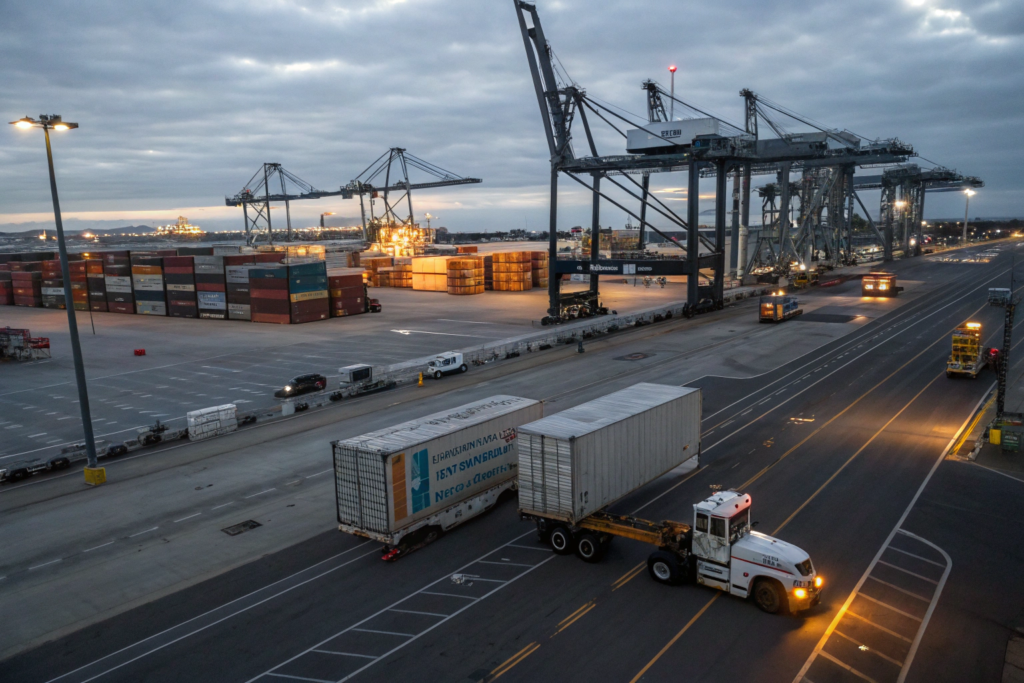
Many importers are loyal to a single port because their warehouse is nearby. That’s a trap. If that one port shuts down, your business shuts down. A diversification strategy splits the bill of lading. We discharge half your cargo in LA/Long Beach and the other half in Tacoma or Oakland.
Yes, it slightly complicates inland trucking. But it saves your quarter. If a labor dispute hits Southern California, your Pacific Northwest cargo is already clear. We use our national trucking network to consolidate the split shipment at your door. This also spreads out your exposure to natural disasters and localized chassis shortages. A diversified port entry is an insurance policy that pays for itself the first time you avoid a two-week terminal closure.
Is Trucking Capacity Ready for Surge Events If You Divert From a Strike?
Diverting a ship is step one. Step two is finding a truck to move the container 400 miles from the alternative port. During a strike, local trucking capacity gets overwhelmed instantly. Rates surge. We address this by securing "surge capacity" contracts with trucking partners in advance.
These aren’t fantasy contracts. They are pre-paid blocks of guaranteed moves. If you ship with us, you share that collective capacity. When a strike forces 100 containers to a secondary port, we don’t fight for the same 50 trucks. Our reserved fleet activates. This vertical integration of planning ensures the crisis at the pier doesn’t become a crisis at the warehouse ramp. Your inventory arrives, even if the port of entry isn’t the one on the original paperwork.
How Can DDP Services Act as a Shield Against Sanction and Tariff Chaos?
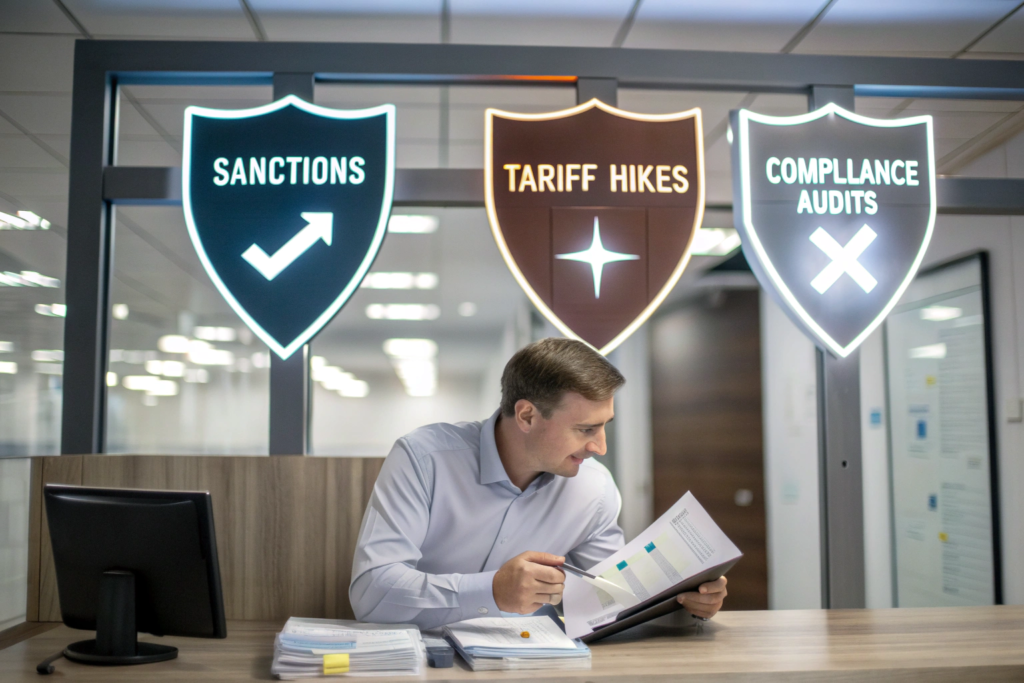
When geopolitics heats up, governments use economic weapons. New sanctions on certain materials or a sudden anti-circumvention ruling can halt a shipment at the border. If you are the importer of record, the legal liability lands on your shoulders. You face fines, extensive Customs audits, or seizure of your goods. That fear often forces importers to pull out of otherwise profitable opportunities.
Our Delivered Duty Paid (DDP) service shifts the legal liability and compliance burden from you to us. We act as the importer of record, ensuring our team handles sanction screenings and trade agreement complexities, so you face zero legal exposure.
You want to buy goods. You want to sell them. You don’t want to become a trade law expert. That’s my job. We continuously screen our supply chain against the denied party lists. We know exactly which certificates of origin are required to avoid anti-dumping duties, especially for sensitive categories like textiles. By buying DDP, you no longer look at border politics with fear. You look at your sales forecasts instead.
How Does De-Risking the Importer of Record (IOR) Role Help Mid-Size Companies?
If you’re a medium-sized brand, you don’t have a customs attorney on retainer. An IOR audit can bury you in legal fees. When GeeseCargo acts as the IOR, we take on the transactional liability. We hold the customs bond. We file the documents.
If a customs clearance query arises, our compliance team answers it. You don’t get a scary letter from CBP. Your bank account doesn’t get a freeze. This corporate veil allows you to scale without scaling risk. We manage the inherent volatility of trade laws. You manage your retailer relationships and product quality.
Can Navigating "Forced Labor" Compliance Be Handled Through a DDP Partner?
US Customs heavily enforces the Uyghur Forced Labor Prevention Act. Cotton, apparel, and even giftware with silica gel packets face strict supply chain tracing. Proving a negative is hard. You need documentation right down to the raw material origin.
We build a "compliance passport" for your products. Before the cargo ships, we gather necessary certificates from the suppliers in China. If the authorities question the shipment, we provide the evidential trail instantly. Doing this yourself is overwhelming. Under DDP, we take the lead. We handle the detention scenarios directly with the port officials. You just provide the sales order; we handle the political filter.
Conclusion
The map of global trade in 2026 looks very different from a decade ago, but the anxiety remains the same if you don’t have a guide. We’ve walked through how the Red Sea crisis still ripples through the cost of a container leaving Shanghai. We’ve explored how a train crossing Central Asia can solve a traffic jam in the Pacific Ocean, and why the loyalty to a single US port is the biggest vulnerability in your inventory schedule. Most importantly, we’ve shown that while you cannot control labor unions or sanction lists, you can legally transfer that risk to a partner willing to carry it.
I built GeeseCargo to be that shock absorber between the volatility of global politics and the stability your brand requires. You should not wake up checking news alerts to see if your goods will clear. You should wake up checking sales dashboards. From multi-modal rail strategies to ironclad DDP compliance shields, we keep the path open between China’s factory floors and America’s consumer hands.
Let’s secure your supply chain against the next headline. Reach out to us at GeeseCargo. We’ll review your 2026 shipping schedule and show you exactly how we would lock down the routes, the rates, and the compliance so you can focus on growth. It’s a chaotic world out there. But your logistics don’t have to be.