You fire off an email to the person who handles your logistics. A container of gifts is ready in Shenzhen, and you need it in Chicago. You ask for a simple update. The reply comes back slow. "Checking with the carrier." You wait. "Checking with the agent." You wait again. The anxiety builds because you have a retail buyer threatening to cancel the order if it misses the shelf date. You feel like you are shouting into a void. You realize the person you are talking to doesn’t actually touch your cargo. They are just passing messages. That is a terrible feeling for a business owner who relies on control. You need a partner, not a middleman. You need someone with skin in the game. At GeeseCargo, we look at this confusion every day, and we know exactly where the line blurs between a broker and a forwarder.
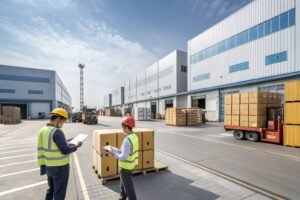
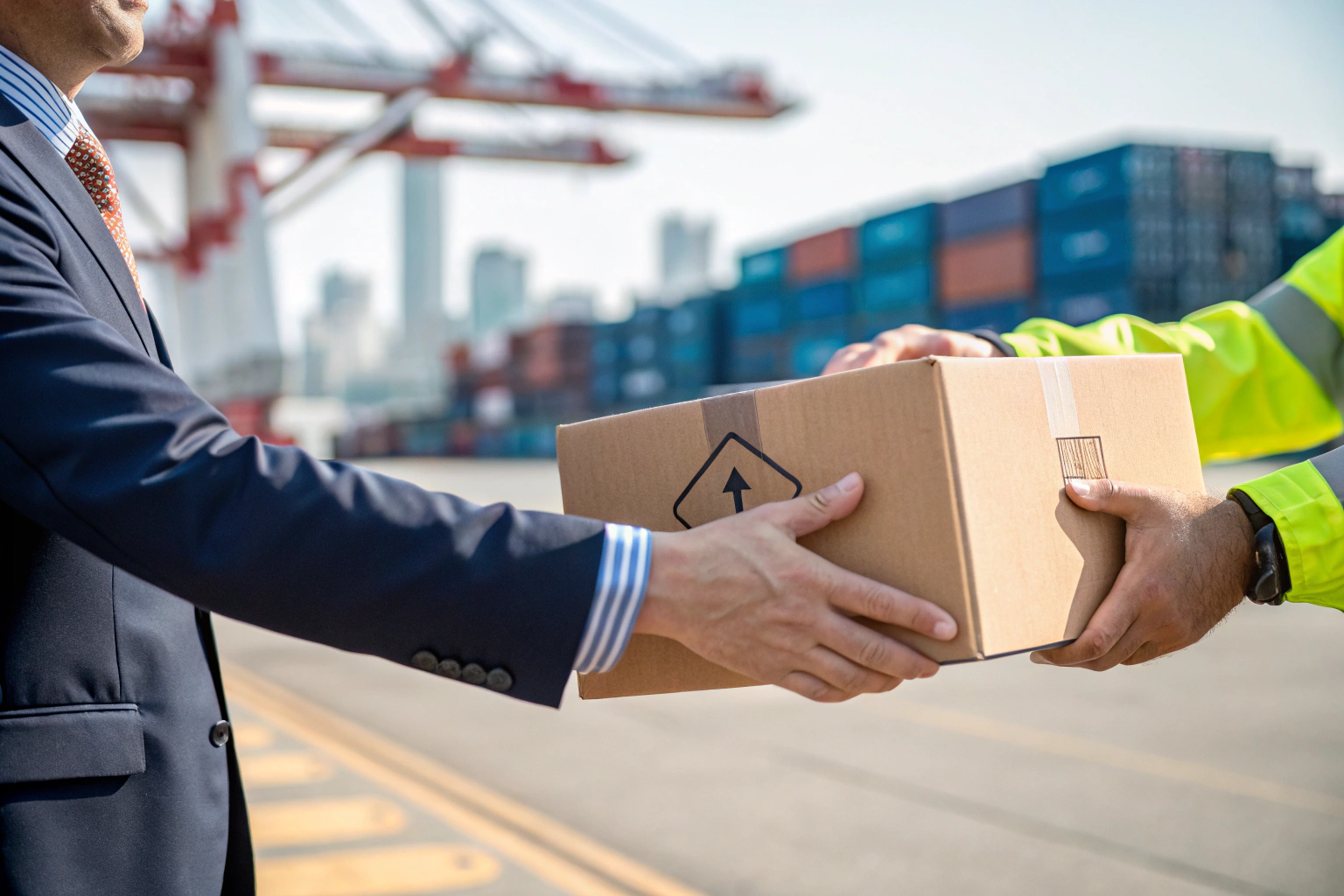
A freight broker arranges the transport by connecting you to a carrier. A freight forwarder takes physical and legal custody of your goods, handling the packing, consolidation, documentation, and customs. GeeseCargo stands apart because we are a full-service freight forwarding company with our own operational team stationed at the major ports in China, not just a desk selling a rate. We print the House Bill of Lading, manage the Chinese export clearance, and physically oversee the handover of your clothing and accessories to the vessel.
I am writing this to you as the person who built GeeseCargo from the ground up. I want to kill the myth that these two job titles are the same. They are not. One saves you a bit of time on the phone. The other saves your business from catastrophic liability. Let me walk you through the exact differences. I will show you where the hidden risks live, and how we use our infrastructure to give you the control that a broker simply cannot offer.
Who Actually Takes Legal Responsibility for Your Freight?
This is the only question that matters when things go wrong. A container falls overboard. A truck crashes. Customs finds an issue with the packing list and seizes the goods. When the chaos hits, you need to know exactly who carries the insurance and who holds the bill of lading. If you used a broker, you might find yourself alone. A broker connects two parties and steps back. A forwarder steps in. At GeeseCargo, we don’t just connect you to a steamship line. We become the carrier of record. That legal distinction changes everything about how we handle your cargo.
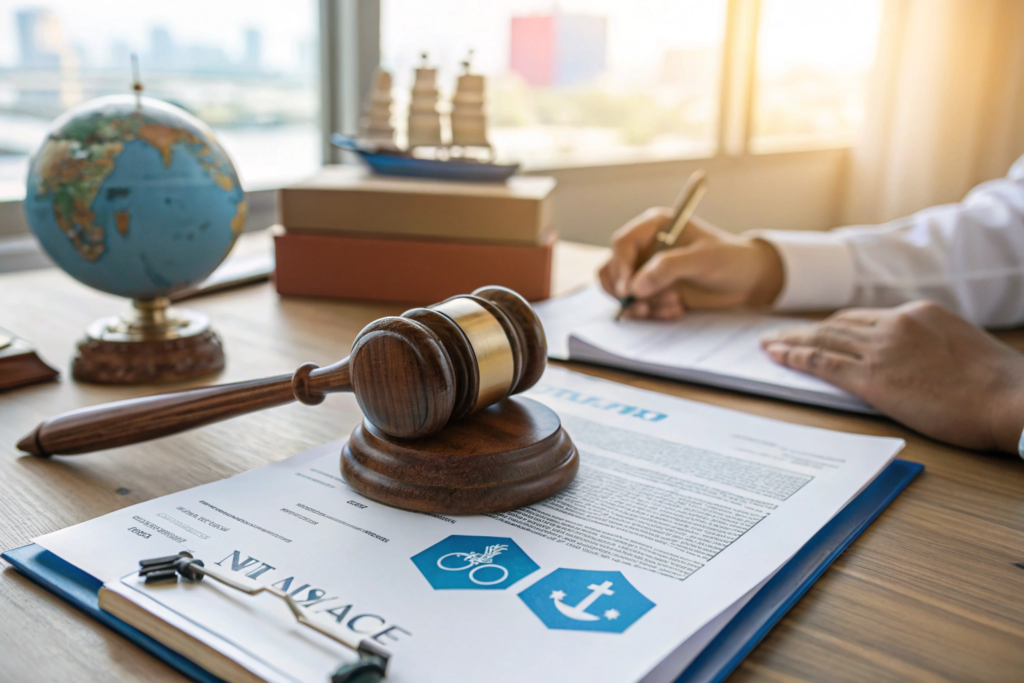
A freight forwarder issues their own House Bill of Lading and assumes carrier liability under the terms of the contract. A freight broker does not. GeeseCargo acts as a licensed NVOCC. We take legal responsibility for the goods from the factory floor until the container reaches the port or your warehouse. If something breaks, you claim against us directly. You don’t get trapped in a finger-pointing loop between a trucker and a shipping line. We close the liability gap that brokers leave wide open.
I saw a situation once that explains this perfectly. A US buyer imported a pallet of luxury home gifts. He used a freight broker based in Florida. The broker booked a cheap carrier. The carrier subcontracted the trucking. The trucker damaged the pallet during the unloading in Atlanta. The broker said, "Not my problem, it’s the carrier." The carrier said, "It was the subcontractor." The buyer was stuck with $15,000 in ruined stock and no one to sue who actually had the money. A forwarder cannot hide like that.
Why Does "Carrier Liability" Matter More Than a Cheaper Rate?
Rates mean nothing if the legal protection crumbles. A freight broker operates on "reasonable care" in selecting a motor carrier. They don’t insure the cargo. They just send you a list of trucks. We operate as a freight forwarder. We assume the liability of a carrier. When you ship with GeeseCargo, our name sits on the transport document. If we need to sub-contract a truck to pick up your goods in China, we remain fully liable for that trucker’s performance. This is a massive financial shield for you. You are not chasing an unknown small trucking company’s insurance policy. You claim directly against us. We carry comprehensive logistics liability insurance that covers the full value of your apparel and accessories. A cheaper rate from a freight broker might seem attractive, but it essentially leaves you uninsured on the legal front.
How Does Physical Custody Reduce the Risk of Rolled Cargo?
A broker cannot physically touch your shipment. They work from a computer screen. When the port gets congested and the steamship line overbooks, a broker’s booking is the first one to get rolled. Why? Because there is no physical pressure on the ground. We operate differently. Our own team of staff members is physically present at the major export ports in China. When we book a slot for your clothing shipment, our operations guys walk the container to the gate. They know the officials at the terminal. If the yard starts to fill up and they try to roll our booking, our team manages that face-to-face. This physical custody prevents the "sorry, the vessel is full" email that brokers send out. We don’t just arrange transport. We ensure the logistics actually happen.
Can You Trust a Middleman to Handle Customs and Compliance?
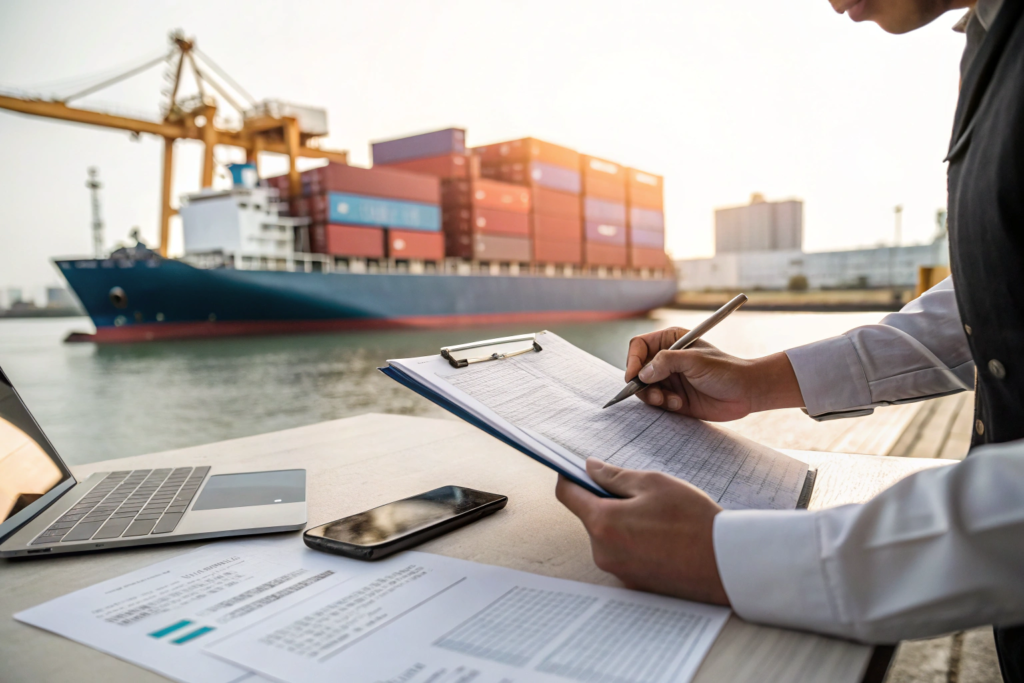
Customs is a terrifying word for many importers. A single wrong code can lead to fines, exams, and demurrage charges eating up your margin. A broker’s job ends the moment they hand you a trucker’s phone number. They do not sit with your factory to check the commercial invoice. They don’t open the box to verify the "Made in China" label is correct. That falls on you. If you don’t have a team in China, you are vulnerable. We close that vulnerability by operating our own licensed customs clearance department.
You cannot trust a middleman to handle customs because a broker has no power of attorney over the Chinese export process. GeeseCargo holds a dual customs bond in both China and the US. We check the supplier’s documents at the origin factory before the truck even starts. We physically inspect the goods when needed. We certify that the HS code for your gift items is correct on the Chinese export declaration. This dual-side compliance control prevents the US Customs holds that usually happen when data mismatches between what China exports and what the US imports.
Paperwork errors are the silent profit killers. You might not see them until the container is already at sea. Then it is too late. A broker simply passes the documents from the supplier to the US customs broker. They don’t verify. They don’t add value. They just forward emails. That is a dangerous game, especially with the complex tariff structure on goods from China.
Why Is a Chinese Export License Essential for Your Apparel Shipments?
You might not know this, but exporting certain textiles and branded accessories from China requires a specific export license. If your factory does not have the right paperwork, the cargo gets stuck at the Chinese border. A US-based freight broker has no legal standing to apply for this license. They don’t even know it is missing until the cargo gets blocked. We are headquartered in China. We hold the necessary export registration. For your clothing and gift shipments, we file the customs declaration directly with the China Customs authority. We take ownership of the origin procedures. This guarantees the goods actually leave the country. Without a local forwarder, a broker is just hoping the factory handles everything legally. That is a big risk with China export compliance.
How Do We Stop ISF Filing Mistakes Before They Cost You $10,000?
The Importer Security Filing (ISF) is a US requirement. You must file it 24 hours before the cargo loads onto the vessel. A single typo in the seller’s name or the container stuffing location triggers a $5,000 to $10,000 fine from CBP. A freight broker usually takes your data and pastes it into a form. They don’t cross-reference the physical reality. We do. Because we physically oversee the loading at the factory in China, we match the ISF data with the actual door code of the warehouse. We verify the precise stuffing date. This attention to detail stems from us being a freight forwarding company, not a sales desk. We treat the ISF filing as a critical operational step, not an admin afterthought.
How Does GeeseCargo Control the Physical Movement Better?
A deal is just paper until the goods hit the truck. The difference between a broker and a forwarder is most obvious in the physical world. A broker works with "approved carriers" in a database. They don’t own trucks. They don’t run warehouses. They click "tender load" and hope for the best. We run an asset-light but operationally heavy model. We might not own the ships, but we own the process on the ground. We have exclusive consolidation boxes. We manage the cross-docking directly. We seal the containers with our own high-security bolts.
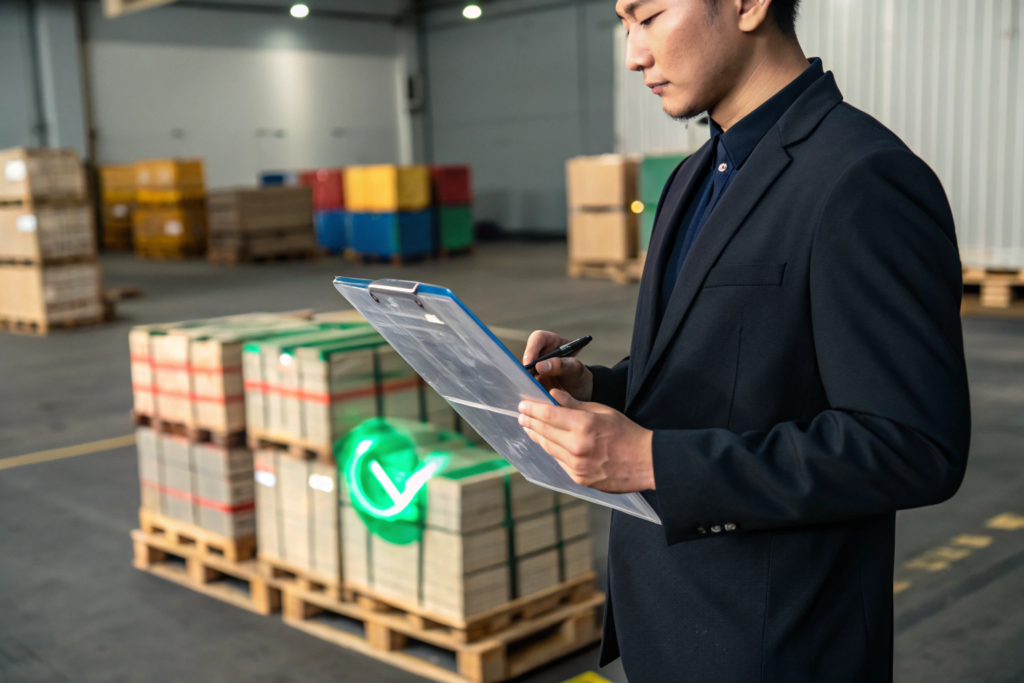
GeeseCargo controls the physical movement by operating our own consolidation warehouse at the port and using our own trained loading supervisors. A freight broker cannot offer consolidation or "buyer’s consolidation" services. We can. We pick up your goods from 5 different clothing factories. We bring them into our secure staging area. We check the carton labels, combine the shipments into a single full container load, and optimize the container loading weight. This direct physical control eliminates the middleman fees a broker pays to a third-party warehouse.
I remember a shipment for a large distributor of accessories. He had 10 suppliers across Yiwu and Guangzhou. A broker gave him 10 different trucking rates and told him to coordinate the pickups himself. He couldn’t. He was in a different time zone. His phone was blowing up at 3 AM. When he switched to our buyer’s consolidation service, we sent one fleet manager to collect all 10 orders. We cross-checked the purchase orders against the physical items at our facility. We found that one supplier short-shipped 12 cartons. We caught it in China, not at his receiving dock in Los Angeles.
What Is Buyer’s Consolidation and Why Can’t Brokers Do It?
A freight broker sends a truck to a single factory to pick up a full load. That is simple. But you are a brand owner buying from multiple suppliers. You need buyer’s consolidation. This means taking small batches from different suppliers, merging them in a container, and shipping it as one unit. This lowers your freight cost per unit. Brokers don’t have the infrastructure for this. They outsource it to public warehouses who have no loyalty to you. We run this in-house. We provide a secure warehousing environment where we can even repackage your boxes to ensure they are airline-tight for the long sea journey. We manage the "handshake" between the inland truck and the ocean vessel. That is physical logistics. That is what you pay for.
| Comparison Aspect | Freight Broker | GeeseCargo Forwarder |
|---|---|---|
| Consolidation Capability | Outsourced to 3rd Party | In-house origin warehouse team. |
| Trucking Oversight | Hands-off, phone based. | Physical check-in at gate. |
| Container Sealing | Handled by unknown driver. | Supervised by our own staff. |
| Problem Solving | Virtual coordination. | On-the-ground immediate recovery. |
How Does Direct Container Loading Impact Your Clothing Quality?
You deal in clothing and gifts. Fabric can mold. Boxes can crush. If a broker arranges the transport, the driver picks up the cartons and leaves. No one inspects the container’s condition. We have seen containers with a hole in the roof that destroyed an entire shipment of sweaters. At our consolidation center, our guys enter the container before loading. They check the floor for cleanliness. They check the ventilation. They take photos of the empty container and send them to you before the first box goes in. They build the load wall correctly so the cargo doesn’t shift during the sea voyage. This level of cargo handling care is impossible for a broker who never sees the box. You end up with higher product quality on arrival. You get fewer chargebacks from your retail buyers because the gift boxes are not crushed.
Why Is DDP Door-to-Door Service a Liability Test?
DDP shipping sounds like the ultimate convenience. You pay one price. The goods arrive at your door. Tax, duty, transport, everything included. But a DDP offer from a broker is often a trap. A real DDP transaction means the seller takes on the import duty risk and the VAT risk in the destination country. Many brokers sell "DDP" but actually just prepay the duty with an estimate and invoice you for the difference later. That is not DDP. That is just DAP with a guess. At GeeseCargo, we execute genuine DDP transactions, especially to the US market. We assume the full risk of the landed cost.
DDP door-to-door service is a liability test because it forces the logistics provider to carry the customs bond and pay the duties out of their own pocket before billing you. A broker usually lacks the financial capacity or the cross-border license to act as the Importer of Record. GeeseCargo takes the financial and legal liability for the duties. We clear the goods through US customs under our own bond. We pay the tariffs immediately to get your cargo released. Only then do we invoice you the exact documented cost. This protects your supply chain from customs stops over unpaid bills.
Running a true DDP operation requires deep working capital and absolute trust in your customs department. You, as the importer, don’t want to register as a foreign entity in the US just to import a few containers. You want us to handle it. But if we make a mistake on the tariff payment, customs doesn’t chase us initially; they hold your goods. That is why you need a forwarder with a strong balance sheet, not a broker working from a spare bedroom.
Why Do You Need an Importer of Record on Your DDP Freight?
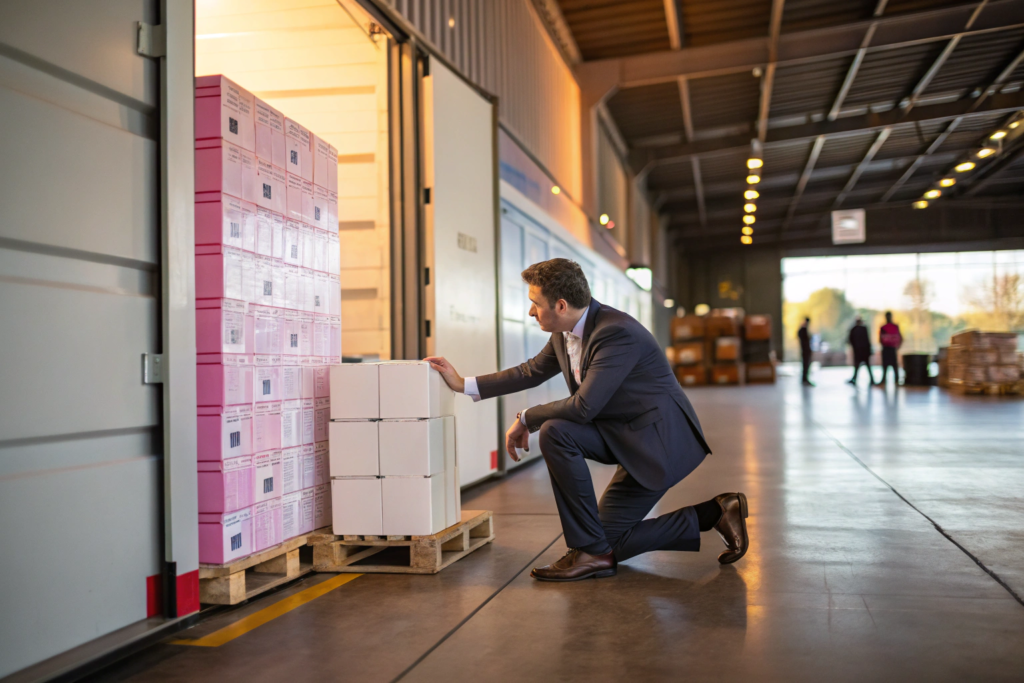
When you buy from a factory in China on a DDP basis, someone must be the Importer of Record in the USA. A freight broker will usually point the finger at you, the cargo owner, to act as the IOR. That forces you to get a customs bond, pay the duties directly, and handle the entry documents. That defeats the whole purpose of DDP. We act as your non-resident Importer of Record. This is a huge differentiator. We take on the audit risk. We manage the reconciliation of the duty payments with US Customs. For a business owner, this turns an international shipment into a simple domestic delivery. You don’t get the intimidating notices from the Customs and Border Protection. We absorb that supply chain management complexity.
How Does a Forwarder’s Bond Protect Your High-Value Shipments?
A customs bond is a financial guarantee. If duties are owed, the bond pays them. Freight brokers often rely on single-entry bonds purchased for them by the customs broker at the port. That chain is fragile. We maintain a continuous customs bond because we move high volumes regularly. For your clothing and accessories, which can have high duty rates due to Section 301 tariffs, a continuous bond ensures we don’t hit a ceiling in the value of goods we can clear. If a broker’s single-bond limit is hit, your container sits at the terminal racking up storage fees. Because we use our own continuous customs bond, we can process urgent, high-value shipments without administrative delays. It is the last mile of the DDP promise, and it is where a forwarder’s financial infrastructure clearly beats a broker’s thin operating model.
Conclusion
The distinction between a freight broker and a freight forwarder isn’t just industry jargon. It defines your liability, your customs risk, and the ultimate delivery of your goods. A freight broker provides a transactional service. They connect the dots with a phone call and take a margin. That works when nothing is on fire. But if your containers of accessories are stuck at the port, or if customs flags your apparel for a random exam, you will find out very quickly that the broker cannot help you. They don’t hold the contracts. They don’t touch the cargo. They leave you to fight with the carrier alone.
GeeseCargo is set up to be a true partner. We hold the license. We issue the Bill of Lading. We run the origin warehouse. We pay the duties under our own bond for DDP. I have spent years building a network of contacts and officials at the major gateways so that when problems hit, we solve them in person, not over a forwarded email. This is what professional, reliable, and competitive freight forwarding looks like. It is a heavy responsibility, but it is the only way to give a business owner like you the peace of mind you demand. Ready to work with a forwarder who actually handles your cargo? Visit us at geesecargo.com today. Let’s move your freight the right way.