You shake hands with a supplier on a big order of gifts and apparel. The price per unit is perfect. You are ready to wire the deposit. Then the supplier asks, "So, FOB or EXW?" You freeze. You are not a logistics expert. You just want the goods in your warehouse without a disaster. You have heard horror stories. A business owner picks FOB to save $300, then gets hit with a $2,000 port storage bill he never saw coming. Another picks DDU and ends up in a legal fight over who pays the customs exam fee. These three-letter codes, DDP, DDU, FOB, look like jargon on a contract. But they decide your liability. They decide how much stress you carry. At GeeseCargo, we walk clients through this minefield every single day. I am writing this to clear the fog.
We recommend DDP shipping for maximum safety because it places 100% of the logistics liability on the seller. Under DDP, we act as the Importer of Record, pay the duties upfront, and deliver to your door. You never touch customs. FOB leaves you, the buyer, paying the freight and managing the customs clearance in the US. This is the riskiest option if you do not have a dedicated logistics team. DDU, now officially called DAP, is a halfway house where the seller pays the freight but you still pay the duties and handle the import clearance. GeeseCargo guides you toward DDP to eliminate hidden costs, but we also execute FOB freight perfectly if you have the in-house capability to manage the customs liability.
The wrong shipping term can turn a profitable shipment into a loss. The right one can make your supply chain run smoother than you ever imagined. I do not just want to give you textbook definitions. I want to walk you through these three terms as they actually play out in the real world of China-US trade. I will share what breaks, what hurts, and why we push for DDP when your safety is the main concern. Let us break this down, term by term, so you can make the decision with confidence.
FOB Shipping: Who Really Bears the Risk on the High Seas?
FOB stands for Free On Board. The name sounds liberating. It sounds like you are free to choose whatever you want. But that freedom is heavy. Under FOB, the factory in China delivers the goods to the vessel and clears them for export. Their job ends when the container hits the ship’s rail. From that exact moment, the burden shifts onto your shoulders. You are the one chartering the ocean freight. You are the one responsible if the container falls into the ocean. You are the one who must clear customs in the US. FOB is not a service. It is a dividing line of risk. And if you do not have boots on the ground in China, crossing that line can be terrifying.
Under FOB, the buyer bears the risk for the main carriage, the import customs, and the duties. The seller only covers the local transport to the port and the export declaration. The freight cost from China to the US is your contract. If the vessel sinks, your insurance pays, not the factory’s. If customs in Long Beach stops the container because the commercial invoice has an error, the demurrage bill has your name on it. You need your own customs bond. You need your own broker. FOB gives you full control over the shipping cost, but it also gives you 100% of the operational headache from the moment the container leaves the factory gate.
I have a clear memory of a client who insisted on FOB. He was a sharp guy. He found a factory that gave him a good FOB price. He then found a cheap freight rate online. The freight forwarder he booked in the US had no team in China. The factory loaded the container and sent the documents late. The forwarder missed the cut-off. The container sat at the port for a week. The factory said, "Not our problem. We delivered to the port." The forwarder said, "Not our problem. We didn’t have the documents." The client paid $1,500 in storage and detention fees. He saved $400 on the FOB unit price. He lost a fortune in stress and cash. That is the hidden trap of FOB.
What Hidden Costs Lurk Inside a Standard FOB Contract?
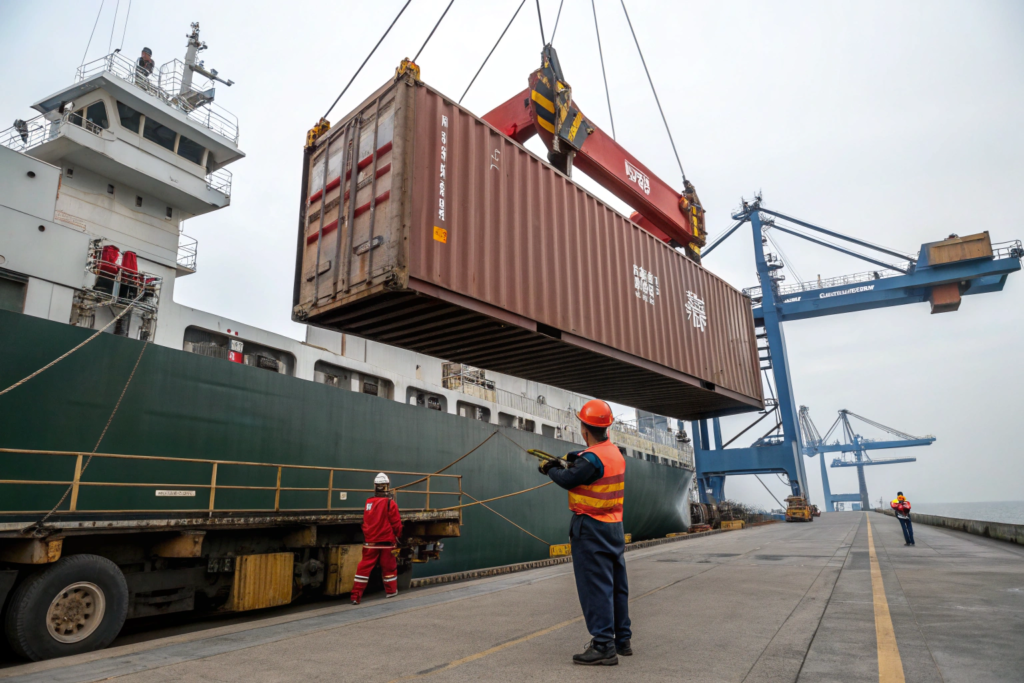
The FOB unit price you negotiate with the factory looks clean. But it stops at the vessel. The costs that come next are not hidden. They are just invisible to someone who has not imported before. You will pay a Terminal Handling Charge at the origin port. You will pay a Bill of Lading fee. You will pay a fuel surcharge, a peak season surcharge, and a chassis fee at the destination. If your trucker is late to pick up the container from the terminal, you pay demurrage. If you use the container for too long outside the port, you pay detention. These are not extras. They are the standard structure of an ocean freight move. We have a line-item spreadsheet we show clients before they choose FOB. It usually shocks them. A $2,000 freight quote turns into a $4,500 door cost. If you are ready for that, FOB works. If not, it is a trapdoor.
Why Does FOB Require You to Build Your Own Safety Net?
Choosing FOB means you become the logistics coordinator. You are the one sourcing a customs bond. You are the one vetting a licensed customs broker. You are the one checking if the trucker has a clean safety record with the FMCSA. You are the one buying cargo insurance. A factory on FOB terms does not care if the container gets rolled for 3 weeks. They already got paid for the goods and the local transport. You, the buyer, are holding the risk of delay, damage, and regulatory fines. To be safe under FOB, you need an in-house logistics manager or a very strong freight forwarder who acts as your agent. GeeseCargo can execute FOB legs beautifully. We pick up the container from the port seamlessly. But we always remind our clients that under FOB, the legal responsibility for a customs audit still falls squarely on the Importer of Record on file. If the factory exports under their name and makes a mistake, the US government looks to the US buyer for the fine. You need deep pockets and a high risk tolerance for FOB safety.
DDU (DAP) Shipping: Does the Discount Justify the Customs Risk?
DDU, now officially updated to DAP, stands for Delivered at Place. It is the middle ground that many sellers offer as a "service." The seller arranges and pays for the main carriage. They truck the goods from the factory to the destination port, or even to your warehouse door. It sounds almost as good as DDP. But there is a massive catch. The seller does not pay the import duties. The seller does not clear the goods through US Customs as the Importer of Record. They deliver the goods "uncleared." That means the most stressful part of the transaction, the fiscal entry and the tax payment, is still dumped on your desk. You get a call from a customs broker you did not choose, asking you to wire duty money immediately or the container will not be released.
DDU is the riskiest term for safety because it creates a split responsibility for the final delivery. The seller controls the freight chain, but the buyer holds the customs liability. If the seller delays the documents, the buyer pays the demurrage. If the customs broker the seller hired makes a classification mistake, the buyer receives the penalty notice. You pay the duties to release your goods, but you have no control over the freight cost embedded in the seller’s unit price. This separation of power and liability often leads to chaos at the port. DDU looks cheap, but the administrative danger is high.
I recall a shipment of accessories that came in under DDU. The supplier in China booked the freight with a local agent. The agent used a generic HS code to save time. The code was wrong. US Customs flagged it and set the container for an intensive exam. The exam took 2 weeks. The storage bill was astronomical. The supplier refused to pay because their Incoterm obligation ended at delivery. The US broker the agent hired refused to pay because they were just the filer. My client, the buyer, was stuck with the exam costs and the demurrage because he was the Importer of Record. He never even chose the broker. That is the horror of DDU. You pay the price for someone else’s mistake.
Who Actually Pays the Tariff When a DDU Shipment Goes Wrong?
You do. Legally, under a DDU contract, the buyer is the Importer of Record. The commercial invoice names you as the party responsible for the entry. When the ship arrives, the customs broker files the entry summary in your name. If the tariff rate on your apparel is 25% and the seller miscalculated the product value, customs adjusts it. You receive the increased bill. You cannot refuse to pay. The goods are under your bond. The seller is already paid. The broker is just an agent. The financial liability chain stops at you. Some sellers offer DDU and tell you they will "take care of customs." But they just mean they will hire a cheap broker on your behalf. They do not indemnify you against tariff changes. They do not pay your storage if the broker is slow. True safety requires you, or your designated forwarder, to be the one choosing and paying the customs broker. DDU violates that supply chain principle.
Can You Trust the Seller’s Local Agent to Protect Your Cargo?
A seller’s local agent has loyalty to the seller. The seller is their repeat customer. You are just a one-time shipment. When the agent books the freight, they optimize for the seller’s convenience. They might pick the cheapest container yard, even if it adds 3 days of transit. They might consolidate your goods with low-quality cargo that attracts pest inspections. They control the flow of information. You are the one paying the freight embedded in the product price, but you have no authority to tell the agent to speed up the delivery or change the route. If the container sits in a congested rail yard, your calls to the agent are often ignored. They answer to the factory first. We have extracted clients from bad DDU arrangements by simply replacing the seller’s agent with GeeseCargo’s own operational team. The physical flow needs to be controlled by the party who cares most about the safe arrival: you. DDU structurally separates the physical control from the risk. It is a recipe for frustration.
DDP Shipping: How Does It Offer Total Peace of Mind?
DDP is the heavyweight champion of safety. It stands for Delivered Duty Paid. When you sign a DDP contract with GeeseCargo, you sign away the entire logistics nightmare. The factory does not choose the carrier. We do. The factory does not pick the customs broker. We use our own. The factory does not decide the route. We engineer it. From the moment the goods leave the production line to the moment the pallet touches your warehouse floor, every single link in the chain is ours. We pay the Chinese export fees. We pay the ocean freight. We pay the US duties. We pay the trucking. We bear the risk of currency fluctuation and tariff spikes. You pay a single, agreed-upon price. That is it.
DDP offers total peace of mind because it converts a variable, high-risk process into a fixed-cost transaction. The seller, GeeseCargo, assumes all the liability of the Importer of Record. We clear the goods through customs under our own continuous bond. We pay the duties before the container is released. We insure the goods against damage in transit. If customs examines the container, we pay the exam fee. If the tariff code is disputed, we argue the case. You do not receive emergency calls for payment. You do not sign customs forms. The goods simply arrive. This is the only term that completely removes the buyer from the regulatory burden of international shipping.
I love explaining DDP to a business owner who has been burned before. I see the relief wash over their face. They ask, "So I don’t need to get a bond?" No. "I don’t need to wire money to some broker I don’t know?" No. "If the tariff changes while the ship is sailing, I don’t pay?" No, we do. This is the service I wish I had when I started in logistics. It allows you to act like a true brand owner. You focus on selling. We focus on the physical and legal flow. It is not the cheapest term on paper. The upfront quote is higher than FOB because it contains the duty and the risk buffer. But the final cost is often lower because there are no hidden surcharges. The price is the price.
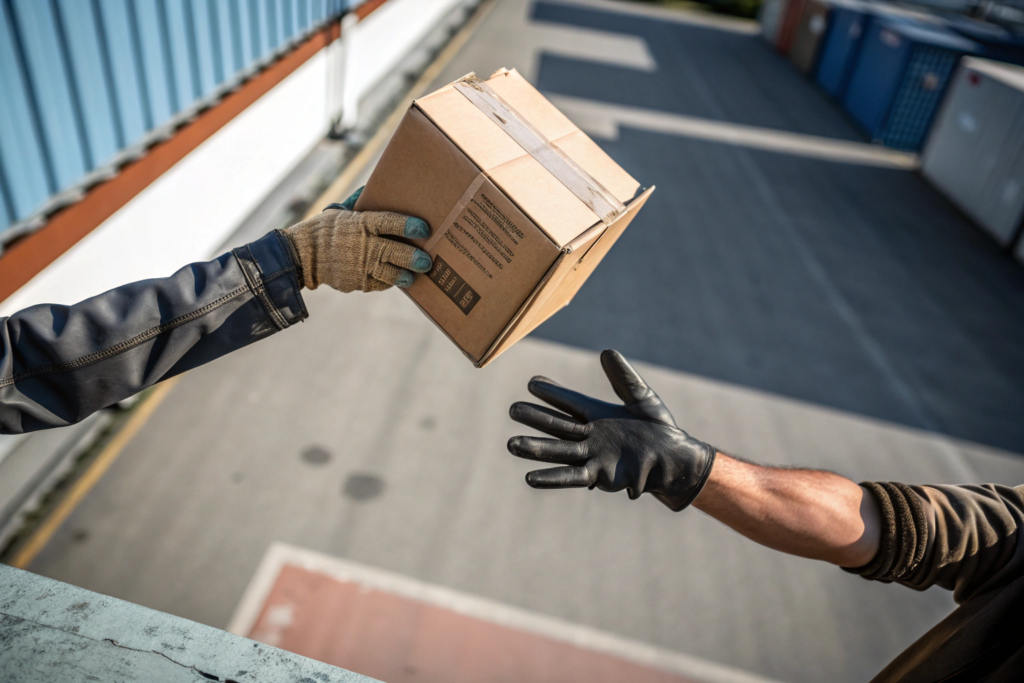
How Does GeeseCargo’s Importer of Record Status Protect You?
This is the secret weapon of our DDP service. When we run DDP, we do not just pay the duty. We legally step into your shoes as the Importer of Record. Our company name goes on the CBP Form 7501. Our continuous bond guarantees the payment. This is a massive firewall. If there is a compliance audit two years later, the customs summons comes to us, not you. If there is a dispute over the valuation of the gifts, our compliance team handles it. We do not drag you into the legal process. This protection is invaluable for a business owner who does not want their import history flagged. You maintain a clean record with the authorities. Your brand stays protected. This is a level of customs compliance that FOB and DDU cannot match because they force you to be the Importer of Record.
Why Is a Fixed Landed Cost Critical for Your Business Profitability?
Business is math. You set a retail price based on a product cost. If your product cost fluctuates by 10% to 20% due to shipping variables, your profit margin is a guess. You cannot run a business on guesses. A DDP contract with GeeseCargo fixes the landed cost. You know exactly what a unit costs you at your door. You can price your clothing and accessories confidently into the market. You can forecast your cash flow. If you are a distributor selling to retailers, you can give them a stable wholesale price for the season. This stability is a competitive advantage. Your competitors who use FOB are adding large logistics buffers to their quotes or getting caught out by rate spikes. You are operating with a precise, protected cost basis. That is how you win market share. DDP is not just a shipping term. It is a pricing strategy tool.
Which Shipping Term Truly Minimizes Your Financial Liability?
We have walked through FOB and its hidden freight costs. We have exposed DDU and its dangerous split liability. Now we need to talk directly about money. Safety in shipping is not just about avoiding damage. It is about capping your financial exposure. Every Incoterm is a different allocation of financial risk. An FOB shipment has an uncapped cost tail. You might budget $3,000 for freight and duties. You might end up paying $5,000 due to a congestion surcharge, an increased tariff, and a storage fee. A DDU shipment is even worse because you hold the tax liability but not the freight control. The true financial liability of a shipment is the maximum amount you could lose if everything goes wrong. Under DDP, that maximum amount is zero, beyond the agreed price.
DDP minimizes your financial liability because the forwarder holds the contract with every sub-vendor. At GeeseCargo, we sign a fixed-price contract with you. We sign separate variable contracts with the shipping line, the trucker, and the terminal. If those variable costs spike, we absorb the loss internally. Your invoice does not change. FOB exposes you directly to those variable costs. If the shipping line adds a $1,000 emergency bunker surcharge while your container is at sea, you pay it. DDU exposes you to the customs costs without the leverage to negotiate them. DDP cages the risk inside our balance sheet and leaves your ledger clean.
I have a client who ships 10 containers a month of clothing. He switched from FOB to our DDP service after a brutal peak season. He was under FOB. The shipping line rolled his containers three times. Each time, the rate increased by $500 because the spot market was soaring. He also got hit with an unexpected Pier Pass fee he had not budgeted for. His shipping cost for that month was 40% over budget. He was angry. He felt helpless. He switched to our DDP. Now he pays a flat rate per container, locked in for the quarter. When the market spikes, we feel the pain. He feels nothing. That is the financial peace of mind he pays for. He sleeps at night. He can plan his business 6 months out. That is invaluable.

How Do Incoterms Affect Your Insurance Claim Payout?
Insurance follows liability. Under FOB, you buy your own cargo insurance. If the goods are damaged during ocean transit, you claim against your policy. The policy pays you. But what if the damage happened before the ship, during the factory’s local trucking? The factory’s insurance should pay. Now you have a dispute over where the damage occurred. The surveyors argue. Your claim stalls. Under DDP, we carry the insurance from door to door. There is no gap in coverage. If the goods arrive with water damage, we pay you immediately and then we claim against our policy. You do not have to determine if it happened on land or at sea. The coverage is seamless. This is a massive reduction in the administrative hassle of a freight insurance claim. You get made whole faster. Your inventory planning stays on track.
What Is the True Cost of a "Cheap" FOB Quote After Customs?
Let us do a quick reality check on the numbers. A factory offers you an FOB price that is $1.50 per unit. Another offers DDP at $1.85 per unit. The FOB looks cheaper. But the FOB quote does not include the ocean freight, the US customs bond, the import duty, the broker fee, the port handling, and the trucking. When we run the actual calculation for a standard 40-foot container of apparel, the DDP price almost always wins on the final landed cost spreadsheet. Why? Because we consolidate shipments. We get better ocean rates than a single shipper. We get better trucking rates. And our duty calculation is aggressive and legal, avoiding overpayment. The "cheap" FOB quote is just the starting price of a long, expensive journey. The DDP quote is the finish line. Comparing them is a mistake many new importers make. They see the low sticker price and forget to add the assembly required. With shipping terms, you get what you pay for. With DDP, you see exactly what you pay, fully assembled.
Conclusion
DDP, DDU, and FOB are not just boxes to tick on a purchase order. They define your stress level, your financial exposure, and your legal liability for the next 6 months. FOB hands you the keys to the freight but also hands you the ticking time bomb of port charges, customs exams, and carrier disputes. It is suitable only if you have the in-house team and the risk appetite to manage an international supply chain. DDU is a dangerous illusion. It promises delivery but leaves you holding the bag for duties and regulatory fines, often with no control over the agents making the decisions. It is a term I rarely recommend because it combines the worst of both worlds: the seller’s control and the buyer’s liability.
DDP, executed by a strong forwarder like GeeseCargo, is the term of true safety. We step into the legal role of the Importer of Record, shielding you from direct contact with customs authorities. We fix your landed cost, allowing you to price your products accurately and protect your profit margins. We control the physical flow from the factory floor in China to your receiving dock. We hold the insurance. We absorb the tariff spikes. If you are a business owner importing clothing, accessories, and gifts, I cannot overstate the value of removing these risks from your daily life. Your job is to build a brand. Our job is to deliver it safely. Ready to lock in a fixed, safe landed cost for your next shipment? Visit us at geesecargo.com and let us quote your freight under our true DDP terms. I promise you will feel the weight lift off your shoulders.