Tariff engineering represents one of the most effective yet underutilized strategies for reducing import costs while maintaining full legal compliance. As a freight forwarder who has helped numerous clients implement successful tariff engineering strategies, I've witnessed firsthand how businesses can achieve dramatic duty savings—often between 15-40%—through careful product analysis and strategic modifications. However, the approach requires specific conditions to deliver meaningful benefits.
Your business can significantly benefit from tariff engineering if you import products with complex classifications, have flexibility in product design or packaging, maintain consistent import volumes, and can implement changes without compromising product functionality or market appeal. The potential savings typically outweigh implementation costs for companies importing at least $500,000 annually in affected products.
Tariff engineering isn't a magic solution for every business, but for those meeting the right conditions, the financial benefits can be substantial and sustainable. Let's examine whether your specific situation makes tariff engineering a worthwhile investment.
What Types of Businesses Benefit Most From Tariff Engineering?
Certain business models and product characteristics create ideal conditions for tariff engineering success.
Which Industries See the Greatest Savings?
Manufacturers and assemblers benefit from component-level optimization opportunities. Companies that import components for domestic manufacturing can often structure their imports to qualify for lower duty rates than finished products, particularly when different materials or components face varying tariff rates.
Consumer products companies gain advantages through packaging and presentation modifications. Products whose classification depends on specific characteristics, materials, or packaging methods often present opportunities for legitimate engineering that shifts them to lower-duty categories without compromising marketability.
What Business Characteristics Support Success?
Consistent import volumes justify the investment in engineering analysis. Businesses importing regular volumes of the same products can amortize the upfront costs of tariff engineering across many shipments, making the return on investment compelling.
Technical design flexibility enables product modifications for tariff advantages. Companies with control over product design, material selection, or manufacturing processes can implement changes that optimize duty costs while maintaining product quality and functionality.
What Specific Tariff Engineering Strategies Deliver Results?
Proven approaches exist across different product types and import scenarios.

How Can Product Modifications Reduce Duties?
Strategic disassembly often qualifies products for lower component duty rates. Importing products in knocked-down condition for simple domestic assembly can shift classifications from high-duty finished products to lower-duty parts, with the assembly labor cost typically much less than the duty savings.
Material composition adjustments can move products to more favorable classifications. Even minor changes in material percentages—particularly between textile, plastic, metal, or ceramic components—can qualify products for entirely different tariff categories with significantly different duty rates.
What Classification Optimization Approaches Work?
Feature emphasis or de-emphasis affects how products are classified. Sometimes highlighting or minimizing certain product features through marketing, labeling, or minor design changes can legitimately shift products to classifications with lower duty rates while maintaining the same core functionality.
Bundle breakdown separates products that face different duty rates. When products are imported together, they may be classified as a set facing a higher composite rate, while importing components separately can qualify each for its optimal classification and rate.
What Are the Implementation Costs and Challenges?
Tariff engineering requires careful cost-benefit analysis to ensure positive returns.
What Upfront Investments Are Required?
Professional analysis costs include trade attorney consultations, engineering assessments, and customs broker reviews. These typically range from $5,000 to $25,000 depending on product complexity, but the investment often pays back within 2-6 months through duty savings.
Product modification expenses may include tooling changes, packaging redesign, or manufacturing process adjustments. These costs vary widely but should be evaluated against the projected duty savings over a reasonable payback period, typically 12-18 months.
What Ongoing Compliance Requirements Exist?
Documentation and recordkeeping must support the engineered classification. Maintaining detailed technical specifications, manufacturing records, and classification rationale is essential for defending the approach during customs audits or verification requests.
Monitoring and adaptation requirements respond to regulatory changes. Tariff engineering strategies require periodic review as classification rulings evolve, trade agreements change, and product specifications are updated, typically requiring annual reviews.
How Do You Evaluate Your Company's Potential Savings?
A structured assessment process identifies whether tariff engineering merits investment for your specific situation.

What Initial Assessment Steps Are Most Important?
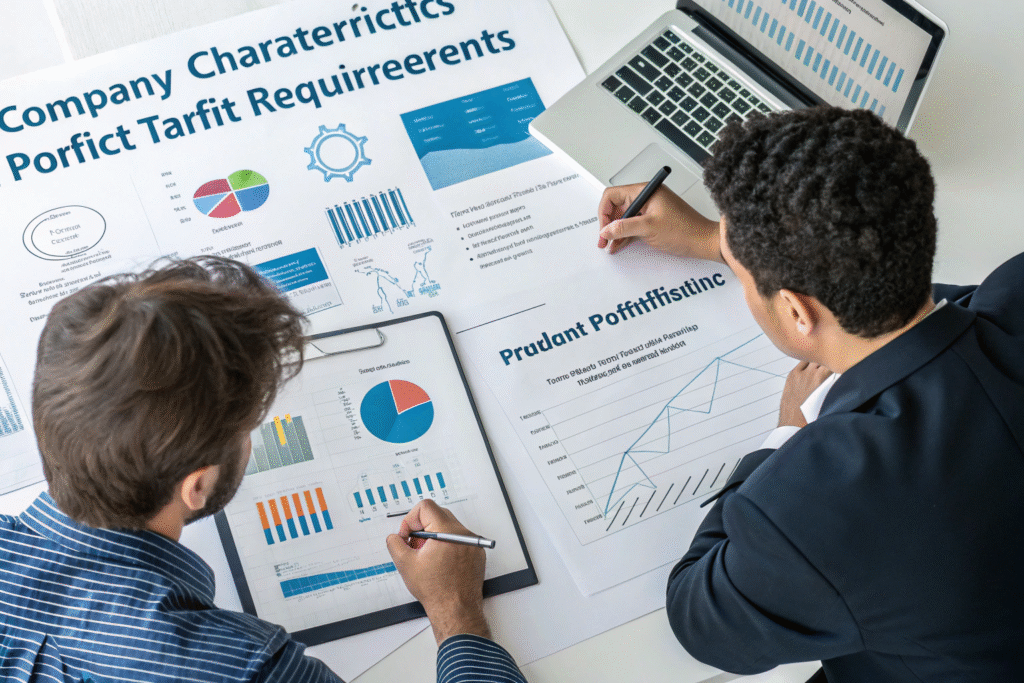
Product portfolio analysis identifies the best candidates for engineering. Focus on high-volume products with complex classifications, significant duty rates, and design flexibility, as these typically offer the best return on engineering investment.
Current duty cost benchmarking establishes the baseline for improvement. Detailed analysis of current classifications and duty payments identifies where the greatest opportunities exist and helps quantify potential savings.
How Should Companies Prioritize Opportunities?
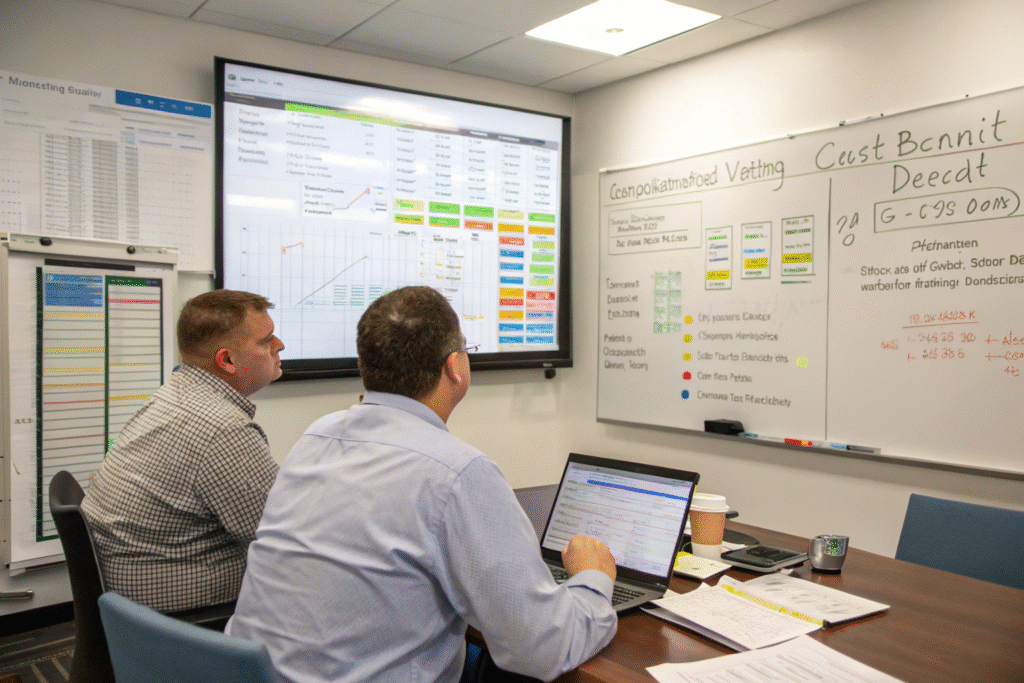
Savings magnitude versus implementation difficulty determines project sequencing. Create a simple matrix plotting potential annual savings against implementation complexity to identify quick wins versus longer-term strategic projects.
Business impact beyond duty savings considers factors like supply chain simplification, inventory reduction, or competitive advantages that might accompany tariff engineering changes, providing a more complete picture of total benefits.
What Compliance Risks Must Be Managed?
Tariff engineering operates in a regulated environment requiring careful compliance management.

How Can Companies Ensure Engineering Remains Compliant?
Binding ruling requests provide certainty before implementation. Seeking advance classification rulings from customs authorities for engineered approaches creates legal protection and eliminates uncertainty about whether the strategy will be accepted.
Technical specification alignment ensures products match classification requirements. Meticulous attention to how product characteristics align with specific legal classification criteria prevents challenges during customs review.
What Documentation Strategies Support Compliance?
Comprehensive technical files provide evidence supporting classifications. Detailed product specifications, engineering drawings, material compositions, and manufacturing processes documented in technical files create a solid foundation for defending engineered classifications.
Consistent import declarations maintain compliance credibility. Ensuring all documentation, from commercial invoices to customs declarations, consistently reflects the engineered approach prevents questions about intent or accuracy.
Conclusion
Tariff engineering can deliver substantial, legitimate duty savings for businesses that approach it strategically and maintain rigorous compliance. The most successful implementations begin with careful analysis of potential benefits versus costs, proceed with professional guidance to ensure compliance, and maintain detailed documentation to support the engineered classifications. While not every business will find tariff engineering worthwhile, those with the right product characteristics and import volumes often achieve impressive returns on their investment.
At GeeseCargo, we've helped clients implement tariff engineering strategies that typically reduce duty costs by 18-35% while maintaining full compliance. Our experience shows that the most successful companies view tariff engineering as an ongoing process rather than a one-time project, continuously looking for new opportunities as products, regulations, and business needs evolve. Remember that the key to successful tariff engineering lies in the balance between creative optimization and rigorous compliance—pushing boundaries too aggressively risks penalties, while excessive caution leaves savings opportunities unrealized.