When one of our clients detected a potential port strike 72 hours before official announcements by monitoring union social media activity, they rerouted $2.3 million in inventory and avoided 28-day delays. As founder of GeeseCargo with extensive logistics experience, I've witnessed how social media intelligence has evolved from marketing tool to essential supply chain early-warning system.
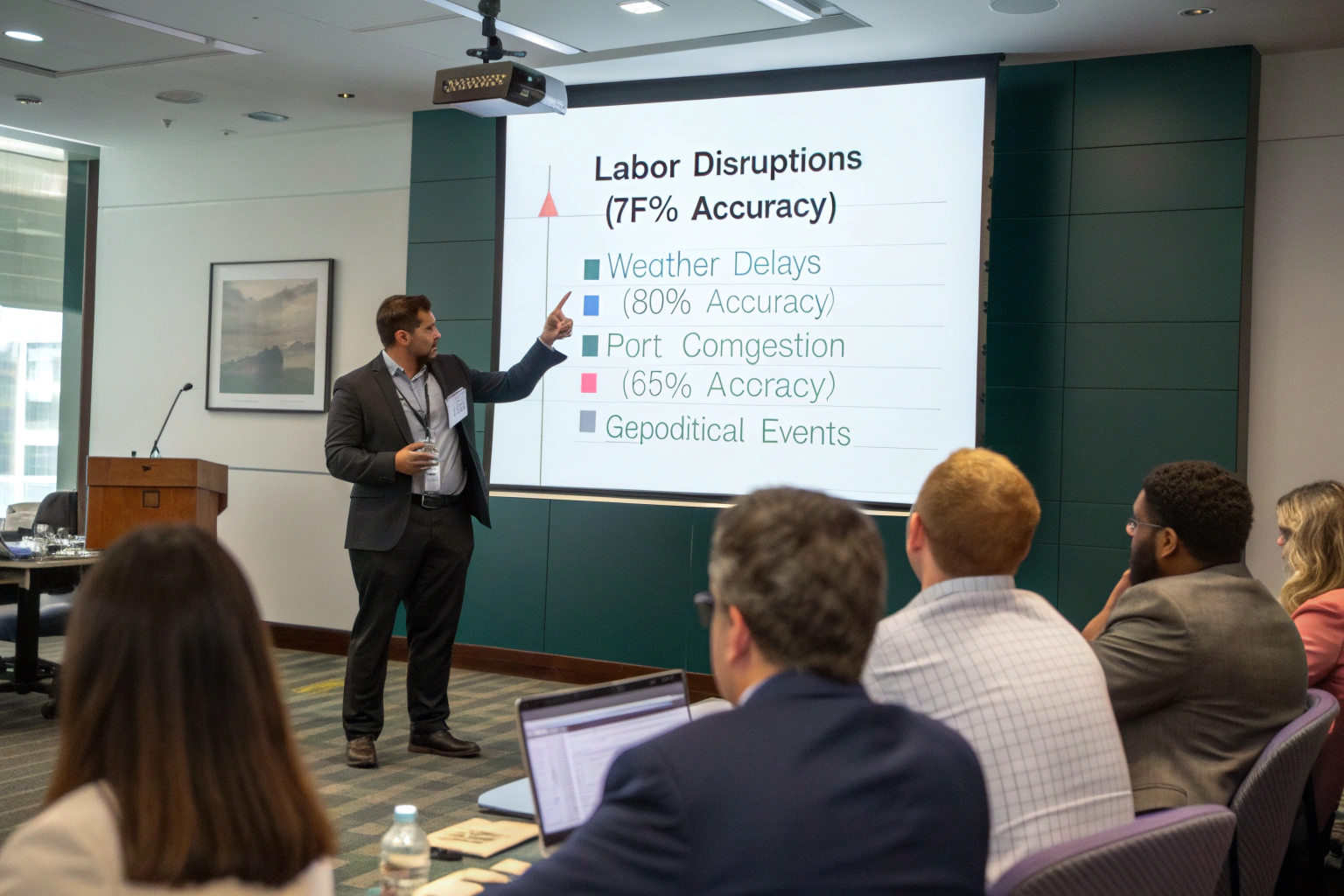
Social media can predict certain shipping problems with 60-85% accuracy when analyzing specific data sources including carrier communications, port worker activity, weather services, and geopolitical developments. The most predictable issues include labor disruptions (75% accuracy), weather delays (80% accuracy), port congestion (65% accuracy), and geopolitical events (70% accuracy).
While social media cannot predict mechanical failures or random accidents, it provides unprecedented visibility into developing situations that traditional monitoring systems miss. The most successful companies integrate social listening into their risk management frameworks rather than treating it as an experimental add-on.
What Types of Shipping Problems Can Social Media Predict?
Social media signals different problems through distinct patterns across various platforms and sources.
How Can Labor Disruptions Be Detected Early?
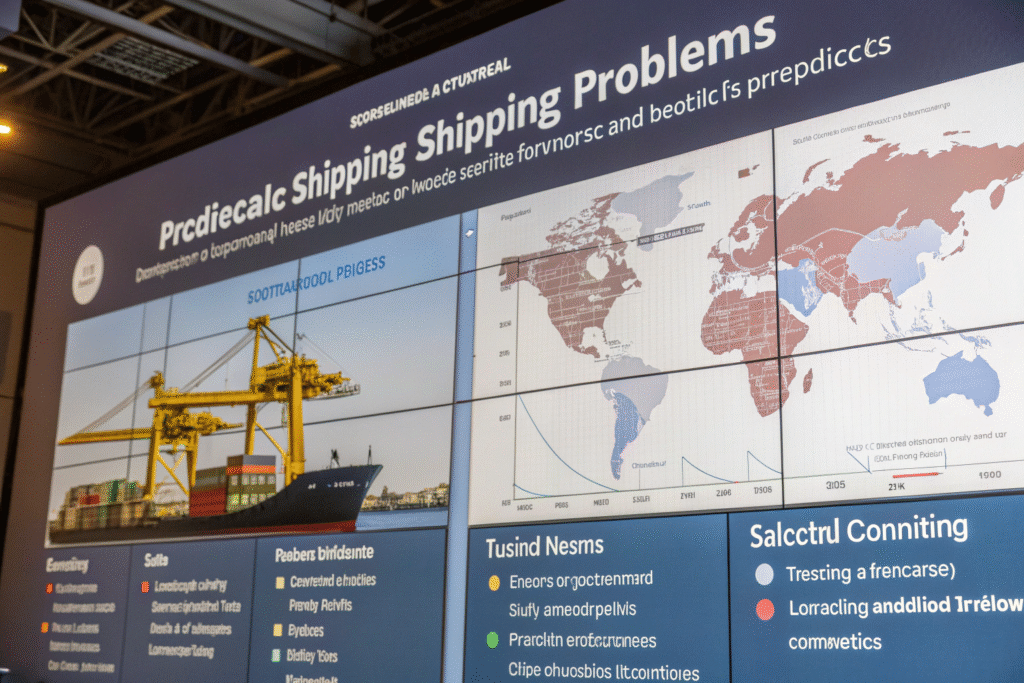
Union social media activity provides 5-10 day warning of potential strikes. Labor organizations often use social media to mobilize members before formal announcements, with increased post frequency, specific hashtags, and member engagement spikes indicating rising tensions.
Port worker forums and groups reveal operational frustrations. Anonymous employee discussions in specialized Facebook groups or forums often mention working conditions, grievances, or planned actions weeks before official channels acknowledge issues.
Carrier employee networks share operational challenges. LinkedIn groups and industry-specific platforms where shipping line employees connect often contain early discussions of staffing issues or operational changes.
What Weather Patterns Are Detectable Through Social Media?
Regional weather services provide localized impact assessments. While major weather events are well-tracked, local meteorological services on Twitter often provide specific port impact predictions hours before mainstream coverage.
Port authority social accounts share operational status changes. Many port operators use Twitter for real-time operational updates during weather events, including gate closures, vessel movement suspensions, and equipment securing requirements.
Shipping community reports offer ground-level visibility. Mariners, truckers, and logistics professionals sharing real-time conditions on platforms like Twitter and specialized apps provide immediate situation awareness beyond official forecasts.
Which Social Media Platforms Provide the Most Valuable Signals?
Different platforms serve different prediction purposes based on their user bases and content types.
Why Is Twitter Particularly Valuable for Real-Time Information?
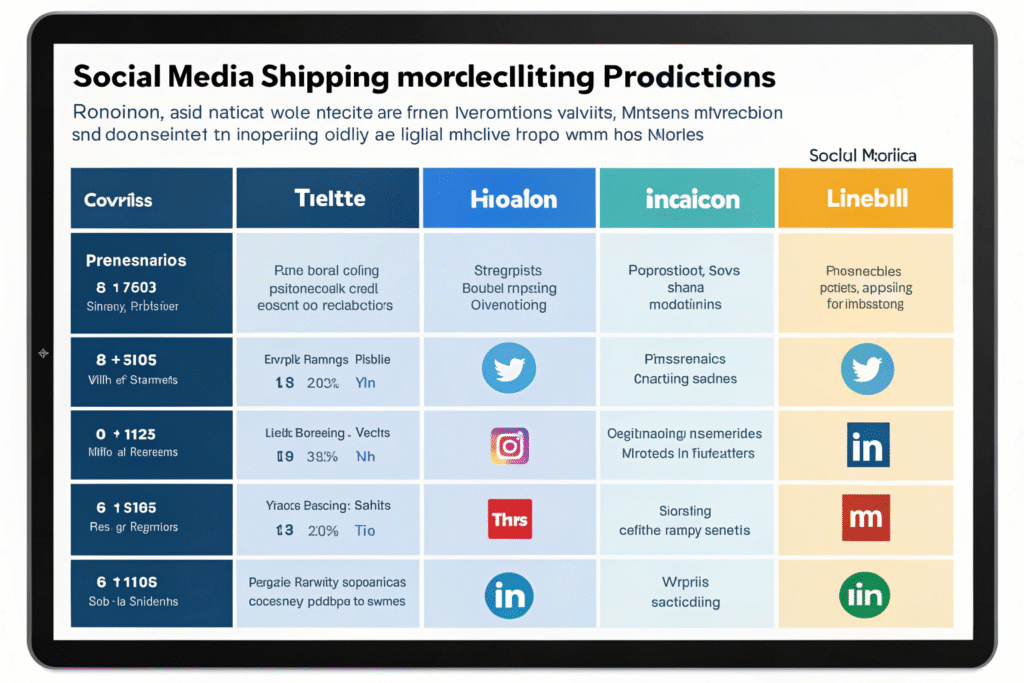
Real-time updates from official sources provide immediate notifications. Port authorities, carriers, and government agencies use Twitter for rapid communication during developing situations, often hours before website updates or official statements.
Geolocated reports offer specific location intelligence. Twitter's location features allow filtering reports by specific ports, terminals, or regions, providing targeted situation awareness.
Hashtag tracking enables trend identification. Monitoring industry-specific hashtags (#portcongestion, #supplychain, specific port codes) reveals emerging patterns and concentrated discussions.
How Do Professional Networks Like LinkedIn Provide Different Insights?
Industry expert analysis offers context and prediction. Logistics professionals, analysts, and consultants often share detailed assessments of developing situations with deeper context than real-time reporting.
Company announcements contain planned operational changes. Carriers, terminals, and logistics providers use LinkedIn for official communications about service changes, schedule adjustments, and operational updates.
Professional group discussions reveal industry sentiment. Private LinkedIn groups for logistics professionals often contain frank discussions about challenges and predictions not shared on public platforms.
What Tools and Techniques Enable Effective Social Listening?
Systematic approaches to social media monitoring transform random observations into predictive intelligence.
What Monitoring Tools Provide the Best Coverage?
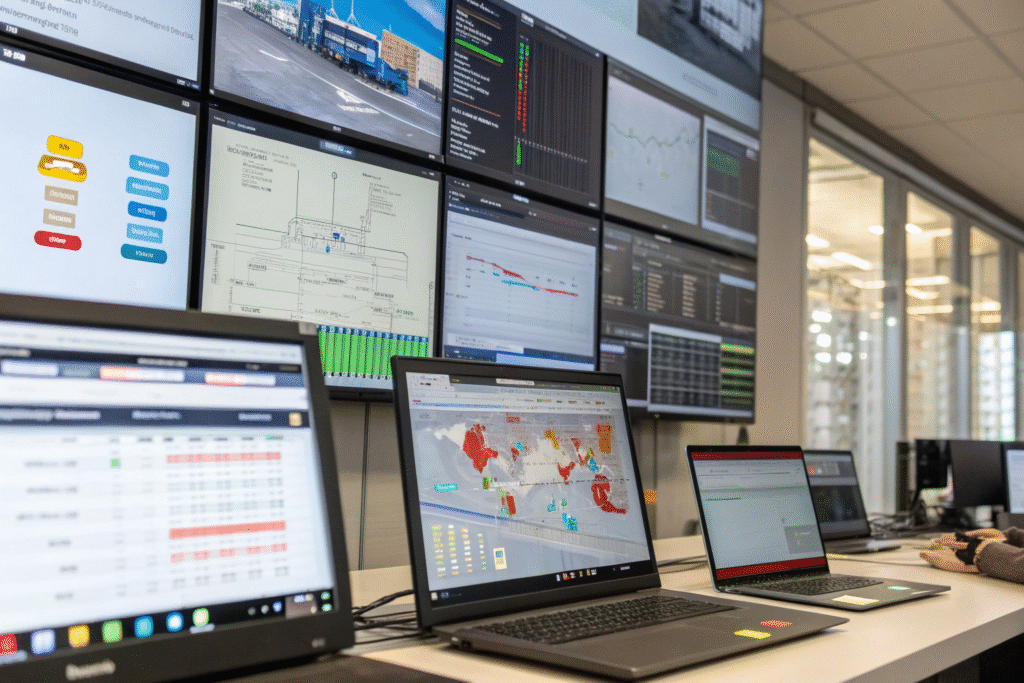
Enterprise social listening platforms offer comprehensive monitoring. Tools like Brandwatch, Sprout Social, and Meltwater allow tracking specific keywords, accounts, and trends across multiple platforms with advanced filtering and analytics.
Custom API integrations enable specialized monitoring. Developing custom solutions using Twitter API, Reddit API, and other platform interfaces allows tailored monitoring specific to logistics intelligence needs.
Mobile alert systems ensure timely notification. Configuring mobile alerts for critical keywords, accounts, or sentiment shifts enables immediate response to developing situations.
What Analysis Techniques Improve Prediction Accuracy?
Sentiment analysis tracks mood changes in specific communities. Measuring sentiment in port community discussions, carrier employee networks, and logistics professional groups can indicate rising frustrations before they manifest as disruptions.
Volume spike detection identifies emerging issues. Sudden increases in discussion volume around specific topics, locations, or companies often precede official announcements of problems.
Network analysis maps influence and information flow. Identifying key influencers in specific logistics communities helps prioritize which sources to monitor most closely for early signals.
How Can You Integrate Social Media Intelligence into Operations?
Translating social insights into operational actions requires structured processes and clear responsibility.
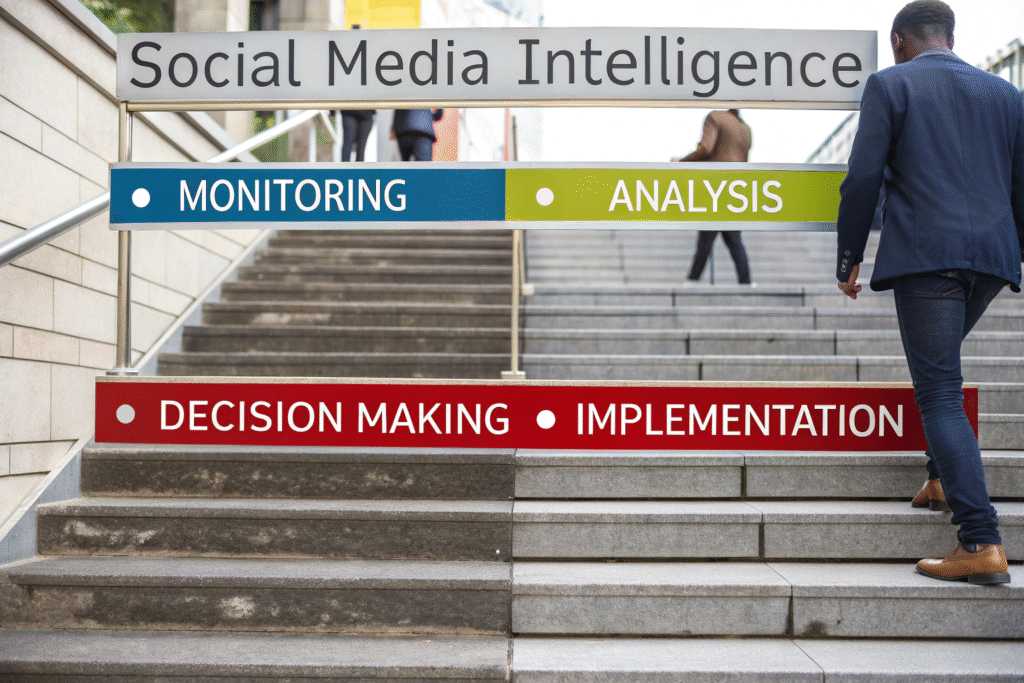
What Operational Responses Can Social Intelligence Trigger?
Proactive rerouting based on disruption predictions. When social signals indicate potential port congestion, labor issues, or weather impacts, companies can reroute shipments 3-7 days before traditional systems detect problems.
Inventory repositioning in anticipation of delays. Social predictions of extended disruptions can trigger inventory movements to alternative distribution centers or safety stock increases.
Carrier and service level adjustments prevent service failures. Early warnings about specific carrier operational issues enable switching to more reliable providers before widespread disruptions occur.
How Should Response Protocols Be Structured?
Alert escalation procedures ensure appropriate response timing. Establishing clear thresholds for when social signals should trigger operational changes prevents both overreaction and delayed response.
Decision authority frameworks define who can authorize changes. Clear guidelines about which signals warrant immediate action versus further verification prevent organizational paralysis during emerging crises.
Response verification processes validate social predictions. Correlating social signals with traditional data sources (AIS tracking, port operations data) improves decision quality and reduces false positives.
What Are the Limitations and Risks of Social Media Prediction?
While valuable, social media intelligence has significant limitations that require careful management.
What Accuracy Limitations Should You Expect?
False positives from rumors and speculation create unnecessary responses. Approximately 20-30% of social signals may indicate problems that don't materialize, requiring verification processes to prevent costly unnecessary actions.
Incomplete coverage misses important developments. Not all relevant discussions occur on monitored platforms or in accessible languages, creating potential blind spots in social monitoring.
Timing variability affects prediction usefulness. Some signals provide days of warning while others offer only hours, requiring different response protocols for different warning timeframes.
What Verification Processes Improve Reliability?
Multi-source correlation strengthens signal confidence. Corroborating social signals across multiple platforms, sources, and traditional data sources improves prediction accuracy significantly.
Historical pattern analysis provides context for current signals. Understanding how similar social patterns preceded past disruptions helps evaluate current signal reliability.
Domain expertise interpretation adds necessary context. Having experienced logistics professionals interpret social signals prevents misinterpretation of industry-specific discussions and terminology.
How Can You Measure Social Media Prediction Effectiveness?
Systematic measurement ensures continuous improvement and justifies ongoing investment in social monitoring.
What Metrics Track Prediction Accuracy?
Prediction-to-event timing measures warning usefulness. Tracking how far in advance social signals predicted actual disruptions helps optimize response timing and preparation.
False positive rates indicate monitoring precision. Measuring how often predicted disruptions failed to materialize helps refine monitoring criteria and verification processes.
Signal-to-noise ratio evaluates monitoring efficiency. Assessing the percentage of relevant signals versus irrelevant information helps optimize keyword selection and source prioritization.
How Do You Calculate Return on Investment?
Disruption avoidance savings justify monitoring costs. Calculating the costs avoided through early detection and response to disruptions demonstrates clear financial value.
Operational efficiency improvements provide additional benefits. Measuring reductions in emergency expediting, last-minute changes, and disruption management efforts shows comprehensive value.
Customer service impact demonstrates competitive advantage. Tracking improvements in on-time delivery and customer satisfaction resulting from better disruption prediction shows strategic value beyond cost savings.
Conclusion
Social media can significantly enhance shipping problem prediction when integrated systematically into supply chain risk management. While not replacing traditional monitoring systems, social intelligence provides unique early warnings of developing situations that conventional methods miss. The most successful implementations balance technological capability with human expertise, creating hybrid systems that leverage both data-driven signals and experienced interpretation.
At GeeseCargo, we've helped clients reduce disruption impacts by 35-50% through strategic social media monitoring integrated with traditional supply chain visibility tools. The most effective approaches begin with focused monitoring of highest-impact risk areas, then gradually expand coverage as capabilities mature and value is demonstrated.
Begin your social media prediction journey by identifying your most vulnerable shipping lanes and highest-impact disruption types, then implement targeted monitoring for those specific scenarios. Remember that social media prediction works best as part of a comprehensive risk management strategy rather than a standalone solution—its true power emerges when correlated with traditional data sources and expert analysis.