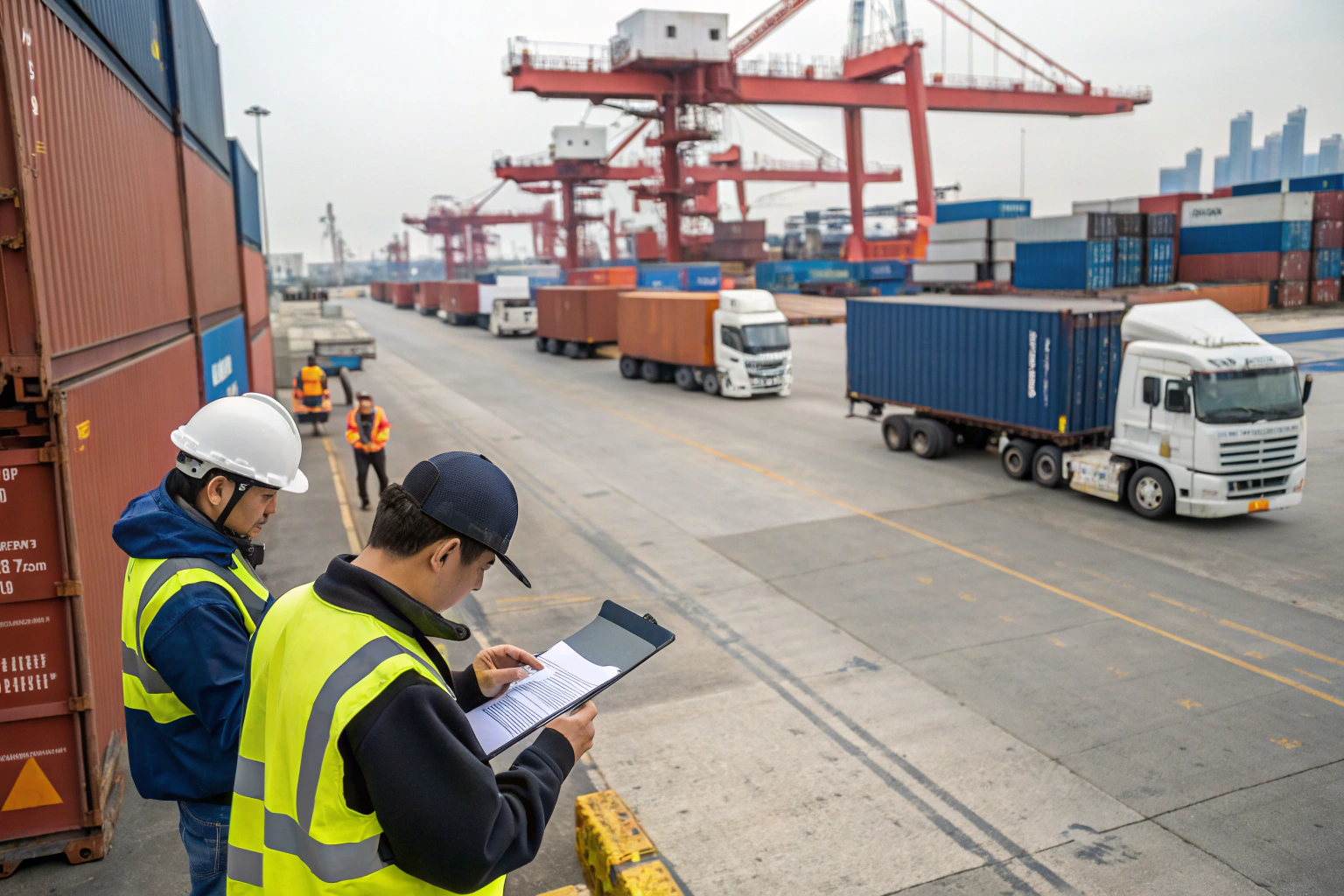
Exporting goods is an opportunity for business growth, but it also comes with challenges. Complex documentation, compliance requirements, and coordination with multiple carriers can slow down the process and increase costs. For companies like Ron’s in the U.S., who import from China but may also export to global markets, efficiency in export logistics is crucial.
The good news is that freight forwarders streamline export processes. With their expertise, technology, and global networks, they simplify paperwork, speed up customs clearance, and coordinate transportation from factory to destination.
In this article, I will explain how freight forwarders make exports smoother, faster, and more cost-effective.
What Makes Exporting Complicated?
Exporting requires strict compliance with international trade laws and logistics standards.
The complications usually come from export documentation, customs regulations, and transportation coordination.
Why Is Export Documentation Difficult?
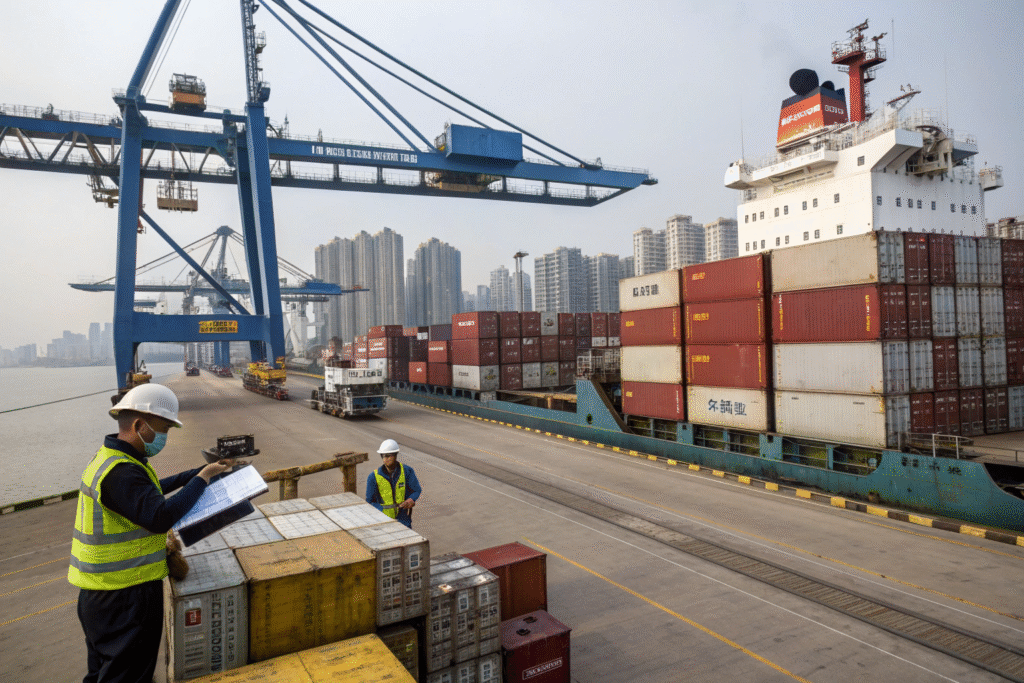
Exporting requires commercial invoices, packing lists, certificates of origin, and bills of lading. According to International Chamber of Commerce (ICC), incorrect documentation is one of the main causes of export delays.
Freight forwarders prepare and verify documents, ensuring accuracy and compliance.
How Do Customs Rules Add Complexity?
Each destination country has unique regulations and tariffs. The World Trade Organization (WTO) notes that changing trade policies create challenges for exporters.
Forwarders keep track of these rules, helping exporters avoid delays and penalties.
How Do Freight Forwarders Simplify Export Logistics?
Freight forwarders manage exports by coordinating with carriers, arranging customs clearance, and optimizing routes.
They ensure goods move smoothly from factories to international buyers.
How Do Forwarders Handle Carrier Coordination?
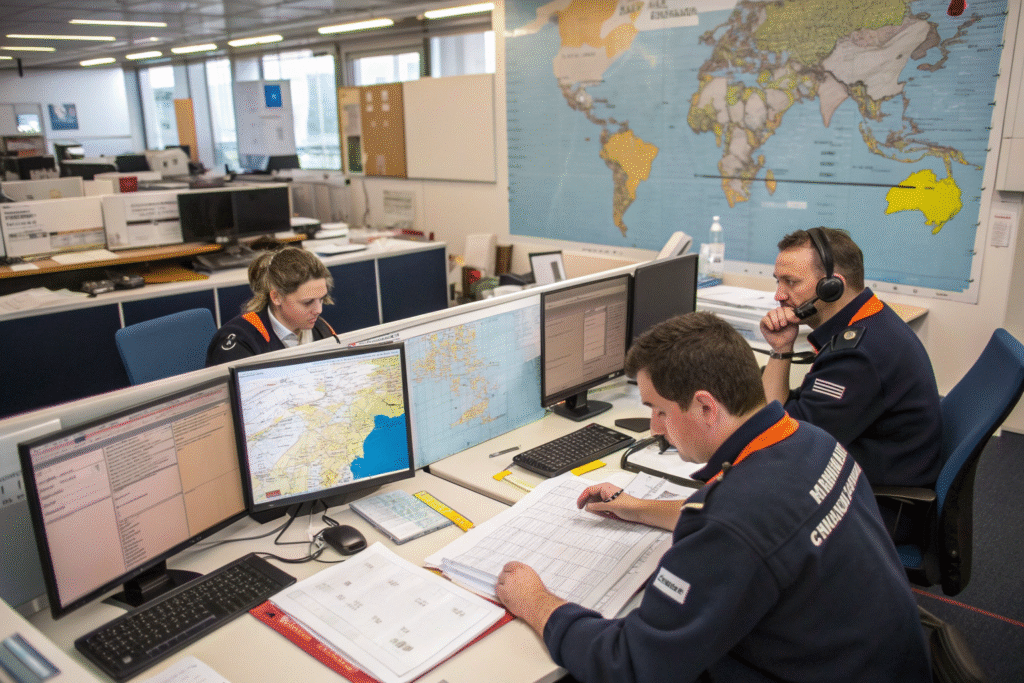
Exporters often struggle to book reliable carriers. Forwarders use their global networks to secure space with trusted shipping lines and airlines. Reports from Journal of Commerce highlight how forwarders secure better rates and faster schedules.
This ensures exporters avoid delays and unpredictable costs.
Why Is Route Optimization Important for Exports?
Choosing the right route impacts delivery time and costs. Platforms like MarineTraffic allow forwarders to track vessels and avoid congested ports.
Forwarders design optimized shipping routes that balance speed, cost, and reliability.
What Services Make Exporting More Efficient?
Beyond paperwork and carrier booking, forwarders offer services that simplify exports further.
These include cargo consolidation, insurance, warehousing, and digital tracking.
How Does Consolidation Support Exporters?
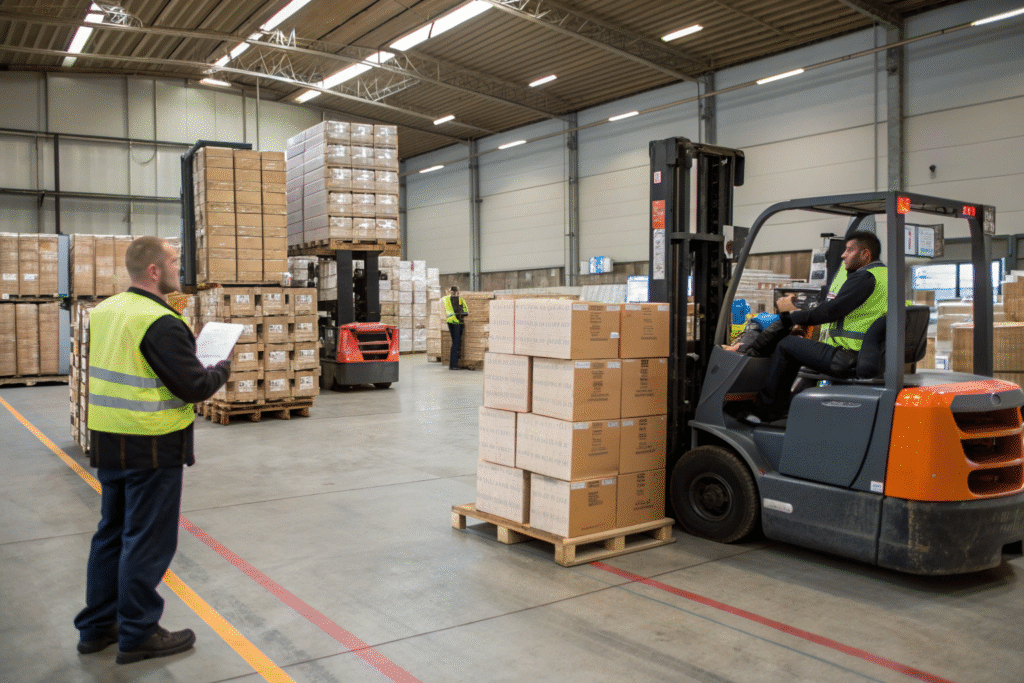
For smaller shipments, forwarders consolidate goods from multiple exporters into one container. Platforms like Flexport confirm that consolidation reduces costs and increases efficiency.
This allows exporters to ship globally without paying for unused space.
Why Is Cargo Insurance Necessary?
Exporting involves risks such as damage or loss. Forwarders arrange insurance with providers like Allianz Trade to protect shipments financially.
This security helps exporters avoid financial losses from unforeseen events.
Why Are Freight Forwarders Essential for Export Success?
Export processes are too complex for businesses to manage alone.
Freight forwarders provide the expertise, technology, and global networks that exporters need to succeed.
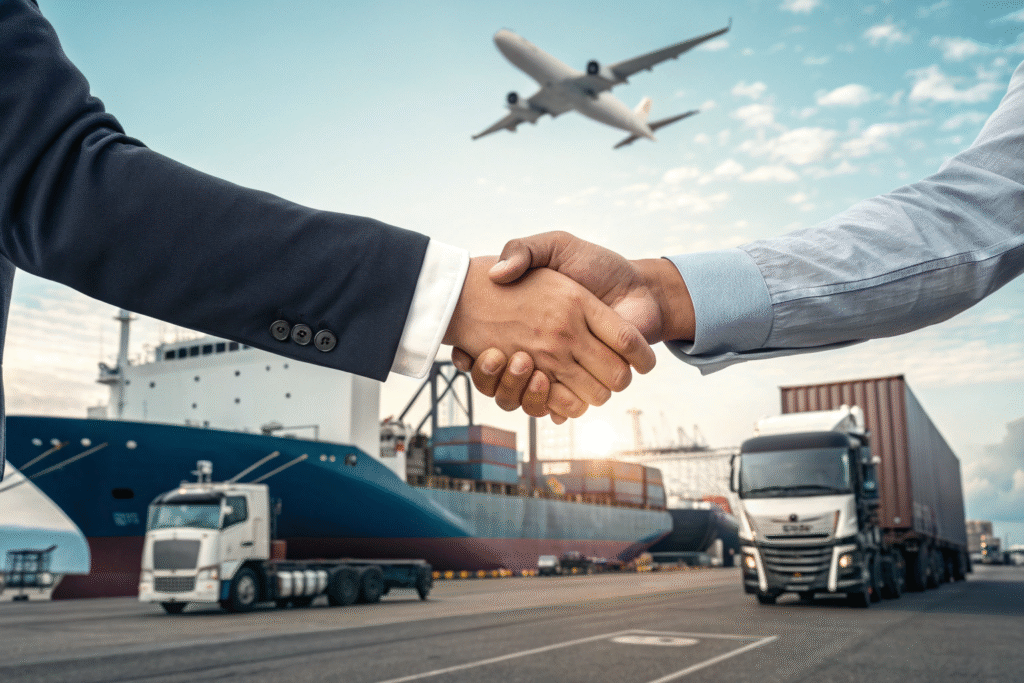
How Do Forwarders Save Exporters Time and Money?
By handling documentation, clearance, and carrier negotiations, forwarders reduce delays and costs. According to DHL Supply Chain, outsourcing exports to forwarders increases operational efficiency.
For Ron and other business owners, this means predictable logistics and more focus on sales.
Why Does Experience Matter in Export Management?
Experienced forwarders understand international trade regulations and have strong industry contacts. At GeeseCargo, our years of handling exports across Asia, Europe, and America give clients confidence in smooth shipments.
That’s why exporters trust us as their reliable freight forwarding partner.
Conclusion
Exporting goods requires precision, compliance, and strong logistics support. Without expertise, exporters risk delays, penalties, and high costs.
Freight forwarders streamline exports by managing documentation, optimizing routes, consolidating cargo, and arranging insurance. For businesses shipping globally, forwarders like GeeseCargo ensure faster, safer, and more efficient exports.
Freight forwarders don’t just manage exports—they simplify success in global trade.