When I speak with clients like Ron, one of the biggest challenges they face in international trade is export documentation. Many business owners underestimate how complex it is to prepare invoices, packing lists, and customs declarations correctly. One mistake can hold up goods for weeks at the port.
Freight forwarders can simplify export documentation by preparing, verifying, and submitting all required forms accurately and on time. With expert support, businesses avoid delays, fines, and compliance risks.
That is why I want to explain how we simplify export paperwork, why it matters, and how outsourcing it to forwarders keeps the supply chain running smoothly.
Why Is Export Documentation So Complicated?
Export documentation involves multiple forms, each required by different authorities and carriers. Businesses often struggle because regulations vary by country and product type.
Export documentation is complicated because it requires accuracy, compliance with multiple regulations, and timely submission.
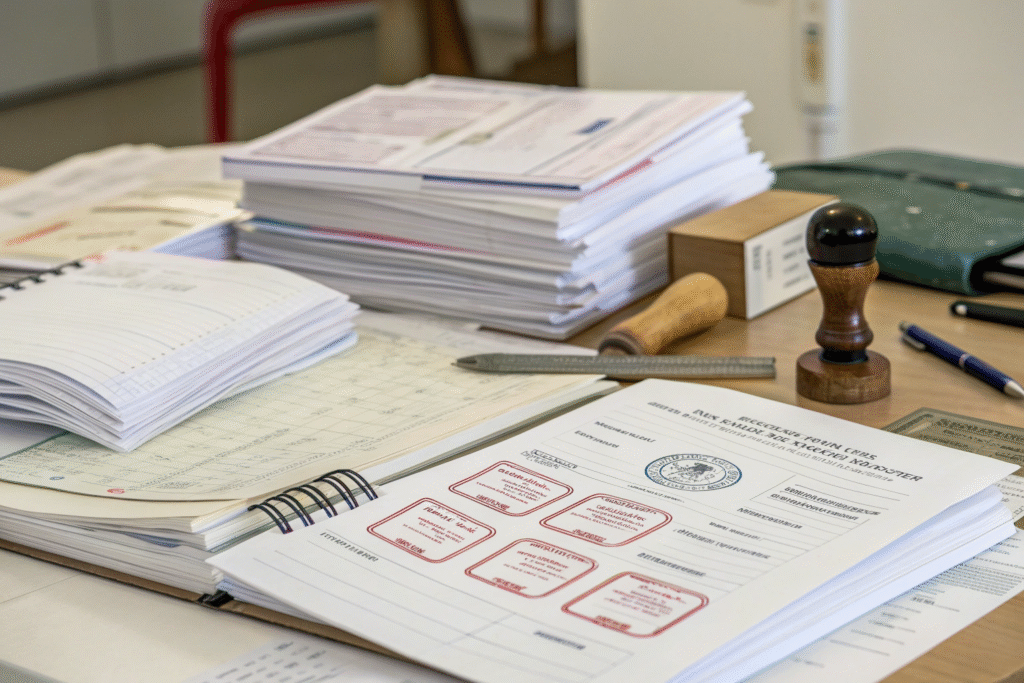
What types of documents are required for exports?
Common documents include the commercial invoice, packing list, bill of lading, and certificates of origin. According to the International Trade Administration, incorrect paperwork is one of the top causes of shipping delays. Without proper documents, cargo may not even leave the port.
Why do small mistakes cause big problems?
Even a small error, like a wrong HS code, can cause customs rejections. U.S. Customs and Border Protection stresses that compliance errors can lead to fines or shipment seizure. I’ve seen clients lose weeks of sales because their previous forwarder missed a detail in the invoice.
How Do Freight Forwarders Simplify the Process?
Freight forwarders take responsibility for preparing and managing all export documents. We act as the link between exporters, carriers, and customs authorities.
Forwarders simplify documentation by preparing accurate forms, checking compliance, and submitting them electronically to reduce delays.

Do forwarders handle all types of documents?
Yes. At GeeseCargo, we prepare commercial invoices, bills of lading, export declarations, and special certificates when required. Platforms like CargoWise streamline this process. Clients only provide shipment details, and we handle the rest.
How do forwarders reduce delays?
We verify every document against customs requirements before submission. According to FIATA, pre-checking paperwork prevents 80% of common shipping delays. My team always double-checks forms so goods move through smoothly.
What Role Does Technology Play in Documentation?
Digital platforms have transformed how export documents are managed. Instead of relying only on manual checks, technology reduces human error and speeds up processing.
Technology simplifies documentation by automating data entry, verifying accuracy, and sending electronic filings directly to customs.
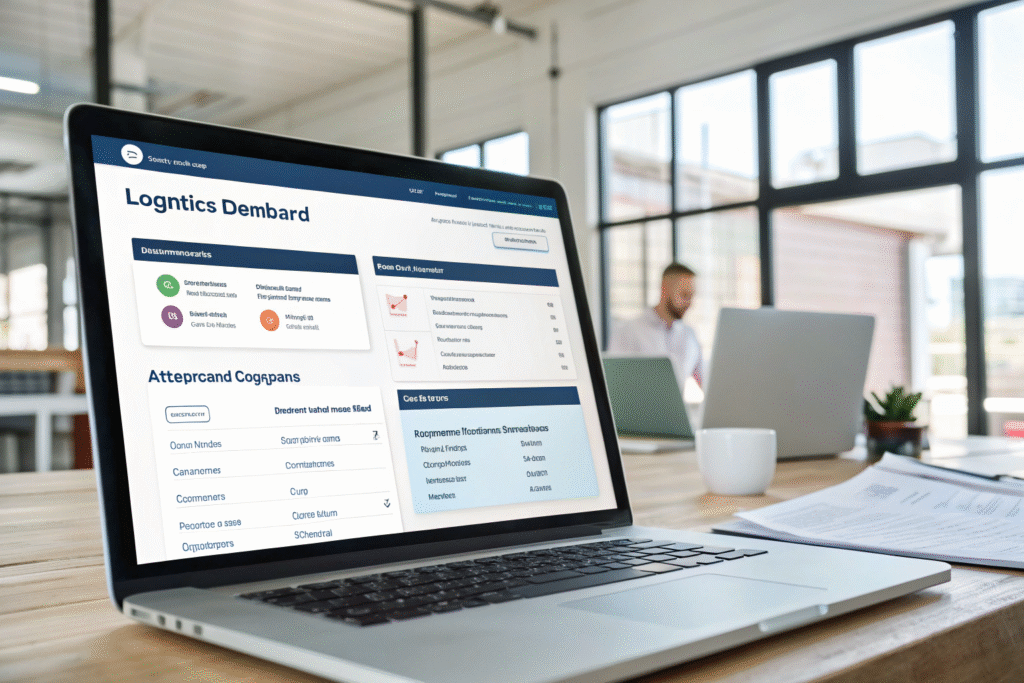
How does automation improve accuracy?
Automation reduces human errors in forms. Descartes explains that electronic customs filing systems catch mistakes before submission. With automation, my clients avoid costly rejections.
Can digital platforms save time?
Yes. Tools like Project44 centralize shipment and document data, allowing exporters to track clearance status in real time. At GeeseCargo, we use digital platforms so clients know their documents are correct and submitted on time.
Why Should Businesses Outsource Documentation to Forwarders?
Businesses that manage export documents in-house often face hidden risks. Outsourcing saves time and ensures compliance with international trade rules.
Outsourcing documentation to forwarders reduces risks, saves resources, and improves shipping efficiency.
How does outsourcing save business resources?
Instead of hiring full-time staff for export paperwork, companies can rely on forwarders. McKinsey reports that outsourcing logistics reduces overhead costs and improves efficiency. My clients save money by letting us handle their documentation.
Why is expertise important in export paperwork?
Experienced forwarders understand global regulations and trade agreements. International Chamber of Commerce explains that correct documentation is essential for compliance. At GeeseCargo, we use our expertise to ensure every document is accurate and accepted.
Conclusion
Export documentation is one of the most complicated parts of international trade, but it doesn’t have to be. With the help of experienced freight forwarders, businesses can simplify the process, avoid costly mistakes, and ship goods with confidence.
For clients like Ron, outsourcing documentation means smoother customs clearance, faster shipments, and less stress. At GeeseCargo, I take pride in helping businesses succeed by making export paperwork simple and reliable.