
Running an import business is rewarding, but scaling it can be overwhelming without the right partners. Many business owners struggle with logistics, customs clearance, and delivery timelines, all of which become more complex as the business grows.
Freight forwarders can help you scale your import business by managing logistics, optimizing shipping costs, and ensuring regulatory compliance. Their expertise allows you to focus on growth instead of operational headaches.
As someone with years of experience handling international freight, I have seen how the right freight forwarder transforms a company’s ability to expand into new markets. Let’s explore how they can support your growth.
Efficient Logistics Management for Growing Imports
Scaling an import business means handling larger and more complex shipments. Logistics can quickly become chaotic without proper systems in place.
Freight forwarders streamline logistics by planning routes, consolidating shipments, and ensuring that cargo moves efficiently across borders. This efficiency is critical for growth.

How do freight forwarders simplify shipping logistics?
Freight forwarders connect importers to global carriers by negotiating with airlines, shipping lines, and trucking companies. Many use digital platforms like Freightos to optimize shipping routes. By consolidating shipments, they lower costs and reduce delivery times, which is crucial when volumes grow.
Why is logistics efficiency key to scaling?
When logistics run smoothly, companies can expand confidently. Organizations such as World Trade Organization note that efficient logistics directly improves trade competitiveness. Delays or inefficiencies, on the other hand, can stop growth before it even begins.
Cost Optimization and Transparent Pricing
One of the biggest challenges in scaling imports is controlling costs. Hidden fees and unpredictable charges can destroy profit margins.
Freight forwarders help importers optimize costs by negotiating better rates, consolidating shipments, and providing transparent pricing structures.

How can freight forwarders reduce shipping costs?
Forwarders use their long-term relationships with carriers to negotiate competitive rates. Platforms like Xeneta provide market benchmarks that forwarders use to ensure clients get fair prices. Consolidating smaller shipments into full container loads also saves significant costs.
Why is transparency in pricing important?
Transparent contracts prevent disputes and budget shocks. Industry leaders such as FIATA encourage clear breakdowns of costs, including surcharges, terminal handling fees, and insurance. Businesses that understand all costs upfront can plan growth more effectively.
Navigating Customs and Regulatory Challenges
Customs is often the most difficult part of scaling an import business. The bigger the shipments, the more likely they will face regulatory scrutiny.
Freight forwarders guide importers through customs by preparing documentation, ensuring compliance, and preventing delays. Their knowledge of regulations helps businesses expand smoothly.
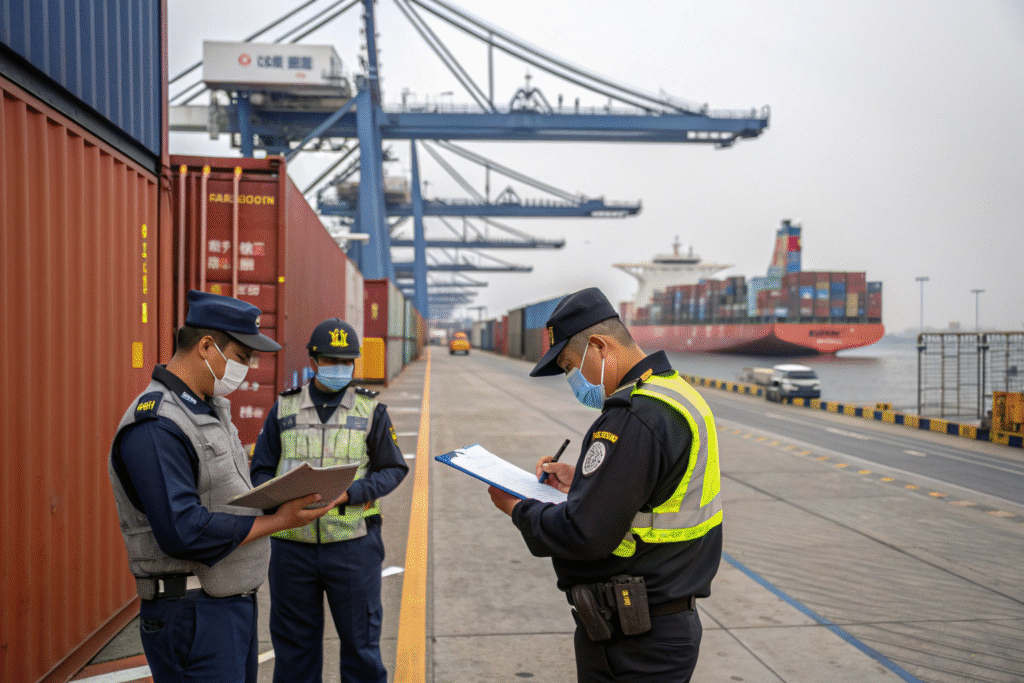
How do freight forwarders handle customs compliance?
Forwarders keep track of changing regulations by working with agencies like U.S. Customs and Border Protection. They prepare accurate invoices, certificates, and import permits to minimize inspection delays. Without professional support, businesses risk fines or seizures.
Why does regulatory expertise matter for scaling?
Scaling means entering more markets, each with its own import rules. Resources like the European Commission Trade Portal show how complex regulations can be. A skilled forwarder ensures smooth entry into multiple markets, which is essential for growth.
Supporting Long-Term Business Expansion
Freight forwarders are not just logistics providers; they are strategic partners who support long-term expansion.
By offering consistent service, reliable delivery, and flexible solutions, freight forwarders enable import businesses to scale without worrying about logistics bottlenecks.

How do freight forwarders support long-term growth?
They provide scalable solutions, whether it’s adding more shipping routes, expanding warehouse space, or integrating digital tracking tools. Many forwarders follow best practices recommended by Council of Supply Chain Management Professionals (CSCMP) to adapt logistics strategies as businesses grow.
Why are forwarders strategic partners, not just service providers?
A good freight forwarder works as an extension of your business. They anticipate risks, suggest cost-saving measures, and ensure that supply chains remain stable even in uncertain times. By doing so, they become partners in expansion rather than just vendors.
Conclusion
Scaling an import business requires more than just sourcing products. It demands reliable logistics, cost control, customs expertise, and long-term planning. Freight forwarders play a central role in all these areas. With their support, businesses can expand into new markets confidently, control expenses, and build a strong global presence.