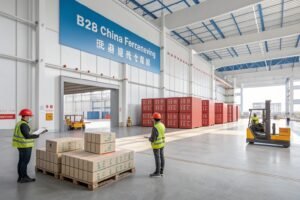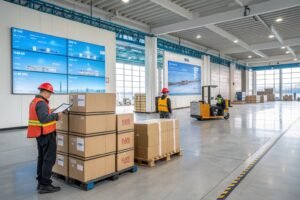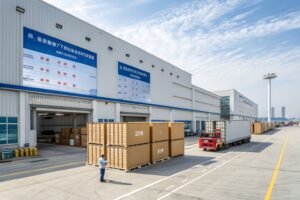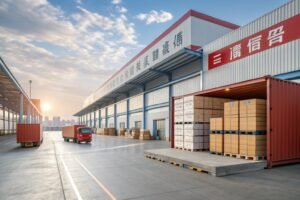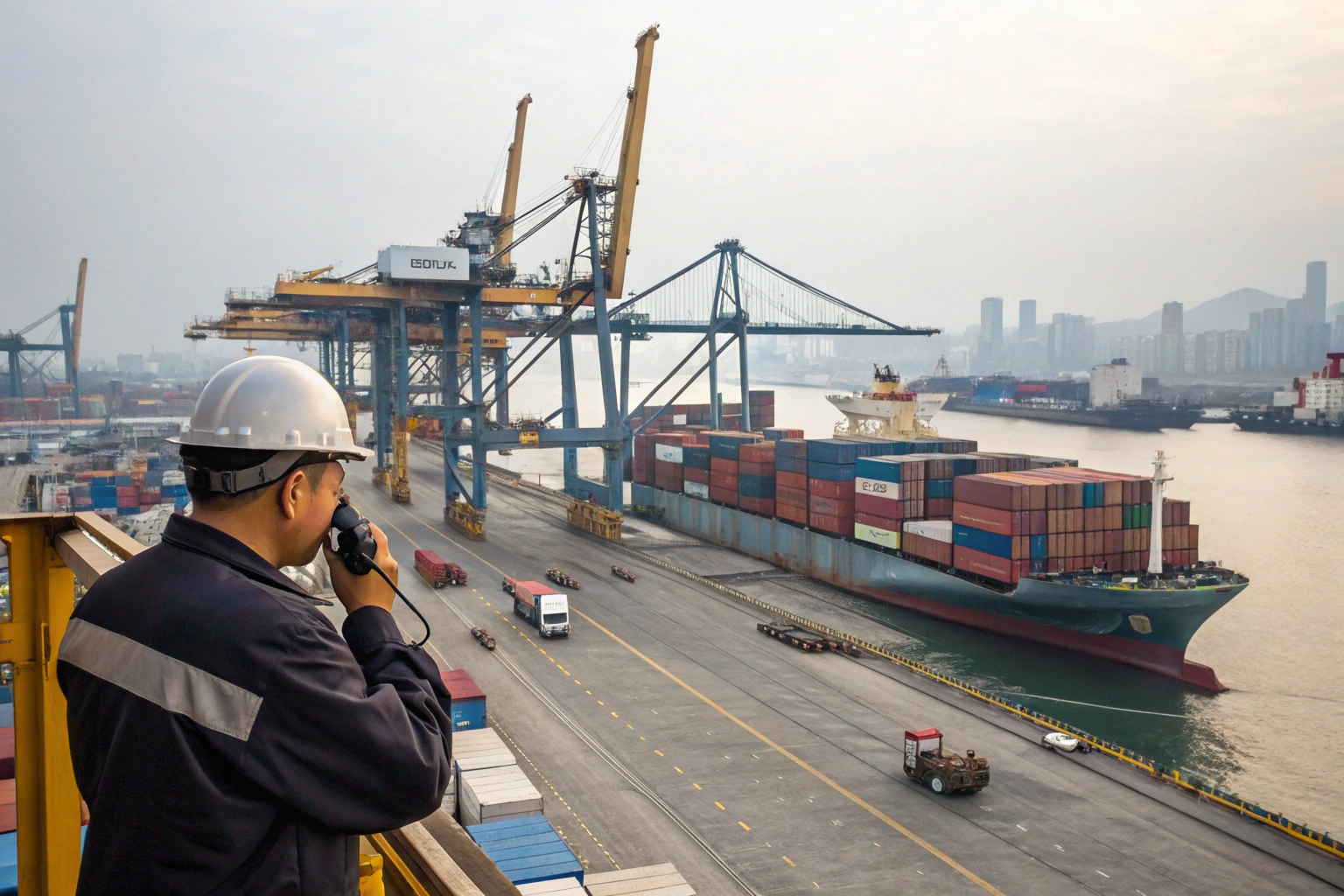
When businesses like Ron’s in the U.S. depend on large volumes of goods arriving from China, urgent shipping isn’t just an air freight issue. Sometimes ocean shipments—due to size or cost—must still move fast. The challenge? Ocean freight isn’t known for speed. But that’s exactly where experienced freight forwarders like us come in.
Yes, freight forwarders can handle urgent ocean shipments by leveraging express services, premium space bookings, port prioritization, and real-time coordination—delivering fast ocean logistics when air freight isn’t an option.
Let me show you how we do it—successfully, repeatedly, and across major Chinese ports.
What Are Express Ocean Freight Services?
Not all ocean freight moves slowly. Many carriers now offer express services designed for time-sensitive shipments—especially those that can’t justify the high cost of air.
Freight forwarders book express services that reduce overall ocean transit time by using faster routes, fewer transshipments, and priority berthing.
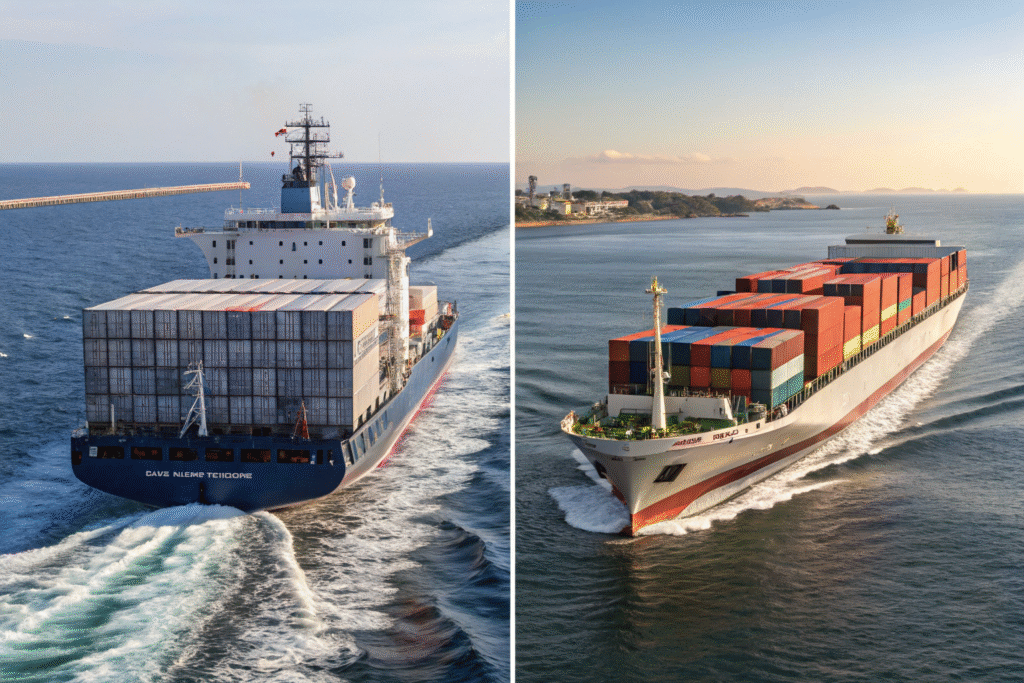
What Is the Difference Between Express and Standard Ocean Shipping?
Express ocean shipping often uses direct routes or bypasses secondary ports. Transit time can be cut by 3–7 days. For instance, ZIM’s eZEX offers expedited Asia–US West Coast services with fewer stops and guaranteed berthing.
As freight forwarders, we access these services at negotiated rates and ensure your goods are loaded with high priority.
Can LCL Shipments Be Urgent Too?
Yes, urgent Less-than-Container Load (LCL) shipments can be consolidated into express groupage services. Platforms like Shipco and Cargo Services Group help us secure space on fast sailings, even for partial loads.
With tight coordination, LCL doesn’t have to mean slow. We group your urgent freight with compatible cargos, cutting delays at both ends.
How Do Freight Forwarders Prioritize Port Handling?
Speed isn’t just about time on the water—it’s also about how quickly your cargo gets in and out of the port. That’s where forwarders shine.
We fast-track urgent containers through loading, berthing, customs, and drayage by coordinating with port operators and customs authorities before the vessel even arrives.
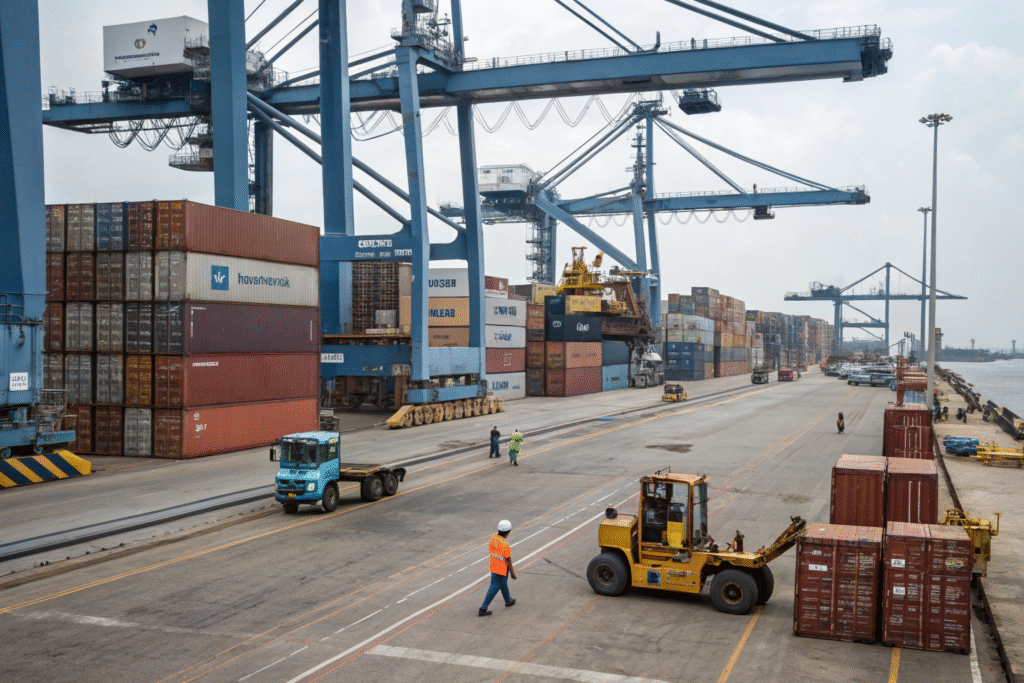
How Do Forwarders Speed Up Loading and Unloading?
We pre-book with container terminals to reserve loading windows, especially in Shenzhen, Ningbo, and Shanghai. Using systems like INTTRA or Carrier Portals, we sync our schedules with the vessel’s berth time.
Upon arrival in the U.S., we leverage inland port connections and drayage networks to remove containers within hours—not days.
Can Customs Also Be Pre-Cleared for Ocean Shipments?
Absolutely. We work with U.S. CBP’s ACE system to pre-clear entries and use China Single Window for origin-side documentation. This speeds up clearance and eliminates unexpected delays.
We also help Ron secure customs priority lanes, particularly for repeat shipments with identical HS codes and suppliers.
Can Ocean and Rail Be Combined for Faster Inland Delivery?
For inland destinations like Chicago, Dallas, or Kansas City, combining ocean and rail can dramatically reduce total lead time versus all-truck delivery.
Freight forwarders use intermodal rail services to move urgent ocean cargo from coastal ports to inland hubs faster and cheaper than full trucking.
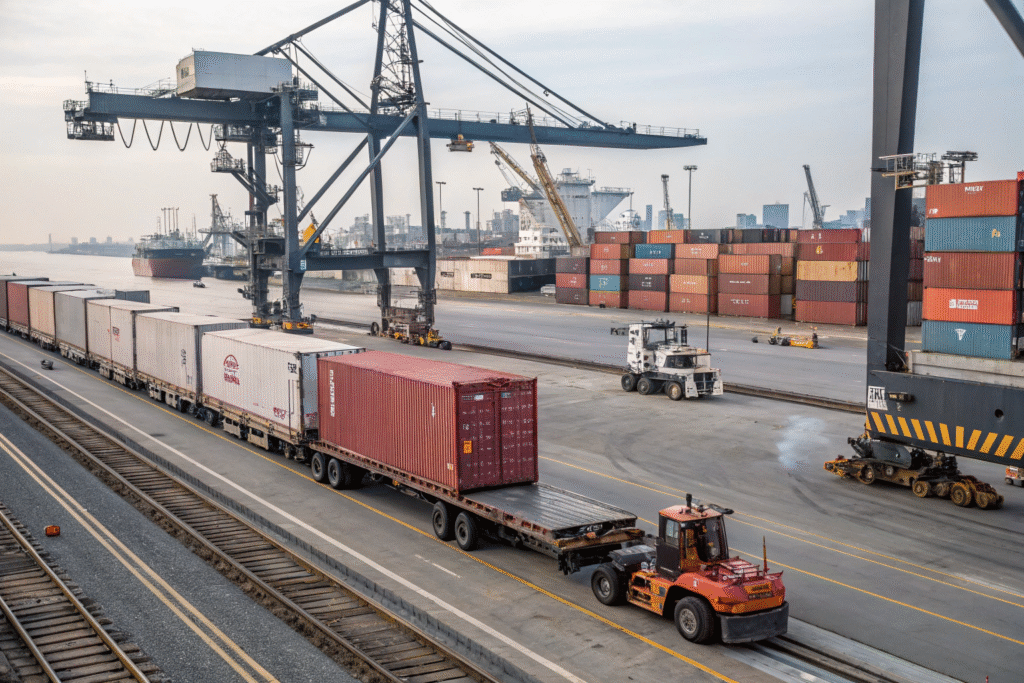
When Does Ocean-Rail Combo Make Sense?
If you’re importing 5+ pallets of seasonal or high-demand goods, ocean+rail saves time and cuts trucking costs. For example, we move Ron’s goods from Los Angeles to Chicago via BNSF rail, which takes just 4–5 days after vessel arrival.
Services like CN’s Intermodal Gateway or Union Pacific’s Fast-Track are designed for this.
How Are Rail Transitions Coordinated?
We schedule port drayage to coincide with rail departures. That means no sitting at terminals. Using Cargowise and rail platforms like Railinc, we track container transfers, manage chassis availability, and avoid bottlenecks at ramps.
This cuts days off total transit time—especially important for retail restocking or pre-sales.
How Do Forwarders Handle Booking During Peak Seasons?
Space shortages and sailing cancellations are common in Q3 and Q4. But urgent ocean shipments can’t wait.
Freight forwarders secure container space weeks in advance and use carrier priority systems to ensure urgent cargo gets loaded during peak demand.
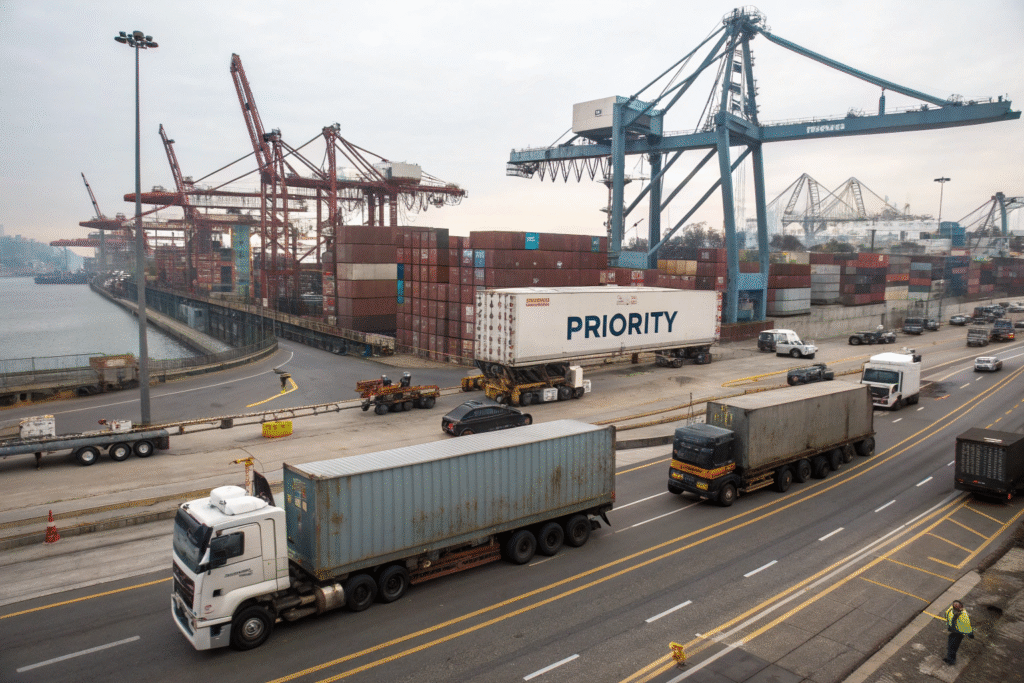
How Do We Guarantee Space on Fully Booked Vessels?
We hold allocation agreements with carriers like CMA CGM and Hapag-Lloyd, giving us consistent access to premium space—even during Golden Week or Black Friday rush.
We also use digital booking tools that monitor slot release dates and capacity thresholds to grab space the moment it becomes available.
What Happens If a Vessel Is Rolled?
We always plan backup sailings. If a carrier rolls a shipment, we transfer your booking to the next departure via carriers like ONE or Evergreen, minimizing impact.
We also communicate directly with port gate-in managers to pull containers before cutoff and ensure vessel cutoff compliance—a common reason for delays if missed.
Conclusion
Ocean freight doesn’t have to mean slow. With express routes, port prioritization, and smart coordination, we help businesses like Ron’s deliver fast—without paying for air.
When urgency meets volume, freight forwarders become essential. We turn standard sailings into high-speed solutions, getting your goods to the U.S. faster, safer, and with full visibility every step of the way.