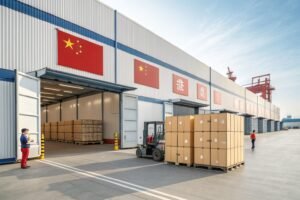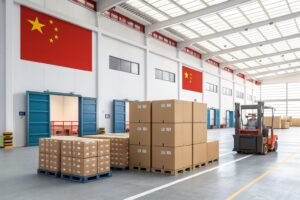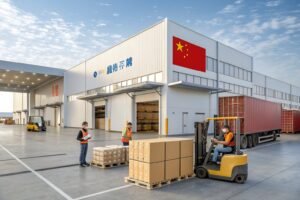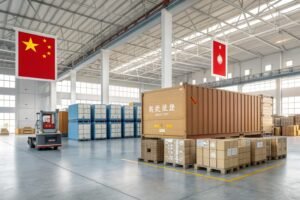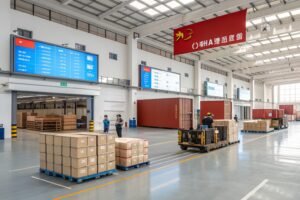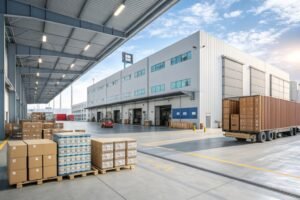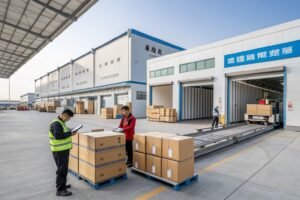
Large volume shipments are the backbone of international trade. For importers like Ron in the U.S., who bring in clothing and accessories from China, handling large shipments effectively is critical for keeping supply chains stable and costs predictable. Yet, managing such volume requires expertise, planning, and global connections.
The good news is that freight forwarders are experts in handling large volume shipments. With their industry relationships, cargo consolidation strategies, and advanced logistics technology, they ensure goods move efficiently across borders.
In this article, I will explain how freight forwarders manage large volumes effectively and why their expertise makes them essential partners for global businesses.
What Challenges Do Large Volume Shipments Face?
Large shipments may seem easier to manage due to scale, but they often come with bigger risks.
The main challenges are port congestion, carrier space allocation, and customs clearance delays.
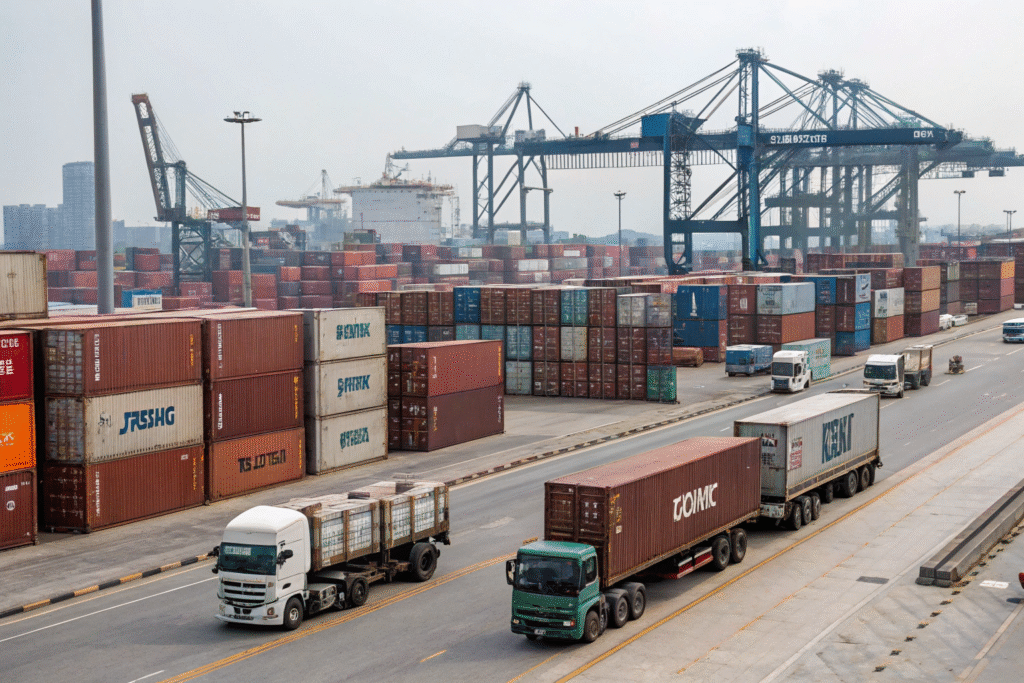
Why Is Port Congestion a Major Risk?
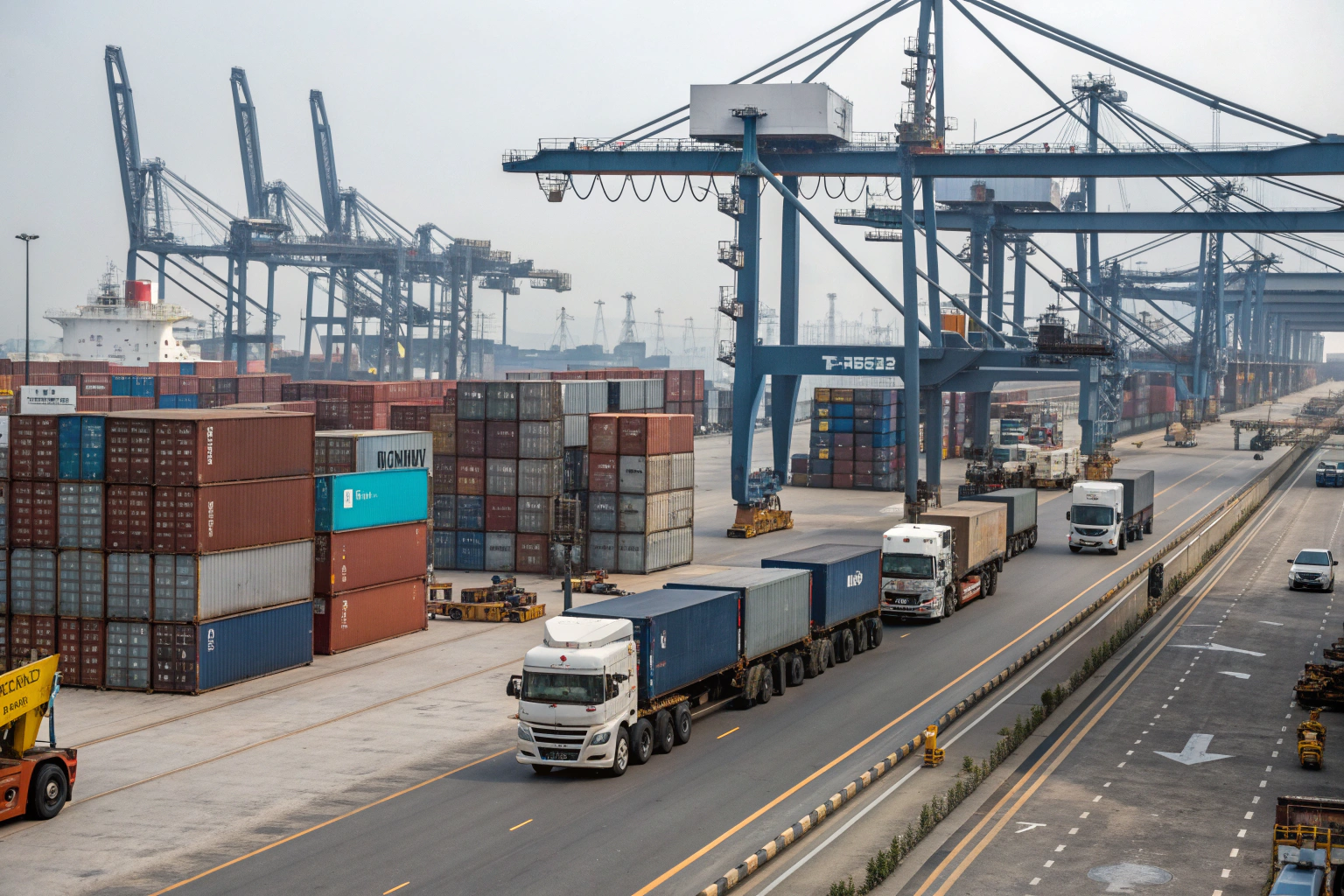
Busy ports often create bottlenecks that delay large shipments. According to MarineTraffic, congestion can extend delivery times by weeks.
Freight forwarders mitigate this by booking space in advance and rerouting shipments through less congested ports.
How Do Carriers Manage Space for Large Shipments?
Carriers prioritize reliable forwarders who book high volumes regularly. The Journal of Commerce highlights that forwarders’ relationships with carriers allow them to secure capacity even during peak seasons.
This ensures large shipments are not left behind due to limited space.
How Do Freight Forwarders Ensure Smooth Handling of Large Volumes?
Freight forwarders simplify large volume shipping with proactive planning and strong industry networks.
They secure carrier contracts, streamline customs clearance, and manage documentation efficiently.
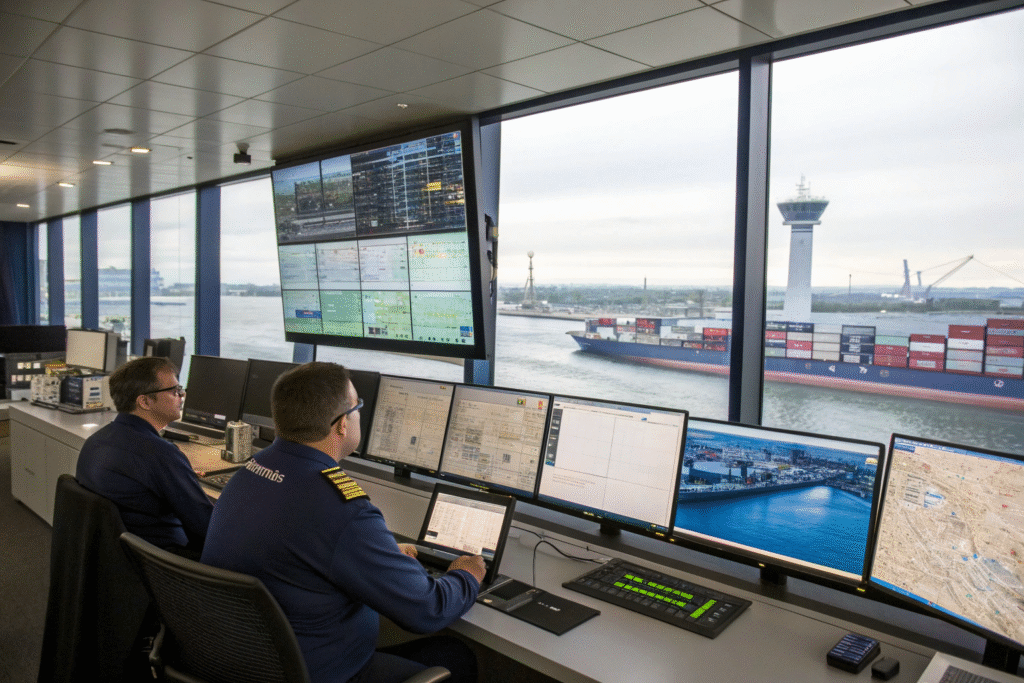
How Do Forwarders Secure Carrier Contracts?
Forwarders negotiate long-term contracts with carriers to guarantee space. According to FIATA, this bulk-buying power reduces costs and ensures reliability for high-volume clients.
This means importers like Ron can depend on consistent space allocation for big shipments.
Why Is Documentation Management Crucial?
Large shipments require multiple documents such as bills of lading, invoices, and customs declarations. Reports from U.S. Customs and Border Protection show that missing or inconsistent paperwork causes delays.
Forwarders manage every document with precision, preventing costly errors.
What Strategies Do Forwarders Use for Efficiency?
Freight forwarders use several strategies to make large shipments cost-effective and reliable.
These include consolidation, route optimization, and technology-based tracking.
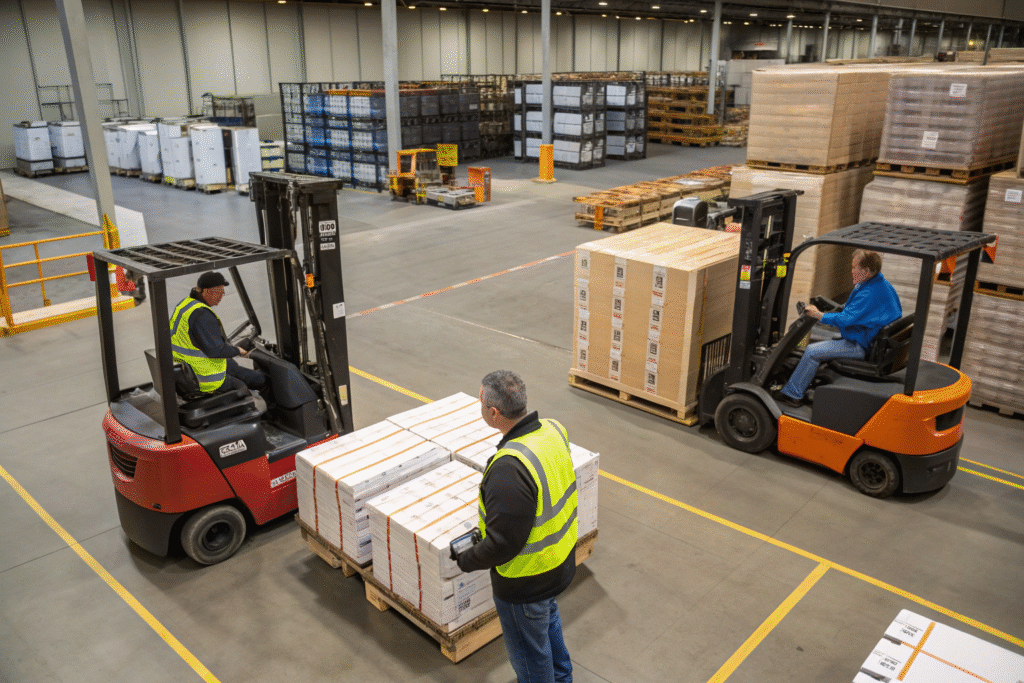
How Does Consolidation Support Large Shipments?
Even with large volumes, forwarders consolidate goods to maximize container space. Platforms like Flexport emphasize consolidation as key to reducing per-unit costs.
This ensures every inch of container space is used effectively.
Why Is Route Optimization Essential?
Large shipments may face delays on crowded routes. Forwarders use tools like Project44 to track congestion and reroute shipments dynamically.
This keeps goods moving efficiently while minimizing risks of delay.
Why Are Freight Forwarders the Best Choice for Large Volume Shipments?
Large volume shipments require both scale and precision.
Freight forwarders provide the expertise, contracts, and technology to ensure large shipments are handled effectively.
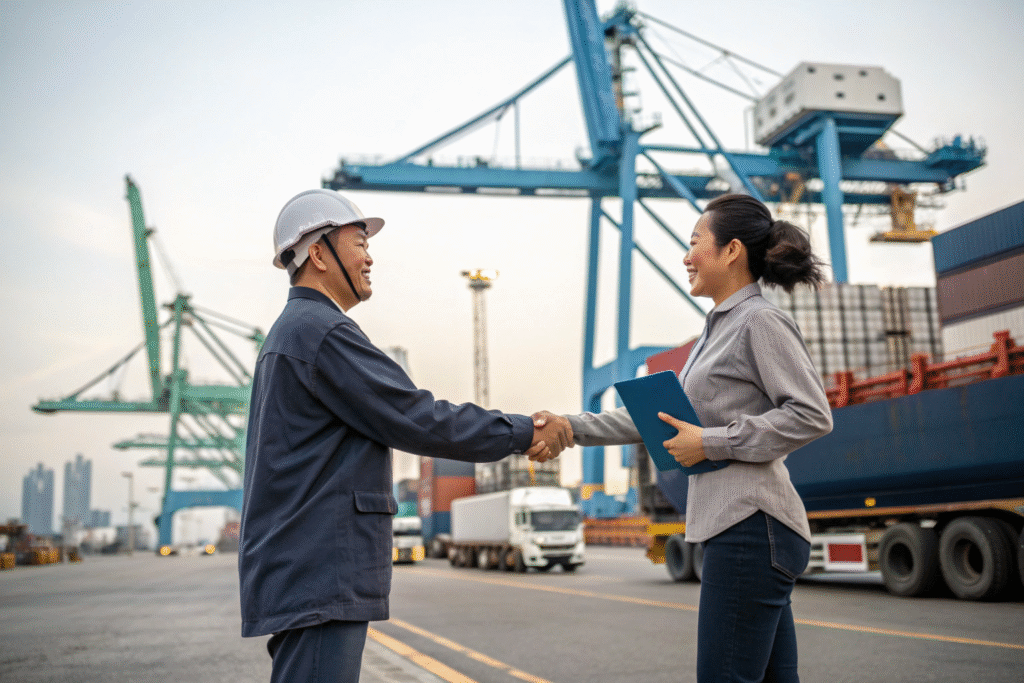
How Do Forwarders Reduce Costs for Big Shipments?
By negotiating carrier discounts, consolidating cargo, and planning efficient routes, forwarders lower costs for importers. Insights from DHL Supply Chain confirm that forwarders improve cost efficiency for bulk logistics.
This allows businesses to ship more goods without overspending.
Why Does Experience Provide Stronger Results?
Experienced forwarders know how to manage the complexity of large shipments. At GeeseCargo, our years of experience handling U.S. and European routes give us the ability to anticipate challenges and solve problems quickly.
That’s why businesses trust us as their reliable freight forwarding partner for large shipments.
Conclusion
Large volume shipments are critical for international trade, but they face risks such as port congestion, carrier capacity shortages, and customs delays. Without expert management, these issues can cause delays and higher costs.
Freight forwarders minimize these risks by securing contracts, optimizing routes, consolidating cargo, and managing documentation. For importers moving goods from China to the U.S., forwarders like GeeseCargo ensure large shipments are delivered smoothly, on time, and cost-effectively.
Freight forwarders don’t just move containers—they manage large shipments with precision and reliability.