
Import tariffs are one of the most challenging parts of international trade. For many businesses, understanding tariff classifications, changing duty rates, and country-specific rules feels overwhelming. Mistakes can lead to unexpected costs, delays, or even legal penalties. As a freight forwarder, I know how easily tariff issues can disrupt supply chains if not handled correctly.
The good news is that freight forwarders are experts at managing complex import tariffs. By classifying goods accurately, monitoring regulatory updates, and coordinating with customs authorities, we ensure shipments move smoothly without unnecessary costs.
For business owners like Ron in the U.S., who import large volumes of clothing and accessories from China, relying on freight forwarders helps them avoid tariff surprises and maintain profit margins.
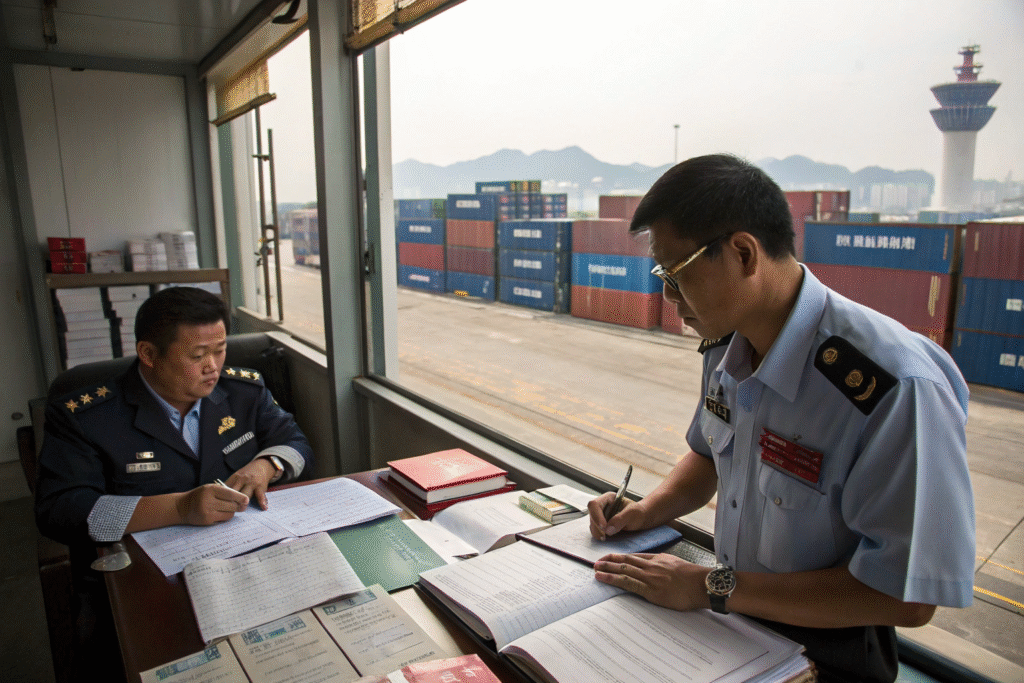
Why Are Import Tariffs So Complicated?
Import tariffs are not just simple taxes—they are structured under complex global systems.
The complications arise from HS codes, changing trade policies, and special tariff programs.
What Role Do HS Codes Play in Tariffs?
The Harmonized System (HS) is a global standard for classifying traded products. A single mistake in HS code classification can change duty rates and increase costs significantly.
Freight forwarders verify HS codes carefully, ensuring each product is categorized correctly to avoid overpayment or penalties.
How Do Trade Policies Increase Complexity?
Tariff rules often change due to trade wars, sanctions, or free trade agreements. The U.S. International Trade Commission frequently updates tariff schedules, creating challenges for importers.
Forwarders monitor these changes and adjust customs strategies to keep clients compliant and cost-efficient.
How Do Freight Forwarders Simplify Tariff Management?
Freight forwarders simplify tariffs by combining technology, documentation accuracy, and customs expertise.
They ensure compliance, prevent unnecessary costs, and resolve disputes quickly.
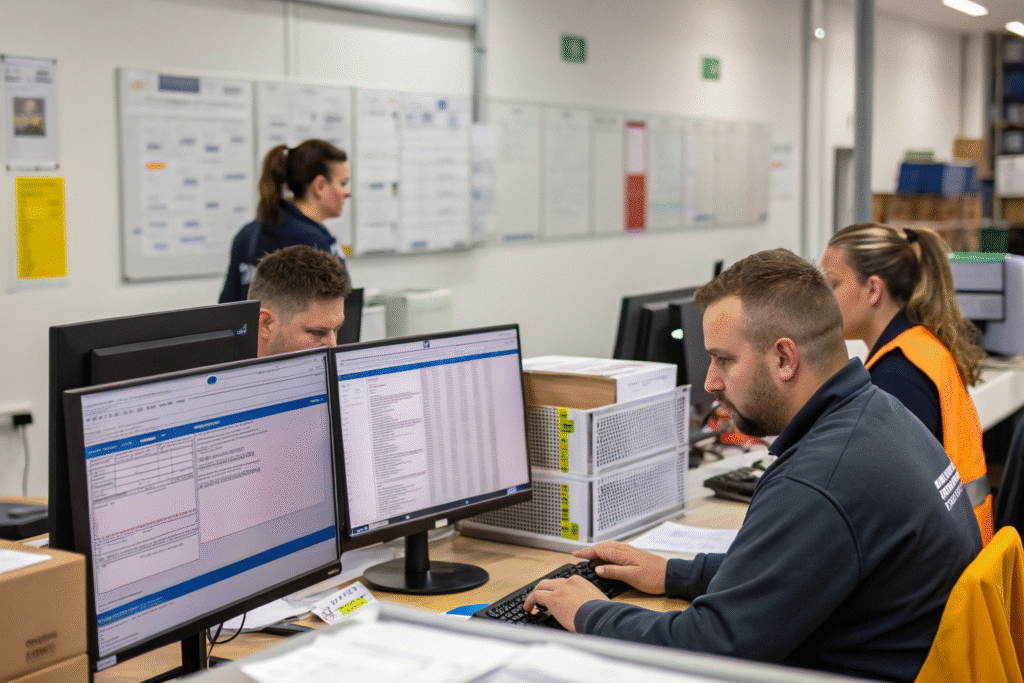
How Do Forwarders Prevent Overpayment?
By consulting international tariff databases like Descartes Customs Info, forwarders calculate the exact duties owed. This prevents businesses from paying more than required.
For importers like Ron, this accuracy means saving thousands of dollars each year.
Why Is Documentation Accuracy Important?
Invoices, packing lists, and certificates of origin must all align with tariff requirements. According to U.S. Customs and Border Protection, inconsistent documents are a leading cause of clearance delays.
Forwarders prepare and double-check all documents to ensure smooth customs clearance.
What Strategies Do Forwarders Use for Complex Tariffs?
Managing tariffs goes beyond paperwork—it requires strategic planning.
Forwarders use tariff optimization, free trade agreements, and customs consulting to minimize costs.
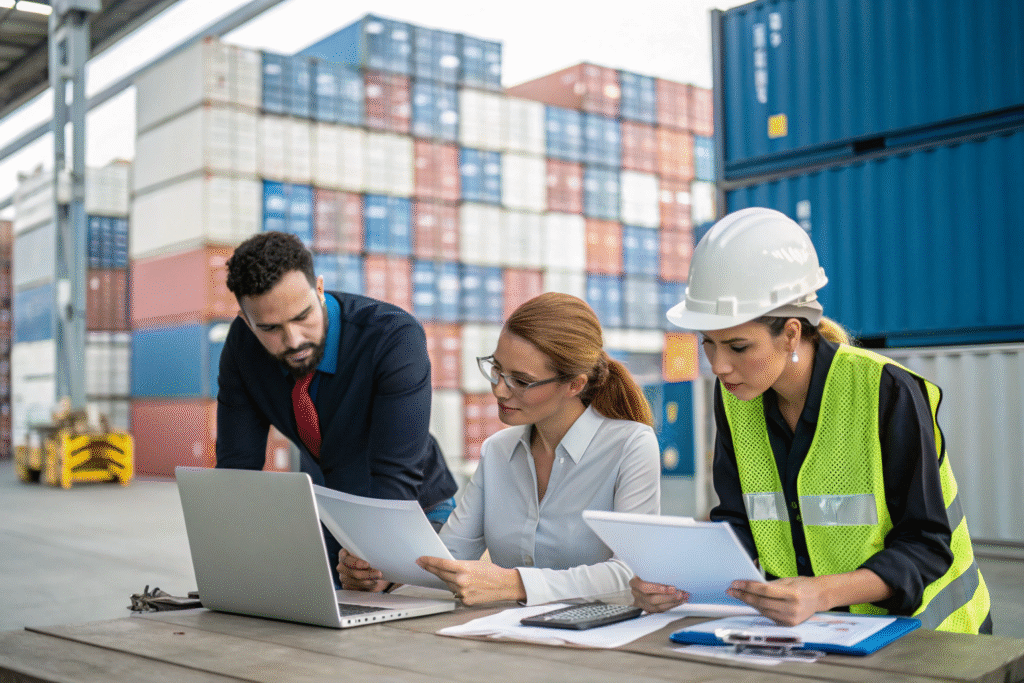
How Do Free Trade Agreements Help Importers?
Free trade agreements (FTAs) lower or remove tariffs on qualifying goods. The United States-Mexico-Canada Agreement (USMCA) is one example where companies can save money if they meet origin requirements.
Forwarders help verify eligibility and prepare the necessary documentation to take advantage of FTAs.
Why Is Tariff Engineering a Useful Strategy?
Tariff engineering involves modifying products or shipments to qualify for lower tariff categories legally. According to World Trade Organization reports, many businesses reduce costs by using this strategy.
Experienced freight forwarders guide businesses through tariff engineering while ensuring compliance with international laws.
Why Are Freight Forwarders Indispensable in Tariff Handling?
Import tariffs are complex, but freight forwarders make them manageable.
By combining expertise, technology, and direct connections with customs, forwarders protect businesses from costly mistakes.
How Do Forwarders Save Businesses Time and Money?
Handling tariffs alone requires hours of research and compliance checks. Forwarders already have systems in place to manage this efficiently. Insights from DHL Supply Chain confirm that forwarder expertise reduces both costs and delays.
This allows importers to focus on sales and growth instead of paperwork.
Why Does Experience Matter in Tariff Management?
Every shipment is different, and experienced forwarders know how to adapt. At GeeseCargo, we have managed tariff issues for clients shipping everything from apparel to electronics, ensuring compliance while keeping costs under control.
That’s why importers trust us as their reliable freight forwarding partner for tariff handling.
Conclusion
Import tariffs are one of the most complicated parts of international shipping, but they don’t have to overwhelm businesses. By correctly classifying goods, using tariff optimization strategies, and staying updated on global policies, freight forwarders make the process efficient and cost-effective.
For importers shipping from China to the U.S., working with a professional forwarder like GeeseCargo ensures fewer surprises, lower costs, and smoother supply chains.
Freight forwarders don’t just move goods—they help businesses navigate the complexity of tariffs with confidence.