Buyers often ask me the same question: “Can you guarantee this will arrive by Friday?” In global logistics, this is one of the toughest questions to answer. Ships get rolled. Flights get canceled. Customs slows down. I’ve seen delivery timelines crumble overnight due to factors beyond anyone’s control.
Freight forwarders can’t guarantee delivery dates, but we can minimize delays and improve predictability through planning, tracking, and communication.
If your shipments have ever missed a critical launch or delivery window, this article will explain what forwarders can and can’t promise, and how the right logistics partner gives you the best shot at on-time delivery.
Why Can’t Most Delivery Dates Be Guaranteed?
Importers want certainty. But international shipping is full of uncontrollable variables. The weather, customs clearance, equipment shortages—all can derail even the best-planned delivery.
Because global logistics involves many unpredictable factors, freight forwarders typically offer estimated transit times, not fixed guarantees.

What External Risks Disrupt Delivery Dates?
Freight schedules are vulnerable to port congestion, labor strikes, or extreme weather events like typhoons. Customs holds due to missing documents can cause days of delay. We track weather via Windy and monitor terminals through MarineTraffic to flag risk in advance.
Why Don’t Carriers Guarantee Dates Either?
Even shipping lines and airlines give ETAs, not hard deadlines. Most ocean freight bookings are subject to “CY-CY” terms, which limit liability. Airlines may cancel or bump shipments due to cargo weight changes. The IATA cargo service guidelines reflect these realities.
What Delivery Timeframes Can Forwarders Commit To?
Though we can’t promise exact dates, we commit to service levels—specific transit windows, mode choices, and timeline tracking.
Freight forwarders offer service agreements based on expected lead times, with real-time updates to manage expectations.

What Are Service Level Agreements (SLAs)?
For regular clients, we build SLAs specifying transit days, customs time, and inland transport timelines. For example, DDP service from Shanghai to Chicago via air might be quoted as 7–9 working days. These are benchmarks, not absolute guarantees, supported by tools like FourKites or Project44.
Can Time-Definite Freight Options Help?
Yes. Premium air freight or express couriers like DHL Express offer tighter windows (2–5 days globally). For ocean freight, fast lanes or direct sailing services provide more predictable lead times. But these come at a cost and still face customs unpredictability.
How Can You Improve Delivery Reliability With a Forwarder?
Even without date guarantees, forwarders offer tools and strategies to keep cargo on track and minimize the damage when delays occur.
Delivery reliability improves with early booking, multimodal planning, proactive tracking, and strong customs preparation.

How Does Real-Time Tracking Help?
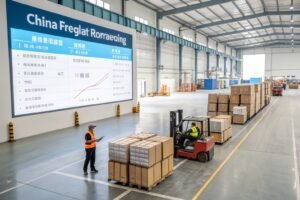
We use tracking systems like GoFreight or CargoWise to monitor every shipment. Clients receive status updates at each milestone—from pickup to port, customs, and delivery. When issues arise, we act fast.
What Role Does Customs Preparedness Play?
Delays often come from incorrect paperwork. We handle commercial invoices, HS codes, and packing lists thoroughly to avoid unnecessary holds. We also advise clients when their products require special clearance like FDA for consumables or CPSC for children’s goods.
What Should Clients Understand About Delivery Timelines?
The most successful clients treat estimated delivery dates as flexible ranges—not promises carved in stone.
Clients who understand the global shipping ecosystem and work with proactive forwarders face fewer surprises and lower disruption costs.

Why Is Flexibility Important?
Flexibility avoids panic. If your sales or production schedules depend on tight freight arrivals, even a two-day delay can cause problems. That’s why we recommend planning buffers or earlier dispatches. For sensitive timelines, we combine air freight and bonded warehousing.
How Can Buyers Mitigate Late Delivery Costs?
Options include using insurance for delay-in-start-up (DSU), having alternative stock locations, or working with local 3PLs for faster unloading and customs. We’ve helped clients reduce costs by pre-clearing cargo or splitting shipments for urgent SKUs.
Conclusion
Freight forwarders don’t control the seas, skies, or customs. So no, we can’t guarantee a delivery date. But what we can guarantee is professionalism, planning, and real-time response. At GeeseCargo, we prepare clients for global unpredictability with tracking, transparency, and smarter logistics choices. If you need your cargo to arrive as close to “on time” as possible, we’ll help you build a supply chain that’s prepared—not just hopeful.