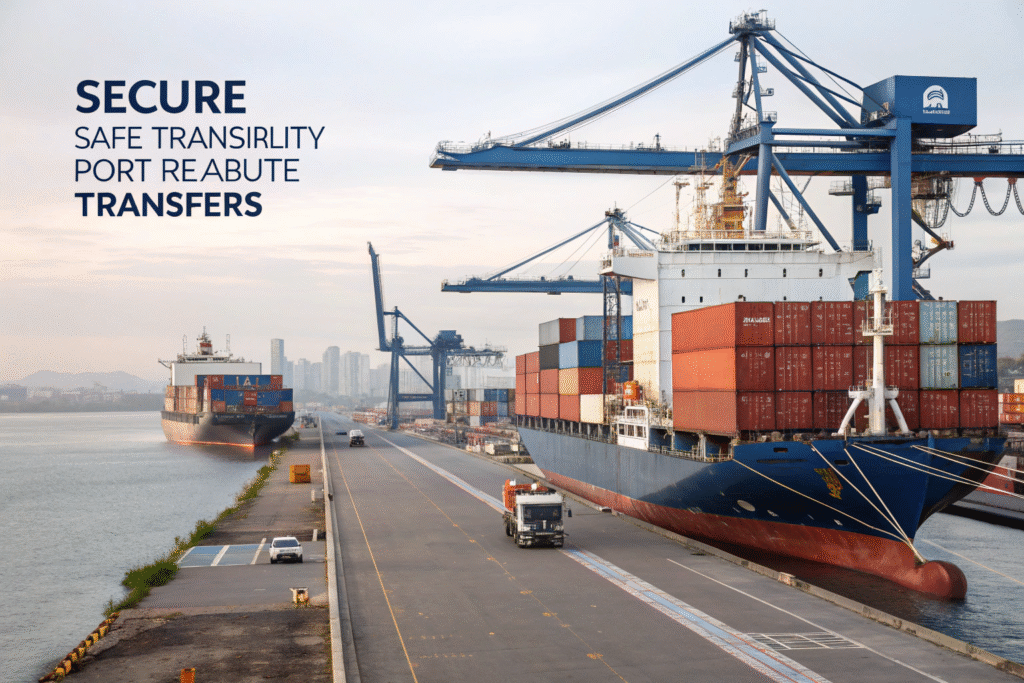
When goods arrive at busy seaports, the most critical stage begins—transfers. Containers must move from ships to trucks, rail, or warehouses quickly and safely. For importers and exporters, delays at this stage mean higher costs, missed deadlines, and even lost business opportunities. As a freight forwarder with years of experience, I know how difficult port transfers can be without expert management.
The good news is that freight forwarders specialize in making port transfers efficient. By coordinating with carriers, terminals, and customs, we ensure goods move seamlessly from vessel to final destination.
For business owners like Ron in the U.S., who import clothing and gifts from China, efficient port transfers mean faster deliveries, reduced costs, and stronger supply chain reliability.
What Makes Port Transfers Challenging?
Ports handle thousands of containers daily, making transfers complex. Without planning, shipments can face costly delays.
The main challenges are congestion, lack of coordination, and customs inspections.

Why Is Congestion Such a Big Issue?
Congestion at ports means ships wait to unload, and trucks wait to pick up goods. According to MarineTraffic, delays at major ports can stretch for days or even weeks during peak season.
Freight forwarders address this by booking time slots in advance and coordinating with multiple carriers to avoid bottlenecks.
How Do Customs Inspections Affect Transfers?
Customs inspections often slow down container transfers. A single missing or incorrect document can hold an entire shipment. Reports from U.S. Customs and Border Protection confirm that paperwork errors are a leading cause of clearance delays.
Forwarders prepare all required documents and communicate directly with customs officers to speed up the process.
How Do Freight Forwarders Coordinate Port Transfers?
Freight forwarders simplify transfers by acting as coordinators. We connect carriers, terminals, and customs in one streamlined process.
Our role is to organize transportation, ensure compliance, and manage timing to reduce delays.
How Do Forwarders Connect Multiple Modes of Transport?
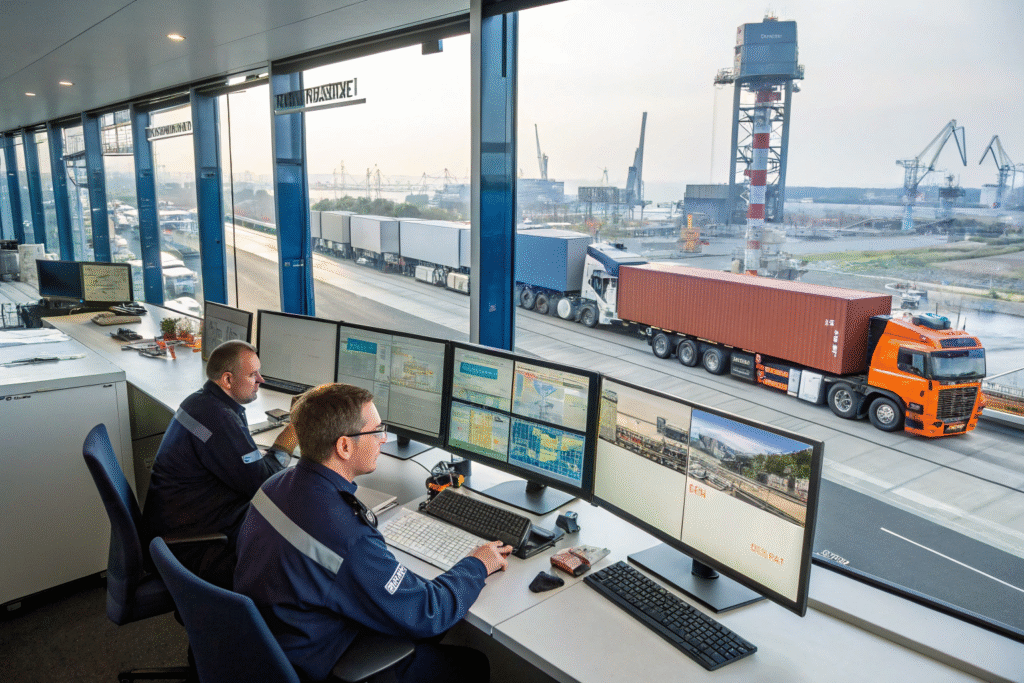
Port transfers often require shifting goods between ships, trucks, and rail. This process is called intermodal transportation. Platforms like Project44 provide visibility across all modes.
At GeeseCargo, we coordinate each transfer stage so that goods flow smoothly through the port without unnecessary waiting.
Why Is Scheduling Critical for Transfers?
Terminals operate on strict schedules, and missed appointments lead to demurrage fees. Freight forwarders use digital booking systems to reserve loading and unloading times. According to Freightos, scheduling efficiency is one of the biggest advantages of using a forwarder.
By securing time slots in advance, we minimize idle time and speed up delivery.
What Services Do Forwarders Offer for Smoother Transfers?
Beyond coordination, freight forwarders provide additional services that make port transfers easier.
These services include cargo inspection, warehousing, and last-mile delivery planning.

How Do Cargo Inspections Improve Transfers?
Goods often require inspection for quality or compliance before leaving the port. Freight forwarders supervise this process, ensuring goods are handled correctly. Standards from the World Customs Organization guide proper inspection procedures.
This prevents unnecessary damage and ensures compliance with import laws.
How Do Forwarders Manage Warehousing Near Ports?
Sometimes goods cannot be transferred immediately. Freight forwarders arrange bonded warehouses near ports to store goods temporarily. Insights from DHL Supply Chain show that strategic warehousing reduces congestion and speeds up future transfers.
By combining storage with transport scheduling, we keep goods moving efficiently.
Why Are Freight Forwarders the Key to Efficient Port Transfers?
Efficient port transfers require more than paperwork—they require experience, coordination, and trust.
Freight forwarders bring expertise, networks, and technology to make transfers faster and more reliable.
How Do Forwarders Reduce Costs for Importers?
Delays lead to demurrage, storage fees, and lost sales. By avoiding these, freight forwarders save businesses thousands of dollars. Platforms like Journal of Commerce report that efficient transfers are critical to lowering overall logistics costs.
For Ron, this means predictable shipping budgets and better profit margins.
Why Is Experience the Strongest Advantage?
An experienced forwarder has handled countless transfers and knows how to solve problems quickly. At GeeseCargo, our network across Asia, Europe, and America allows us to resolve port issues faster than importers could on their own.
This is why many businesses trust us as their reliable freight forwarding partner.
Conclusion
Port transfers are one of the most sensitive stages in global shipping. Congestion, customs delays, and poor coordination can disrupt supply chains. But with freight forwarders, businesses gain efficiency, speed, and reliability.
From scheduling to customs clearance and warehousing, freight forwarders manage every detail of port transfers. For companies shipping goods from China to the U.S., this support means smoother operations and lower costs.
Freight forwarders do more than move containers—they ensure supply chains run without disruption.